Introduction To Why Does My Cat Knead Blankets?
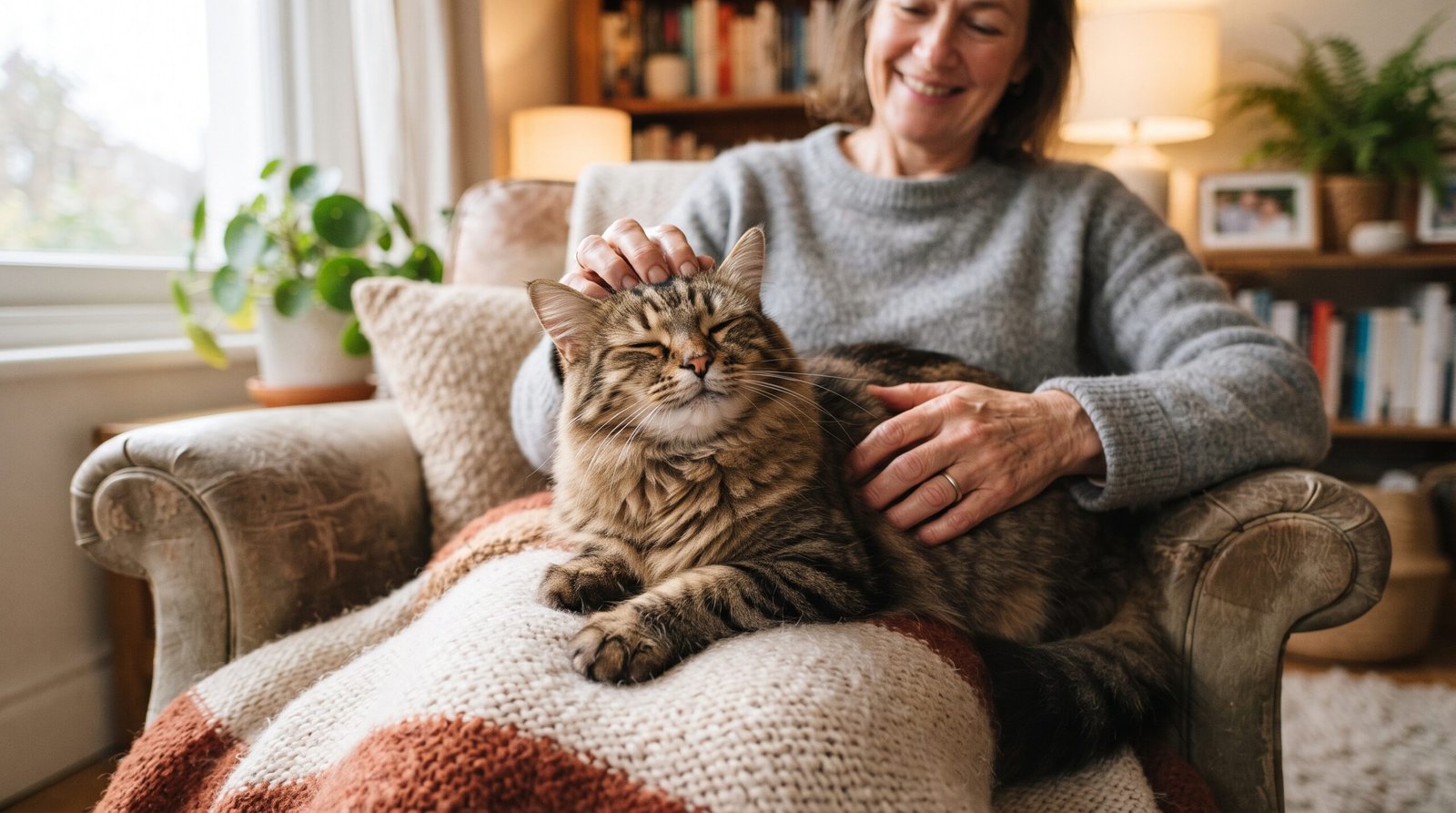
Have you ever watched your cat rhythmically push its paws into a soft blanket, pillow, or even your lap? This adorable behavior, often called “making biscuits,” is one of the most common—and most misunderstood—cat habits. Many cat owners wonder whether kneading is a sign of happiness, affection, stress, or something else entirely.
The good news is that, in most cases, kneading is a completely normal and healthy behavior. Cats of all ages may knead soft surfaces, and each cat has its own unique reasons for doing it. Some cats knead every day before taking a nap, while others only do it when they’re feeling especially relaxed and comfortable.
Understanding why your cat kneads blankets can help you better understand your pet’s emotions, instincts, and overall well-being. In this guide, we’ll explore the science behind cat kneading, explain the most common reasons for this behavior, discuss when it might indicate a problem, and answer frequently asked questions from cat owners.
Whether you have a playful kitten or an older cat, this article will help you understand what your furry friend is trying to communicate every time those tiny paws start “making biscuits.”

What Is Cat Kneading?
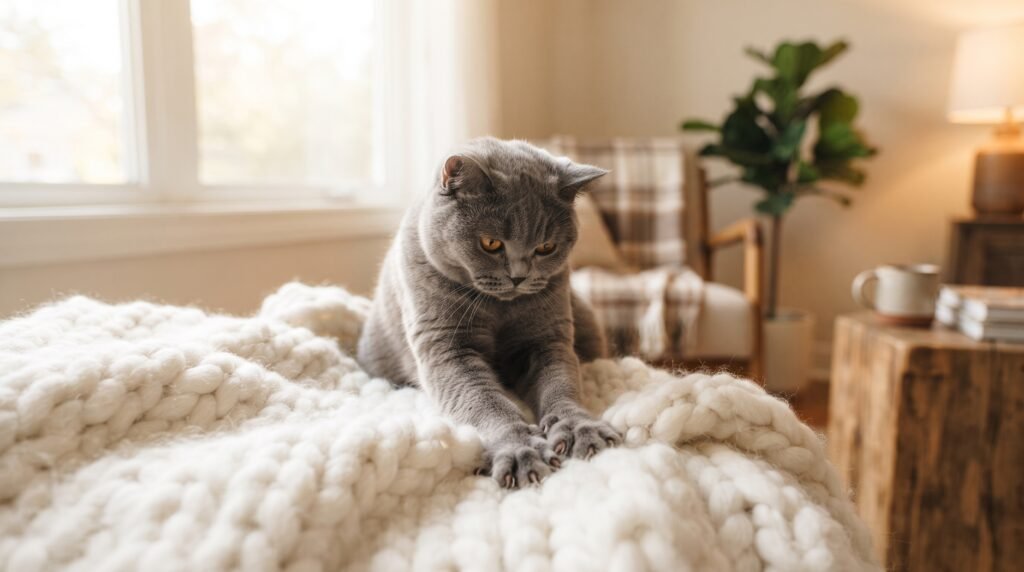
Cat kneading is the repetitive motion of pushing one paw and then the other against a soft surface. The movement resembles someone kneading bread dough, which is why it’s commonly called “making biscuits.”
Cats usually knead:
- Soft blankets
- Pillows
- Their owner’s lap
- Pet beds
- Cushions
- Plush toys
Many cats also purr while kneading, slowly close their eyes, or even drool a little. These are all signs that they feel safe, comfortable, and relaxed.
Although kneading is common, not every cat does it with the same frequency. Some cats knead several times a day, while others rarely knead at all. Both behaviors can be perfectly normal.
1. It Reminds Them of Kittenhood
One of the strongest reasons cats knead blankets comes from their earliest days as kittens.
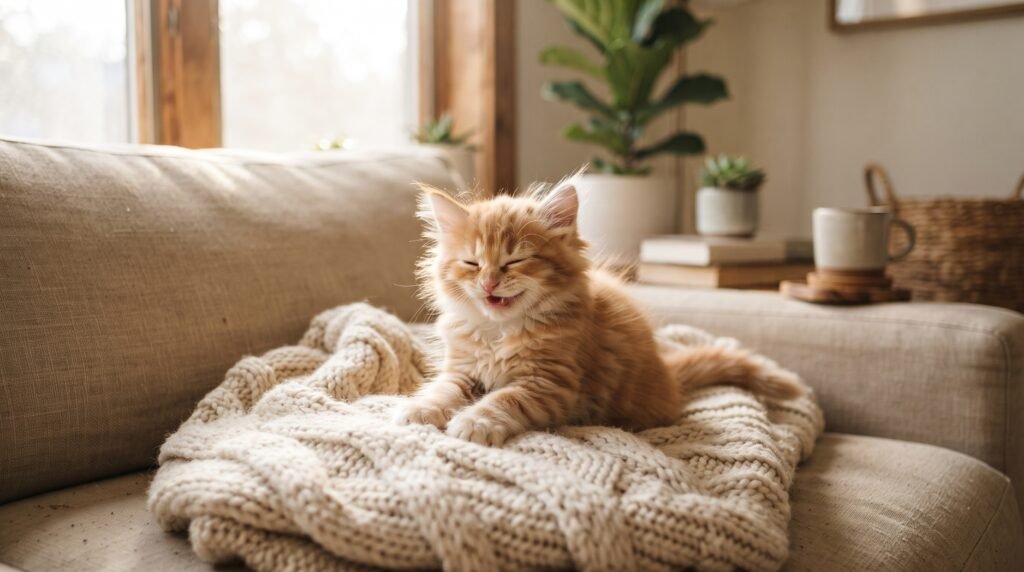
When nursing, kittens instinctively press their paws against their mother’s belly. This motion stimulates milk flow, making feeding easier. Because this behavior is associated with warmth, safety, food, and comfort, many cats continue kneading long after they’ve grown up.
Even adult cats retain this comforting instinct. When they knead a soft blanket, they may be reliving those peaceful feelings from kittenhood.
If your adult cat kneads while purring and looking sleepy, it’s usually a sign that they feel completely secure in their environment.

2. They Feel Safe and Comfortable
Cats are naturally cautious animals. They only display vulnerable behaviors when they trust their surroundings.
If your cat kneads a blanket while curling up for a nap, it’s often their way of saying:
- I feel safe here.
- I’m comfortable.
- This is my favorite resting place.
- I trust the people around me.
Many indoor cats develop a favorite blanket or cushion that they return to every day. Kneading becomes part of their relaxation routine before sleeping.
The softer the surface, the more likely your cat is to knead it because it mimics the cozy feeling of fur or soft bedding.
3. They’re Showing Love and Trust
If your cat kneads your lap, your chest, or even your arms, consider it a compliment.
Cats don’t express affection the same way dogs do. Instead, they show love through subtle behaviors such as:
- Slow blinking
- Head bunting
- Gentle purring
- Following you around
- Kneading your lap
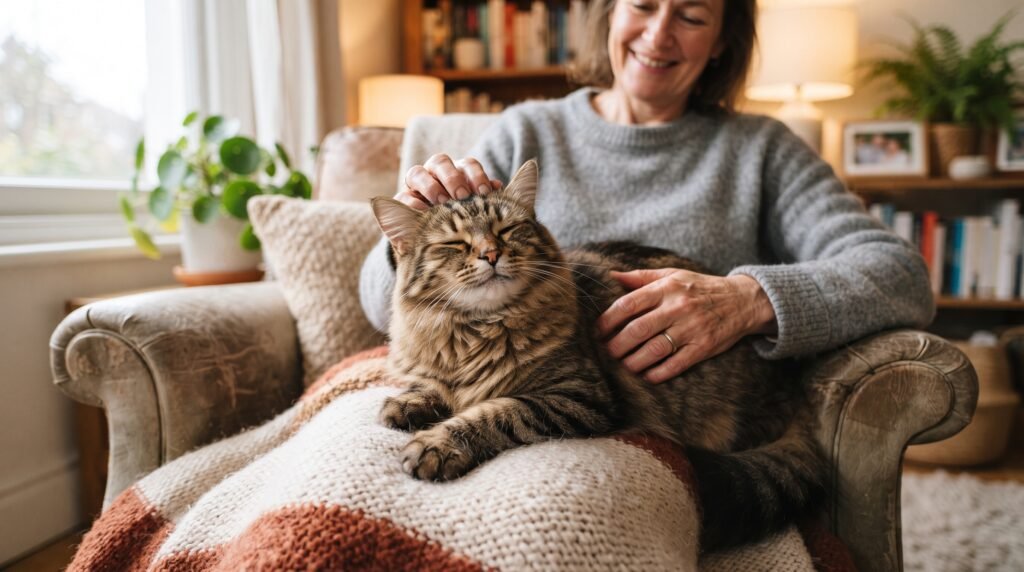
When your cat kneads you, they’re showing that they feel completely comfortable in your presence. Many behavior experts believe kneading is one of the strongest signs that a cat sees you as part of its safe social group.
If your cat purrs while kneading you, it’s usually an even stronger sign of trust and contentment.
4. They’re Marking Their Territory
Cats have scent glands located in the soft pads of their paws.
Every time your cat kneads a blanket, cushion, or your lap, they leave behind tiny scent markers that humans can’t detect. This is one way cats claim important places and people as part of their territory.
In your cat’s mind, kneading may be a way of saying:
- This blanket belongs to me.
- This bed is my safe place.
- This human is part of my family.
This scent-marking behavior is completely natural and helps cats feel secure in their environment.
5. They’re Preparing a Comfortable Sleeping Spot
Long before cats became our beloved pets, their wild ancestors had to create safe places to rest. They often pressed down tall grass, leaves, or soft vegetation before lying down. This instinct helped create a flatter, more comfortable sleeping area and allowed them to check for hidden insects or small dangers.
Although your indoor cat sleeps on cozy blankets and beds, that ancient instinct hasn’t disappeared.
When your cat kneads a blanket before curling up for a nap, it’s often following the same natural routine its ancestors used thousands of years ago. After a minute or two of kneading, many cats circle the area several times before finally settling down to sleep.
If you notice this pattern, it’s simply your cat preparing the “perfect bed.”
6. Kneading Helps Stretch Their Muscles
Cats are incredibly flexible animals, and stretching is an important part of keeping their muscles healthy.
Kneading allows them to:
- Stretch their front legs
- Flex their paws and toes
- Extend their claws
- Loosen shoulder muscles
- Improve circulation after resting
You’ll often notice a cat kneading immediately after waking up from a long nap. This is similar to how people stretch after sleeping.
Stretching keeps their joints mobile and helps maintain overall physical health, especially in active cats.
7. Kneading Can Relieve Stress
Just like humans have comforting habits, cats often repeat behaviors that help them relax.
For many cats, kneading acts as a calming activity during situations such as:
- Moving to a new home
- Meeting new people
- Loud thunderstorms
- Fireworks
- Visits to the veterinarian
- Changes in household routine
If your cat begins kneading a favorite blanket during stressful moments, it may be using this familiar behavior to soothe itself.
However, if the kneading suddenly becomes excessive and is accompanied by hiding, loss of appetite, aggression, or over-grooming, it could be a sign of anxiety. In these cases, it’s worth monitoring your cat closely and consulting your veterinarian if the behavior continues.
8. Hormones May Play a Role
In some cats, hormones can influence kneading behavior.
Female cats in heat may knead more frequently while showing other signs such as:
- Increased vocalization
- Rolling on the floor
- Becoming extra affectionate
- Raising their hindquarters
- Seeking attention
Male cats may also display increased kneading during periods of heightened excitement or when reacting to nearby females.
While hormones can contribute to kneading, they are usually not the primary reason. Most cats knead simply because it feels comforting and natural.
Spaying or neutering often reduces hormone-driven behaviors, although it doesn’t usually eliminate kneading entirely.
9. They Simply Enjoy It forMy Cat Knead Blankets
Sometimes the simplest explanation is the correct one.
Many cats knead because it feels good.
The soft texture of blankets, plush throws, fleece beds, and fluffy pillows provides satisfying resistance for their paws. Combined with purring and relaxation, kneading becomes one of their favorite daily activities.
Every cat has its own personality.
Some knead for only a few seconds.
Others happily knead for ten or fifteen minutes before falling asleep.
As long as your cat isn’t injuring itself or showing signs of distress, this behavior is completely normal and nothing to worry about.

Why Does My Cat Purr While Kneading?
Purring and kneading often happen together because both behaviors are closely connected to feelings of comfort and security.
When kittens nurse from their mother, they commonly knead while purring softly. Many adult cats continue this comforting combination throughout their lives.
If your cat is kneading while purring, half-closing its eyes, or slowly blinking at you, it’s usually expressing:
- Happiness
- Relaxation
- Trust
- Affection
- A sense of safety
Occasionally, cats also purr when they’re in pain or feeling stressed. That’s why it’s important to consider your cat’s overall body language rather than relying on purring alone.
A relaxed body, soft ears, loose tail, and calm breathing usually indicate a happy, content cat.
Should You Stop Your Cat from Kneading?
In most cases, the answer is no.
Kneading is a healthy, instinctive behavior that helps cats feel comfortable and secure. Punishing or scolding your cat for kneading can damage trust and create unnecessary stress.
If your cat’s claws are uncomfortable when it kneads your lap, try these simple solutions:
- Place a thick blanket over your legs.
- Keep your cat’s nails trimmed regularly.
- Offer a soft pet blanket specifically for kneading.
- Redirect your cat to a plush bed if needed.
- Never push or yell at your cat during kneading sessions.
Encouraging positive alternatives is much more effective than trying to stop the behavior completely.
A happy, relaxed cat that kneads occasionally is usually showing that it feels right at home.
When Could Cat Kneading Be a Concern?
Although kneading is almost always a normal behavior, there are a few situations where it may be worth paying closer attention.
Contact your veterinarian if your cat:
- Suddenly starts kneading far more than usual.
- Cries or appears to be in pain while kneading.
- Develops sores, swelling, or injuries on its paws.
- Begins obsessive kneading that interferes with eating, sleeping, or playing.
- Shows other unusual behaviors such as hiding, aggression, weight loss, or loss of appetite.
These changes don’t necessarily mean something is seriously wrong, but they could indicate stress, anxiety, pain, or an underlying medical condition that deserves professional evaluation.
If your cat has always kneaded blankets and continues to act happy, eat well, and play normally, there’s usually no reason for concern.

Frequently Asked Questions
Why does my cat knead only one specific blanket?
Cats often develop strong preferences for certain textures. A soft fleece or plush blanket may remind your cat of the warmth and comfort it experienced as a kitten. Your cat may also have marked that blanket with its scent, making it feel like a safe and familiar place.
Why does my cat knead me instead of a blanket?
When your cat kneads your lap or chest, it’s usually a sign of affection and trust. Your cat feels secure around you and considers you part of its safe environment.
Why does my cat knead and bite the blanket?
Some cats gently bite or suck on a blanket while kneading. This behavior is often linked to kittenhood and is considered a self-soothing habit. It’s generally harmless unless it becomes obsessive or leads to swallowing fabric.
Do all cats knead?
No. Some cats knead frequently, while others rarely do it at all. Both are considered normal. Personality, early experiences, and breed differences may influence how often a cat kneads.
Why does my kitten knead more than my adult cat?
Kittens are closer to their nursing stage, so kneading is often more frequent. As cats mature, some continue kneading regularly, while others do it less often. Every cat develops its own habits.
Can kneading mean my cat is stressed?
Occasionally. While kneading is most often a sign of comfort, some cats also use it as a coping mechanism during stressful situations. If the behavior suddenly becomes excessive or is accompanied by other signs of anxiety, consult your veterinarian.
Final Thoughts
Watching your cat knead a soft blanket is one of the sweetest moments of pet ownership. Whether your feline friend is preparing a cozy sleeping spot, reliving comforting memories from kittenhood, stretching tired muscles, or simply showing affection, kneading is usually a healthy and natural behavior.
Instead of worrying when your cat starts “making biscuits,” see it as a sign that your home is a place where it feels safe, relaxed, and loved.
By understanding the reasons behind this instinctive habit, you’ll gain a deeper appreciation for your cat’s unique personality and strengthen the bond you share every day.
So the next time those tiny paws begin pressing into your favorite blanket, smile—you’ve earned your cat’s trust.
Key Takeaways
- Kneading is a normal instinct that begins during kittenhood.
- Adult cats knead to express comfort, affection, and relaxation.
- Cats may also knead to mark territory, stretch muscles, or prepare a sleeping spot.
- Purring while kneading is usually a sign of happiness and trust.
- Most kneading is harmless and should not be discouraged.
- Sudden or excessive kneading combined with other unusual symptoms should be discussed with a veterinarian.

Enjoyed this guide? Explore more expert-backed cat care tips on PetZuoo to better understand your feline companion’s behavior, health, and everyday needs.

hammadniazi6663@gmail.com
Contributor at PetZuoo, publishing practical information for pet owners and animal lovers.
Related guides

Why Do Dog Tilt Their Heads? 9 Fascinating Reason
Why Do Dog Tilt Their Heads? 9 Fascinating Reason Behind This Adorable Behavior. Have you ever spoken to your dog and watched…
What You Should Know About Pet Rabbit Care
What You Should Know About Pet Rabbit Care, Rabbits are quiet, cute and surprisingly full of personality. They can learn routines, recognize…
Why Do Dogs Eat Grass? 9 Surprising Causes & Solutions
Why Do Dogs Eat Grass? 9 Surprising Causes & Solutions and Why Do Dogs Eat Grass? 9 Causes and What Every Dog…