Why Do Dogs Eat Grass? 9 Surprising Causes & Solutions and Why Do Dogs Eat Grass? 9 Causes and What Every Dog Owner Should Know
Have you ever looked outside and noticed your dog happily chewing on grass? If so, you are definitely not alone. Grass eating is one of those behaviors that can leave dog owners wondering whether their pet is simply enjoying a snack or trying to tell them something.
For many dogs, eating grass occasionally is harmless. Some dogs nibble a few blades during walks and then continue playing as if nothing happened. Others seem determined to eat large amounts of grass, sometimes followed by vomiting.
So, why do dogs eat grass?
The answer is not always straightforward. Dogs may eat grass because they enjoy the taste or texture, because they are bored, because they are following a natural instinct, or because something about their digestive system is bothering them. In some cases, frequent grass eating can also be associated with an underlying health problem.
This guide explains the most common reasons dogs eat grass, whether it is safe, what you should watch for, and practical ways to manage the behavior.
1. Dogs May Simply Like the Taste
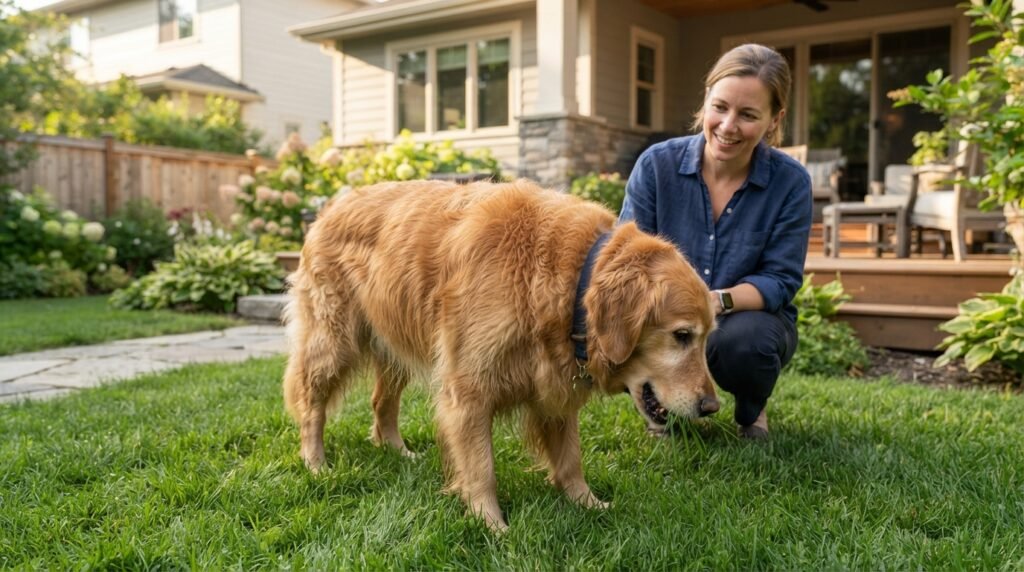
One of the simplest explanations is that your dog actually enjoys eating grass.
Fresh grass can be crunchy, moist, and interesting to a dog. Dogs explore much of their environment through their mouths, so nibbling plants can be another form of investigation.
Some dogs particularly enjoy young, fresh grass during spring and summer. They may choose certain patches and ignore others.
If your dog occasionally eats a small amount of clean grass, behaves normally afterward, and has no other symptoms, there may be no reason to panic.
However, you should still pay attention to where your dog is eating. Grass treated with herbicides, pesticides, fertilizers, or other chemicals can pose a greater risk than untreated grass.
2. Your Dog Could Be Bored
Dogs need more than food and shelter. They also need mental stimulation and physical activity.
A dog that does not get enough exercise or interaction may develop repetitive behaviors. Grass chewing can sometimes become something interesting to do when your dog has nothing else to occupy their attention.
This is especially worth considering if your dog tends to eat grass during quiet periods, such as when they are left alone in the backyard.
Try increasing your dog’s daily enrichment.
A longer walk, a short training session, scent games, puzzle toys, or supervised play can give your dog better outlets for their energy.
You do not necessarily need to make every activity physically exhausting. Mental stimulation can be just as valuable.
3. Dogs May Eat Grass Because of Natural Foraging Behavior
Although today’s dogs live alongside humans, many canine behaviors have deep natural roots.
Dogs are curious animals that investigate different smells, textures, and foods. Eating plant material can be part of natural exploratory or foraging behavior.
Your dog may sniff a patch of grass, taste it, and decide to eat a few blades. This does not automatically mean something is wrong.
You may notice similar behavior when your dog encounters leaves, sticks, or other natural objects outdoors.
Of course, not every plant is safe for dogs. Never assume that something is harmless simply because it grows naturally.
4. Your Dog May Be Seeking More Fiber
Another possible reason dogs eat grass is that they are consuming plant material that provides some fiber.
Fiber plays an important role in digestive health. It can support normal bowel movements and contribute to healthy digestion.
That does not mean you should encourage your dog to eat unlimited grass as a source of fiber.
If your dog regularly seeks out grass, especially in large quantities, discuss their diet with your veterinarian. A veterinarian can help determine whether your dog’s current food provides appropriate nutrition for their age, size, activity level, and health needs.
Do not suddenly change your dog’s diet simply because you notice grass eating.
5. Some Dogs Eat Grass When Their Stomach Feels Uncomfortable
This is one of the most common explanations people hear about grass eating.
Many owners believe dogs eat grass intentionally to make themselves vomit when they have an upset stomach. While vomiting sometimes occurs after grass consumption, the relationship is more complicated.
Not every dog that eats grass vomits afterward, and not every dog that vomits after eating grass was necessarily trying to make itself sick.
Research and veterinary observations suggest that grass eating is not always a sign of illness.
Still, if your dog suddenly begins eating unusually large amounts of grass and also develops vomiting, diarrhea, loss of appetite, lethargy, abdominal discomfort, or other changes, it deserves attention.
The important thing is to look at the entire picture rather than assuming that grass itself explains the problem.
6. Anxiety or Stress Could Play a Role
Dogs can develop unusual repetitive behaviors when they are stressed or anxious.
If grass eating occurs mainly during stressful situations, consider what is happening around your dog.
For example, does your dog start chewing grass when:
- strangers visit the home?
- loud noises occur?
- another dog approaches?
- you leave the house?
- there are changes in the household?
- your dog is in an unfamiliar environment?
A behavior that appears during stressful situations may have a different explanation from casual grass nibbling during a relaxed walk.
Pay attention to other signs of stress, such as excessive panting, pacing, hiding, whining, lip licking, trembling, or attempts to escape.
If you believe anxiety is contributing to your dog’s behavior, speak with your veterinarian about appropriate ways to support your dog.

7. Grass Eating Can Become a Learned Habit
Sometimes a dog starts eating grass for one reason and eventually turns it into a habit.
Imagine a puppy discovers that chewing grass is interesting. The puppy repeats the behavior during walks, receives attention from the owner, and continues doing it.
Over time, grass eating can become part of the dog’s normal routine.
This is why your reaction matters.
If you constantly chase your dog, shout, or turn the behavior into a game, your dog may become even more interested in the grass.
Instead, calmly redirect your dog toward something more appropriate.
Use a toy, a short training exercise, or a simple recall command to move their attention away from the grass.
8. Your Dog May Need More Mental Enrichment
Physical exercise is important, but dogs also need opportunities to use their brains.
A dog that spends most of the day with little stimulation may find grass chewing entertaining.
You can provide enrichment in simple ways.
Try hiding small portions of your dog’s normal food around a safe area and encouraging them to sniff them out. You can also use veterinarian-approved puzzle feeders, practice basic obedience commands, or introduce scent games.
Even five to ten minutes of focused training can give your dog meaningful mental stimulation.
The goal is not simply to stop grass eating. It is to give your dog something better to do.
9. An Underlying Health Problem Is Sometimes Possible
Occasional grass eating in an otherwise healthy dog is often not an emergency.
However, persistent or sudden changes in behavior should not automatically be dismissed.
Contact your veterinarian if your dog is repeatedly eating large quantities of grass or if grass eating occurs alongside symptoms such as:
- repeated vomiting
- persistent diarrhea
- blood in vomit or stool
- severe lethargy
- refusing food or water
- significant abdominal pain
- bloating
- difficulty breathing
- weakness or collapse
- unusual behavior
- unexplained weight loss
These symptoms can have many different causes, and grass eating alone cannot tell you what is happening.
Your veterinarian can evaluate your dog and determine whether further examination or testing is necessary.

Is Grass Safe for Dogs?
Grass itself is not automatically dangerous for dogs, but the environment matters.
The biggest concern is often what may be on the grass rather than the grass itself.
Avoid allowing your dog to eat grass from areas that may have been treated with:
- herbicides
- pesticides
- chemical fertilizers
- other lawn treatments
You should also be cautious around public areas where you cannot determine what chemicals have been used.
Another concern is contamination from animal feces or other waste. Outdoor grass can contain parasites, bacteria, or other contaminants.
For this reason, allowing your dog to casually nibble grass in a clean, untreated, familiar area is very different from allowing them to eat grass anywhere they find it.
Why Does My Dog Eat Grass and Then Vomit?
This is a common concern for dog owners.
Some dogs vomit after eating grass, but vomiting does not prove that the dog intentionally ate grass to make themselves sick.
If your dog eats a little grass and later vomits once but otherwise remains bright, comfortable, and interested in food and water, monitor them closely.
However, repeated vomiting is different.
If vomiting continues, your dog cannot keep water down, appears weak, has abdominal pain, or develops other concerning symptoms, contact a veterinarian promptly.
Never assume that repeated vomiting is simply caused by eating grass.
How to Stop Your Dog From Eating Grass
If your dog eats grass occasionally and there are no concerning symptoms, you may not need to completely eliminate the behavior.
But if your dog eats excessive amounts or you simply want to reduce the habit, try these approaches.
Increase Daily Exercise
Make sure your dog receives an appropriate amount of physical activity for their age, breed, size, and health.
Walks can provide both exercise and opportunities to explore.
Add Mental Stimulation
Puzzle toys, scent games, training exercises, and interactive play can reduce boredom and give your dog alternative activities.
Practice a Reliable “Leave It” Cue
Training your dog to respond to “leave it” can be extremely useful outdoors.
Start indoors with a low-value object and reward your dog for moving their attention away from it. Gradually practice in more distracting environments.
Keep training positive and consistent.
Supervise Outdoor Time
If your dog immediately heads for the grass whenever they go outside, supervise them.
Redirect them calmly before they begin consuming large amounts.
Keep Your Lawn Chemical-Free
If your dog regularly spends time on your lawn, be careful about lawn chemicals and always follow product safety instructions.
When in doubt, prevent your dog from accessing recently treated areas.
Review Their Diet With Your Veterinarian
If grass eating is frequent, discuss your dog’s diet with a veterinary professional.
Your dog’s food should provide complete and balanced nutrition appropriate for their specific needs.
Do not add supplements or make major dietary changes without appropriate guidance.

Should You Be Worried About Occasional Grass Eating?
In many cases, occasional grass nibbling is not something that requires panic.
The key is to consider your dog’s overall health.
A healthy dog that occasionally eats a few blades of grass and continues behaving normally is very different from a dog that suddenly consumes large quantities while vomiting and refusing food.
Look for patterns.
Ask yourself:
How often is my dog eating grass?
How much grass are they consuming?
Are they vomiting afterward?
Are they eating and drinking normally?
Are their stools normal?
Is their energy level normal?
Has anything recently changed in their environment or routine?
These observations can help you determine whether the behavior is simply an occasional habit or something worth discussing with a veterinarian.
Final Thoughts
So, why do dogs eat grass?
There is no single answer.
Some dogs may enjoy the taste and texture. Others may be exploring, looking for stimulation, following natural foraging behaviors, or responding to boredom or stress. In some situations, frequent grass eating can occur alongside digestive or other health concerns.
The most important thing is to avoid jumping to conclusions.
Occasional grass eating does not automatically mean your dog is sick. At the same time, repeated grass consumption combined with vomiting, diarrhea, pain, lethargy, appetite changes, or other unusual symptoms should not be ignored.
Keep your dog away from chemically treated lawns and potentially contaminated areas, provide plenty of exercise and enrichment, and observe changes in their normal behavior.
When something about your dog’s health seems unusual or persistent, your veterinarian is the best person to help determine what is really going on.
A little grass nibbling may be perfectly ordinary—but understanding why your dog is doing it can help you make safer and smarter choices for their everyday health.

hammadniazi6663@gmail.com
Contributor at PetZuoo, publishing practical information for pet owners and animal lovers.
Related guides

Why Do Dog Tilt Their Heads? 9 Fascinating Reason
Why Do Dog Tilt Their Heads? 9 Fascinating Reason Behind This Adorable Behavior. Have you ever spoken to your dog and watched…
What You Should Know About Pet Rabbit Care
What You Should Know About Pet Rabbit Care, Rabbits are quiet, cute and surprisingly full of personality. They can learn routines, recognize…
“Why Is Dog Licking Its Paws? 9 Powerful Causes
“Why Is Dog Licking Its Paws? 9 Powerful Causes. Have you noticed your dog constantly licking, chewing, or nibbling at its paws?…