Introduction of 15 Human Foods That Are Safe for Dogs
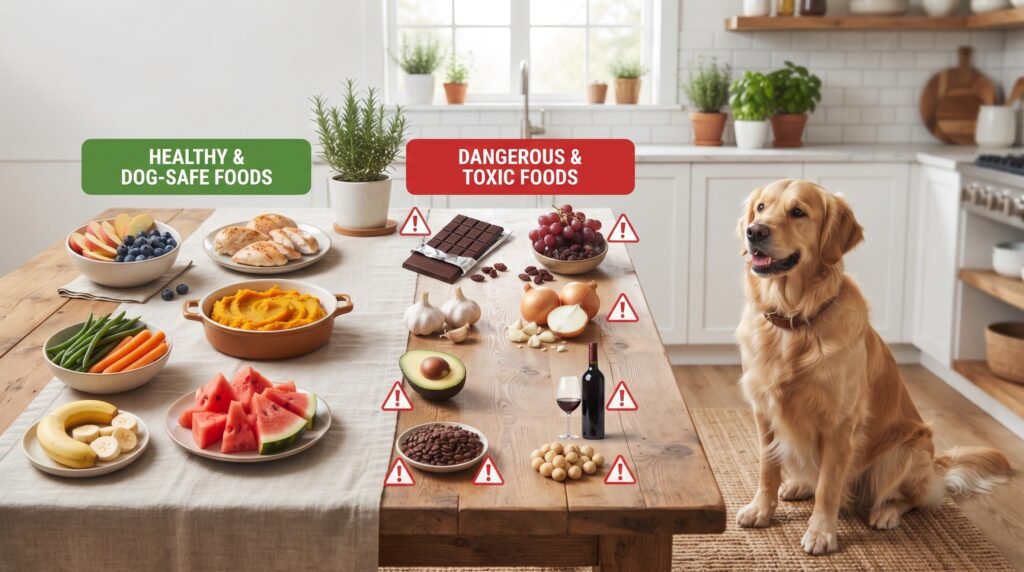
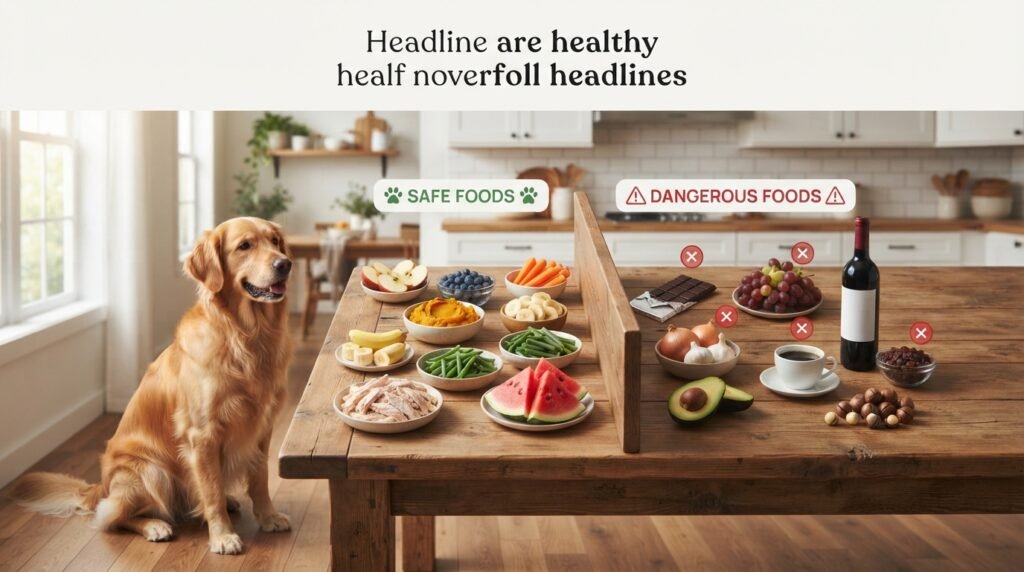
As dog owners, it’s natural to want to share a little of our food with our furry companions. But while some human foods are perfectly safe—and even healthy—for dogs, others can cause serious illness or become life-threatening.
Knowing which foods are safe helps you reward your dog with nutritious treats while avoiding dangerous mistakes. In this guide, you’ll learn about 15 human foods that dogs can safely enjoy, 10 foods that should never be fed, and practical tips for introducing new foods into your dog’s diet.
Remember that every dog is different. Treats and human foods should only make up a small portion of your dog’s daily diet, and you should always consult your veterinarian if your pet has existing health conditions or food allergies.
Why Some Human Foods Are Safe for Dogs
Dogs are omnivores, meaning they can digest many plant-based and animal-based foods. However, their digestive systems work differently from ours, and certain ingredients that are harmless to humans can be toxic to dogs.
Safe human foods can provide benefits such as:
- Vitamins and minerals
- Fiber for healthy digestion
- Lean protein for muscle development
- Healthy antioxidants
- Extra hydration from fruits and vegetables
The key is choosing the right foods, preparing them properly, and serving them in moderation.
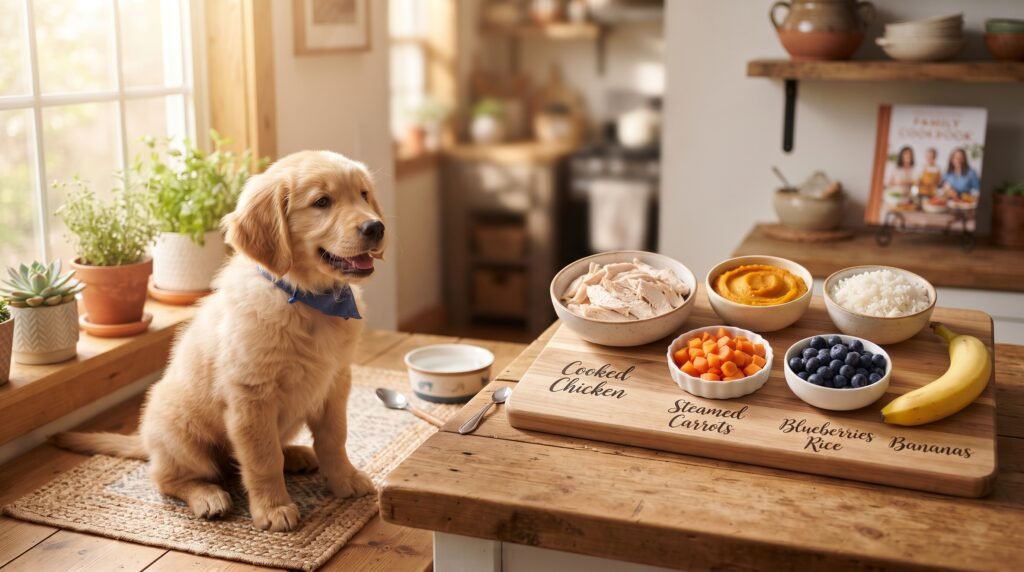
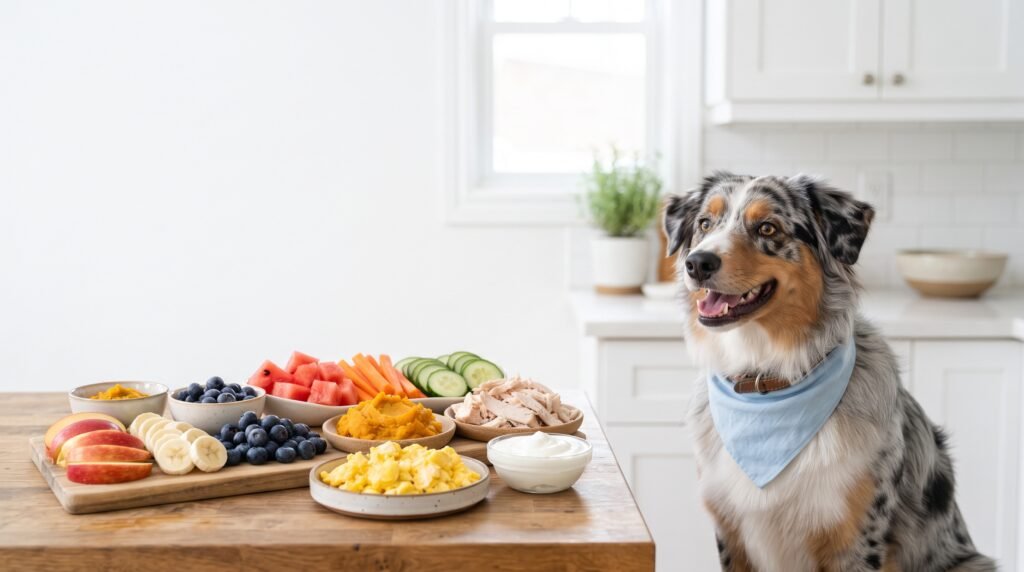
15 Human Foods That Are Safe for Dogs
1. Apples
Apples are a crunchy, low-calorie snack packed with vitamins A and C and dietary fiber.
Benefits
- Supports immune health
- Helps clean teeth naturally
- Provides antioxidants
Serving Tip
Slice into bite-sized pieces and remove the seeds and core before serving.
2. Blueberries
Blueberries are one of the healthiest fruits for dogs thanks to their high antioxidant content.
Benefits
- Supports brain health
- Strengthens the immune system
- Low in calories
Serving Tip
Offer a small handful as a fresh treat or freeze them for a refreshing summer snack.
3. Bananas
Bananas are rich in potassium, vitamin B6, and fiber.
Benefits
- Supports muscle function
- Promotes digestive health
- Makes a great training treat
Serving Tip
Feed only a few slices because bananas contain natural sugars.
4. Carrots
Carrots are crunchy, nutritious, and naturally low in calories.
Benefits
- Excellent source of beta-carotene
- Supports eye health
- Helps reduce plaque buildup
Serving Tip
Serve raw carrot sticks or lightly steamed carrot slices.
5. Pumpkin
Plain cooked pumpkin is one of the best foods for digestive health.
Benefits
- Rich in fiber
- Helps with constipation
- Supports healthy digestion
Serving Tip
Use plain pumpkin puree without added sugar or spices.
6. Sweet Potatoes
Cooked sweet potatoes are highly nutritious and easy to digest.
Benefits
- High in vitamin A
- Rich in fiber
- Supports healthy skin and coat
Serving Tip
Serve cooked and plain without butter, salt, or seasoning.
7. Green Beans
Green beans are a healthy low-calorie snack for dogs of all sizes.
Benefits
- High in fiber
- Rich in vitamins
- Helps with weight management
Serving Tip
Serve fresh, steamed, or frozen without added salt.

8. Cucumbers
Cucumbers are refreshing and contain very few calories.
Benefits
- Hydrating
- Great for overweight dogs
- Contains vitamins K and C
Serving Tip
Slice into thin pieces for easy chewing.
9. Watermelon
Watermelon is an excellent hydrating treat during hot weather.
Benefits
- High water content
- Rich in vitamins A and C
- Low in calories
Serving Tip
Remove the seeds and rind before serving.
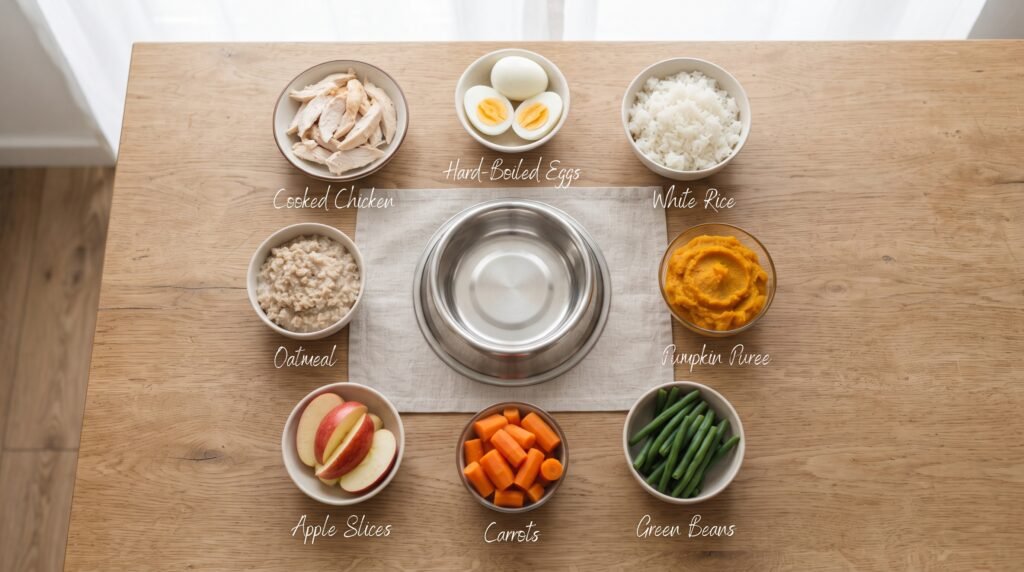
10. Cooked Chicken
Plain cooked chicken is one of the best protein sources for dogs.
Benefits
- Supports muscle growth
- Easy to digest
- Excellent for recovering dogs
Serving Tip
Safe Foods & Dangerous Foods
11. Turkey
Plain cooked turkey is an excellent source of lean protein and can be a healthy addition to your dog’s diet.
Benefits
- High-quality protein for strong muscles
- Rich in B vitamins
- Supports healthy energy levels
Serving Tip
Only serve plain, boneless, skinless cooked turkey. Avoid turkey seasoned with garlic, onions, butter, or gravy, as these ingredients can be harmful to dogs.
12. White Rice
Cooked white rice is often recommended for dogs with upset stomachs because it’s easy to digest.
Benefits
- Gentle on the digestive system
- Provides quick energy
- Can help firm loose stools
Serving Tip
Serve plain cooked rice without salt, butter, or spices. Mix with plain boiled chicken for a simple recovery meal if recommended by your veterinarian.
13. Oatmeal
Oatmeal is a nutritious grain that’s especially helpful for dogs with wheat sensitivities.
Benefits
- Rich in fiber
- Contains iron and B vitamins
- Supports healthy digestion
Serving Tip
Cook oatmeal with water instead of milk and avoid adding sugar, honey, raisins, or artificial sweeteners.
14. Eggs
Cooked eggs are packed with nutrients and are one of the best natural protein sources for dogs.
Benefits
- Excellent protein
- Rich in vitamins D and B12
- Supports healthy skin and coat
Serving Tip
Serve fully cooked scrambled or boiled eggs without oil, butter, salt, or seasoning. Never feed raw eggs due to the risk of bacteria.
15. Plain Yogurt
Plain, unsweetened yogurt contains beneficial probiotics that may support digestive health.
Benefits
- Supports healthy gut bacteria
- Good source of calcium
- Provides protein
Serving Tip
Choose plain yogurt with no added sugar or artificial sweeteners. Avoid products containing xylitol, which is highly toxic to dogs.
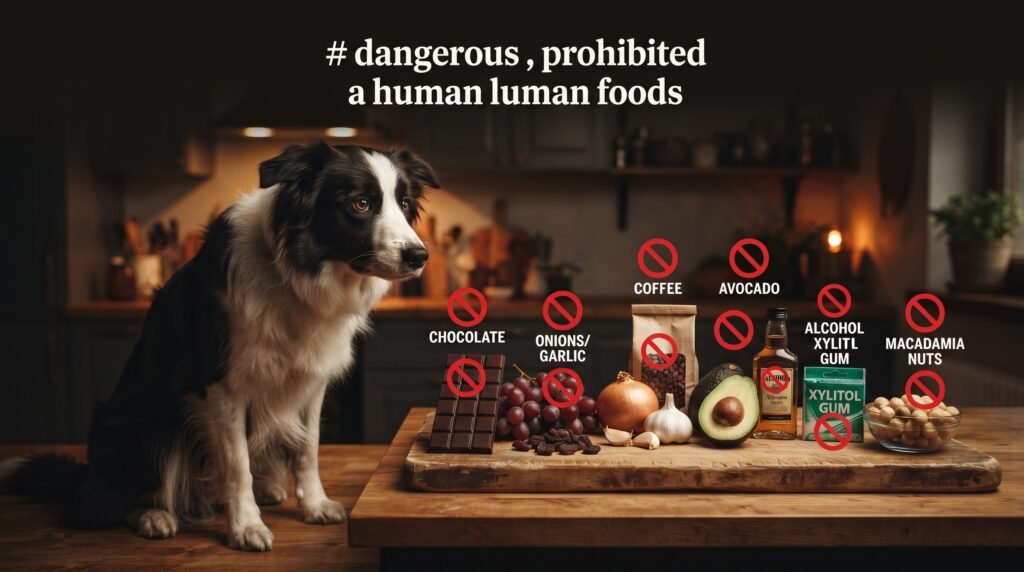
10 Foods You Should Never Feed Your Dog
Even a small amount of certain foods can cause serious health problems. Keep these items out of your dog’s reach at all times.
1. Chocolate
Chocolate contains theobromine and caffeine, both of which dogs cannot process effectively.
Possible Symptoms
- Vomiting
- Diarrhea
- Tremors
- Rapid heartbeat
- Seizures
- Death in severe cases
Emergency Tip: Contact your veterinarian immediately if your dog eats chocolate.
2. Grapes
Even a few grapes can cause sudden kidney failure in some dogs.
Possible Symptoms
- Vomiting
- Weakness
- Loss of appetite
- Dehydration
- Kidney damage
3. Raisins
Raisins are simply dried grapes and are equally dangerous.
Possible Symptoms
- Lethargy
- Vomiting
- Increased thirst
- Kidney failure
Never intentionally feed raisins to your dog.
4. Onions
Onions damage a dog’s red blood cells and may lead to anemia.
Possible Symptoms
- Weakness
- Pale gums
- Fast breathing
- Fatigue
Avoid raw, cooked, powdered, or dehydrated onions.

5. Garlic
Although related to onions, garlic is even more concentrated and can be toxic in moderate amounts.
Possible Symptoms
- Vomiting
- Weakness
- Anemia
- Stomach pain
Garlic powder found in many seasonings is especially dangerous.
6. Avocado
Avocados contain persin, a compound that can upset a dog’s stomach. The large pit also poses a choking hazard and may block the intestines.
Possible Symptoms
- Vomiting
- Diarrhea
- Stomach discomfort
7. Alcohol
Dogs are extremely sensitive to alcohol.
Even small amounts can affect the nervous system.
Possible Symptoms
- Difficulty breathing
- Vomiting
- Loss of coordination
- Coma
Never allow dogs access to alcoholic drinks or foods made with alcohol.
8. Xylitol
Xylitol is an artificial sweetener commonly found in sugar-free gum, candy, baked goods, and some peanut butter brands.
Possible Symptoms
- Sudden drop in blood sugar
- Weakness
- Seizures
- Liver failure
Always check ingredient labels before sharing any human food.
9. Macadamia Nuts
Macadamia nuts are highly toxic to dogs, though the exact cause isn’t fully understood.
Possible Symptoms
- Tremors
- Weakness
- Fever
- Vomiting
- Difficulty walking
10. Coffee and Caffeine
Coffee, tea, energy drinks, and caffeine-containing products can overstimulate a dog’s nervous system.
Possible Symptoms
- Restlessness
- Rapid heartbeat
- Tremors
- Seizures
How to Safely Introduce Human Foods to Your Dog
Even healthy foods should be introduced carefully. A sudden change in diet can upset your dog’s stomach, so it’s important to start slowly and monitor your pet for any signs of discomfort.
1. Start With Small Portions
Offer only a small bite of a new food the first time. Wait 24 hours before giving more to check for any digestive issues or allergic reactions.
2. Feed One New Food at a Time
Introducing multiple new foods at once makes it difficult to identify the cause if your dog experiences vomiting, diarrhea, or itching.
3. Avoid Seasonings
Many human recipes contain ingredients that are unsafe for dogs.
Never add:
- Salt
- Garlic
- Onion
- Butter
- Pepper
- Chili powder
- Sauces
- Cooking oils in large amounts
Plain, cooked food is always the safest choice.
4. Watch Portion Sizes
Human foods should be treats—not meal replacements.
A good rule is:
- 90% of your dog’s daily calories should come from a complete and balanced dog food.
- 10% or less should come from treats or safe human foods.
Overfeeding can lead to obesity and digestive problems.
5. Monitor for Allergic Reactions
After trying a new food, watch your dog for:
- Vomiting
- Diarrhea
- Excessive scratching
- Swelling around the face
- Difficulty breathing
- Lethargy
If you notice severe symptoms, contact your veterinarian immediately.
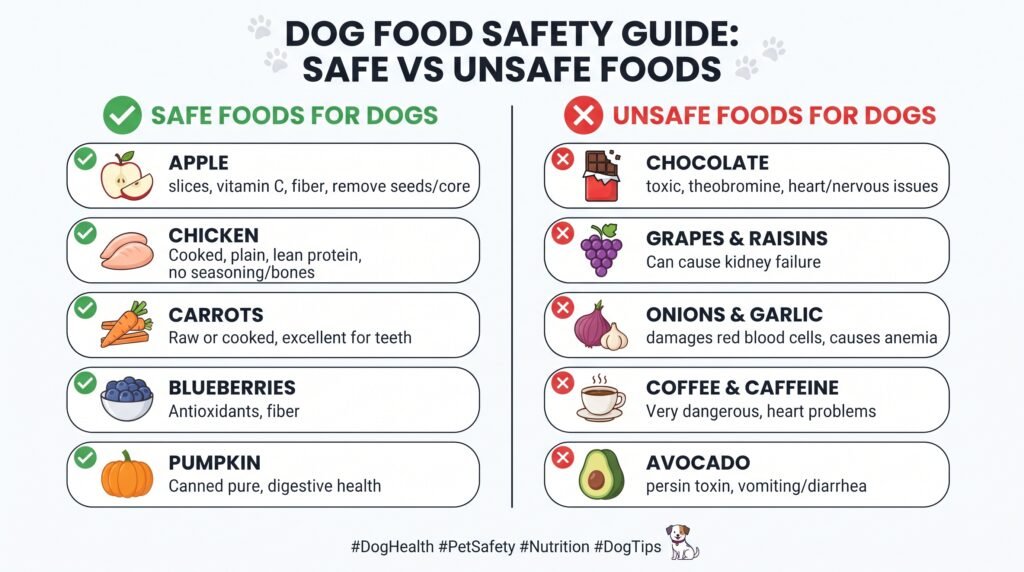
Quick Reference: Safe vs. Unsafe Foods
| ✅ Safe Foods | ❌ Unsafe Foods |
|---|---|
| Apples (without seeds) | Chocolate |
| Blueberries | Grapes |
| Bananas | Raisins |
| Carrots | Onions |
| Pumpkin | Garlic |
| Sweet Potatoes | Xylitol |
| Green Beans | Alcohol |
| Cucumbers | Macadamia Nuts |
| Watermelon (without seeds & rind) | Coffee & Caffeine |
| Cooked Chicken | Avocado |
| Turkey | |
| White Rice | |
| Oatmeal | |
| Eggs | |
| Plain Yogurt |
Frequently Asked Questions
Can dogs eat peanut butter?
Yes, as long as it is plain peanut butter that does not contain xylitol. Always check the ingredient list before offering it to your dog.
Can dogs eat cheese?
Many dogs can eat small amounts of plain cheese, but some are lactose intolerant. Offer only occasionally and in moderation.
Can dogs eat bananas every day?
Bananas are safe, but because they contain natural sugars, they should be an occasional treat rather than a daily snack.
Can dogs eat eggs?
Yes. Fully cooked eggs are an excellent source of protein, vitamins, and healthy fats. Avoid feeding raw eggs.
Can puppies eat human food?
Puppies can eat some safe human foods in small amounts, but they need a balanced puppy diet for proper growth. Consult your veterinarian before making significant dietary changes.
Can dogs eat bread?
Plain bread is generally safe in small amounts, but it provides little nutritional value. Avoid bread containing raisins, garlic, onions, or xylitol.
What should I do if my dog eats a toxic food?
Stay calm and act quickly. Remove any remaining food, note approximately how much was eaten, and contact your veterinarian or an emergency animal poison service immediately. Early treatment can make a significant difference.

Final Thoughts
Sharing food with your dog can be a fun way to bond, but it’s important to know which foods are safe and which are dangerous. Many fruits, vegetables, and lean proteins can be healthy treats when served plain and in moderation, while foods like chocolate, grapes, onions, and xylitol should always be avoided.
When introducing any new food, start with a small amount, monitor your dog for any unusual reactions, and remember that treats should only make up a small portion of your pet’s daily diet. A complete, balanced dog food should remain the foundation of your dog’s nutrition.
By following these simple guidelines, you can confidently choose healthy treats that support your dog’s well-being while avoiding common household foods that could put their health at risk.
SEO Extras
Suggested Internal Links
- Best Dog Breeds for Families
- Puppy Care Guide for New Owners
- How to Train a Puppy at Home
- Common Dog Health Problems Every Owner Should Know
- Best Interactive Dog Toys for Mental Stimulation
Suggested External References
- American Veterinary Medical Association (AVMA)
- American Kennel Club (AKC)
- ASPCA Animal Poison Control
- World Small Animal Veterinary Association (WSAVA)

hammadniazi6663@gmail.com
Contributor at PetZuoo, publishing practical information for pet owners and animal lovers.
Related guides

Why Do Dog Tilt Their Heads? 9 Fascinating Reason
Why Do Dog Tilt Their Heads? 9 Fascinating Reason Behind This Adorable Behavior. Have you ever spoken to your dog and watched…
What You Should Know About Pet Rabbit Care
What You Should Know About Pet Rabbit Care, Rabbits are quiet, cute and surprisingly full of personality. They can learn routines, recognize…
Why Do Dogs Eat Grass? 9 Surprising Causes & Solutions
Why Do Dogs Eat Grass? 9 Surprising Causes & Solutions and Why Do Dogs Eat Grass? 9 Causes and What Every Dog…