Why Do Cats Knead? 9 Surprising Reasons Your Cat Makes Biscuits
Have you ever been relaxing on the couch when your cat suddenly climbs onto your lap and starts rhythmically pressing their paws into your legs? Maybe your cat kneads a soft blanket before taking a nap or even “makes biscuits” on your favorite sweater. While this adorable behavior may seem strange, it is one of the most common and fascinating habits in the feline world.
Cat kneading is a natural instinct that starts when kittens are only a few days old. Even though adult cats no longer depend on their mothers for milk, many continue kneading throughout their lives. Scientists and veterinarians believe this behavior is connected to comfort, communication, territory marking, and deep emotional security.
Understanding why your cat kneads can help you build a stronger bond with your pet while recognizing the signs of a happy, healthy cat. In most cases, kneading is completely normal and shows that your cat feels safe around you.
In this guide, you’ll discover the real reasons cats knead, whether you should allow it, and when the behavior might signal something that deserves a closer look.
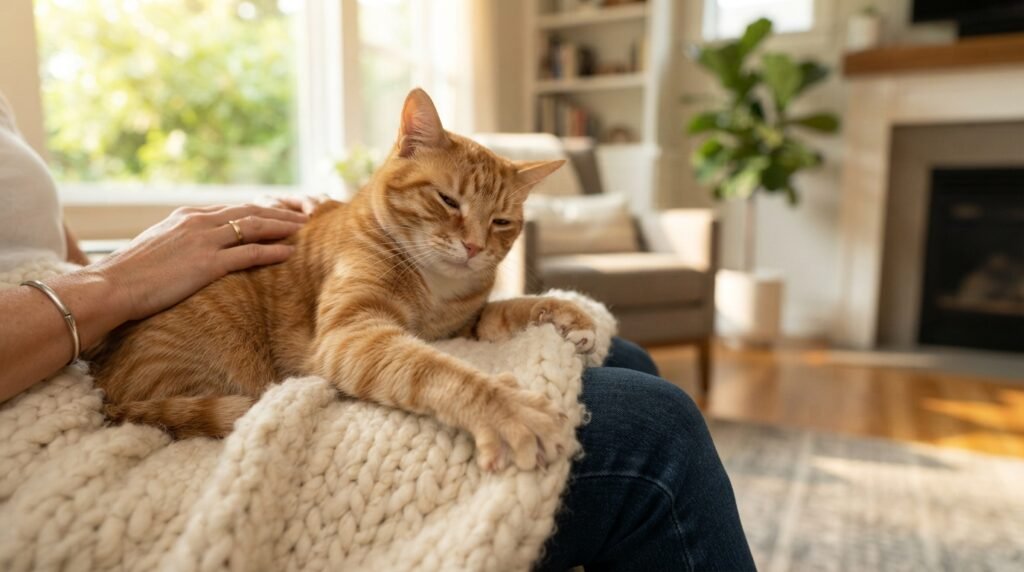
What Is Cat Kneading?
Cat kneading is the repetitive motion of pushing one paw and then the other against a soft surface. It resembles someone kneading bread dough, which is why many cat owners affectionately call it “making biscuits.”
Cats commonly knead:
- Blankets
- Pillows
- Beds
- Their owner’s lap
- Soft clothing
- Other friendly pets
- Plush toys
Some cats purr loudly while kneading. Others drool, close their eyes, or slowly fall asleep during the process. Many gently extend and retract their claws, although some cats keep their claws completely hidden.
Every cat has its own kneading style. Some knead for only a few seconds, while others continue for several minutes before settling down.
Is Kneading Normal?
Absolutely.
Veterinarians consider kneading one of the most normal feline behaviors. It is not a sign that your cat is confused or behaving strangely. In fact, many confident, healthy, and well-socialized cats knead every day.
Some cats knead:
- Every evening before bedtime
- During cuddle sessions
- After eating
- While sitting on their favorite person’s lap
- Whenever they find an especially soft blanket
Other cats rarely knead at all. Both behaviors are perfectly normal.
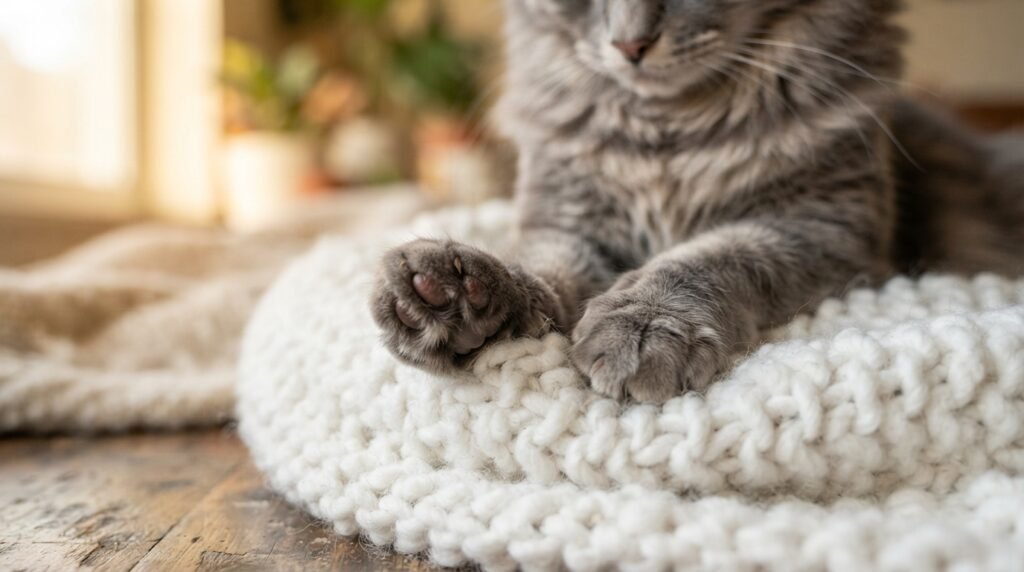
Reason #1: It’s a Comforting Kitten Instinct
The first reason cats knead goes all the way back to kittenhood.
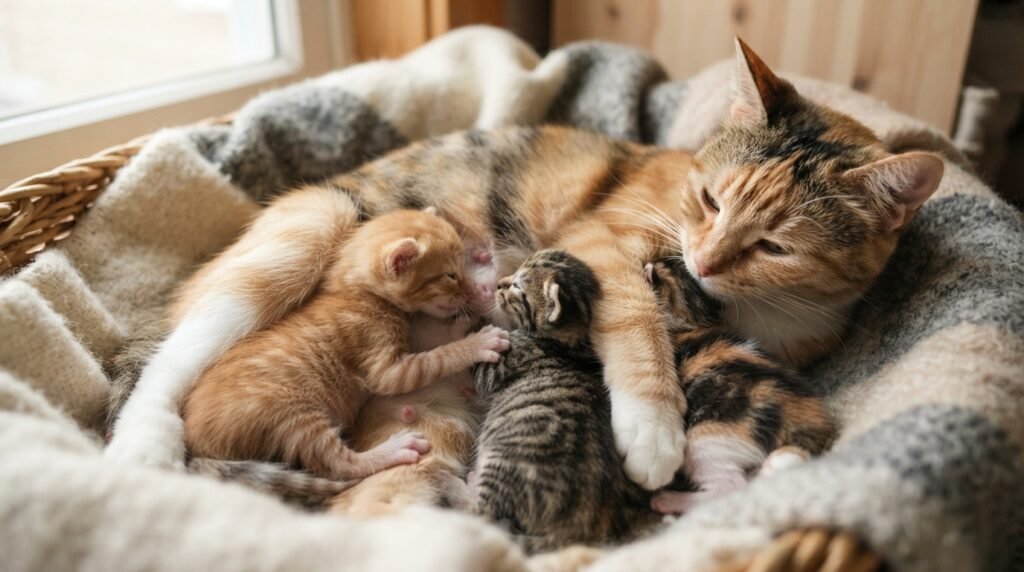
When kittens nurse from their mother, they instinctively press their tiny paws against her belly. This gentle kneading stimulates milk flow, making feeding easier.
During this stage of life, kittens experience:
- Warmth
- Safety
- Food
- Protection
- Love
Because these positive feelings become deeply associated with kneading, many cats continue the habit long after they’ve grown up.
When your adult cat kneads your lap, they aren’t treating you like another cat—they’re expressing the same sense of comfort and security they felt as a kitten.
In many ways, kneading is one of the strongest signs that your cat completely trusts you.
Reason #2: Your Cat Is Marking You as “Safe”
Cats communicate in many ways besides meowing. One of the most important is scent marking.
Your cat’s paw pads contain scent glands that release a unique scent invisible to humans but easily recognized by other cats. When your cat kneads a blanket, bed, or even your lap, they’re leaving behind a comforting scent that says, “This belongs to me” or “This is a safe place.”
This doesn’t mean your cat owns you in a negative way. Instead, it’s a sign of familiarity and trust. Cats often mark the people and places that make them feel secure.
You may notice your cat kneads:
- Your favorite blanket
- Their sleeping bed
- The couch where they nap
- Your lap while you’re relaxing
- A soft sweater that smells like you
These are all places associated with comfort and safety.
Reason #3: They’re Preparing the Perfect Sleeping Spot
Long before cats lived in our homes, their wild ancestors created comfortable resting areas by pressing down grass, leaves, and soft plants.
Many experts believe modern cats still carry this instinct.
When your cat kneads a blanket before curling up for a nap, they’re following an ancient behavior that helped their ancestors create a cozy and secure place to rest.
You’ll often see this sequence:
- Sniff the area.
- Turn around a few times.
- Knead with both front paws.
- Lie down.
- Start purring and fall asleep.
Even indoor cats that have never been outside still display this natural instinct.
Reason #4: Kneading Feels Like a Gentle Stretch
Kneading isn’t just emotionally comforting—it also provides physical benefits.
The repeated motion stretches muscles in the:
- Shoulders
- Front legs
- Paws
- Chest
- Back
Think of it as a gentle morning stretch before settling down.
Many cats knead after:
- Waking from a nap
- Playing
- Climbing a cat tree
- Running around the house
Stretching keeps muscles flexible and helps cats relax before resting again.
Reason #5: It’s Your Cat’s Way of Saying “I Love You”
One of the sweetest reasons cats knead is to show affection.
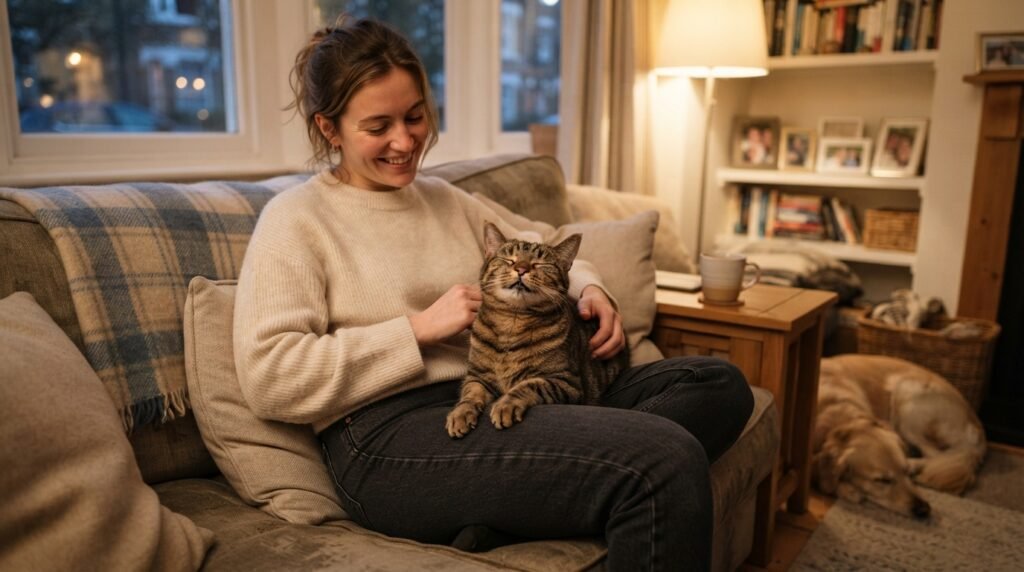
If your cat climbs onto your lap, starts purring, slowly blinks at you, and begins kneading, they’re showing that they feel completely safe in your presence.
Cats don’t express love the same way dogs do. Instead, they show trust through quiet behaviors such as:
- Sitting close to you
- Sleeping beside you
- Following you around the house
- Slow blinking
- Head bunting
- Gentle kneading
When these behaviors happen together, it’s a strong sign your cat sees you as an important part of their world.
If the kneading becomes a little painful because of claws, avoid pushing your cat away abruptly. Instead:
- Place a thick blanket on your lap.
- Keep your cat’s nails trimmed.
- Gently redirect them to a soft cushion if needed.
This lets your cat continue their comforting routine without causing discomfort.
Reason #6: Your Cat Is Relieving Stress
Just as some people tap their fingers or hug a pillow when they’re feeling emotional, cats often knead to relax and reduce stress.
Kneading releases built-up tension and helps many cats feel calm. You may notice your cat kneading after:
- A busy day with visitors
- Moving to a new home
- Returning from the veterinarian
- Hearing loud noises like fireworks or thunderstorms
- Meeting a new pet or family member
If your cat kneads while purring and appears relaxed, it’s usually a healthy coping behavior that helps them feel more secure.
Reason #7: Hormones Can Influence Kneading
Although most kneading has nothing to do with reproduction, hormones can sometimes play a role.
Female cats that are in heat may knead more frequently while also showing behaviors such as:
- Increased vocalization
- Rolling on the floor
- Becoming extra affectionate
- Raising their hindquarters when petted
Male cats may also show increased scent-marking behaviors if they are not neutered.
If your cat is spayed or neutered, hormone-related kneading is generally much less noticeable.
Reason #8: They’re Simply Happy
Sometimes the simplest explanation is the correct one.
Many cats knead because they are genuinely content.
You might notice your cat:
- Purring loudly
- Half-closing their eyes
- Slowly blinking
- Relaxing their body
- Falling asleep shortly afterward
These are all classic signs of a relaxed and happy cat.
If your cat regularly kneads while resting beside you, take it as a compliment—they feel safe, comfortable, and at home.
Reason #9: Every Cat Has a Unique Personality
Not all cats knead, and that’s perfectly normal.
Some cats knead every day, while others may never knead at all.
Several factors can influence this behavior, including:
- Personality
- Early kitten experiences
- Breed tendencies
- Environment
- Individual preferences
A cat that doesn’t knead isn’t necessarily less affectionate. They may simply express love in different ways, such as:
- Following you around
- Sleeping nearby
- Head-butting you
- Grooming your hair or hands
- Greeting you at the door
Every cat has its own unique way of bonding with its family.
Why Do Some Cats Drool While Kneading?
Many owners are surprised when their cat drools while kneading a blanket or their lap.
In most cases, this is completely normal.
Drooling during kneading often happens because the behavior reminds adult cats of nursing from their mother. The combination of comfort, warmth, and relaxation can stimulate the salivary glands.
Occasional drooling while kneading is usually harmless if your cat:
- Eats normally
- Drinks water regularly
- Has healthy teeth and gums
- Acts like their usual self
However, excessive drooling at other times—especially if it’s accompanied by bad breath, difficulty eating, or mouth pain—could indicate a dental or medical issue. In that case, it’s best to schedule a visit with your veterinarian.
Should You Stop Your Cat from Kneading?
In most situations, no.
Kneading is a natural, healthy behavior that helps cats feel safe and relaxed. Instead of discouraging it, try to make it comfortable for both you and your cat.
Here are a few simple tips:
- Place a soft blanket on your lap before your cat settles down.
- Trim your cat’s nails regularly to reduce accidental scratches.
- Never punish your cat for kneading—it can create fear and damage trust.
- Offer cozy blankets or pet beds where your cat can knead comfortably.
Allowing your cat to express this instinct is part of supporting their emotional well-being.

When Could Kneading Be a Sign of a Problem?
Kneading is almost always a normal feline behavior. However, in rare cases, sudden changes in your cat’s habits may deserve attention.
Contact your veterinarian if your cat:
- Suddenly starts kneading excessively and seems unable to stop.
- Cries or appears to be in pain while kneading.
- Develops limping, swollen paws, or bleeding nails.
- Stops eating, drinking, or acting normally.
- Shows signs of illness such as vomiting, lethargy, or hiding along with unusual kneading.
A veterinarian can determine whether the behavior is simply a new habit or related to an underlying health issue.
Frequently Asked Questions (FAQ)
Why does my cat knead me but not anyone else?
Your cat likely has a particularly strong bond with you. Kneading is a sign of trust, comfort, and affection. If your cat chooses your lap, they feel especially safe around you.
Why does my cat knead and purr at the same time?
Purring and kneading often occur together because both are associated with relaxation and contentment. Your cat is expressing that they feel calm and secure.
Why does my cat use its claws when kneading?
Some cats naturally extend their claws during kneading, while others keep them retracted. It’s a normal part of the motion. Keeping your cat’s nails trimmed can make lap kneading more comfortable.
Why does my cat knead blankets every night?
Many cats develop bedtime routines. Kneading before sleep is believed to be an instinctive way of preparing a comfortable resting place and helping themselves relax.
Is kneading more common in certain cat breeds?
Kneading can occur in any breed, including domestic shorthairs, longhairs, and purebred cats. Individual personality and early-life experiences generally have a greater influence than breed alone.
Can kittens and senior cats both knead?
Yes. Kittens knead while nursing, and many continue the behavior throughout adulthood. Senior cats often knead as well, especially when settling into a favorite sleeping spot or cuddling with their owners.
Tips for Cat Owners
To make kneading enjoyable for both you and your cat:
- Keep your cat’s nails trimmed regularly.
- Place a thick blanket on your lap during cuddle time.
- Provide soft blankets and cozy cat beds.
- Reward calm, gentle behavior with praise or petting.
- Never punish your cat for kneading—it’s a natural instinct.
Supporting this behavior helps your cat feel safe and strengthens the bond you share.

Final Thoughts
Kneading is one of the sweetest and most fascinating behaviors cats display. Although it begins as a nursing instinct in kittenhood, adult cats continue kneading for many reasons, including comfort, affection, stretching, scent marking, and relaxation.
Whether your cat kneads your favorite blanket, their bed, or your lap, it’s usually a sign that they feel happy and secure. While occasional claw marks may be inconvenient, this behavior is often one of the clearest ways your cat expresses trust and love.
By understanding why cats knead, you can better appreciate this unique habit and create an environment where your feline companion feels safe, comfortable, and deeply connected to you.
Conclusion
The next time your cat starts “making biscuits,” remember that you’re witnessing a natural behavior rooted in instinct and affection. Instead of wondering why they’re pressing their paws into your lap, take it as a heartfelt compliment—they’ve chosen you as one of their safest places in the world.
A little blanket on your lap and regular nail trims are often all you need to enjoy this adorable ritual together. For most cats, kneading isn’t just a habit—it’s a comforting reminder that they’re home.

hammadniazi6663@gmail.com
Contributor at PetZuoo, publishing practical information for pet owners and animal lovers.
Related guides

Why Do Dog Tilt Their Heads? 9 Fascinating Reason
Why Do Dog Tilt Their Heads? 9 Fascinating Reason Behind This Adorable Behavior. Have you ever spoken to your dog and watched…
What You Should Know About Pet Rabbit Care
What You Should Know About Pet Rabbit Care, Rabbits are quiet, cute and surprisingly full of personality. They can learn routines, recognize…
Why Do Dogs Eat Grass? 9 Surprising Causes & Solutions
Why Do Dogs Eat Grass? 9 Surprising Causes & Solutions and Why Do Dogs Eat Grass? 9 Causes and What Every Dog…