Guide to Keeping Pet Rabbits Healthy and Happy in 2026Rabbits have become one of the world’s most loved companion animals. Their gentle personalities, adorable appearance, and quiet nature make them an excellent choice for families, singles, and even apartment dwellers. However, many first-time owners mistakenly believe rabbits are low-maintenance pets. In reality, they require proper nutrition, daily exercise, regular grooming, and a safe environment to thrive.
This complete pet rabbit care guide will teach you everything you need to know before bringing a bunny home. Whether you’re adopting your first rabbit or improving the life of your current companion, these expert tips will help your furry friend stay healthy and happy.
Why Rabbits Make Great Pets
Rabbits are intelligent, affectionate, and surprisingly social animals. With patience and positive interaction, many rabbits enjoy spending time with their owners and can even learn their names and simple tricks.
Some benefits of keeping rabbits include:
- Quiet companions that rarely make loud noises
- Can be litter trained
- Long lifespan with proper care
- Friendly and gentle personalities
- Suitable for indoor living
- Highly intelligent and curious
- Strong bonds with their owners
Unlike some pets, rabbits enjoy exploring their surroundings and benefit from interactive toys and enrichment activities.
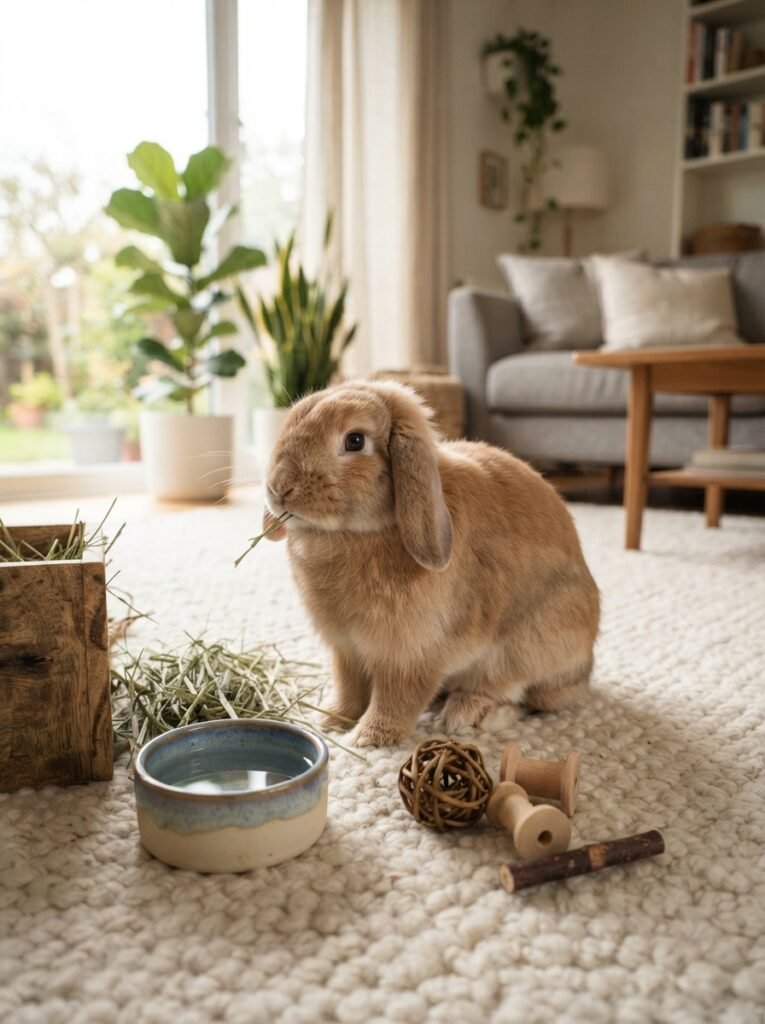
Choosing the Right Rabbit Breed
Not every rabbit breed has the same personality or care requirements. Selecting the right breed depends on your available space, grooming commitment, and experience level.
Holland Lop
One of the most popular breeds.
Weight: 2–4 pounds
Pros:
- Friendly
- Calm
- Great for beginners
Mini Rex
Known for its incredibly soft fur.
Pros:
- Easy grooming
- Curious personality
- Excellent indoor pet
Lionhead Rabbit
Recognized by its fluffy mane around the head.
Pros:
- Very affectionate
- Playful
- Beautiful appearance
Requires extra grooming because of its long fur.
Flemish Giant
The largest domestic rabbit breed.
Pros:
- Gentle giant
- Calm temperament
- Very social
Requires much more living space than smaller breeds.
Setting Up the Perfect Rabbit Home
A rabbit’s living environment greatly impacts its physical and mental health.
Your rabbit enclosure should include:
- Large exercise pen or spacious enclosure
- Soft resting area
- Hay rack
- Water bowl
- Food dish
- Litter box
- Chew toys
- Hideout for security
Avoid keeping rabbits in small cages all day. They need plenty of room to hop, stretch, and explore.
A good rule is that your rabbit should be able to stand fully upright, hop several times, and lie comfortably in any direction.
Indoor vs Outdoor Housing
Most veterinarians recommend keeping rabbits indoors because they are safer from predators, harsh weather, and diseases.
Indoor Rabbits
Advantages:
- Better temperature control
- Easier bonding
- Safer from predators
- Longer average lifespan
- Cleaner environment
Outdoor Rabbits
Possible only with proper protection.
Outdoor rabbits need:
- Weatherproof shelter
- Predator-proof enclosure
- Constant fresh water
- Shade during summer
- Warm bedding during winter
Indoor rabbits generally live healthier and longer lives than outdoor rabbits.
Rabbit Diet Basics
Nutrition is the foundation of rabbit health.
The ideal rabbit diet includes:
80–90% Hay
Hay should always be available.
Best options include:
- Timothy hay
- Orchard grass
- Meadow hay
Hay keeps teeth naturally worn down and supports healthy digestion.
Fresh Vegetables
Offer fresh leafy greens daily, including:
- Romaine lettuce
- Cilantro
- Parsley
- Bok choy
- Basil
- Mint
Always introduce new vegetables gradually.
High-Quality Pellets
Pellets should only make up a small portion of the diet.
Choose pellets that contain:
- High fiber
- No colorful pieces
- No added sugar
- No dried fruit
Adult rabbits generally require only a small daily serving based on their size.The Complete Beginner’s Guide to Keeping Pet Rabbits Healthy and Happy in 2026
The Complete Beginner’s Guide to Keeping Pet Rabbits Healthy and Happy in 2026
Rabbits have become one of the world’s most loved companion animals. Their gentle personalities, adorable appearance, and quiet nature make them an excellent choice for families, singles, and even apartment dwellers. However, many first-time owners mistakenly believe rabbits are low-maintenance pets. In reality, they require proper nutrition, daily exercise, regular grooming, and a safe environment to thrive.
This complete pet rabbit care guide will teach you everything you need to know before bringing a bunny home. Whether you’re adopting your first rabbit or improving the life of your current companion, these expert tips will help your furry friend stay healthy and happy.
Why Rabbits Make Great Pets
Rabbits are intelligent, affectionate, and surprisingly social animals. With patience and positive interaction, many rabbits enjoy spending time with their owners and can even learn their names and simple tricks.
Some benefits of keeping rabbits include:
- Quiet companions that rarely make loud noises
- Can be litter trained
- Long lifespan with proper care
- Friendly and gentle personalities
- Suitable for indoor living
- Highly intelligent and curious
- Strong bonds with their owners
Unlike some pets, rabbits enjoy exploring their surroundings and benefit from interactive toys and enrichment activities.
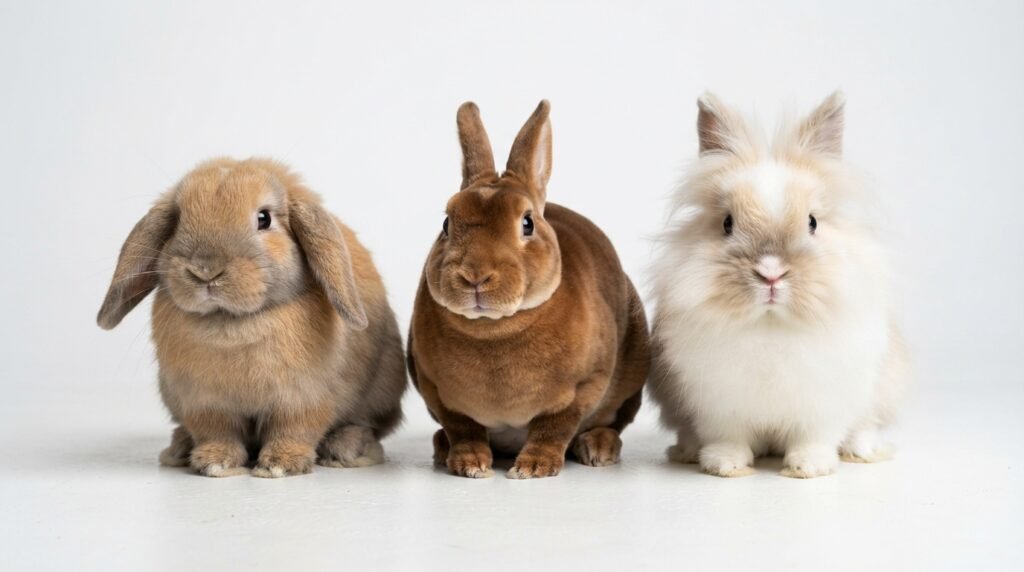
Choosing the Right Rabbit Breed
Not every rabbit breed has the same personality or care requirements. Selecting the right breed depends on your available space, grooming commitment, and experience level.
Holland Lop
One of the most popular breeds.
Weight: 2–4 pounds
Pros:
- Friendly
- Calm
- Great for beginners
Mini Rex
Known for its incredibly soft fur.
Pros:
- Easy grooming
- Curious personality
- Excellent indoor pet
Lionhead Rabbit
Recognized by its fluffy mane around the head.
Pros:
- Very affectionate
- Playful
- Beautiful appearance
Requires extra grooming because of its long fur.
Flemish Giant
The largest domestic rabbit breed.
Pros:
- Gentle giant
- Calm temperament
- Very social
Requires much more living space than smaller breeds.
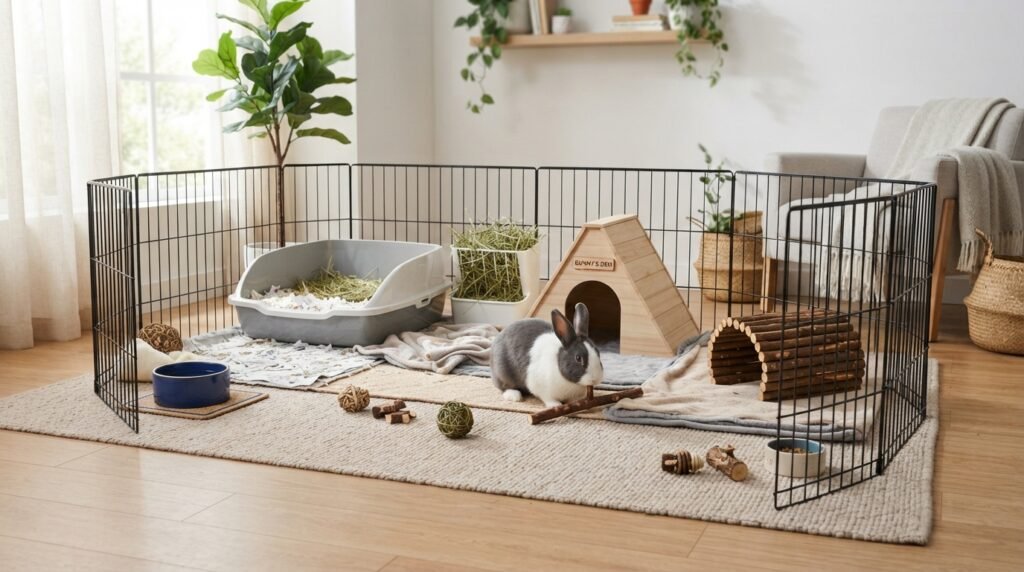
Setting Up the Perfect Rabbit Home
A rabbit’s living environment greatly impacts its physical and mental health.
Your rabbit enclosure should include:
- Large exercise pen or spacious enclosure
- Soft resting area
- Hay rack
- Water bowl
- Food dish
- Litter box
- Chew toys
- Hideout for security
Avoid keeping rabbits in small cages all day. They need plenty of room to hop, stretch, and explore.
A good rule is that your rabbit should be able to stand fully upright, hop several times, and lie comfortably in any direction.
Indoor vs Outdoor Housing
Most veterinarians recommend keeping rabbits indoors because they are safer from predators, harsh weather, and diseases.
Indoor Rabbits
Advantages:
- Better temperature control
- Easier bonding
- Safer from predators
- Longer average lifespan
- Cleaner environment
Outdoor Rabbits
Possible only with proper protection.
Outdoor rabbits need:
- Weatherproof shelter
- Predator-proof enclosure
- Constant fresh water
- Shade during summer
- Warm bedding during winter
Indoor rabbits generally live healthier and longer lives than outdoor rabbits.
Rabbit Diet Basics
Nutrition is the foundation of rabbit health.
The ideal rabbit diet includes:
80–90% Hay
Hay should always be available.
Best options include:
- Timothy hay
- Orchard grass
- Meadow hay
Hay keeps teeth naturally worn down and supports healthy digestion.
Fresh Vegetables
Offer fresh leafy greens daily, including:
- Romaine lettuce
- Cilantro
- Parsley
- Bok choy
- Basil
- Mint
Always introduce new vegetables gradually.
High-Quality Pellets
Pellets should only make up a small portion of the diet.
Choose pellets that contain:
- High fiber
- No colorful pieces
- No added sugar
- No dried fruit
Adult rabbits generally require only a small daily serving based on their size.
Safe Foods, Grooming, Exercise, and Litter Training
Safe Fruits for Rabbits
Fruit should be considered an occasional treat because it contains natural sugars. Too much fruit can lead to weight gain and digestive issues.
Offer small portions of these fruits:
- Apple (remove seeds)
- Banana
- Blueberries
- Strawberries
- Raspberries
- Pear
- Peach (remove pit)
- Watermelon (seedless)
- Papaya
- Pineapple
A good guideline is to offer fruit only 1–2 times per week in small amounts.

Vegetables Rabbits Can Eat Daily
Leafy greens provide important vitamins, minerals, and hydration.
Excellent daily choices include:
- Romaine lettuce
- Green leaf lettuce
- Cilantro
- Parsley
- Dill
- Basil
- Mint
- Bok choy
- Endive
- Dandelion greens
Rotate vegetables throughout the week to provide variety.
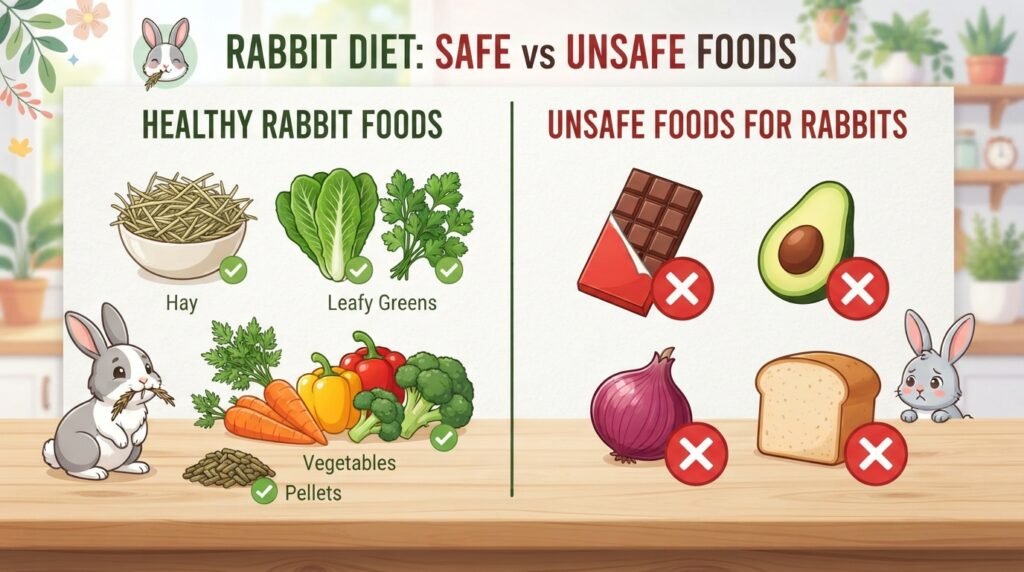
Foods Rabbits Should Never Eat
Some foods are toxic or harmful to rabbits.
Avoid feeding:
- Chocolate
- Onions
- Garlic
- Avocado
- Rhubarb
- Iceberg lettuce
- Potatoes
- Corn
- Bread
- Crackers
- Cookies
- Chips
- Candy
- Dairy products
- Meat
- Sugary cereals
If your rabbit accidentally eats a toxic food, contact a rabbit-savvy veterinarian immediately.
Fresh Water Is Essential
Rabbits should always have access to clean, fresh water.
Many owners prefer heavy ceramic bowls because rabbits tend to drink more naturally from a bowl than from a bottle.
Tips:
- Replace water daily.
- Wash bowls every day.
- Check water several times in hot weather.
- Never allow the bowl to become empty.
Proper hydration supports healthy digestion and helps prevent urinary problems.
Grooming Your Rabbit
Regular grooming keeps your rabbit comfortable and helps prevent health problems.
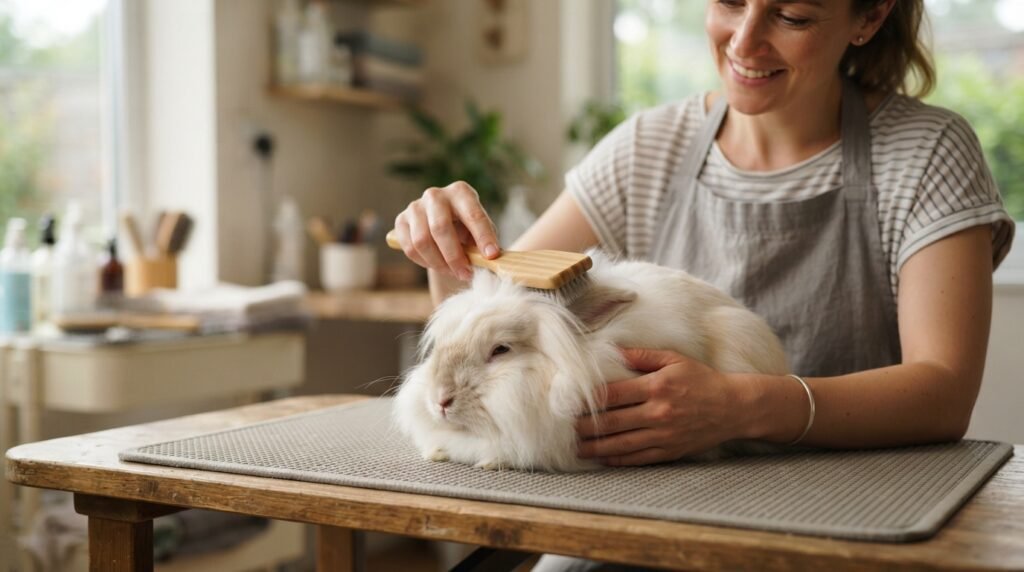
Brushing
Long-haired rabbits should be brushed every day.
Short-haired rabbits usually need brushing once or twice a week.
Brushing helps remove loose fur and reduces the risk of hair ingestion during grooming.
Nail Trimming
Rabbit nails continue growing throughout life.
Trim nails every 4–8 weeks, depending on growth.
If you’re unsure how to trim nails safely, ask your veterinarian or a professional groomer to demonstrate.
Dental Care
Rabbit teeth never stop growing.
To keep them healthy, provide:
- Unlimited hay
- Safe wooden chew toys
- Cardboard tunnels
- Natural chew sticks
Watch for signs of dental problems, such as drooling, difficulty eating, weight loss, or overgrown teeth.
Exercise and Enrichment

Rabbits are active animals that need daily exercise to stay physically fit and mentally stimulated.
Aim for at least 3–4 hours of supervised exercise outside the enclosure each day in a rabbit-proofed area.
Fun enrichment ideas include:
- Cardboard boxes with entrances
- Tunnels
- Digging boxes filled with shredded paper
- Willow balls
- Untreated wooden chew toys
- Food puzzle toys
- Stacking cups
- Paper towel rolls stuffed with hay
Changing toys regularly helps keep your rabbit interested and prevents boredom.
Rabbit-Proofing Your Home
Before allowing free-roam time, make your home safe.
Protect your rabbit by:
- Covering electrical cords
- Removing toxic houseplants
- Blocking small gaps behind furniture
- Keeping cleaning chemicals out of reach
- Storing medications securely
- Protecting wooden furniture from chewing
- Closing toilet lids
- Removing small objects that could be swallowed
A rabbit-proofed environment reduces the risk of injuries and destructive chewing.
Litter Training Your Rabbit
Rabbits are naturally clean animals, making litter training easier than many people expect.
Step 1: Choose the Right Litter Box
Select a box large enough for your rabbit to comfortably turn around and stretch.
Step 2: Use Rabbit-Safe Litter
Good options include:
- Paper-based litter
- Aspen shavings
- Compressed paper pellets
Avoid:
- Clay cat litter
- Clumping litter
- Cedar shavings
- Pine shavings
Step 3: Add Hay Nearby
Place fresh hay beside or above the litter box. Rabbits often enjoy eating while using the litter box, which encourages consistent habits.
Step 4: Reward Good Behavior
Whenever your rabbit uses the litter box, reward them with gentle praise or a small healthy treat. Positive reinforcement helps establish the habit.
Rabbit Behavior, Health Problems, and Common Beginner Mistakes
Understanding Rabbit Behavior
Rabbits communicate through body language. Learning what their actions mean helps you build trust and recognize when something is wrong.
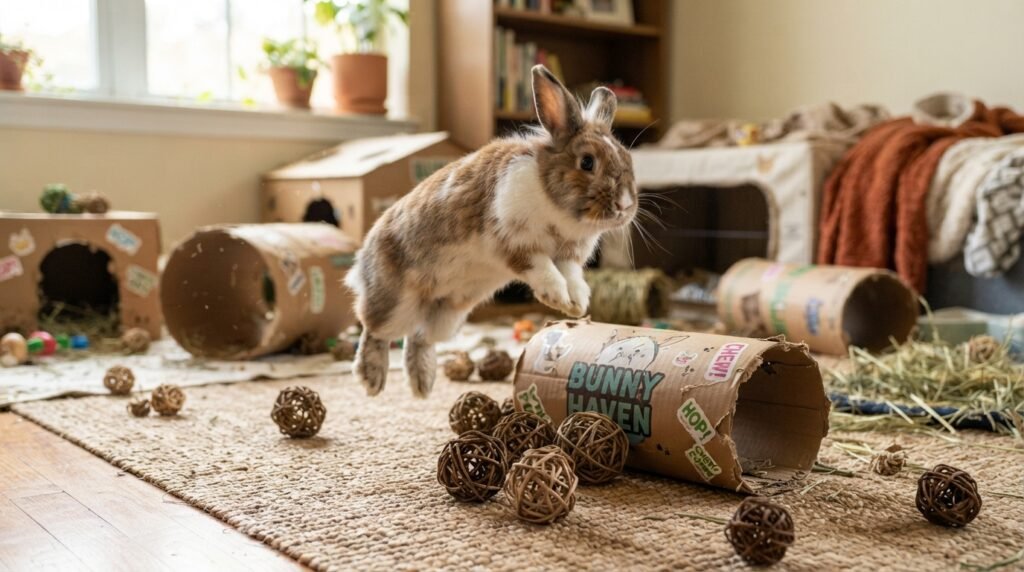
The “Binky”
A binky is a joyful jump where a rabbit leaps into the air, twists its body, and lands excitedly. This is one of the clearest signs that your rabbit is happy and feels safe.
Nose Nudging
If your rabbit gently nudges you with its nose, it may be asking for attention, pets, or requesting that you move out of its way.
Tooth Purring
Soft, gentle teeth grinding often means your rabbit is relaxed and content, especially while being petted.
Loud Teeth Grinding
Loud or harsh grinding can indicate pain or discomfort. If accompanied by loss of appetite or hiding, contact a veterinarian promptly.
Thumping
Rabbits thump their back feet to warn of danger or express fear and frustration.
Flopping
When a rabbit suddenly falls onto its side, it usually means it is completely relaxed. This behavior is normal and shows your rabbit feels secure.
Common Rabbit Health Problems
Early detection can make a significant difference in treatment. Watch for these common conditions.
Dental Disease
Because rabbit teeth grow continuously, they can become overgrown if they don’t wear down naturally.
Signs include:
- Drooling
- Difficulty eating
- Weight loss
- Wet chin
- Reduced appetite
Providing unlimited hay and safe chew toys helps prevent many dental issues.
Gastrointestinal (GI) Stasis
GI stasis is one of the most serious emergencies for rabbits. It occurs when the digestive system slows or stops.
Symptoms include:
- Not eating
- Very small or no droppings
- Lethargy
- Bloated abdomen
- Hunched posture
Seek veterinary care immediately if you suspect GI stasis.
Ear Mites
Ear mites can cause irritation and infection.
Common signs:
- Excessive scratching
- Head shaking
- Crusty buildup inside the ears
- Redness
Treatment should always be prescribed by a veterinarian.
Respiratory Infections
A rabbit with a respiratory infection may have:
- Sneezing
- Runny nose
- Watery eyes
- Difficulty breathing
- Reduced activity
Prompt treatment is important to prevent complications.
Obesity
Overfeeding pellets and treats while providing too little exercise can lead to obesity.
Healthy rabbits should:
- Exercise daily
- Eat mostly hay
- Receive treats in moderation
- Maintain a healthy body condition
Signs Your Rabbit Needs Immediate Veterinary Care
Contact a rabbit-experienced veterinarian if your rabbit:
- Stops eating for several hours
- Produces no droppings
- Has severe diarrhea
- Bleeds
- Has difficulty breathing
- Cannot stand normally
- Shows signs of severe pain
- Experiences sudden paralysis
- Suffers a serious injury
Rabbits often hide illness, so even subtle changes in behavior should be taken seriously.
Indoor vs. Outdoor Rabbits: Which Is Better?
Indoor Rabbits
Advantages:
- Better protection from predators
- Stable temperatures year-round
- Easier health monitoring
- Stronger bond with family members
- Lower risk of parasites and disease
Outdoor Rabbits
If kept outdoors, rabbits require:
- A predator-proof enclosure
- Protection from extreme heat and cold
- Constant access to shade and fresh water
- Secure shelter from rain and wind
- Daily interaction and supervision
For most pet owners, indoor housing provides the safest and healthiest environment.
10 Common Mistakes New Rabbit Owners Make
Avoid these beginner mistakes to give your rabbit the best possible life.
- Feeding too many pellets instead of hay.
- Keeping rabbits in small cages all day.
- Skipping regular veterinary checkups.
- Ignoring dental health.
- Feeding unsafe foods like chocolate or avocado.
- Not providing enough exercise.
- Using unsafe bedding or litter.
- Forgetting to rabbit-proof the home.
- Buying a rabbit without researching its needs.
- Assuming rabbits are low-maintenance pets.
Building Trust With Your Rabbit
Rabbits may be shy at first, but patience helps them become confident companions.
Ways to earn your rabbit’s trust:
- Sit quietly on the floor during playtime.
- Let your rabbit approach you first.
- Offer healthy treats occasionally.
- Avoid chasing or grabbing your rabbit.
- Speak in a calm, gentle voice.
- Maintain a consistent daily routine.
- Handle your rabbit carefully and support its body properly.
With time and positive interactions, many rabbits become affectionate and enjoy spending time with their owners.
FAQ, Final Tips, and Conclusion
Frequently Asked Questions (FAQ)
How long do pet rabbits live?
With proper nutrition, regular veterinary care, and a safe indoor environment, most pet rabbits live 8–12 years. Some well-cared-for rabbits can live even longer.
Can rabbits be left alone all day?
Rabbits should not be left alone for long periods. They need fresh food and water, daily exercise, social interaction, and regular health checks. If you’ll be away for more than a day, arrange for a knowledgeable pet sitter.
Are rabbits good pets for children?
Rabbits can be wonderful family pets, but young children should always be supervised. Rabbits have delicate bones and may become stressed by rough handling. Teaching children how to interact gently is essential.
Do rabbits need vaccinations?
Vaccination recommendations vary by country and region. Ask a rabbit-experienced veterinarian which vaccines are appropriate where you live.
How often should I clean a rabbit’s enclosure?
- Spot-clean the litter box every day.
- Replace soiled bedding as needed.
- Thoroughly clean the enclosure once a week.
- Wash food and water bowls daily.
A clean habitat helps prevent odors, parasites, and illness.
Can rabbits live with other pets?
Rabbits can sometimes coexist with calm, well-trained pets, but introductions must be slow and closely supervised. Never leave a rabbit alone with a dog or cat unless you are completely confident it is safe.
What toys do rabbits enjoy?
Rabbits love toys that encourage chewing, digging, and exploring, such as:
- Willow balls
- Cardboard tunnels
- Untreated wood chews
- Digging boxes
- Hay-filled paper rolls
- Puzzle feeders
- Stacking cups
Rotate toys regularly to keep your rabbit mentally stimulated.
Do rabbits recognize their owners?
Yes. Rabbits can recognize familiar voices, scents, and routines. Many will greet their owners, follow them around, or ask for gentle pets once trust has been built.
Quick Rabbit Care Checklist
Use this simple checklist every day:
✅ Unlimited fresh hay available
✅ Clean drinking water
✅ Fresh leafy greens
✅ Measured amount of quality pellets
✅ Safe exercise area
✅ Clean litter box
✅ Daily interaction and playtime
✅ Check for signs of illness or injury
✅ Fresh chew toys
✅ Quiet, comfortable resting space
Following this routine helps keep your rabbit healthy, active, and content.
Final Tips for New Rabbit Owners
Becoming a rabbit owner is a long-term commitment. These intelligent animals thrive when they receive proper nutrition, mental stimulation, and plenty of love.
Remember these essentials:
- Feed mostly high-quality hay.
- Provide daily exercise and enrichment.
- Schedule routine veterinary checkups.
- Rabbit-proof your home before free-roam time.
- Learn to recognize normal and abnormal behavior.
- Groom your rabbit regularly.
- Keep stress to a minimum with a consistent routine.
- Spend time bonding every day.
Even small improvements to your rabbit’s environment can make a big difference in its overall health and happiness.
Conclusion
Rabbits are affectionate, intelligent companions that reward patient owners with years of friendship. While they require more care than many people expect, meeting their needs is both manageable and rewarding. By providing a balanced diet, a spacious and safe living environment, regular grooming, enrichment, and preventive healthcare, you can help your rabbit enjoy a long, healthy, and happy life.
Whether you’re preparing to adopt your first bunny or looking to improve your current care routine, the advice in this guide will give your rabbit the best possible start.

hammadniazi6663@gmail.com
Contributor at PetZuoo, publishing practical information for pet owners and animal lovers.
Related guides

Why Do Dog Tilt Their Heads? 9 Fascinating Reason
Why Do Dog Tilt Their Heads? 9 Fascinating Reason Behind This Adorable Behavior. Have you ever spoken to your dog and watched…
What You Should Know About Pet Rabbit Care
What You Should Know About Pet Rabbit Care, Rabbits are quiet, cute and surprisingly full of personality. They can learn routines, recognize…
Why Do Dogs Eat Grass? 9 Surprising Causes & Solutions
Why Do Dogs Eat Grass? 9 Surprising Causes & Solutions and Why Do Dogs Eat Grass? 9 Causes and What Every Dog…