Why My Dog Eating Grass? 9 Reasons and When to Worry ,Why My Dog Eating Grass? 9 Reasons and When to Worry or in the backyard can be confusing. You may wonder, “Why is my dog eating grass?” Is it simply a strange habit, or could it be a sign that something is wrong?
The good news is that grass eating is relatively common among dogs. Many dogs occasionally eat grass and continue behaving normally afterward. However, frequent or excessive grass eating—especially when accompanied by vomiting, diarrhea, low energy, appetite changes, or other unusual symptoms—deserves more attention.
Understanding why dogs eat grass can help you decide whether the behavior is harmless or whether it is time to contact your veterinarian.

Why Do Dogs Eat Grass?
There is no single explanation for why every dog eats grass. Dogs may do it for behavioral, dietary, environmental, or instinctive reasons.
1. Your Dog Simply Likes the Taste
Some dogs genuinely enjoy eating grass.
Fresh grass can have an appealing texture and taste, particularly in spring or after rainfall when it is young and tender. Dogs explore much of their environment with their mouths, so eating a few blades of grass may simply be another form of exploration.
If your dog occasionally eats a small amount of clean grass and otherwise acts completely normal, there may be no reason to panic.
2. Natural Foraging Behavior
Dogs have inherited many behaviors from their wild ancestors, including searching for and consuming different types of plant material.
Although domestic dogs receive complete nutrition from commercial food, their natural curiosity and foraging instincts can remain. Sniffing around the yard, investigating plants, and occasionally chewing grass can therefore be normal canine behavior.
This is particularly noticeable in dogs that enjoy exploring outdoors.
3. Boredom or Lack of Stimulation
Sometimes grass eating is less about hunger and more about having something to do.
A dog that does not receive enough physical activity, playtime, training, or mental stimulation may develop repetitive behaviors. Grass chewing can become an easy activity when a dog is outside with nothing else to occupy its attention.
Providing regular walks, interactive toys, scent games, obedience training, and supervised play can help keep your dog mentally engaged.
4. An Upset Stomach
One of the most common explanations people associate with grass eating is stomach discomfort.
However, it is important not to assume that every dog eating grass has an upset stomach. Research and veterinary observations suggest that vomiting after grass eating is not universal, and many dogs eat grass without becoming sick.
If your dog suddenly starts eating unusually large amounts of grass and also develops vomiting, diarrhea, excessive drooling, abdominal discomfort, loss of appetite, or unusual tiredness, the combination is more concerning than grass eating alone.
Is Eating Grass Normal for Dogs?
Occasional grass eating can be normal, especially when your dog:
- Eats only a small amount
- Has normal energy levels
- Is eating and drinking normally
- Has normal bowel movements
- Shows no signs of pain
- Does not repeatedly vomit
- Behaves normally after eating grass
The important thing is to look at the whole picture, rather than judging the behavior by itself.
A dog that eats a few blades of grass during a walk and then happily continues playing is very different from a dog that suddenly spends long periods desperately eating grass and appears uncomfortable afterward.

When Should You Pay More Attention?
Grass eating becomes more concerning when it represents a sudden change in your dog’s normal behavior.
For example, contact your veterinarian if your dog repeatedly eats large quantities of grass along with symptoms such as persistent vomiting, diarrhea, weakness, loss of appetite, abdominal pain, bloating, blood in vomit or stool, or significant changes in behavior.
Also pay attention to the environment. Grass treated with certain lawn chemicals, pesticides, herbicides, fertilizers, or other substances may pose a risk to dogs.
For safety, prevent your dog from eating grass when you do not know how the lawn has been treated.
What We’ll Cover Next
Grass eating itself does not automatically mean your dog is sick. In many cases, it may simply be an ordinary canine behavior.
But there are several different reasons a dog may suddenly become interested in grass, and understanding those reasons can help you recognize when the behavior is harmless and when it deserves veterinary attention.
5. Dietary Needs or Hunger
Another possible reason your dog eats grass is simple hunger or a desire to chew on something between meals.
Dogs that are hungry may investigate plants and other objects outdoors. However, eating grass does not automatically mean your dog has a nutritional deficiency. If your dog is eating a complete and balanced diet appropriate for its age and size, grass eating alone is not enough evidence that a nutrient is missing.
If you notice your dog is constantly hungry, losing weight, developing a dull coat, or showing other changes despite eating normally, speak with your veterinarian rather than adding supplements on your own.
6. Anxiety or Stress
Stress can influence many canine behaviors, including chewing, licking, pacing, and repetitive eating.
A dog may eat grass during situations that make it nervous, such as unfamiliar environments, loud noises, changes at home, or being around unfamiliar people or animals.
Look for patterns. Does your dog eat grass mainly during stressful walks? Does it happen after a frightening noise? Does your dog also pant excessively, hide, tremble, pace, or repeatedly lick its lips?
If several stress-related behaviors appear together, addressing the underlying anxiety may be more helpful than simply stopping the grass eating.
7. Attention-Seeking Behavior
Dogs quickly learn which behaviors get a reaction from their owners.
If your dog grabs a mouthful of grass and you immediately chase after it, shout, or repeatedly pull it away, your dog may learn that eating grass creates an exciting interaction.
This does not mean your dog is deliberately misbehaving. Instead, it may have discovered that the behavior produces attention.
Try calmly redirecting your dog toward a toy, training exercise, or another safe activity instead of creating a dramatic reaction.
8. Curiosity and Exploration
Dogs experience the world through their senses, particularly their incredibly sensitive sense of smell.
A patch of grass can contain interesting scents from other animals, insects, food particles, and the surrounding environment. Your dog may sniff, lick, and chew the grass simply because it is investigating something interesting.
Puppies and young dogs are especially curious and may experiment with many things they encounter outside.
Supervision and positive training can help teach your dog which outdoor objects are safe to investigate and which should be left alone.
9. Habit or Repetitive Behavior
Sometimes grass eating simply becomes a habit.
A dog may begin eating grass occasionally and eventually turn it into part of its normal outdoor routine. If the behavior is mild and your dog remains healthy, it may not indicate a serious problem.
However, repetitive behaviors can occasionally become excessive. If your dog spends a large portion of every outdoor trip searching for and consuming grass, try increasing enrichment and redirecting the behavior.
Why Does My Dog Eat Grass and Then Vomit?
This is one of the biggest concerns for dog owners.
Some dogs may vomit after eating grass, but that does not prove that they intentionally ate grass to make themselves vomit.
Vomiting can have many causes, including dietary indiscretion, gastrointestinal irritation, infections, parasites, toxins, and other medical conditions.
If your dog vomits once and quickly returns to normal, you can monitor closely. But repeated vomiting or vomiting accompanied by other concerning symptoms should not simply be blamed on grass eating.
Signs That Deserve Veterinary Attention
Contact your veterinarian if grass eating occurs alongside:
- Repeated or persistent vomiting
- Severe or ongoing diarrhea
- Loss of appetite
- Extreme tiredness or weakness
- Signs of abdominal pain
- A swollen or bloated abdomen
- Blood in vomit or stool
- Excessive drooling
- Difficulty breathing
- Collapse or unusual behavior
- Suspected toxin or chemical exposure
A particularly important warning sign is repeated attempts to vomit without producing anything, especially with abdominal swelling. This can be an emergency.
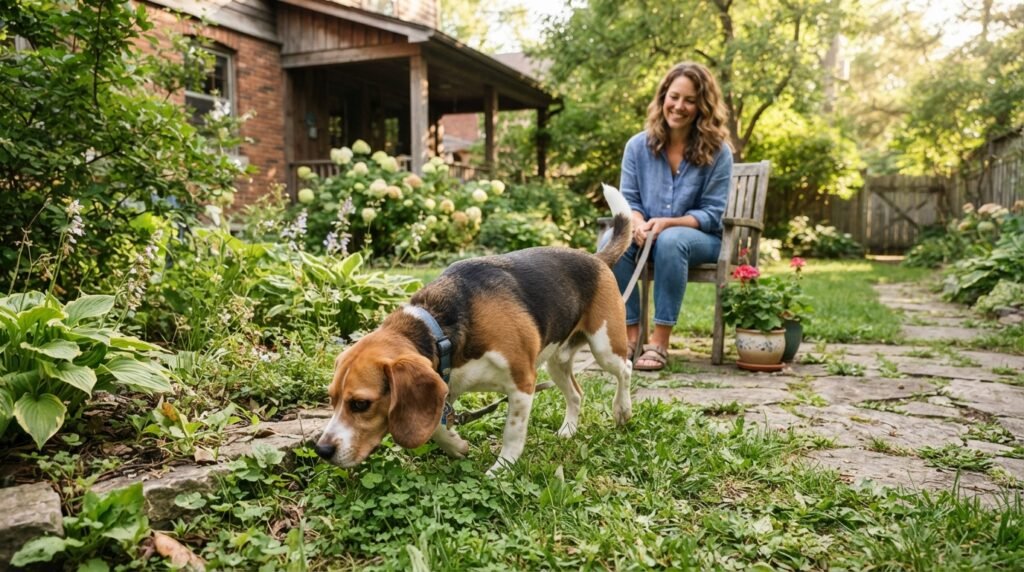
The Bigger Picture Matters
When asking, “Why is my dog eating grass?”, do not focus only on the grass.
Instead, observe your dog’s complete behavior. Is your dog energetic? Eating normally? Drinking normally? Having normal bowel movements? Showing any signs of pain or illness?
If everything else appears normal, occasional grass eating may simply be one of your dog’s quirky outdoor habits.
If the behavior suddenly becomes intense or appears together with illness, it is better to investigate the underlying cause with a veterinarian.
Is Grass Safe for Dogs?
For many healthy dogs, eating a small amount of clean, untreated grass does not cause a problem. However, not all grass is equally safe.
The biggest concern is often not the grass itself but what may be present on or around it.
Before allowing your dog to graze, consider where the grass is located, whether chemicals have been used, and whether other animals regularly use the area.
Avoid Grass Treated With Lawn Chemicals
Fertilizers, herbicides, pesticides, and other lawn products can potentially be harmful to dogs.
If you recently treated your yard, follow the product label carefully and keep your dog away from the area for the recommended period. Never assume that a lawn is safe simply because the grass looks dry or normal.
If you are unsure whether a product is pet-safe, contact the manufacturer or your veterinarian before allowing your dog back onto the treated area.
Be Careful With Public Lawns
Public parks, apartment complexes, sports fields, and other shared green spaces may be treated with products you cannot easily identify.
Other animals may also have used the area, creating additional contamination concerns.
When possible, choose areas where you know the grass is maintained safely and avoid letting your dog eat large amounts of grass during walks.
Can Grass Cause Parasites?
Grass itself is not necessarily a major source of every parasite, but outdoor environments can expose dogs to infectious organisms.
Dogs may encounter parasite eggs, larvae, contaminated feces, or other infectious material while sniffing and eating things outdoors.
Regular veterinary checkups and appropriate parasite-prevention programs can help reduce these risks.
If your dog frequently eats plants, soil, feces, or other outdoor material, mention this behavior during routine veterinary visits.
What About Grass Seeds?
Certain grasses can produce sharp or troublesome seed structures that may become lodged in a dog’s fur, ears, paws, nose, or other areas.
After walks through tall grass, especially during seasons when grasses are producing seeds, check your dog carefully.
Pay particular attention to:
- Between the toes
- Around the ears
- Under the collar
- Around the eyes
- Inside skin folds
- Long or thick fur
If your dog suddenly starts sneezing repeatedly, limping, shaking its head, scratching intensely, or showing discomfort after walking through tall grass, contact your veterinarian.

How Can You Stop Your Dog From Eating Grass?
If your dog occasionally eats a little grass and remains healthy, you may not need to eliminate the behavior completely.
But if your dog is eating excessive amounts or you are concerned about contaminated grass, several practical strategies can help.
1. Use Positive Redirection
Instead of yelling or aggressively pulling your dog away, calmly redirect its attention.
Call your dog using a familiar cue and reward it when it comes toward you. You can then offer a toy, begin a short training session, or continue the walk.
Rewarding the behavior you want can make future redirection easier.
2. Increase Mental Stimulation
A bored dog may look for its own entertainment.
Try adding:
- Short training sessions
- Food puzzles
- Sniffing games
- Interactive toys
- Safe chew toys
- Structured play
- New walking routes
Mental stimulation can make outdoor time more satisfying without relying on grass chewing.
3. Give Your Dog More Exercise
Exercise needs vary considerably between dogs.
A young, energetic dog may need substantially more activity than an older companion. Breed characteristics, age, health, and personality all matter.
Rather than simply increasing exercise dramatically, create a consistent routine that is appropriate for your individual dog.
If your dog has health limitations, ask your veterinarian what level of exercise is appropriate.
4. Keep Your Yard Dog-Friendly
If your dog spends considerable time in your yard, consider creating a safe outdoor environment.
Keep potentially toxic plants away from areas your dog can access, store lawn chemicals securely, clean up animal waste promptly, and avoid letting your dog graze on recently treated grass.
Supervision is especially important when you are unsure what your dog is eating.
Should You Change Your Dog’s Food?
Do not automatically change your dog’s diet simply because it eats grass.
Grass eating alone does not prove that your dog lacks vitamins, minerals, fiber, or another nutrient.
If your dog has additional symptoms—such as chronic digestive problems, unexplained weight changes, persistent hunger, poor coat quality, or recurring vomiting—talk with your veterinarian.
A veterinarian can determine whether a dietary change, diagnostic testing, or another approach is appropriate.
A Simple Rule for Dog Owners
Think of grass eating in three categories:
Occasional + normal behavior: Usually monitor and make sure the grass is clean and untreated.
Frequent + increasing behavior: Observe patterns and discuss it with your veterinarian if it continues.
Grass eating + illness: Do not assume grass is the cause. Veterinary evaluation may be necessary.
This simple approach can help prevent unnecessary worry while still taking genuine warning signs seriously.
When Should You Call the Veterinarian?
Occasional grass eating is often not an emergency, but your dog’s overall condition matters.
A veterinarian should evaluate your dog if grass eating becomes frequent, intense, or is accompanied by other changes in health or behavior.
Contact Your Veterinarian If Your Dog:
- Repeatedly vomits after eating grass
- Has ongoing diarrhea
- Refuses food or water
- Loses weight without an obvious reason
- Appears unusually tired or weak
- Shows signs of abdominal discomfort
- Develops excessive thirst or urination
- Has blood in vomit or stool
- Suddenly develops a major change in appetite
- Continues eating unusually large amounts of grass
Your veterinarian can help determine whether the behavior is simply habitual or connected to an underlying medical issue.
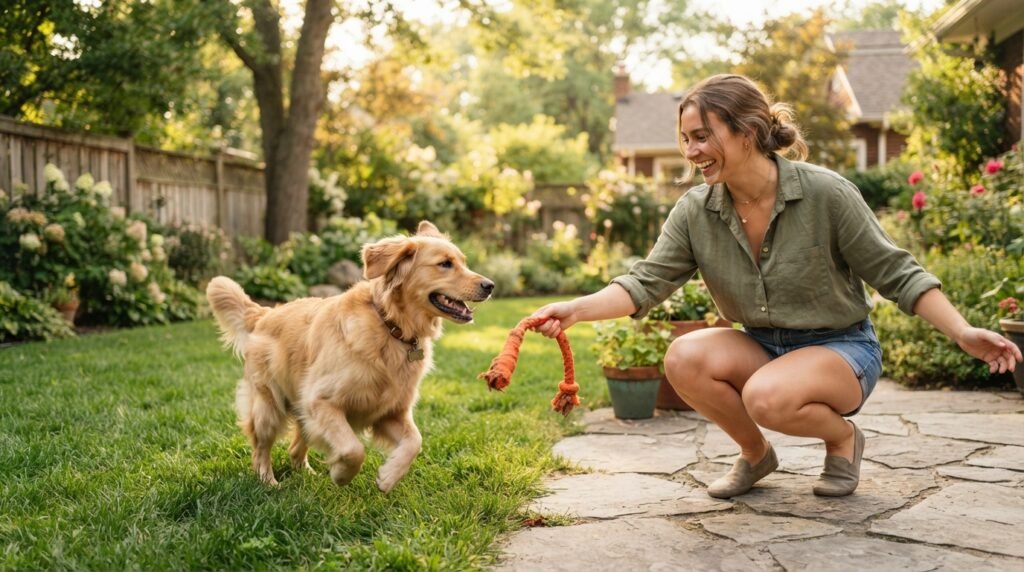
Emergency Warning Signs
Some symptoms require more urgent veterinary attention.
For example, if your dog repeatedly tries to vomit but nothing comes up and its abdomen appears swollen or painful, seek emergency veterinary care.
Other potentially serious signs include collapse, severe weakness, difficulty breathing, seizures, severe abdominal pain, or suspected poisoning.
Do not wait for grass eating to stop if your dog appears seriously ill.
How to Monitor Your Dog at Home
If your dog eats a small amount of grass but otherwise appears completely healthy, observation can be useful.
Pay attention to:
Frequency: How often does your dog eat grass?
Amount: Is your dog nibbling a few blades or consuming large mouthfuls?
Timing: Does it happen before meals, after meals, during walks, or during stressful situations?
Other symptoms: Is there vomiting, diarrhea, coughing, drooling, pain, or unusual tiredness?
Environment: Is the grass treated with chemicals or exposed to animal waste?
Keeping track of these details can give your veterinarian useful information if the behavior continues.
Frequently Asked Questions
Is it normal for dogs to eat grass every day?
Some dogs may regularly eat small amounts of grass without developing health problems. However, daily or increasingly frequent grass eating should be discussed with your veterinarian if it is accompanied by other symptoms or represents a significant change from your dog’s normal behavior.
Does eating grass mean my dog has worms?
Not necessarily. Grass eating alone does not prove that a dog has intestinal parasites.
If your dog has additional symptoms such as weight loss, diarrhea, vomiting, poor appetite, or changes in stool, a veterinarian can determine whether parasite testing or treatment is appropriate.
Should I make my dog stop eating grass?
Not necessarily in every situation.
If your dog occasionally eats a small amount of clean, untreated grass and remains healthy, the behavior may not need to be completely eliminated.
However, preventing access is sensible when the grass may contain pesticides, herbicides, fertilizers, toxic plants, feces, or other hazards.
Why does my dog eat grass and vomit?
Dogs can vomit after eating grass, but this does not necessarily mean they ate grass specifically to make themselves sick.
Vomiting can have many causes. If vomiting happens repeatedly or occurs with other symptoms, contact your veterinarian.
Can puppies eat grass?
Puppies may investigate and chew grass because they are naturally curious. However, puppies can also be more likely to put unwanted objects into their mouths.
Supervise puppies outdoors and prevent them from eating grass that may have been chemically treated or contaminated.
Final Takeaway
So, why is my dog eating grass?
There may be several answers.
Your dog could simply enjoy the taste or texture, be exploring its surroundings, following a natural foraging behavior, looking for something to do, responding to stress, or simply following a habit.
Grass eating by itself does not automatically mean your dog is sick.
The key is to look at your dog’s overall health and behavior.
If your dog occasionally nibbles clean grass and remains energetic, eats normally, and shows no signs of illness, there may be little reason for concern.
But if grass eating suddenly becomes excessive—or occurs alongside vomiting, diarrhea, loss of appetite, weakness, abdominal pain, bloating, or other unusual symptoms—do not assume the grass is the cause. Talk with a veterinarian so the underlying problem can be properly evaluated.
Most importantly, keep your dog away from grass that may have been treated with chemicals or contaminated with potentially harmful substances.
With sensible supervision, a safe outdoor environment, regular enrichment, and appropriate veterinary care, you can help your dog enjoy outdoor time while protecting its health.
PetZuoo Tip: Instead of focusing only on stopping grass eating, focus on understanding why your dog is doing it. Recognizing patterns is often the first step toward deciding whether the behavior is simply a harmless quirk or something worth investigating.
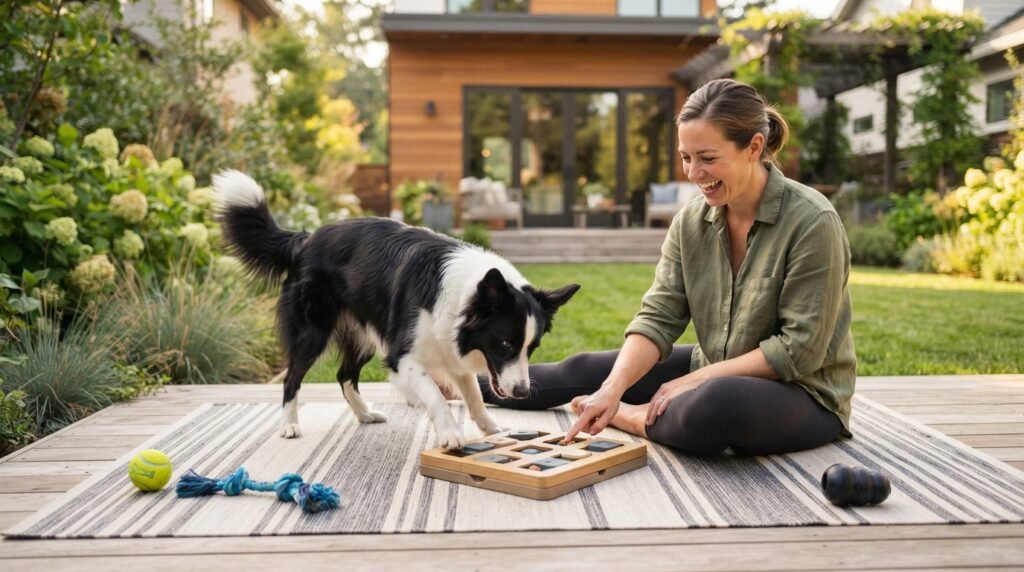
Quick Guide: What Should You Do If Your Dog Eats Grass?
If you catch your dog eating grass, there is usually no need to panic immediately. Take a moment to assess the situation.
Step 1: Check the Grass
Ask yourself:
- Is this your own untreated lawn?
- Could pesticides or fertilizers have been used?
- Is the area contaminated with animal waste?
- Is your dog eating ordinary grass or another unknown plant?
If you are unsure about the safety of the area, calmly move your dog away.
Step 2: Observe Your Dog
After your dog stops eating grass, watch its behavior.
A healthy dog should generally continue acting normally. Look for normal energy, appetite, drinking, movement, and bathroom habits.
If your dog appears comfortable and continues its normal activities, occasional grass eating may simply be a harmless habit.
Step 3: Look for Changes
A sudden change is more important than occasional grazing.
If your dog begins eating unusually large quantities of grass or starts doing it much more frequently, consider what else has changed.
Have you changed its food? Has your dog’s routine changed? Has there been increased stress? Is your dog showing digestive symptoms?
These clues can help identify what may be happening.
Can Dogs Eat Grass Every Day?
Some dogs may eat small amounts of grass regularly without developing obvious problems.
However, daily grass eating is worth monitoring, especially if the amount is increasing.
Rather than assuming your dog needs supplements or a new diet, discuss persistent behavior with your veterinarian if you are concerned.
A professional can help determine whether the behavior is normal for your individual dog or whether additional investigation is needed.
Should You Give Your Dog Grass to Eat?
There is generally no need to deliberately encourage your dog to eat grass.
If your dog enjoys chewing vegetation, safer alternatives may include appropriate dog-safe chew toys or enrichment activities.
Most importantly, never encourage grazing on grass when you do not know whether it has been treated with chemicals or exposed to potentially harmful substances.
What If My Dog Eats Grass and Throws Up?
If your dog vomits after eating grass, do not automatically assume that the grass caused the problem.
A single episode in an otherwise healthy dog may be something you can monitor closely, but repeated vomiting is different.
Seek veterinary advice when vomiting continues, your dog cannot keep water down, or other symptoms appear.
Pay particular attention to weakness, abdominal pain, bloating, blood, severe diarrhea, or unusual behavior.
What If My Dog Is Eating Grass Frantically?
Frantic or unusually intense grass eating is more concerning than casually nibbling a few blades.
If your dog suddenly begins consuming grass rapidly while appearing distressed, restless, nauseated, painful, or otherwise abnormal, do not focus solely on stopping the grass eating.
Instead, consider that your dog may be experiencing an underlying problem and contact your veterinarian for guidance.
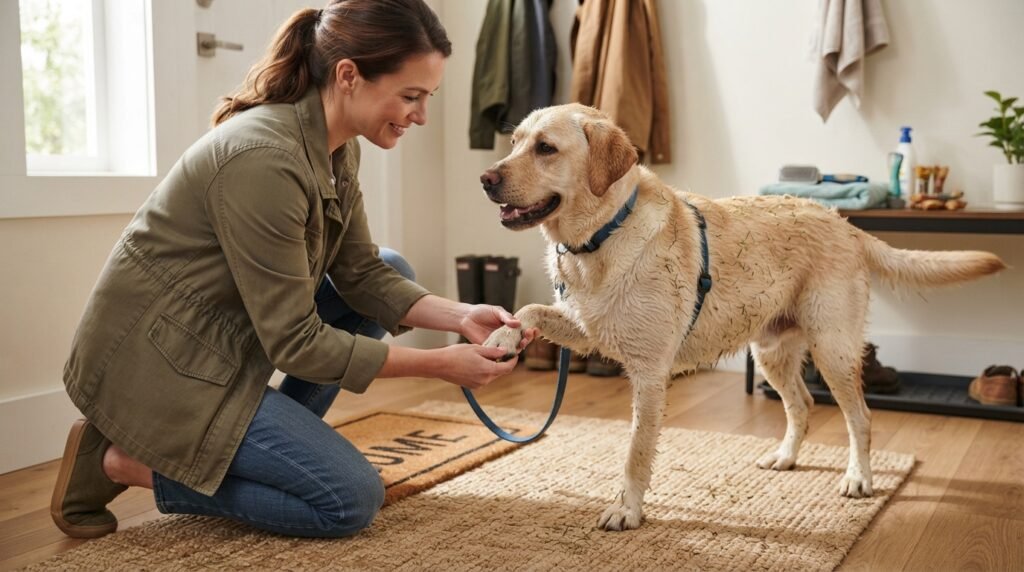
Final Takeaway for PetZuoo Readers
Why is my dog eating grass?
The answer can be surprisingly simple—or occasionally more complicated.
Dogs may eat grass because they enjoy the taste, explore their environment, follow natural foraging instincts, experience boredom, respond to stress, seek attention, or develop the behavior as a habit.
Grass eating alone does not necessarily mean something is wrong.
The most important things are frequency, amount, environment, and your dog’s overall health.
If your dog occasionally eats a few blades of clean grass and remains happy and healthy, monitoring may be all that is necessary.
But if the behavior becomes excessive, suddenly changes, or occurs with vomiting, diarrhea, appetite loss, weakness, pain, bloating, or other unusual symptoms, contact a veterinarian.
And remember: never assume grass is safe simply because it looks clean. Avoid areas that may contain lawn chemicals, pesticides, herbicides, fertilizers, toxic plants, or animal waste.
A little observation can go a long way. By understanding your dog’s normal behavior and recognizing warning signs, you can make smarter decisions about when to simply monitor and when to seek professional help.
PetZuoo Quick Reminder
Occasional grass eating + normal behavior = monitor.
Increasing grass eating = investigate the pattern.
Grass eating + illness = contact your veterinarian.
Grass eating + suspected toxin exposure or serious symptoms = seek urgent veterinary care.
Your dog cannot tell you exactly why it is eating grass—but paying attention to its behavior can provide valuable clues.

hammadniazi6663@gmail.com
Contributor at PetZuoo, publishing practical information for pet owners and animal lovers.
Related guides

Why Do Dog Tilt Their Heads? 9 Fascinating Reason
Why Do Dog Tilt Their Heads? 9 Fascinating Reason Behind This Adorable Behavior. Have you ever spoken to your dog and watched…
Why Does Dog Suddenly Follow Me Everywhere? 9 Reasons
Why Does Dog Suddenly Follow Me Everywhere? 9 Reasons and Have you noticed that your dog suddenly seems to be your shadow?…
Ultimate Guide to Dog Separation Anxiety
Ultimate Guide to Dog Separation Anxiety. Proven Ways to Help Your Dog Feel Safe Alone, and Leaving your dog at home for…