Have you noticed your dog suddenly spending more time at the water bowl? A little extra drinking can be completely normal, especially after exercise, hot weather, or eating dry food. Why Is My Dog Drinking Much Water? 9 Important Causes But persistent excessive thirst can sometimes be a sign that something else is going on.
For dog owners, knowing the difference between normal thirst and unusual water consumption can help you recognize changes in your pet’s health early.
In this guide, we’ll explain why your dog may be drinking more water, how much water dogs generally need, what symptoms to watch for, and when it’s time to contact your veterinarian.
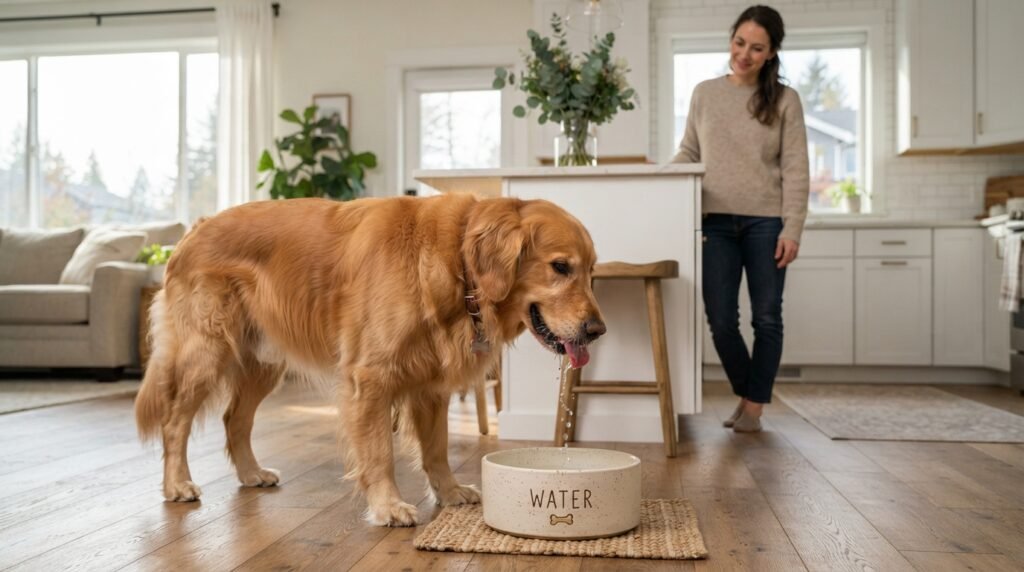
Why Is My Dog Drinking So Much Water?
Dogs need water every day to maintain normal body functions. Water supports digestion, circulation, temperature regulation, and the healthy function of major organs.
A dog’s water intake can naturally increase after:
- Running, playing, or exercising
- Spending time outdoors in hot weather
- Eating salty treats or foods
- Switching to dry kibble
- Traveling or experiencing temporary stress
However, if your dog suddenly starts drinking much more water than usual and the change continues, it deserves attention.
The important thing isn’t only how much your dog drinks on one particular day. Look for a consistent change from your dog’s normal drinking habits.
How Much Water Should a Dog Drink?
There isn’t one perfect amount of water for every dog. A dog’s needs depend on body size, activity level, diet, weather, age, and overall health.
As a general veterinary guideline, dogs may drink roughly 1 ounce of water per pound of body weight per day, although individual needs can vary.
For example, a 20-pound dog may commonly need around 20 ounces of water in a day, while a 60-pound dog may need around 60 ounces.
These numbers are only a general reference—not a diagnosis.
Your dog’s normal intake may be different, so a sudden increase compared with their usual pattern can be more useful to notice than comparing them with another dog.
9 Common Reasons Your Dog May Be Drinking More Water
1. Hot Weather
Warm temperatures are one of the simplest explanations for increased thirst.
Dogs lose water through panting, and they may drink more after spending time outside on a hot day.
Make sure your dog always has access to fresh, clean water, particularly during summer.
2. Increased Exercise
A long walk, energetic play session, hiking trip, or visit to the dog park can increase your dog’s need for fluids.
If your dog drinks more immediately after exercise and then returns to their normal drinking pattern, this may simply reflect normal hydration needs.
3. Dry Food
Diet can also influence water consumption.
Dogs eating primarily dry kibble generally obtain less moisture from their food than dogs eating wet or canned food. As a result, they may compensate by drinking more from their water bowl.
A change from wet food to dry food can therefore make increased drinking seem sudden even when there isn’t necessarily a health problem.
4. Salty Treats or Foods
Eating something unusually salty can make a dog thirsty.
Dogs shouldn’t routinely receive heavily salted human foods, but if your dog has eaten something different from their normal diet, temporary increased thirst may occur.
If your dog consumes an inappropriate or potentially harmful food, contact your veterinarian for advice rather than assuming increased thirst is harmless.
5. Stress or Anxiety
Some dogs may change their drinking habits when they’re stressed.
Changes in the household, travel, unfamiliar visitors, thunderstorms, fireworks, or other stressful situations can affect normal behaviors.
If increased drinking appears only during a stressful event and returns to normal afterward, the situation may be temporary.
Still, persistent excessive thirst shouldn’t automatically be attributed to anxiety.
6. Certain Medications
Some medications can increase thirst or urination.
If your dog’s drinking increased after starting a new medication or changing a dosage, speak with your veterinarian. Don’t stop or change a prescribed medication on your own.
Your veterinarian can determine whether increased thirst is an expected side effect or whether another issue needs investigation.
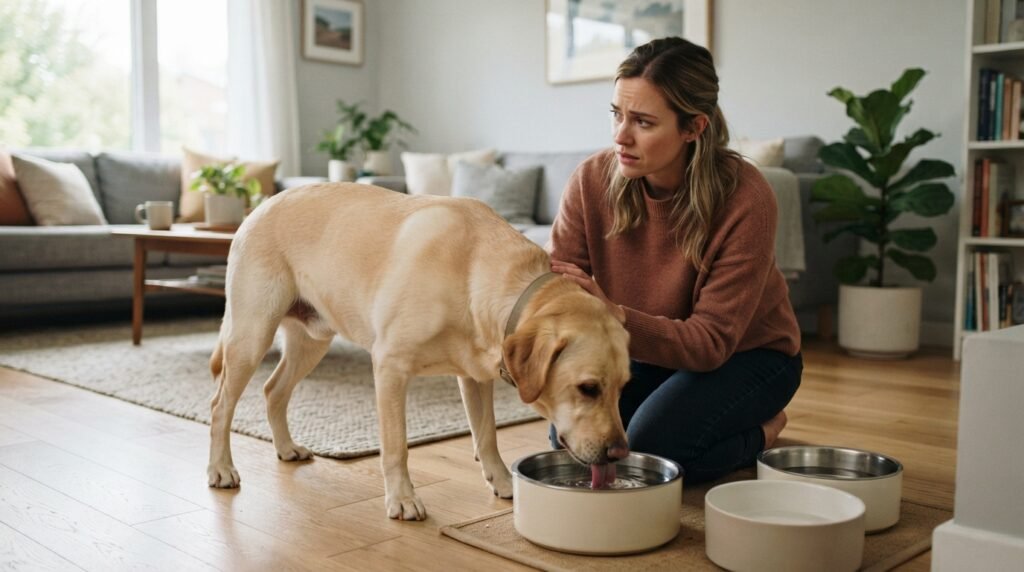
A Sudden Change Is Worth Paying Attention To
The most important thing for owners to remember is that your dog’s normal behavior provides the baseline.
If your dog has always been a moderate drinker but suddenly begins emptying the water bowl several times a day, don’t ignore the change—especially if it continues or occurs alongside other symptoms.
Medical Reasons Your Dog May Be Drinking Excessively
Sometimes increased thirst is more than a response to weather, exercise, or diet. Persistent excessive drinking can occur alongside certain medical conditions. This doesn’t mean your dog has one of these conditions, but recognizing the possibilities can help you know when to seek veterinary advice.
7. Kidney Problems
The kidneys help regulate water and waste in the body. When kidney function is affected, some dogs may begin drinking and urinating more frequently.
You may also notice changes such as:
- Increased urination
- Reduced appetite
- Weight loss
- Vomiting
- Lower energy
- Changes in breath odor
These symptoms can have many possible causes, so veterinary testing is needed to determine what’s happening.
8. Diabetes
Diabetes can cause increased thirst and increased urination in dogs.
Other possible signs include:
- Increased hunger
- Unexpected weight loss
- Tiredness or weakness
- Changes in vision
- Recurrent infections
If increased thirst is persistent and your dog is also urinating much more than normal, contact your veterinarian for an evaluation.
9. Cushing’s Disease
Cushing’s disease occurs when a dog’s body produces too much cortisol.
Affected dogs may develop increased thirst and urination along with other changes, such as increased appetite, panting, a pot-bellied appearance, thinning skin, or hair loss.
It is more commonly seen in middle-aged and older dogs, although any dog can develop medical conditions that affect thirst.
Other Conditions That Can Cause Increased Thirst
Excessive drinking can also occur with certain liver problems, urinary tract issues, hormonal disorders, infections, and other conditions.
Because several different illnesses can produce similar symptoms, you shouldn’t try to diagnose the cause based on thirst alone.
A veterinarian may consider your dog’s age, breed, diet, medications, symptoms, physical examination, blood tests, and urine tests when determining the cause.
Watch for Changes in Urination
One of the most useful things you can monitor is whether increased drinking is accompanied by increased urination.
For example, you may notice that your dog:
- Asks to go outside more frequently
- Has accidents indoors
- Produces unusually large amounts of urine
- Wakes during the night to urinate
- Drinks repeatedly throughout the day
Increased drinking and increased urination often occur together, but the underlying reason can vary considerably.
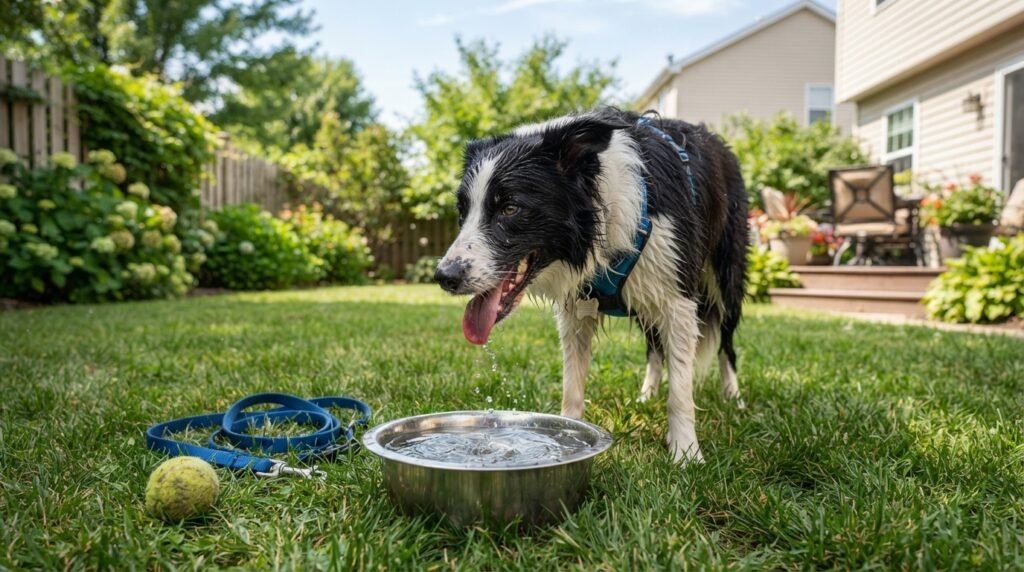
When Should You Contact Your Veterinarian?
Contact your veterinarian if your dog’s increased thirst is persistent, unexplained, or clearly different from their normal behavior.
You should be particularly attentive if increased drinking occurs with other changes such as vomiting, diarrhea, appetite changes, weight loss, weakness, unusual tiredness, changes in urination, or behavioral changes.
Seek urgent veterinary care if your dog appears seriously ill
If excessive drinking is accompanied by severe weakness, collapse, difficulty breathing, repeated vomiting, seizures, inability to urinate, or another serious or rapidly worsening symptom, seek urgent veterinary care.
Don’t wait for excessive thirst to resolve on its own when your dog appears acutely unwell.
Should You Limit Your Dog’s Water?
No—don’t restrict your dog’s access to water unless your veterinarian specifically tells you to do so.
If your dog seems excessively thirsty, removing the water bowl can potentially make dehydration worse.
Instead, provide clean, fresh water and monitor how much your dog drinks. If the change continues, arrange a veterinary assessment.
How to Monitor Your Dog’s Water Intake
If you’re concerned about your dog’s drinking habits, keeping a simple record can be surprisingly useful.
For several days, note:
- Approximately how much water you provide.
- How much remains at the end of the day.
- How frequently your dog drinks.
- How often your dog urinates.
- Any changes in appetite.
- Changes in weight or energy.
- Any vomiting, diarrhea, coughing, or other symptoms.
- Any new medications or diet changes.
This information can help your veterinarian understand whether your dog’s water consumption has genuinely changed.
How Veterinarians Investigate Excessive Thirst
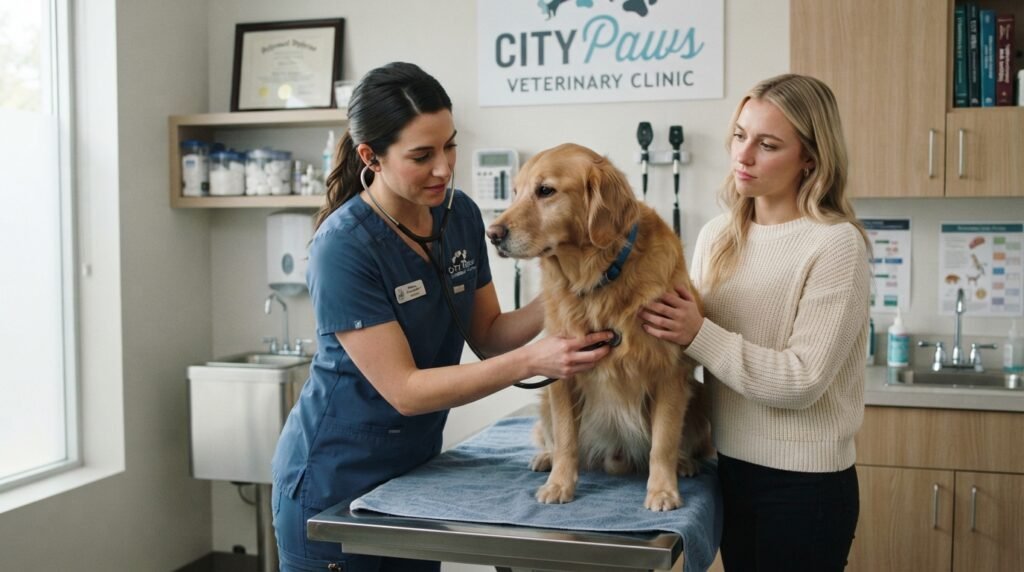
If your dog’s increased drinking continues, a veterinarian will usually start by learning about your dog’s normal routine and recent changes.
Be prepared to explain:
- When you first noticed the increased drinking
- Whether urination has also increased
- What your dog normally eats
- Any recent food changes
- Current medications or supplements
- Changes in weight or appetite
- Other symptoms you’ve noticed
- Your dog’s age and medical history
Depending on the situation, your veterinarian may recommend a physical examination along with blood and urine testing.
These tests can help look for conditions that may affect hydration, kidney function, blood sugar, liver function, or other aspects of your dog’s health.
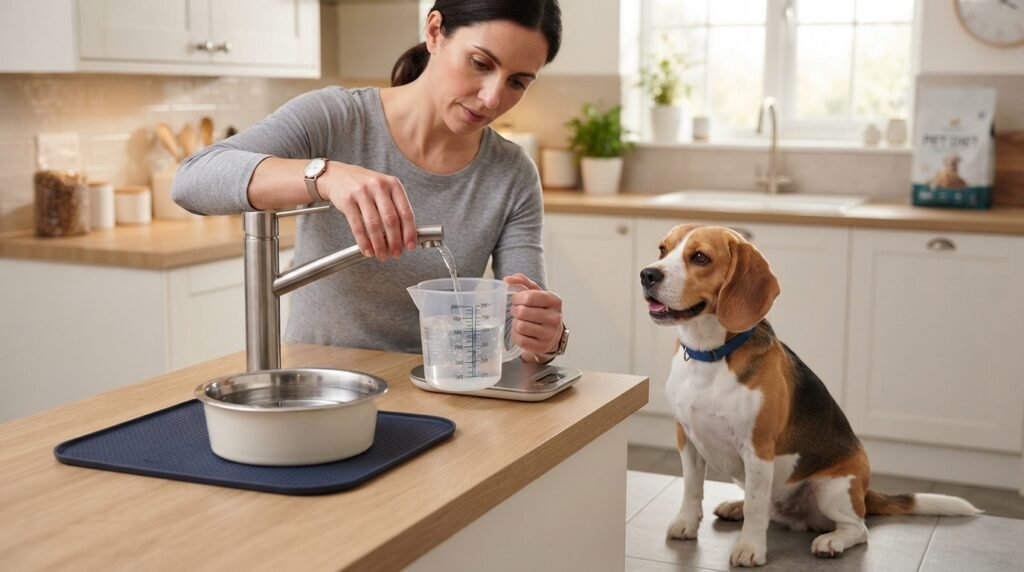
Keep a Simple Water-Intake Journal
One of the best things you can do before an appointment is keep track of your dog’s drinking.
Use the same measuring container each time you refill the bowl. Record approximately how much water you add and how much remains later.
Also record:
- Exercise
- Outdoor temperature
- Meals
- Treats
- Urination frequency
- Appetite
- Energy level
- Any unusual behavior
A few days of useful observations can give your veterinarian a clearer picture than simply saying, “My dog is drinking a lot.”
Common Mistakes Dog Owners Should Avoid
Don’t Remove the Water Bowl
If your dog is genuinely thirsty because of an underlying problem, restricting water can be dangerous.
Keep fresh water available unless your veterinarian gives you specific instructions otherwise.
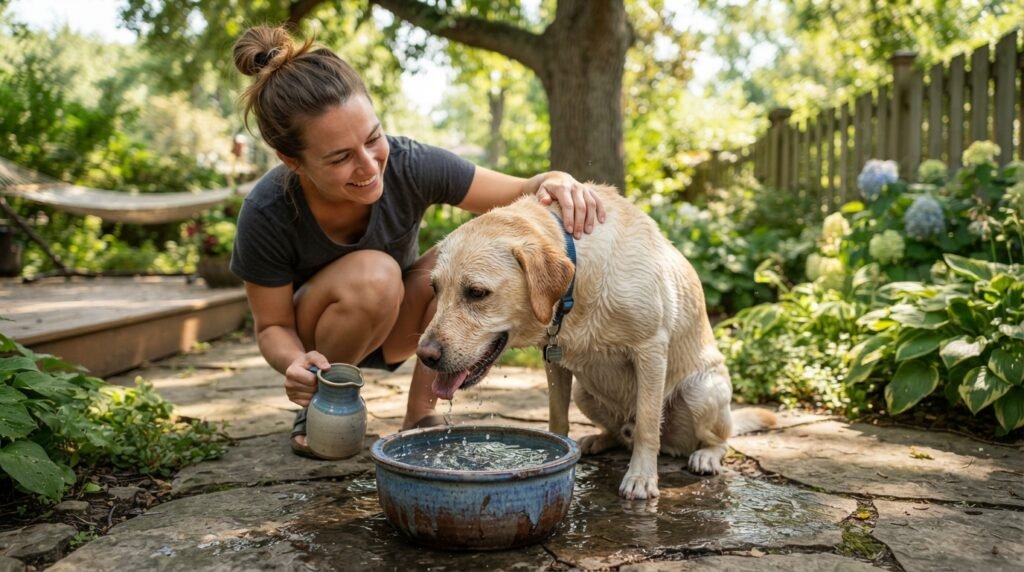
Don’t Assume It’s Just the Weather
Hot weather can absolutely increase thirst, but persistent excessive drinking shouldn’t automatically be blamed on temperature.
If your dog continues drinking unusually large amounts after returning to normal activity and temperature, investigate the change.
Don’t Diagnose Your Dog Online
Many different conditions can cause increased thirst. Two dogs with the same symptom can have completely different underlying problems.
Online information can help you recognize warning signs, but it cannot replace an examination and appropriate testing.
Don’t Ignore Other Symptoms
Increased thirst becomes more concerning when it appears together with other changes.
Pay attention to weight loss, appetite changes, vomiting, diarrhea, weakness, excessive urination, changes in behavior, or other unusual symptoms.
Frequently Asked Questions
Is it normal for my dog to drink more water in summer?
Yes. Hot weather and increased panting can increase a dog’s water requirements. Your dog should always have access to fresh, clean water.
Why is my dog drinking a lot but not eating?
A sudden loss of appetite combined with excessive thirst can have several possible causes. If this continues or your dog seems unwell, contact your veterinarian.
Should I worry if my dog drinks a lot after exercise?
Not necessarily. Dogs often drink more after running, playing, hiking, or other physical activity. The key is whether drinking returns to your dog’s normal pattern afterward.
Can dry dog food make my dog drink more?
Yes. Dry kibble contains substantially less moisture than many wet foods, so dogs eating dry food may obtain more of their daily water directly from their bowl.
Why is my older dog suddenly drinking more water?
Age itself can affect routines, but a new and persistent increase in thirst in an older dog deserves attention. Several medical conditions become more common with age and can cause increased drinking and urination.
Should I measure how much water my dog drinks?
If you’re concerned about excessive drinking, measuring water intake for several days can be helpful. It gives you useful information to share with your veterinarian.
Final Takeaway
A thirsty dog isn’t necessarily a sick dog. Hot weather, exercise, diet, and temporary changes in routine can all increase water consumption.
However, a persistent or unexplained increase in drinking deserves attention—particularly when it occurs alongside increased urination, weight loss, appetite changes, vomiting, weakness, or other unusual symptoms.
The safest approach is simple: keep fresh water available, observe your dog’s normal habits, document significant changes, and contact your veterinarian when something doesn’t seem right.
Your dog’s everyday behavior can provide valuable clues about their health. By paying attention to changes early, you can help your veterinarian identify potential problems and give your dog the best chance of receiving appropriate care.
Frequently Asked Questions About Dogs Drinking Too Much Water
How can I tell if my dog is drinking too much water?
Watch for a clear and persistent change from your dog’s normal drinking habits. Emptying the water bowl much more frequently, asking for water repeatedly, and urinating more often can all be signs that your dog’s water intake has increased.
Can stress cause a dog to drink more water?
Stress can sometimes change normal behaviors, including drinking habits. However, persistent excessive thirst should not automatically be blamed on stress. If the change continues after the stressful situation ends, speak with your veterinarian.
Can my dog drink too much water?
Yes. Excessive water consumption can sometimes be associated with medical conditions, and drinking extremely large amounts very quickly can also be dangerous. If your dog is persistently drinking unusually large amounts, veterinary guidance is appropriate.
Why is my dog drinking more water and peeing more?
Increased drinking and increased urination often occur together. They can have relatively simple explanations, such as heat or increased activity, but they can also occur with medical conditions such as diabetes, kidney disease, or hormonal disorders.
Should I stop my dog from drinking water at night?
Generally, you should not restrict your dog’s water simply because they drink at night. If nighttime drinking or urination has suddenly increased, discuss the change with your veterinarian.
Is excessive thirst an emergency?
Excessive thirst by itself isn’t always an emergency. However, if it occurs with serious symptoms such as collapse, severe weakness, repeated vomiting, seizures, breathing difficulties, or inability to urinate, seek urgent veterinary care.
A Simple Daily Water-Tracking Routine
If you’re trying to understand your dog’s drinking habits, consistency is more useful than guessing.
Morning
Start with a clean water bowl and measure how much water you provide.
During the Day
Note significant drinking episodes and any unusual behavior. You don’t need to watch your dog constantly—just record noticeable changes.
Evening
Measure approximately how much water remains and record your dog’s urination, appetite, energy, and any other symptoms.
Continue for Several Days
A short record can help reveal whether your dog’s increased drinking was temporary or has become a consistent pattern.
When Normal Thirst Becomes a Warning Sign
A dog drinking more after a long walk on a hot afternoon is very different from a dog that suddenly empties the water bowl repeatedly every day.
Think about context, duration, and accompanying symptoms.
Ask yourself:
- Did my dog’s activity level increase?
- Has the weather become hotter?
- Did I change their food?
- Did they eat something unusually salty?
- Did they start a new medication?
- Has urination increased?
- Has their appetite changed?
- Have they lost or gained weight?
- Does their energy level seem different?
These observations can help you decide whether the change is likely temporary or deserves professional evaluation.
Final Takeaway for Dog Owners
Water is essential for your dog’s health, and drinking more isn’t automatically a reason to panic. Many normal factors can temporarily increase thirst.
But persistent excessive drinking should never be ignored, especially when it is accompanied by increased urination or other changes in your dog’s health or behavior.
Keep clean water available, avoid restricting water without veterinary instructions, monitor unusual changes, and contact your veterinarian when you’re concerned.
Early attention can make it easier to identify the reason behind a change and ensure your dog receives appropriate care.
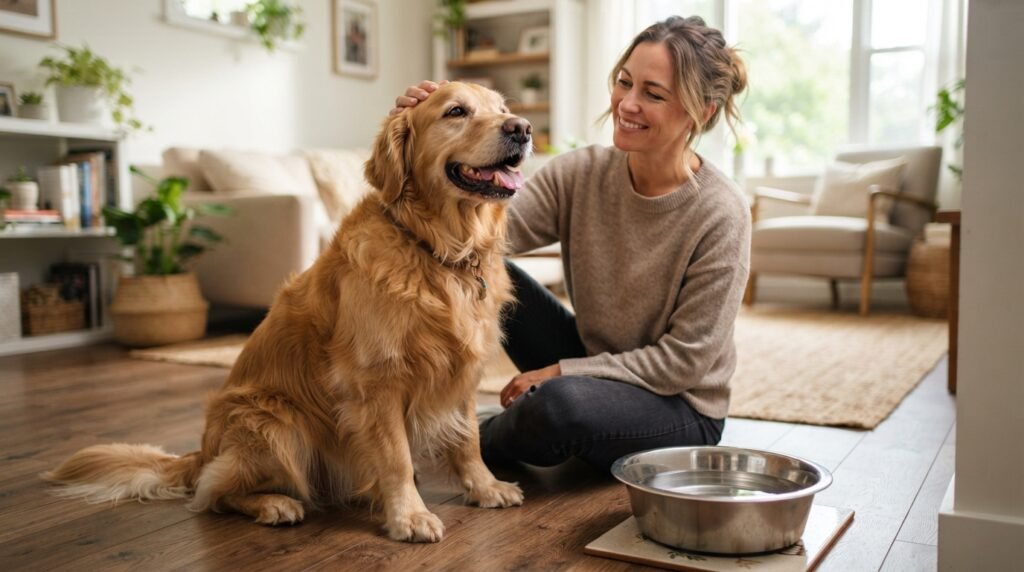
Your dog’s water bowl can tell you more than you might think. Paying attention to everyday habits is one simple way to become a more informed and attentive pet parent.

hammadniazi6663@gmail.com
Contributor at PetZuoo, publishing practical information for pet owners and animal lovers.
Related guides
Why Do Dog Tilt Their Heads? 9 Fascinating Reason
Why Do Dog Tilt Their Heads? 9 Fascinating Reason Behind This Adorable Behavior. Have you ever spoken to your dog and watched…
Why Does Dog Suddenly Follow Me Everywhere? 9 Reasons
Why Does Dog Suddenly Follow Me Everywhere? 9 Reasons and Have you noticed that your dog suddenly seems to be your shadow?…
Ultimate Guide to Dog Separation Anxiety
Ultimate Guide to Dog Separation Anxiety. Proven Ways to Help Your Dog Feel Safe Alone, and Leaving your dog at home for…