Why Is My Dog Always Hungry? 11 Surprising Reasons to Know, If your dog seems hungry all the time, you are definitely not alone. Some dogs act as if they have never seen a meal before, even when they have just finished eating. They may follow you into the kitchen, stare at their food bowl, beg during dinner, search for crumbs, or become unusually excited whenever they hear a food wrapper.
Sometimes, this behavior is completely normal. Dogs can be naturally food-motivated, especially when they have learned that begging gets them an extra treat. But a noticeable increase in appetite can sometimes point to a problem that deserves attention.
So, why is my dog always hungry?
The answer can range from increased exercise and growing puppies to feeding habits, boredom, medications, intestinal parasites, or certain medical conditions. The important thing is to look at the entire picture rather than assuming your dog simply loves food.
In this guide, we will explain the most common reasons dogs seem constantly hungry and how you can recognize when increased appetite is normal and when it may be time to speak with a veterinarian.
Why Is My Dog Always Hungry?
A dog’s appetite can change for many different reasons. Just like people, dogs don’t eat exactly the same amount throughout their lives. Their nutritional needs can change with age, activity level, body size, environment, and overall health.
For example, a young, active dog that spends hours running outside may legitimately need more calories than an older dog who spends most of the day sleeping.
On the other hand, if your normally satisfied dog suddenly starts acting desperately hungry every day, the change is worth noticing.
Pay attention to questions such as:
- Has your dog’s appetite increased suddenly?
- Is your dog gaining or losing weight?
- Is your dog drinking more water?
- Has urination increased?
- Are there changes in stool?
- Is your dog vomiting?
- Has their activity level changed?
- Have you recently changed their food?
- Are they taking any medications?
- Are they receiving more treats than usual?
These details can help you understand whether you’re dealing with normal food-seeking behavior or something that needs professional attention.
1. Your Dog May Simply Be Very Active
One of the simplest explanations is exercise.
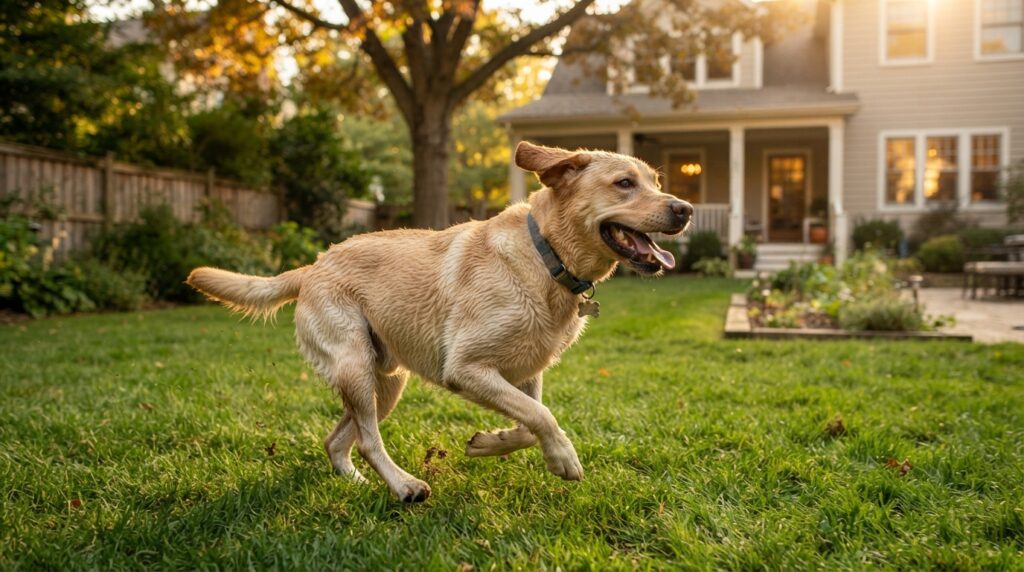
Dogs that are highly active naturally use more energy. Working dogs, sporting breeds, young dogs, and pets that spend a lot of time running, hiking, playing fetch, or participating in training sessions may need more calories than less-active dogs.
Imagine two dogs of similar size.
The first dog spends most of the day relaxing indoors and takes a couple of short walks. The second dog goes for long walks, plays outside, practices obedience training, and runs around the yard every day.
Their energy requirements may be very different.
If your dog has recently become more active, their increased interest in food may simply reflect increased energy needs.
However, don’t automatically increase food portions just because your dog appears hungry. Body condition is more useful than begging behavior when deciding whether your dog is receiving an appropriate amount of food.
A dog at a healthy weight should have a reasonable amount of body fat while still having a visible waist when viewed from above.
If you’re unsure whether your dog’s weight is appropriate, ask your veterinarian to assess their body condition.
2. Your Dog Could Be Growing
Puppies can seem unbelievably hungry.
Growing puppies require energy not only for playing and exploring but also for developing bones, muscles, organs, and other tissues. Their nutritional requirements are therefore different from those of adult dogs.
You may notice that your puppy becomes particularly interested in food during periods of rapid growth.
But growing puppies still need carefully balanced nutrition. Simply giving them unlimited food isn’t necessarily a good solution.
Overfeeding can contribute to excessive weight gain, which may create problems as a puppy develops.
Instead of responding to begging with additional meals or snacks, follow an appropriate feeding schedule based on your puppy’s age, size, growth stage, and food requirements.
If you have a large-breed puppy, nutrition is particularly important because rapid growth needs to be managed carefully.
3. Your Dog’s Food May Not Be Satisfying Enough
Another possibility is the food itself.
A dog may finish a meal quickly and still appear interested in food afterward. That doesn’t automatically mean the dog isn’t receiving enough calories, but it can be useful to examine the nutritional content and feeding amount.
Different foods contain different levels of protein, fat, carbohydrates, fiber, and calories.
Two bowls that look similar in size may provide very different amounts of energy.
This is one reason measuring food by volume alone can sometimes be misleading.
Read the feeding instructions on your dog’s food and consider your pet’s:
- Age
- Weight
- Activity level
- Breed or size
- Body condition
- Life stage
- Health requirements
Feeding guidelines are useful starting points, but individual dogs can have different calorie requirements.
If your dog constantly seems hungry despite eating an appropriate amount, don’t simply keep adding food. Talk with your veterinarian about whether the current diet and portion size are appropriate.
4. Too Many Treats Can Create a Food-Seeking Habit
Sometimes the problem isn’t hunger at all.
It may be conditioning.
Dogs quickly learn patterns. If your dog begs and receives a treat, they learn that begging works.
If it happens repeatedly, begging can become a routine.
For example:
Your dog sits beside you while you’re eating.
You give them a small piece of food.
The next day, your dog sits beside you again.
You give another piece.
Eventually, your dog may start staring at you, pawing your leg, whining, or barking whenever you eat.
This doesn’t necessarily mean your dog needs another meal. They may simply have learned that human meals are an opportunity to get something tasty.
Treats should also be considered part of your dog’s overall daily food intake.
Instead of responding to every request for food, try rewarding desirable behaviors such as sitting calmly, going to their bed, or responding to a training cue.
This can help your dog understand that calm behavior—not begging—is what earns rewards.
5. Your Feeding Schedule May Need Some Attention
Dogs generally thrive on predictable routines.
If meals happen at completely different times every day, your dog may become more focused on food because they don’t know when the next meal is coming.
A consistent feeding routine can make mealtimes easier to manage.
For many adult dogs, meals are divided into two daily feedings, although the appropriate schedule depends on the individual dog and veterinary guidance.
Instead of feeding your dog whenever they ask, establish regular meal times.
For example, you might feed breakfast in the morning and dinner in the evening.
The exact schedule isn’t as important as creating a routine that works for your household and your dog’s needs.
A predictable routine can also make it easier to notice genuine changes in appetite.
If your dog normally eats breakfast and dinner normally but suddenly becomes ravenous throughout the entire day, that change becomes much easier to recognize.
6. Boredom Can Make Your Dog Look Hungry
Not every dog that asks for food is actually hungry.
Sometimes your dog simply wants something interesting to happen.
Food is extremely rewarding for most dogs, so it can become an easy source of entertainment. A dog that spends long periods alone, receives little exercise, or doesn’t have enough mental stimulation may begin looking for food more frequently.
You might notice your dog:
- Wandering around the kitchen
- Searching the floor for crumbs
- Watching you whenever you prepare food
- Bringing their empty bowl to you
- Begging shortly after eating
- Trying to open cabinets or trash cans
- Becoming restless between meals
In these situations, adding more food isn’t necessarily the answer.
Instead, consider adding more healthy mental and physical activity.
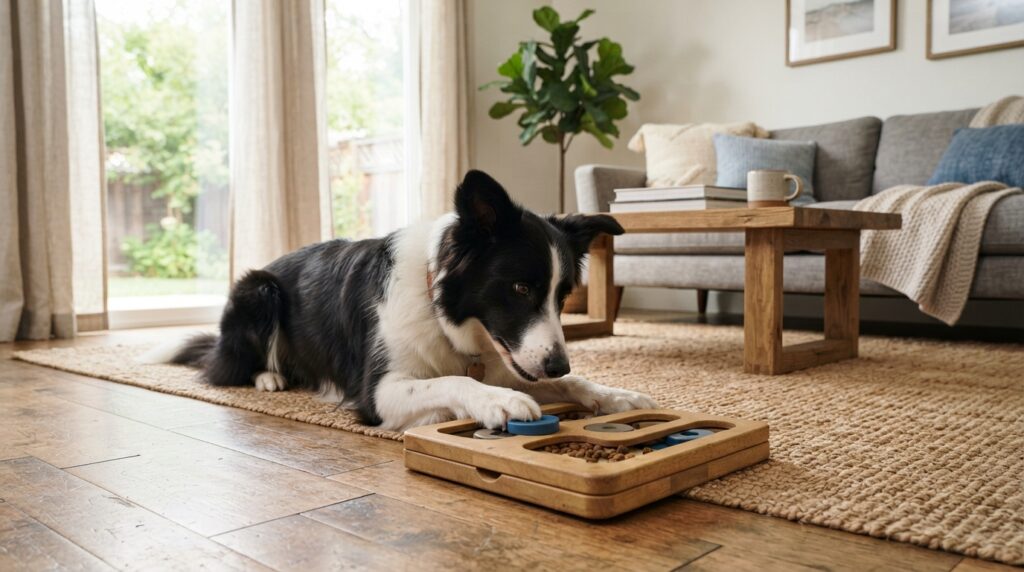
A longer walk, a game of fetch, basic obedience training, scent games, or a veterinarian-approved food puzzle can give your dog something productive to focus on.
Even a few short training sessions during the day can provide valuable mental stimulation.
7. Your Dog May Have Learned That Begging Works
Dogs are excellent observers.
If begging has resulted in food even occasionally, your dog may remember that behavior.
This can create a cycle:
Beg → receive food → repeat begging.
The more often the behavior is rewarded, the stronger it can become.
Your dog might stare at you while you’re eating, whine, put their head on your lap, paw at your arm, or sit beside the refrigerator.
These behaviors can be difficult to resist, especially when your dog gives you those irresistible eyes.
But giving food every time your dog begs can make the behavior stronger.
Instead, reward calm behavior.
For example, teach your dog to go to a specific bed or mat while you prepare and eat your own meal. Reward them for remaining calm rather than rewarding them for demanding food.
Consistency is important. If one family member refuses begging while another secretly gives table scraps, your dog can become even more persistent.
8. Certain Medications Can Increase Appetite
If your dog recently started taking medication and suddenly seems much hungrier, mention the change to your veterinarian.
Some medications can affect appetite.
For example, corticosteroids such as prednisone can cause increased hunger and increased thirst in some dogs.
This doesn’t mean you should stop a prescribed medication.
Never discontinue or change a prescribed medication without veterinary guidance.
Instead, keep track of when the appetite change started and tell your veterinarian what you have noticed.
It can be helpful to record:
- The medication name
- When treatment started
- When the increased appetite began
- How much food your dog eats
- Changes in drinking
- Changes in urination
- Weight changes
- Any other unusual symptoms
Having this information can make your conversation with the veterinarian much more useful.
9. Intestinal Parasites Can Sometimes Affect Appetite
Parasites are another possible explanation for unusual appetite changes.
Some intestinal parasites can interfere with normal digestion and nutrient absorption. Depending on the parasite and the individual dog, other symptoms may occur as well.
Possible signs can include:
- Diarrhea
- Soft stool
- Vomiting
- Poor coat condition
- Weight loss
- Abdominal discomfort
- Visible worms or worm segments in stool
- Increased or unusual appetite
However, symptoms vary considerably.
A dog can have a parasite without showing obvious signs, while another dog may develop significant digestive problems.
If your dog has an unexplained appetite change—particularly if they are losing weight or have digestive symptoms—your veterinarian may recommend a fecal examination or other diagnostic testing.
Don’t assume that an over-the-counter dewormer is automatically the right solution. Different parasites require different treatments, and proper diagnosis is important.
10. Diabetes Can Cause Increased Hunger
A dog that suddenly becomes extremely hungry while also losing weight deserves veterinary attention.
Diabetes mellitus is one possible medical cause.
When the body cannot properly use glucose for energy, the dog may experience increased hunger despite consuming food.
Other signs can include:
- Increased thirst
- More frequent urination
- Weight loss
- Reduced energy
- Changes in body condition
The combination of increased appetite, increased thirst, increased urination, and unexplained weight loss is especially important to discuss with a veterinarian.
Diabetes is not something that should be diagnosed at home based only on appetite.
A veterinarian can perform an examination and appropriate blood and urine testing to determine what’s happening.
11. Cushing’s Disease Can Increase Appetite
Another medical condition associated with increased appetite is Cushing’s disease, also called hyperadrenocorticism.
This condition occurs when a dog’s body produces excessive amounts of cortisol.
Increased appetite can be one of the signs, but it is often accompanied by other changes.
A dog with Cushing’s disease may also develop:
- Increased thirst
- Increased urination
- Excessive panting
- A pot-bellied appearance
- Muscle weakness
- Thinning skin
- Hair loss or changes in the coat
These signs can overlap with other health problems, so you shouldn’t attempt to diagnose Cushing’s disease based on hunger alone.
If your dog’s appetite has changed significantly—especially alongside several of these symptoms—schedule a veterinary examination.

How to Tell Real Hunger From Begging
This is one of the most important questions for dog owners.
A dog asking for food doesn’t necessarily mean the dog needs food.
Try looking at the whole pattern.
If your dog has a stable weight, normal energy, normal drinking and urination, healthy stools, and a consistent appetite, food-seeking behavior may be related to routine, treats, boredom, or learned begging.
But if your dog suddenly becomes obsessed with food and you notice other physical changes, don’t simply assume they’re being greedy.
Watch for changes such as:
Normal food motivation:
- Begging mainly when people eat
- Excitement around treats
- Normal body weight
- Normal energy
- No major changes in drinking or urination
Potentially concerning appetite change:
- Sudden increase in appetite
- Unexplained weight loss
- Dramatically increased thirst
- Increased urination
- Vomiting or diarrhea
- Weakness or unusual tiredness
- Major changes in behavior
- Appetite changes that continue or worsen
The difference between these two patterns can help you decide what to do next.
When Should You Call a Veterinarian?
Occasional begging isn’t usually an emergency.
However, a sudden or persistent change in appetite should not be ignored, particularly when other symptoms are present.
Contact your veterinarian if your dog is eating substantially more than usual and you notice weight loss, excessive thirst, frequent urination, vomiting, diarrhea, weakness, or other unusual changes.
It’s also worth scheduling an appointment if you simply can’t explain a significant change in your dog’s eating behavior.
Your veterinarian may ask about your dog’s diet, feeding schedule, treats, exercise, medications, weight history, and other symptoms. Depending on what they find, they may recommend bloodwork, urine testing, fecal testing, or other diagnostic procedures.
The goal isn’t to assume something is wrong. It’s to rule out problems and understand why the appetite has changed.
Healthy Ways to Manage Your Dog’s Appetite
If your veterinarian confirms that your dog is healthy, you can focus on managing food-seeking behavior.
Measure your dog’s daily food rather than repeatedly filling the bowl whenever they ask.
Keep treats under control and consider using part of your dog’s normal daily food allowance for training rewards.
You can also divide the daily food amount into appropriate meals rather than constantly offering snacks.
For dogs that eat extremely quickly, ask your veterinarian whether a slow feeder or appropriate food puzzle would be suitable.
And don’t forget exercise.
A healthy combination of physical activity, mental stimulation, consistent meals, and appropriate nutrition can make a significant difference.
Most importantly, don’t judge your dog’s needs based solely on how enthusiastically they react to food.
Some dogs would happily eat a third dinner immediately after finishing their second.
That doesn’t necessarily mean they need it.

A Simple Daily Checklist for a Dog That Always Seems Hungry
If your dog constantly asks for food, creating a simple routine can help you understand what’s really happening. Instead of reacting to every begging episode, look at your dog’s food, activity, weight, and behavior together.
Morning
Start the day with your dog’s normal measured meal. Make sure fresh drinking water is available.
If your dog eats extremely quickly, talk with your veterinarian about whether a slow-feeding option may be appropriate.
After breakfast, provide some physical activity or mental stimulation. A walk, gentle play, or a short training session can help your dog start the day positively.
During the Day
Keep track of treats.
It’s surprisingly easy for treats to add up when several family members reward the same dog throughout the day.
If you’re training your dog, consider setting aside part of their normal daily food allowance for rewards instead of continually adding extra treats.
Also watch your dog’s behavior.
Does your dog beg because they are genuinely hungry, or does begging happen whenever you’re in the kitchen?
That distinction can tell you a lot.
Evening
Feed the second scheduled meal if that matches your dog’s feeding routine.
Avoid automatically giving extra food simply because your dog looks interested in your dinner.
Instead, encourage calm behavior.
You can give your dog a suitable toy, ask them to settle in their bed, or provide another safe form of enrichment.
Weekly
Take a moment to evaluate your dog’s overall condition.
Ask yourself:
- Is my dog’s weight stable?
- Does my dog still have normal energy?
- Is my dog drinking normally?
- Is urination normal?
- Are bowel movements normal?
- Has the appetite changed?
- Have I increased treats?
- Has exercise changed?
- Have I started any new medication?
Keeping simple notes can make changes much easier to recognize.
Common Mistakes Dog Owners Make When Their Dog Is Always Hungry
Trying to solve excessive begging can sometimes lead owners to make the problem worse without realizing it.
Mistake 1: Feeding Every Time the Dog Begs
This teaches your dog that begging produces food.
If you want to reduce begging, avoid rewarding the behavior consistently.
Mistake 2: Guessing Portion Sizes
A large-looking bowl doesn’t necessarily mean your dog is receiving the right amount of nutrition.
Follow the food’s feeding guidance and discuss your dog’s individual needs with your veterinarian.
Mistake 3: Ignoring Weight Changes
Appetite should always be considered alongside body weight.
A dog that eats more but maintains a healthy weight may have a different situation from a dog that eats more while losing weight.

Unexpected weight loss deserves attention.
Mistake 4: Giving Too Many Treats
Treats can be useful for training, but they still contribute calories.
If your dog receives treats from several people throughout the day, you may underestimate how much they’re actually consuming.
Mistake 5: Assuming Every Hungry Dog Needs More Food
This is perhaps the biggest mistake.
Dogs can become very skilled at convincing humans that they are starving.
A dramatic stare doesn’t tell you how many calories your dog needs.
Your dog’s body condition, nutritional requirements, activity level, and health status are much more meaningful.
What If My Dog Is Always Hungry but Losing Weight?
This situation deserves particular attention.
If your dog is eating more than usual but losing weight, don’t simply increase the food and wait to see what happens.
Several health conditions can cause increased appetite alongside weight loss.
These can include metabolic diseases, digestive problems, parasites, and other conditions.
Weight loss that wasn’t intentional should be discussed with your veterinarian.
The same applies if increased hunger is accompanied by excessive drinking or urination.
A simple veterinary examination can help determine whether there is an underlying reason for the change.
What If My Dog Is Hungry Right After Eating?
A dog wanting more food immediately after finishing a meal doesn’t automatically mean they need another meal.
Some dogs eat extremely quickly and may not appear satisfied afterward.
Others have learned that finishing their bowl is followed by treats.
Try slowing down the meal where appropriate, maintaining a consistent routine, and avoiding immediate rewards for begging.
However, if this behavior is new or accompanied by weight loss, increased thirst, digestive problems, or other symptoms, speak with your veterinarian.
Can Exercise Help a Dog That Always Wants Food?
Exercise can help, but it isn’t a replacement for appropriate nutrition.
Physical activity uses energy and can provide an important outlet for dogs. Mental stimulation can also reduce food-seeking behavior caused by boredom.
Consider activities such as:
- Daily walks
- Fetch
- Obedience training
- Scent games
- Safe interactive toys
- Supervised outdoor play
- Short training sessions
The right amount of activity depends on your dog’s age, breed, health, fitness, and individual needs.
If your dog has a medical condition or is significantly overweight, ask your veterinarian about an appropriate exercise plan before making major changes.
Frequently Asked Questions
Why is my dog always hungry but not gaining weight?
Some dogs naturally have high energy requirements or strong food motivation. However, persistent increased hunger without an obvious explanation should still be discussed with a veterinarian, especially if your dog’s eating behavior has recently changed.
Why does my dog act hungry after eating?
Fast eating, highly rewarding food, learned begging behavior, boredom, or an inappropriate feeding routine can all contribute. If the behavior is sudden or accompanied by other symptoms, veterinary advice is appropriate.
Should I give my dog more food if they keep begging?
Not automatically. First consider their body condition, current portion size, treats, activity level, and overall health. Increasing food every time your dog begs can also reinforce the behavior.
Can worms make a dog hungry?
Some intestinal parasites can interfere with digestion and nutrient absorption and may be associated with appetite or weight changes. If you suspect parasites, veterinary testing is the safest way to determine the cause and appropriate treatment.
Is increased hunger a sign of diabetes in dogs?
It can be. Increased hunger may occur alongside increased thirst, increased urination, and weight loss. These signs require veterinary evaluation rather than a home diagnosis.
Should I worry if my dog’s appetite suddenly changes?
A sudden and persistent appetite change is worth paying attention to. If it occurs alongside weight loss, increased thirst, increased urination, vomiting, diarrhea, weakness, or other unusual symptoms, contact your veterinarian.
Final Thoughts: Don’t Ignore a Major Appetite Change
So, why is my dog always hungry?
Sometimes the answer is simple. Your dog may be active, growing, naturally food-motivated, bored, or simply very good at begging.
But persistent or sudden hunger can occasionally be connected to medications, parasites, diabetes, Cushing’s disease, or another health problem.
The best approach is to look beyond the food bowl.
Pay attention to your dog’s weight, thirst, urination, energy, digestion, exercise, feeding routine, and overall behavior. These clues can help you determine whether your dog’s appetite is simply part of their personality or something that deserves professional attention.
Most importantly, don’t punish your dog for being interested in food. Dogs naturally value food, and begging is often a learned behavior rather than deliberate misbehavior.
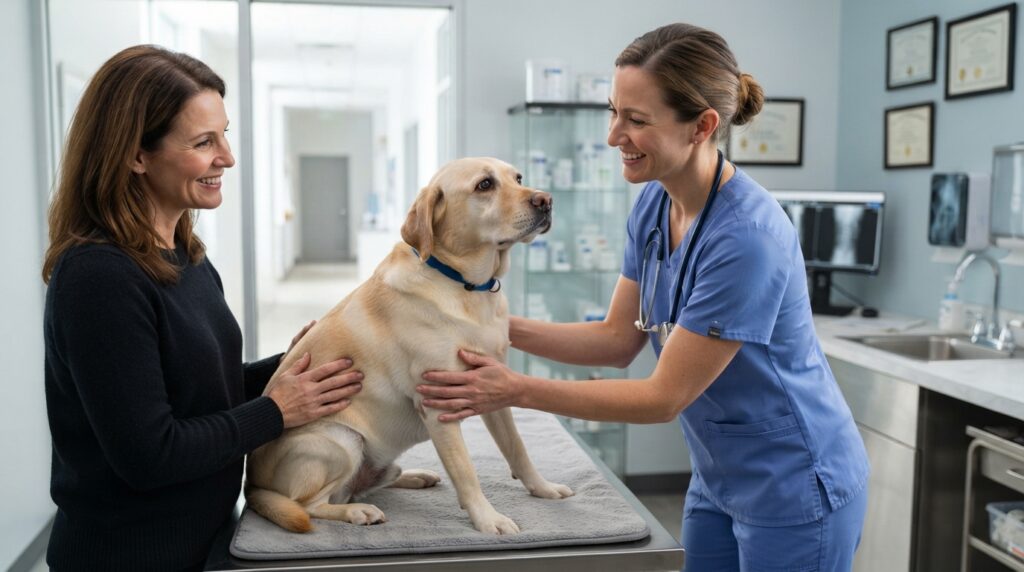
Create a consistent feeding routine, measure meals carefully, control treats, provide appropriate exercise and mental stimulation, and reward calm behavior.
And if your dog’s appetite changes dramatically or you notice other physical symptoms, don’t guess.
A conversation with your veterinarian is the safest way to find out what’s really happening.
A hungry-looking dog isn’t always a hungry dog—and understanding the difference can help you protect your companion’s health while building better everyday habits.