Why Is My Cat Sleeping More? 9 Important Reasons to Know, If your cat seems to be sleeping much more than usual, it is natural to wonder whether something is wrong. Cats are famous for spending a large part of the day asleep, but a sudden change in sleeping habits can sometimes tell you something important about your cat’s health, mood, environment, or daily routine.
A cat may sleep more after a busy day, during colder weather, or simply because it feels comfortable and safe at home. However, excessive sleep combined with other changes—such as reduced appetite, hiding, weight loss, vomiting, difficulty breathing, or a lack of interest in normal activities—deserves closer attention.
The important thing is not to judge your cat’s health based only on the number of hours it sleeps. Instead, look at its normal routine and behavior. If your cat normally wakes up for meals, plays, explores the house, watches birds through the window, and interacts with you, but suddenly stops doing those things and spends most of the day sleeping, that change is more meaningful.
In this guide, we’ll look at nine common reasons a cat may suddenly sleep more than usual, how to recognize normal tiredness versus concerning behavior, and what cat owners can do to support a healthy daily routine.
How Much Do Cats Normally Sleep?
Cats naturally sleep a lot. Depending on their age, personality, lifestyle, and environment, many cats spend roughly 12–16 hours a day sleeping or resting, while kittens and some older cats may sleep even more.
Cats are also crepuscular animals, meaning they are often most active around dawn and dusk. So, it may look like your cat is sleeping all day when it is actually following a natural pattern of resting during the daytime and becoming more active during quieter morning or evening hours.
Another important point is that cats don’t always spend all of those hours in deep sleep. They may alternate between:
- Light naps
- Deep sleep
- Quiet resting
- Sitting or lying down with their eyes partly closed
- Short periods of activity
Therefore, sleeping for many hours alone does not necessarily mean your cat is sick.
The bigger concern is a noticeable change from your cat’s usual behavior.
For example, if your cat has always slept for most of the afternoon but still gets excited about dinner and plays in the evening, that may simply be normal for that individual cat. But if your cat suddenly sleeps through meals, refuses to play, avoids interaction, and appears unusually weak when awake, you should pay closer attention.
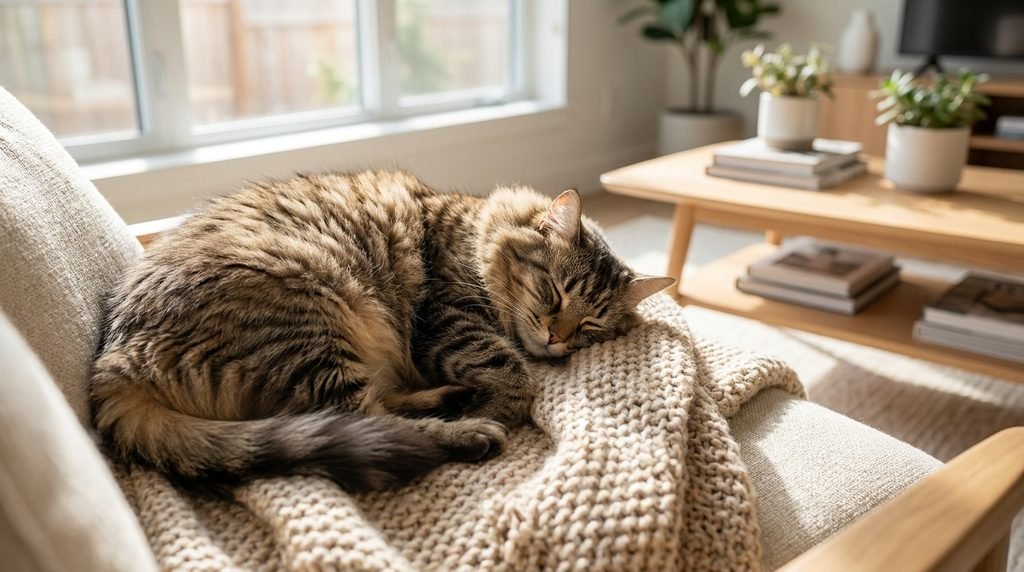
1. Your Cat May Simply Be Getting Older
Age can have a significant effect on a cat’s activity level.
Young adult cats are often energetic and curious. They may spend hours climbing, chasing toys, exploring rooms, and watching everything happening around them.
As cats get older, however, their activity patterns can change. Senior cats may naturally spend more time resting and may not have the same energy they had when they were younger.
This doesn’t mean every older cat should suddenly become inactive. A healthy senior cat can still enjoy play, interaction, grooming, and exploration.
What matters is gradual versus sudden change.
A gradual reduction in activity over time may be part of normal aging. A rapid change, particularly when accompanied by other symptoms, should not simply be blamed on age.
Watch for additional changes such as:
- Difficulty jumping onto familiar surfaces
- Stiffness after resting
- Changes in grooming
- Reduced appetite
- Weight changes
- Increased vocalization
- Difficulty using the litter box
- Becoming less interested in favorite activities
If several of these changes appear together, speaking with a veterinarian is a sensible next step.
2. Cold or Rainy Weather Can Make Cats Sleepier
Have you noticed your cat becoming less active when the weather changes?
You’re not alone.
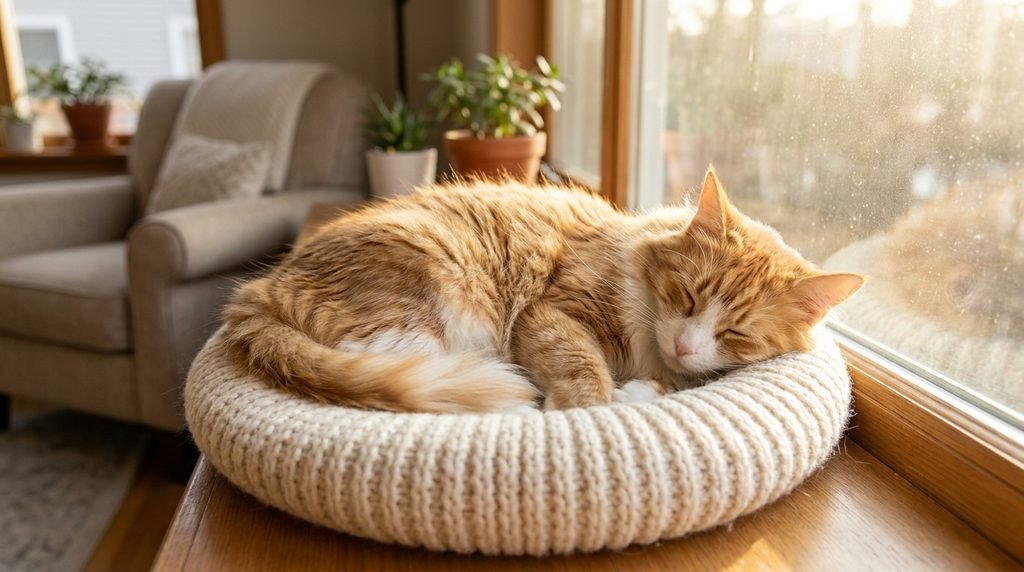
Some cats appear to become more relaxed and sleepy during cold, rainy, or gloomy days. A warm bed, blanket, sunny window, or quiet corner can become extremely attractive when the temperature drops.
Indoor cats may spend even more time resting because there are fewer environmental changes encouraging them to move around.
You may notice your cat choosing:
- A warm blanket
- A heated sleeping area
- A sunny windowsill
- A cozy bed
- A quiet room
This can be completely normal if your cat is otherwise eating, drinking, grooming, using the litter box, and behaving normally when awake.
However, don’t automatically assume weather is responsible for a major change in behavior. If your cat remains unusually tired after the weather returns to normal—or develops other symptoms—it is worth investigating further.
3. Boredom and Lack of Mental Stimulation
Sometimes a cat sleeps more simply because there isn’t much happening during the day.
Indoor cats especially need opportunities to explore, play, climb, scratch, and use their natural hunting instincts. When the environment becomes repetitive, a cat may spend more time sleeping because it has few reasons to stay active.
This doesn’t necessarily mean your cat is unhappy. Some cats are naturally more relaxed than others. But if your cat has recently become less interested in toys, exploration, or interaction, consider whether its daily environment has changed.
You can make a home more interesting with simple activities.
Try Short Play Sessions
You don’t need to spend an hour playing with your cat. Several short sessions throughout the day can be more realistic and enjoyable.
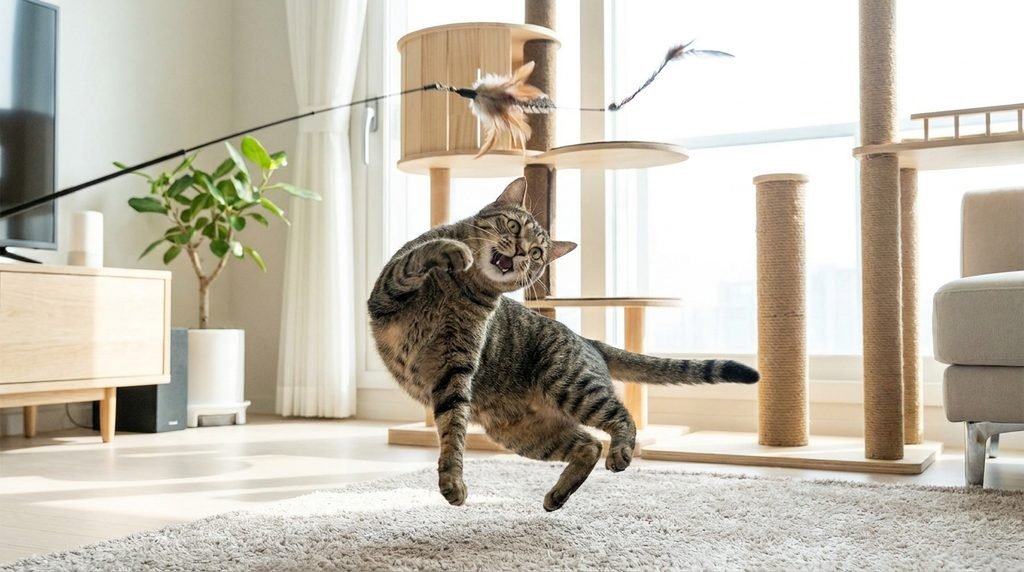
Try toys that encourage chasing, stalking, batting, and pouncing. Wand toys, lightweight balls, and interactive toys can give your cat an opportunity to use natural behaviors.
Allow your cat to catch the toy occasionally. Constantly moving a toy without letting your cat “win” can become frustrating rather than rewarding.
Create Safe Places to Explore
Cats often enjoy having different levels and places to investigate.
A cat tree, scratching post, window perch, or secure shelf can provide additional opportunities for movement. Even rotating toys every few days can make familiar objects feel interesting again.
Puzzle feeders can also provide mental stimulation by making your cat work for part of its food.
4. Stress Can Cause Changes in Sleeping Habits
Cats are creatures of routine. Something that seems small to a person can sometimes be significant to a cat.
Moving furniture, bringing home a new pet, having visitors, changing feeding times, moving to a new home, or introducing unfamiliar smells can affect a cat’s behavior.
Some stressed cats become restless and vocal. Others respond in the opposite way and spend more time hiding or sleeping.
Look for changes such as:
- Hiding more frequently
- Avoiding family members
- Eating less
- Excessive grooming
- Changes in litter box habits
- Becoming unusually quiet
- Irritability when touched
- Reduced interest in play
If your cat is sleeping more but otherwise appears comfortable, give it a predictable and quiet environment.
Keep feeding times consistent, provide a safe resting area, and avoid forcing interaction. Let your cat approach you when it feels comfortable.
5. Changes in Your Cat’s Daily Routine
A change in routine can also affect how active your cat appears.
Perhaps you recently started working different hours. Maybe children are back at school, another family member is traveling, or your household schedule has changed.
Cats can notice these changes.
For example, a cat that normally receives attention and play during the morning may spend more time sleeping if the household suddenly becomes quiet.
Try to maintain a consistent routine whenever possible.
A simple daily schedule might include:
Morning: Feeding and a short play session.
Afternoon: Rest, window watching, or independent enrichment.
Evening: Interactive play followed by dinner.
Night: A comfortable, quiet sleeping area.
A predictable routine can help your cat feel secure while also giving it regular opportunities to be active.
6. Your Cat May Be Sleeping More Because It Is Not Feeling Well
This is one of the most important possibilities to consider.
Cats are very good at hiding signs of illness. A cat that doesn’t feel well may not immediately show obvious symptoms. Instead, you may notice subtle behavioral changes first.
Sleeping more than usual can sometimes accompany health problems, particularly when it appears alongside other changes.
Pay attention to your cat when it is awake.
Ask yourself:
Does my cat still want to eat?
Is it drinking normally?
Does it respond to sounds and movement?
Does it still groom itself?
Does it show interest in familiar activities?
Is it using the litter box normally?
Does it move comfortably?
Does its breathing look normal?
A combination of unusual sleepiness and other symptoms is more concerning than increased sleep by itself.
When Extra Sleep Should Get Your Attention
Contact your veterinarian if your cat’s increased sleep is persistent, sudden, or accompanied by other unusual symptoms.
Particularly concerning signs can include:
- Refusing food
- Significant reduction in water intake
- Repeated vomiting
- Diarrhea
- Difficulty breathing
- Severe weakness
- Trouble walking
- Collapse
- Significant weight loss
- Hiding continuously
- Obvious pain
- Major changes in urination
- A dramatic change in normal behavior
If your cat appears seriously unwell, don’t wait for its sleeping pattern to return to normal on its own.
The safest approach is to have a veterinarian assess the situation.
7. Diet and Weight Can Influence Activity
Food plays an important role in your cat’s energy and overall wellbeing.
A cat that is eating an unsuitable diet, consuming too many calories, or gaining excess weight may become less active. Carrying additional body weight can make movement and play more tiring.
On the other hand, a cat that suddenly eats much less may also become quieter and less energetic.
Don’t make major dietary changes simply because your cat is sleeping more. Instead, monitor its appetite, body condition, and overall behavior.
If you notice unexplained weight gain or weight loss, discuss it with your veterinarian.
A healthy feeding routine combined with appropriate exercise and enrichment can help support a more active lifestyle.
8. Lack of Exercise Can Become a Cycle
There is an interesting pattern that can develop with indoor cats:
Less activity → more resting → less interest in activity → even more resting.
A cat doesn’t necessarily need intense exercise every day, but regular movement is important.
Instead of suddenly trying to make a sleepy cat exercise for a long period, start with short, enjoyable activities.
A few minutes of interactive play can be enough to encourage movement. Gradually increase activity according to your cat’s age, physical condition, and interest.
Remember that play should be enjoyable rather than stressful.
For older cats, gentle movement may be more appropriate than vigorous jumping. For young cats, chasing and climbing activities may provide more stimulation.
9. Your Cat’s Personality Matters
Finally, remember that every cat is different.
Some cats are naturally energetic and spend hours exploring the house. Others are professional nappers who would happily spend most of the afternoon curled up in a comfortable bed.
Comparing your cat with another cat can therefore be misleading.
Instead, compare your cat with itself.
If your cat has always loved sleeping for long periods but continues to eat, groom, play, explore, and interact normally when awake, its sleeping habits may simply be part of its personality.
The key warning sign is usually a noticeable change from its normal behavior, especially when other symptoms appear at the same time.
How to Encourage a Healthy Sleep-and-Activity Routine
If your cat is healthy but seems less active than usual, there are several simple things you can try.
1. Schedule Daily Play
Choose one or two times each day for interactive play.
2. Rotate Toys
Don’t leave every toy available all the time. Rotating them can keep your cat interested.
3. Provide Vertical Space
Cat trees, shelves, and safe climbing areas can encourage natural movement.
4. Offer a Window View
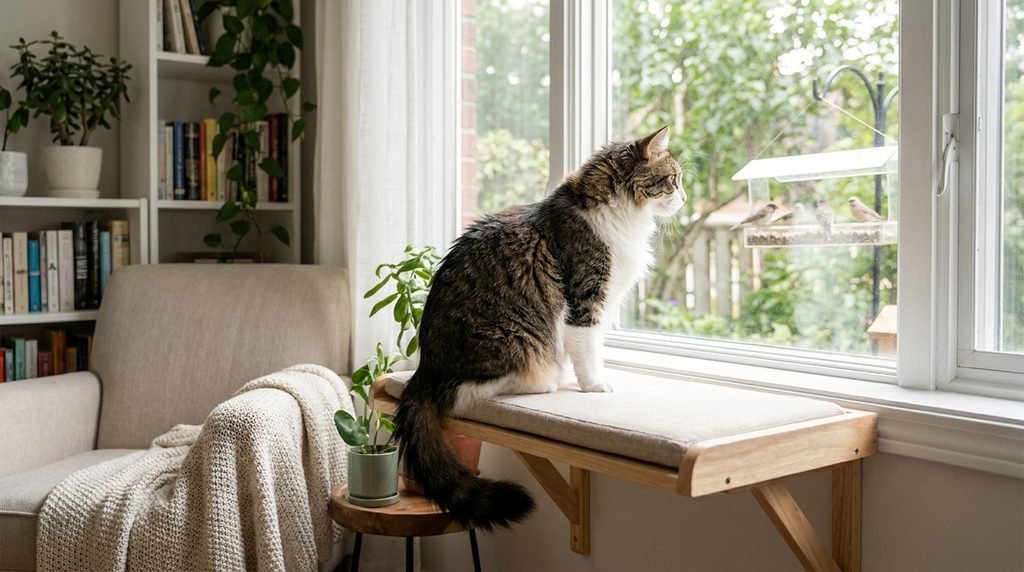
A secure window perch can provide mental stimulation through sights and sounds from outside.
5. Use Food Puzzles
Puzzle feeders can combine feeding with mental activity.
6. Keep a Consistent Routine
Regular feeding and play times can make the day more predictable.
7. Monitor Changes
Keep an eye on appetite, drinking, litter box use, grooming, weight, movement, and behavior.
When Should You Call the Veterinarian?
There is no universal number of sleeping hours that automatically means a cat is sick.
Instead, focus on what is normal for your individual cat.
If your cat suddenly becomes much sleepier, appears weak when awake, stops participating in normal activities, or develops additional symptoms, contact your veterinarian for advice.
For urgent symptoms such as difficulty breathing, collapse, severe weakness, or obvious distress, seek veterinary care promptly.
Never assume that a major behavioral change is simply because your cat is “getting lazy.” Cats can hide illness remarkably well, so behavioral changes deserve attention.
Final Thoughts
Cats are naturally talented sleepers, and spending many hours resting is completely normal for them. A long nap doesn’t automatically mean your cat is unhealthy.
However, a sudden increase in sleeping combined with changes in appetite, grooming, movement, litter box habits, or personality should not be ignored.
The best thing you can do as a cat owner is learn your cat’s normal routine. When you know how your cat normally eats, sleeps, plays, grooms, and interacts, unusual changes become much easier to recognize.
Give your cat a comfortable place to rest, provide regular opportunities for play and mental stimulation, and pay attention to changes that persist.
Sometimes, your cat really is just enjoying an extra-long nap.
Other times, that change in behavior may be its quiet way of telling you that something isn’t right.

hammadniazi6663@gmail.com
Contributor at PetZuoo, publishing practical information for pet owners and animal lovers.
Related guides

Why Do Dog Tilt Their Heads? 9 Fascinating Reason
Why Do Dog Tilt Their Heads? 9 Fascinating Reason Behind This Adorable Behavior. Have you ever spoken to your dog and watched…
Cat Chattering at Birds: 7 Amazing Reasons Explained
Cat Chattering at Birds: 7 Amazing Reasons Explained. Have you ever noticed your cat sitting beside a window, watching birds outside, and…
Why Do Cats Chirp at Birds? 7 Fascinating Reasons
Why Do Cats Chirp at Birds? 7 Fascinating Reasons Behind This Cute Cat Behavior, Have you ever watched your cat sitting beside…