Why Is My Cat Drinking So Much Water? 9 Warning Signs, If you have noticed your cat visiting the water bowl more often than usual, you may be wondering, “Why is my cat drinking so much water?” A small change in water intake can sometimes be completely normal, especially during hot weather or after increased activity. But a noticeable and persistent increase in thirst can also be a sign that something is changing inside your cat’s body.
Cats are naturally good at conserving water, and many cats do not drink large amounts compared with dogs. This is partly because cats evolved from desert-dwelling ancestors and can obtain some of their daily moisture from food. Cats eating wet food may drink very little from a bowl, while cats eating mostly dry food often drink more.
The important thing is not to panic when your cat drinks more water on one particular day. Instead, look for a consistent change from your cat’s normal routine.
In this guide, we’ll explain common reasons cats may suddenly drink more water, how much water a cat generally needs, what other symptoms to watch for, and when it is time to contact your veterinarian.
How Much Water Should a Cat Drink?
There is no single amount of water that is perfect for every cat. A cat’s water needs depend on several factors, including body size, diet, activity level, temperature, and overall health.
As a general guideline, cats need roughly 50–60 mL of total water per kilogram of body weight per day, although individual needs can vary. Remember that “total water” includes moisture obtained from food.
For example, wet cat food contains a large amount of water, so a cat eating canned food may naturally drink less from its bowl.
A cat eating dry kibble receives much less moisture from food and may compensate by drinking more.
This is why you should not judge your cat’s hydration only by how many times you see them at the water bowl.
Signs That Your Cat May Be Drinking More Than Normal
Pay attention if you notice:
- Your cat repeatedly returning to the water bowl.
- The water bowl is becoming empty much faster.
- Your cat starts drinking from unusual places, such as sinks or faucets.
- Your cat seems unusually interested in running water.
- Your cat is urinating more frequently.
- The litter box contains noticeably larger or heavier clumps.
- Your cat’s drinking habits have changed suddenly.
- Increased thirst continues for several days.
One isolated day of increased drinking may not mean there is a serious problem. A persistent change deserves closer attention.
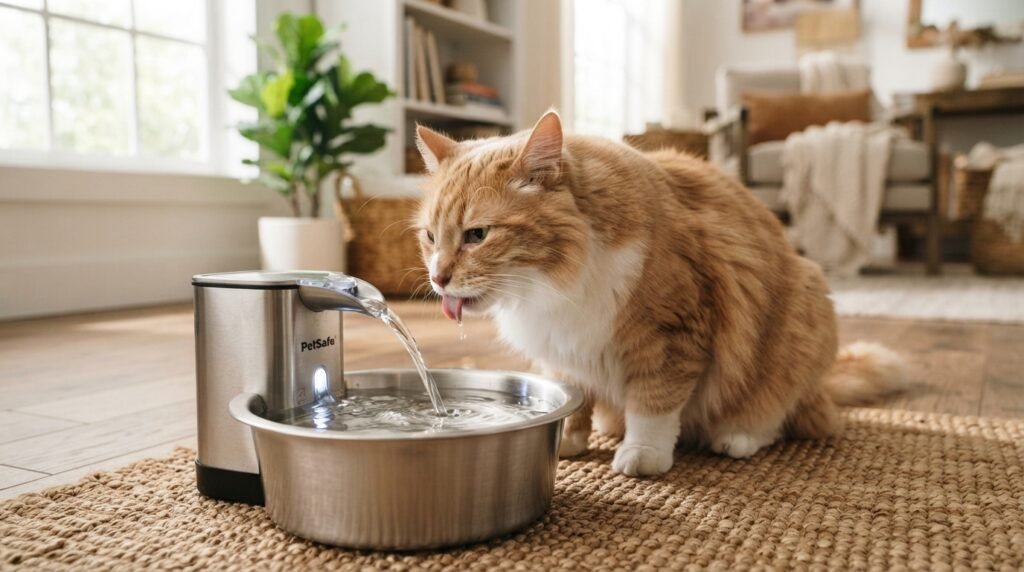
1. Your Cat May Simply Be Eating More Dry Food
One of the simplest explanations for increased drinking is a change in diet.
Dry cat food contains considerably less moisture than wet food. If your cat recently switched from canned food to kibble, they may naturally begin drinking more water to compensate.
For example, a cat that previously received much of its daily moisture from wet food may start visiting the water bowl more frequently after switching to dry food.
This does not automatically mean something is wrong.
However, if your cat has not changed diets and suddenly begins drinking substantially more water, you should look for other possible explanations.
2. Hot Weather Can Increase Thirst
Temperature can also affect how much your cat drinks.
During hot weather, cats may lose more water through normal body processes and may seek additional fluids. Indoor cats can also drink more if their home becomes unusually warm.
You might notice increased drinking during:
- Hot summer days
- Poorly ventilated rooms
- Increased indoor temperatures
- Periods of increased activity
- Travel or environmental changes
Make sure fresh, clean water is available throughout the day.
Multiple water stations can be especially useful in larger homes or homes with multiple cats.
3. Increased Activity Can Make Your Cat Thirstier
Cats that become more active may need additional water.
A young cat that spends the evening racing around the house, climbing furniture, chasing toys, or playing with another pet may naturally drink more afterward.
Likewise, cats that have recently become more active because of environmental enrichment may temporarily increase their water intake.
Increased thirst is less concerning when it clearly follows increased activity and your cat otherwise appears healthy.
The bigger concern is unexplained, persistent thirst, particularly when it occurs alongside changes in appetite, weight, urination, or energy.
4. Stress and Changes in Routine Can Affect Drinking Habits
Cats are creatures of habit. Moving to a new home, introducing another animal, changing feeding schedules, or making major changes to the household can affect their normal behaviors.
Stress can sometimes alter eating, drinking, sleeping, grooming, and litter-box habits.
However, excessive drinking should not automatically be blamed on stress.
If your cat’s water consumption remains unusually high, it is better to discuss the change with a veterinarian rather than assuming anxiety is the only explanation.
5. Diabetes Can Cause Increased Thirst
One important medical reason for increased drinking is diabetes mellitus.
When a cat develops diabetes, the body has difficulty properly regulating blood glucose. Increased thirst and increased urination can occur because excess glucose in the bloodstream can cause the kidneys to draw more water into urine.
You may notice several changes at once, such as:
- Drinking much more water
- Urinating more frequently
- Increased appetite
- Weight loss despite eating
- Reduced energy
- Changes in overall behavior
These symptoms do not prove that your cat has diabetes. Other conditions can produce similar signs.
But if increased thirst and urination are persistent, veterinary evaluation is important.
6. Kidney Disease May Lead to Increased Drinking
Kidney problems are another important reason a cat may begin drinking more water.
Healthy kidneys help regulate the body’s fluid balance and concentrate urine. When kidney function becomes impaired, cats may produce larger amounts of dilute urine. They may then drink more to replace the water they are losing.
Kidney disease is more common in older cats, although cats of different ages can develop kidney problems.
Possible signs can include:
- Increased thirst
- Increased urination
- Weight loss
- Poor appetite
- Vomiting
- Lower energy
- Changes in grooming
- Bad breath
Not every cat will show every symptom.
Because cats can hide illness surprisingly well, subtle changes in drinking and litter-box habits can sometimes be important clues.
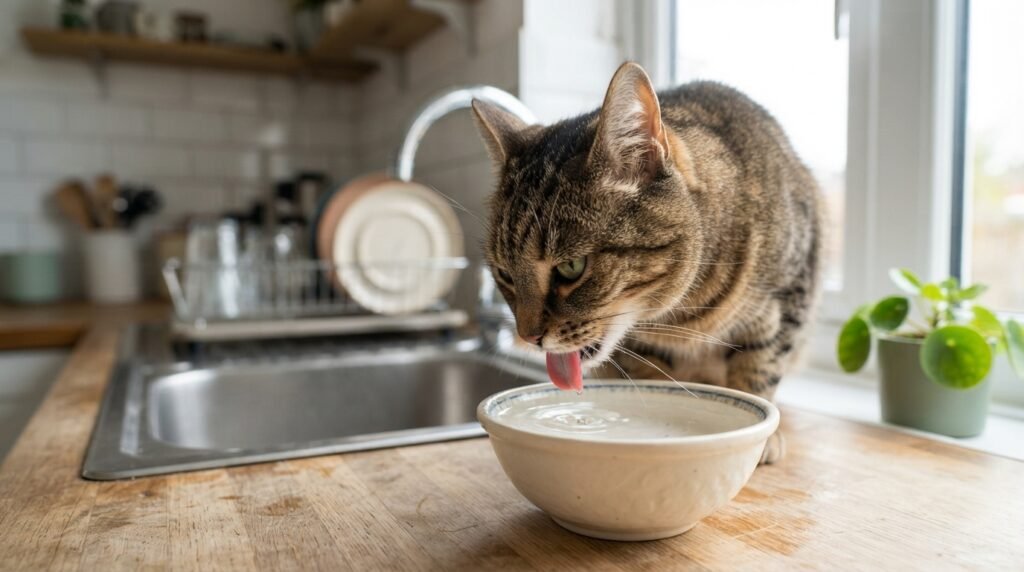
7. Urinary Problems Can Change Your Cat’s Bathroom Habits
Some urinary conditions can cause noticeable changes in how frequently a cat visits the litter box.
However, increased drinking is not the only thing to watch.
Pay attention to whether your cat:
- Visits the litter box repeatedly.
- Strains to urinate.
- Produces only small amounts of urine.
- Cries or vocalizes while urinating.
- Licks the genital area excessively.
- Urinates outside the litter box.
- Has blood in the urine.
A cat that is straining to urinate and producing little or no urine needs urgent veterinary attention, particularly if the cat is male. A urinary blockage can become life-threatening.
8. Certain Medications Can Increase Thirst
Some medications can cause cats to drink or urinate more than usual.
If your cat recently started a medication and you noticed a change in drinking behavior afterward, do not stop the medication on your own.
Instead, contact the veterinarian who prescribed it and explain what you have noticed.
Your veterinarian can determine whether increased thirst is an expected effect, whether the dose needs reviewing, or whether another problem should be investigated.
9. Liver or Hormonal Problems May Also Be Involved
Increased thirst can sometimes occur with other medical conditions, including certain liver disorders and hormonal diseases.
For example, hyperthyroidism is relatively common in older cats and can cause several noticeable changes, including increased appetite, weight loss, restlessness, vomiting, diarrhea, and increased thirst or urination in some cats.
Again, symptoms overlap between many different conditions.
That is why trying to identify the exact disease from drinking behavior alone can be misleading.
A veterinarian may need to perform a physical examination and laboratory testing to determine what is happening.
Why You Should Pay Attention to the Litter Box
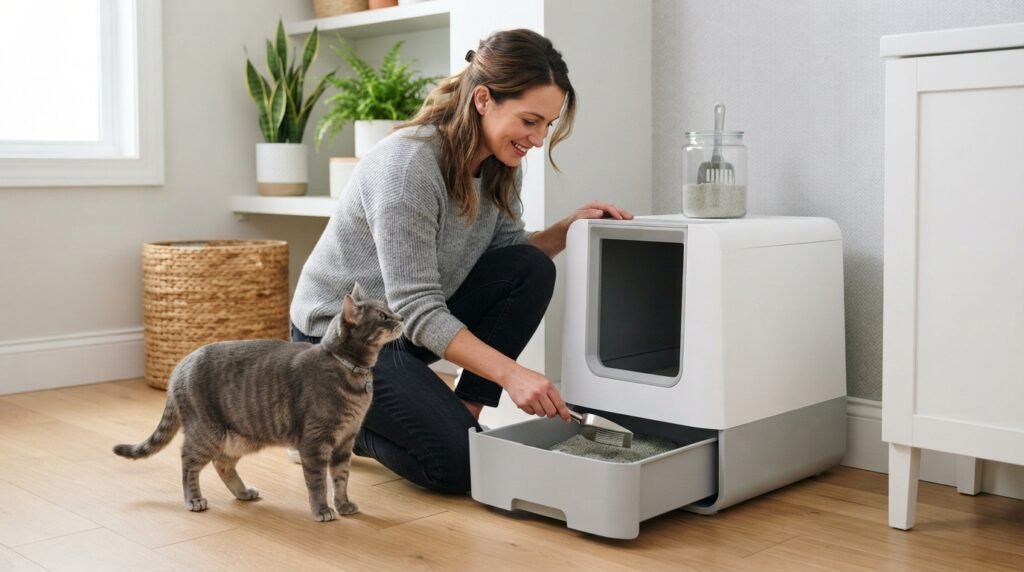
One of the easiest ways to notice a change in your cat’s water balance is to monitor the litter box.
If your cat is drinking more and producing significantly more urine, write down when you first noticed the change.
Look for:
Water intake: Is the bowl emptying faster?
Urination: Are there more or larger urine clumps?
Appetite: Is your cat eating more or less?
Weight: Does your cat appear thinner?
Energy: Is your cat sleeping more or acting differently?
Behavior: Are they hiding, restless, vocal, or unusually clingy?
These observations can provide your veterinarian with useful information.
What Should You Do If Your Cat Is Drinking More Water?
First, make sure your cat has constant access to fresh, clean water.
Do not restrict water simply because your cat is drinking a lot. If an underlying condition is causing excessive thirst or urination, limiting water can be dangerous.
Instead, monitor the situation.
Measure approximately how much water you put into the bowl and how much remains after 24 hours. If you have multiple cats, measuring individual intake can be more difficult, so separate monitoring may temporarily help.
Also note any changes in food, medication, weather, activity, or routine.
If the increased drinking is persistent or accompanied by other symptoms, contact your veterinarian.
When Is Increased Thirst an Emergency?
Increased drinking by itself is not always an emergency.
But it becomes more concerning when it appears alongside significant symptoms.
Seek prompt veterinary advice if your cat has increased thirst combined with:
- Repeated vomiting
- Severe diarrhea
- Extreme weakness
- Collapse
- Difficulty breathing
- Refusal to eat
- Sudden weight loss
- Severe lethargy
- Major changes in urination
- Straining to urinate
- Little or no urine production
For urinary blockage symptoms, especially in male cats, seek emergency veterinary care rather than waiting to see whether the problem improves.
How a Veterinarian May Investigate Excessive Thirst
If your veterinarian is concerned about your cat’s increased drinking, they may ask detailed questions about the changes you have noticed.
They may want to know:
- When the increased drinking began
- Whether appetite has changed
- Whether urination has increased
- What type of food your cat eats
- Whether your cat has lost or gained weight
- What medications or supplements your cat receives
- Whether there have been household changes
Depending on your cat’s symptoms, the veterinarian may recommend blood tests, urine testing, or other diagnostic procedures.
These tests can help identify problems involving the kidneys, blood glucose, thyroid function, urinary system, liver, and other areas of health.
Final Thoughts
So, why is your cat drinking so much water?
Sometimes the answer is simple. A change to dry food, warmer weather, increased activity, or another temporary factor can increase water consumption.
But persistent excessive thirst should not be ignored.
When increased drinking is accompanied by increased urination, weight loss, appetite changes, vomiting, low energy, or other unusual symptoms, it may indicate an underlying medical problem that needs professional evaluation.
The best thing you can do as a cat owner is learn your pet’s normal routine. When you know how much your cat usually drinks, eats, sleeps, and uses the litter box, unusual changes become much easier to recognize.
And when something doesn’t seem right, don’t rely on internet symptoms alone. Your veterinarian can evaluate your cat and determine what is actually causing the change.
Your cat’s normal behavior is one of the most valuable health clues you have. Pay attention to it.
Why Is My Cat Drinking So Much Water? 9 Important Causes Every Cat Owner Should Know
How to Tell If Your Cat Is Actually Drinking Too Much Water
One of the hardest things for cat owners is deciding whether a cat is actually drinking more water or whether they are simply noticing the behavior more often.
Cats do not always drink in front of their owners. Some prefer drinking at night, while others like fresh water from a fountain, faucet, or glass left on a table.
Because of this, counting the number of times your cat drinks is not always reliable.
A better approach is to look for a change from your cat’s normal routine.
If you normally refill the water bowl once every two days but suddenly need to refill it several times a day, that is worth paying attention to.
You should also consider whether your cat’s food has changed.
A cat eating wet food may obtain a significant amount of water from meals. A cat eating dry food receives much less moisture from food and may naturally drink more.
Try Measuring Water Intake
If you are concerned about your cat’s drinking habits, measuring water consumption for a day or two can give you useful information.
Start by filling the bowl with a measured amount of water.
For example, you could add 500 mL of water in the morning. After 24 hours, measure how much remains.
Remember that this is only an estimate because water can evaporate, spill, or be moved around by your cat.
If you have multiple pets sharing the same bowl, individual intake becomes much harder to determine. In that situation, temporarily providing separate bowls can help.
Do not force your cat to drink a specific amount.
The goal is simply to understand what is normal for your individual cat.
Increased Thirst vs. Increased Urination
Many cat owners notice increased drinking because they also notice something different in the litter box.
These two changes often occur together.
A cat that drinks more may also produce more urine. This can create larger litter clumps or require more frequent litter-box cleaning.
For example, if you normally clean three large urine clumps each day and suddenly notice five or six, take note.
The combination of increased thirst and increased urination is more meaningful than either behavior alone.
This does not tell you exactly what is wrong, but it gives your veterinarian an important clue.
Don’t Try to Diagnose Your Cat From One Symptom
Searching online for “why is my cat drinking so much water” can quickly produce a long list of diseases.
That information can be useful for understanding possibilities, but it can also cause unnecessary worry.
Increased thirst is a symptom rather than a diagnosis.
The same symptom can occur because of something relatively simple or because of an underlying medical condition.
For example, increased water intake can happen after a diet change, while it can also occur with conditions affecting the kidneys, blood glucose, thyroid, or urinary system.
The difference usually cannot be determined from drinking behavior alone.
A veterinarian may need to examine your cat and perform diagnostic testing.
Why Older Cats Deserve Extra Attention
Age is an important factor when monitoring changes in drinking behavior.
Older cats are more likely to develop certain chronic health conditions. This does not mean that every senior cat that drinks more water is sick.
It simply means that persistent changes deserve attention.
If your older cat suddenly starts:
- Drinking from the faucet
- Emptying the water bowl quickly
- Urinating more
- Losing weight
- Eating differently
- Sleeping much more
- Acting restless
- Vomiting more often
make an appointment with your veterinarian.
Early investigation can help identify potential problems before they become more advanced.
Could Your Cat Be Dehydrated?
It may seem strange, but a cat can sometimes drink more while still becoming dehydrated if the body is losing excessive amounts of water.
Dehydration can occur because of vomiting, diarrhea, reduced food intake, heat exposure, or certain illnesses.
Possible signs of dehydration can include:
- Dry or tacky gums
- Weakness
- Reduced energy
- Poor appetite
- Sunken-looking eyes
- Reduced normal behavior
However, home dehydration checks are not always reliable.
If you suspect your cat is dehydrated, especially if they are vomiting, have diarrhea, or are not eating, contact a veterinarian.
Make Water Easy for Your Cat to Access
Regardless of why your cat is drinking more, providing easy access to clean water is important.
Consider placing water bowls in several quiet areas of the home.
Some cats prefer water away from their food, while others enjoy drinking near their feeding area.
You can experiment with different bowl materials and shapes.
Some cats dislike having their whiskers touch the sides of deep bowls. A wide, shallow bowl may be more comfortable for them.
Other cats strongly prefer moving water.
A cat water fountain can encourage some cats to drink because the movement keeps the water interesting.
The most important thing is not to assume that one type of bowl works for every cat.
Keep Water Bowls Clean
Cats can be surprisingly particular about water quality.
A bowl that looks clean to you may contain saliva, food particles, dust, or other debris.
Wash water bowls regularly and replace the water with fresh water.
If you use a fountain, follow the manufacturer’s cleaning instructions and replace filters as recommended.
Good water hygiene is a simple part of everyday cat care.
Can Wet Food Help With Hydration?
Wet cat food contains considerably more moisture than dry kibble, which can contribute to a cat’s overall daily water intake.
For some cats, increasing moisture through food can be useful.
However, you should not suddenly change your cat’s diet without considering their individual nutritional needs.
If you want to change from dry food to wet food, introduce the new diet gradually when appropriate and choose a complete and balanced cat food suitable for your cat’s life stage.
If your cat has a medical condition requiring a specific diet, follow your veterinarian’s recommendations.
Should You Add Water to Cat Food?
Some cats happily accept extra water mixed into wet food.
This can be an easy way to increase moisture intake for cats that enjoy the texture.
Start with a small amount and see whether your cat accepts it.
Do not force the change if your cat refuses the food.
A cat that stops eating because the food has been altered can create a bigger problem than the original hydration concern.
For cats with specific medical conditions, discuss dietary changes with your veterinarian first.
What About Cats That Love Drinking From the Faucet?
Many cats prefer moving water.
You may notice your cat jumping onto the bathroom sink whenever you turn on the tap.
This behavior does not necessarily mean your cat is excessively thirsty.
Some cats simply find running water more appealing than still water.
If your cat has always loved drinking from the faucet and their overall water intake has remained consistent, it may simply be a preference.
However, if a cat that previously ignored the faucet suddenly becomes obsessed with drinking from it, monitor the change.
The key question is always:
Is this normal behavior for my cat, or is something different?
Keep a Simple Cat Health Journal
A small notebook or phone note can make it easier to identify gradual changes.
You can record:
Water: Approximate daily intake.
Food: What type and how much your cat eats.
Litter box: Number and size of urine clumps.
Weight: Periodic weight measurements.
Energy: Normal, increased, or reduced.
Vomiting: Whether it occurs and how often.
Stool: Any noticeable changes.
Medication: Names and doses prescribed by your veterinarian.
You do not need to record every tiny detail every day.
The goal is to create a basic picture of your cat’s normal habits.
This can be especially useful if you eventually need to speak with your veterinarian.
Questions Your Veterinarian May Ask
If you schedule an appointment because your cat is drinking more water, expect questions about their daily routine.
Your veterinarian may ask:
- When did you first notice the increased drinking?
- Has your cat’s food changed?
- Has your cat’s appetite changed?
- Is your cat urinating more?
- Have you noticed weight loss?
- Is your cat vomiting?
- Has their energy level changed?
- Are they taking medication?
- How old is your cat?
- Have there been changes in the household?
Providing clear answers can make the appointment more productive.
If possible, take notes before the visit rather than trying to remember everything while you are there.
A Simple Rule for Cat Owners
A useful rule is:
Sudden + persistent + accompanied by other symptoms = veterinary attention.
If your cat drinks slightly more after playing on a hot day, that may not be concerning.
If your cat has been drinking significantly more for several weeks and is also urinating more and losing weight, that is a different situation.
The longer a noticeable change continues, the more important it becomes to investigate.
Frequently Asked Questions
Why is my cat drinking so much water but acting normal?
Some cats drink more because of diet, weather, activity, or individual preferences. However, cats can hide illness surprisingly well. If increased drinking continues, discuss it with your veterinarian even if your cat appears normal.
Why is my cat drinking more water and peeing more?
Increased drinking and increased urination can occur together for several reasons, including dietary factors and certain medical conditions. Persistent changes should be evaluated by a veterinarian.
Do cats drink more water when they eat dry food?
Yes, cats eating dry food generally need to obtain more of their water directly from drinking because dry food contains much less moisture than wet food.
Should I stop my cat from drinking so much water?
No. Never restrict access to water because your cat appears excessively thirsty. Fresh water should remain available. If the drinking increase is unusual, seek veterinary advice.
Is drinking from the faucet a sign that my cat is sick?
Not necessarily. Many cats simply prefer moving water. What matters is whether the behavior is new and whether your cat’s overall water intake has increased.
The Bottom Line
A cat drinking more water can have a completely harmless explanation, but persistent excessive thirst should never be dismissed automatically.
Start by checking the simple things: diet, temperature, activity, access to water, and changes in routine.
Then watch the litter box and your cat’s overall behavior.
If increased drinking continues or appears alongside weight loss, appetite changes, increased urination, vomiting, weakness, or other unusual symptoms, contact your veterinarian.
Your cat cannot tell you when something feels wrong. Small changes in everyday habits can sometimes be among the first clues that your pet needs attention.
By knowing your cat’s normal drinking, eating, and litter-box habits, you can spot unusual changes earlier and make better decisions about their care.
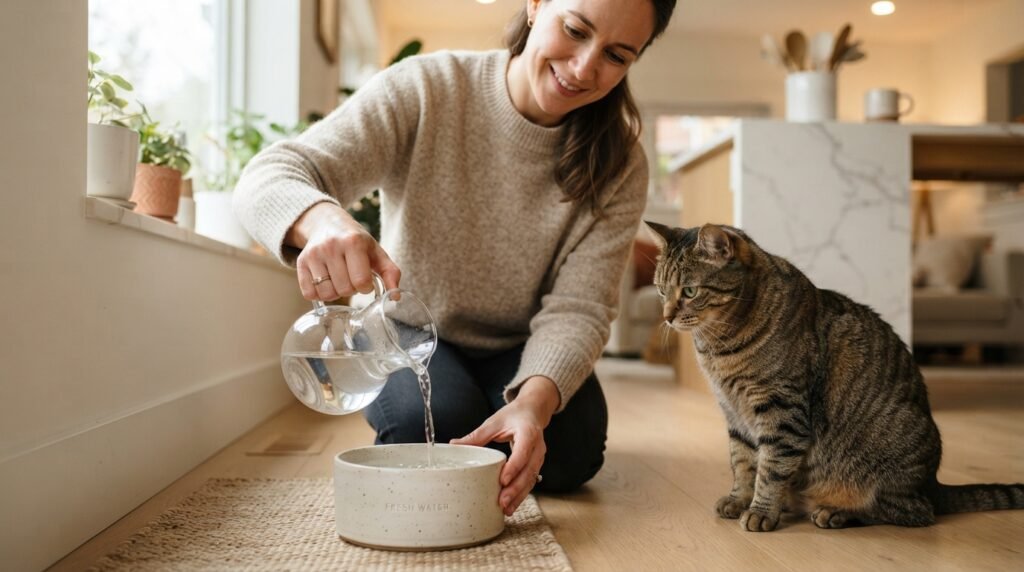
Cat Hydration: Practical Ways to Help Your Cat Drink Enough Water
Understanding why your cat is drinking more water is important, but hydration itself deserves attention too. Water supports nearly every major function in a cat’s body, including digestion, circulation, temperature regulation, and normal organ function.
Some cats are naturally enthusiastic drinkers. Others barely seem interested in their water bowl.
Instead of trying to force your cat to drink a specific amount, focus on creating an environment where clean, fresh water is always easy and appealing to access.
Offer More Than One Water Station
If you have a large home, placing only one water bowl in one room may not be ideal.
Consider keeping several water stations around the house, especially in areas your cat regularly visits.
For example, you might have one:
- In the kitchen
- Near a favorite sleeping area
- In another quiet room
- Away from busy household traffic
Multiple bowls can also be helpful in multi-cat households.
Some cats prefer drinking alone and may avoid a bowl if another cat frequently guards or approaches the area.
Keep Water Away From the Litter Box
Cats generally prefer clean areas for eating and drinking.
Place water bowls away from litter boxes whenever possible.
A quiet location where your cat can drink without being disturbed may make the experience more comfortable.
If your cat suddenly avoids a water bowl that is located near a noisy appliance, busy doorway, or litter box, try moving it to a calmer location.
Experiment With Bowl Types
Cats can have surprisingly strong preferences about their drinking bowls.
Some prefer ceramic bowls.
Others like stainless steel.
Some cats tolerate plastic bowls but may be more comfortable with another material.
A wide, shallow bowl can also be useful for cats that dislike having their whiskers touch the sides.
You do not need to buy an expensive collection of bowls.
Try a few safe, easy-to-clean options and observe which one your cat naturally prefers.
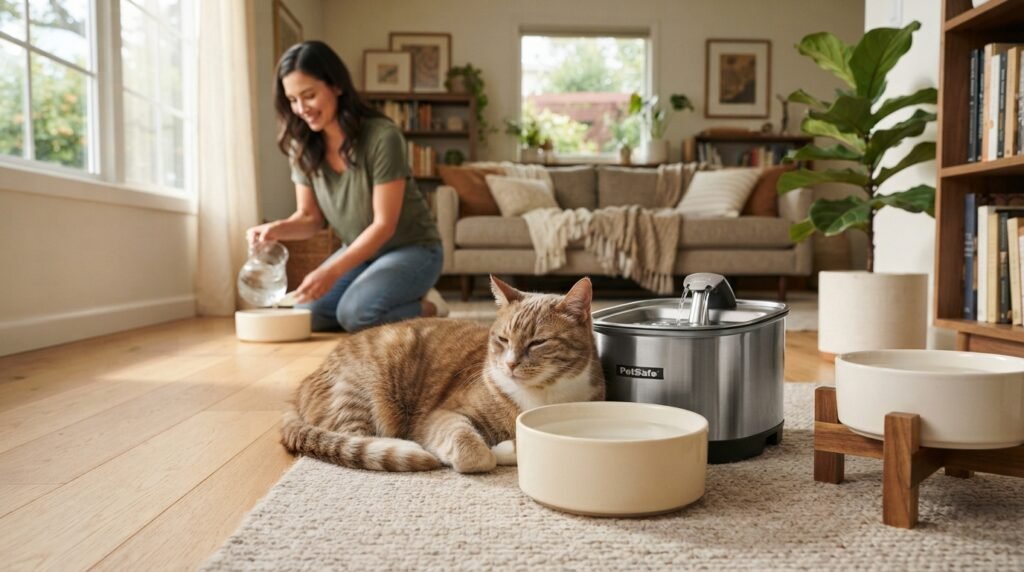
Consider a Cat Water Fountain
Some cats are attracted to moving water.
A fountain can provide continuously circulating water and may encourage certain cats to drink more frequently.
If you introduce one, give your cat time to investigate it.
Do not immediately remove every traditional water bowl.
Some cats need several days to become comfortable with a new fountain.
Keep the fountain clean and follow its cleaning and filter-replacement instructions.
A fountain should complement good hydration habits, not replace basic water hygiene.
Freshness Matters
Would you want to drink water that had been sitting uncovered for several days?
Your cat may not either.
Refresh water regularly, especially if your cat’s bowl collects hair, dust, food particles, or other debris.
During warm weather, check water more frequently.
If your cat has access to outdoor areas, make sure they also have a dependable source of clean drinking water outside.
Wet Food Can Contribute to Daily Water Intake
One of the simplest ways cats receive water is through food.
Wet cat food contains a substantial amount of moisture, which means a cat eating wet food may consume less water directly from a bowl.
This is normal.
For example, two cats may have very different drinking habits even when both are perfectly healthy:
Cat A: Primarily eats wet food and drinks small amounts from a bowl.
Cat B: Primarily eats dry food and drinks frequently throughout the day.
Looking only at bowl drinking without considering diet can give a misleading impression.
Don’t Force Water Into Your Cat’s Mouth
If you are worried about dehydration, it can be tempting to try forcing water into your cat’s mouth.
Avoid doing this unless a veterinarian has specifically instructed you how to provide fluids safely.
Forcing liquids can create stress and, if done incorrectly, can cause aspiration.
Instead, provide fresh water and contact your veterinarian if you believe your cat is dehydrated or unwell.
A veterinarian can determine whether your cat needs professional fluid therapy or another form of treatment.
Watch for Changes in Appetite
Water intake is only one piece of the health puzzle.
A cat that suddenly drinks more while eating normally may have a different situation from a cat that drinks more while refusing food.
Changes in appetite can provide important context.
Pay attention if your cat:
- Suddenly eats much less
- Stops eating
- Becomes unusually hungry
- Begs for food constantly
- Loses weight despite eating
- Shows difficulty chewing
Any significant or persistent appetite change deserves attention.
Cats that stop eating can become seriously ill, so prolonged food refusal should not be ignored.
Weight Changes Can Be an Important Clue
A change in body weight can help put increased drinking into context.
For example, increased thirst combined with unexplained weight loss is more concerning than increased drinking alone.
You may not notice gradual weight loss simply by looking at your cat every day.
Regular weighing can help identify changes earlier.
If your cat is small enough, you can sometimes weigh yourself while holding your cat and then subtract your own weight.
For greater accuracy, use a pet scale when available.
Record the date and weight so you can compare measurements over time.
Look at Your Cat’s Energy Level
Cats sleep a lot, so it can be difficult to determine whether they are genuinely lethargic.
Think about your cat’s normal behavior.
Does your cat usually run toward the food bowl?
Do they chase toys?
Do they greet you?
Do they jump onto furniture?
Do they groom normally?
If your normally energetic cat suddenly spends most of the day hiding or sleeping and is also drinking significantly more, that combination deserves veterinary attention.
Changes in Grooming Can Also Matter
Healthy cats usually spend considerable time grooming themselves.
A cat that suddenly stops grooming may not be feeling well.
You may notice:
- Greasy-looking fur
- Mats developing
- A generally unkempt coat
- Less interest in grooming
- Excessive grooming of one area
Changes in grooming are not specific to one disease, but they can provide additional information when combined with changes in drinking, appetite, urination, or behavior.
Pay Attention to Vomiting and Diarrhea
Vomiting and diarrhea can cause fluid loss.
If your cat is losing fluids through the digestive system, they may become thirstier.
Occasional vomiting can happen in cats, but repeated vomiting is different.
Contact your veterinarian if vomiting or diarrhea is persistent, severe, contains blood, or occurs with weakness, dehydration, refusal to eat, or other concerning symptoms.
A cat with multiple symptoms should be evaluated rather than treated at home based solely on internet advice.
Don’t Assume More Drinking Is Always Better
Water is essential, but more is not necessarily better.
If your cat suddenly begins drinking dramatically more than normal, the goal is not to celebrate the increased hydration.
The change itself is what matters.
A healthy cat that naturally drinks more because of a dry-food diet is different from a cat whose thirst has increased because the body is losing unusually large amounts of water.
That distinction is why persistent changes should be investigated.
What You Can Track at Home
If you are concerned about your cat’s water consumption, create a simple observation record.
Write down:
Date: When did the change begin?
Water: Approximately how much is consumed?
Food: Wet, dry, or mixed diet?
Urination: More, less, or unchanged?
Appetite: Normal or changed?
Weight: Stable or changing?
Energy: Normal, lower, or unusually restless?
Other symptoms: Vomiting, diarrhea, coughing, hiding, behavior changes, etc.
This information can be extremely useful during a veterinary appointment.
When You Should Call Your Veterinarian
You should consider contacting your veterinarian if your cat has a persistent increase in drinking that cannot be explained by something obvious such as a recent diet change or hot weather.
Call sooner if the increased thirst occurs with:
- Increased urination
- Weight loss
- Reduced appetite
- Increased appetite with weight loss
- Vomiting
- Diarrhea
- Weakness
- Poor grooming
- Behavioral changes
- Difficulty urinating
If your cat is unable to urinate or repeatedly strains without producing urine, seek emergency veterinary care.
Final Cat Hydration Checklist
Good hydration starts with simple habits.
Make sure your cat has access to clean water every day.
Provide enough water stations for your household.
Keep bowls clean.
Consider whether your cat prefers ceramic, stainless steel, or another safe bowl type.
Try a fountain if your cat enjoys moving water.
Remember that wet food contributes significant moisture.
Monitor litter-box habits.
Pay attention to appetite, weight, energy, and grooming.
And most importantly, learn what is normal for your individual cat.
A change from normal is often more useful information than a specific number.
Conclusion
If your cat is drinking more water than usual, don’t immediately assume the worst—but don’t ignore a persistent change either.
Start by looking at simple factors such as diet, weather, exercise, and access to water. Then monitor your cat’s litter box, appetite, weight, and behavior.
If the change continues or additional symptoms appear, your veterinarian can help determine the cause.
The goal isn’t simply to make your cat drink more water.
The goal is to understand why their drinking behavior changed and make sure they remain healthy, comfortable, and properly hydrated.
A few minutes of observation each day can make a meaningful difference in recognizing changes early.
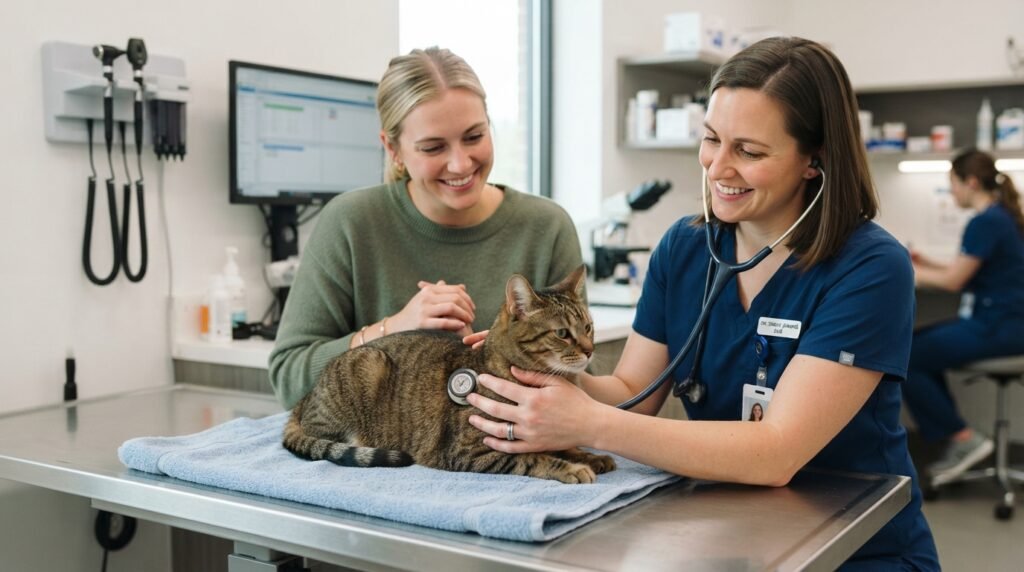
What Will the Vet Check If Your Cat Is Drinking Too Much Water?
If your cat has been drinking noticeably more water for several days or weeks, a veterinary appointment can help determine whether the change is simply related to lifestyle or whether an underlying health problem is involved.
The good news is that increased thirst does not automatically mean your cat has a serious disease. Many different factors can influence drinking habits.
The veterinarian’s job is to look at the complete picture rather than focusing on water consumption alone.
Your Cat’s Medical History Comes First
Before performing tests, your veterinarian will usually ask questions about your cat’s normal routine.
Be prepared to explain:
- When you first noticed increased drinking
- Whether the change happened suddenly or gradually
- What type of food your cat eats
- Whether the diet recently changed
- Whether your cat is urinating more frequently
- Whether you noticed weight loss
- Whether appetite has changed
- Whether your cat is vomiting
- Whether diarrhea is present
- What medications your cat receives
- Whether your cat’s behavior has changed
The more accurate information you can provide, the easier it may be for your veterinarian to understand the situation.
A Physical Examination Can Reveal Important Clues
Your veterinarian may examine your cat from head to tail.
This can include checking:
- Body weight
- Body condition
- Heart rate
- Breathing
- Gums
- Hydration status
- Coat and skin
- Abdomen
- Eyes
- Mouth
- Thyroid area
- Overall muscle condition
Even when a cat appears normal at home, a physical examination can sometimes reveal subtle abnormalities.
Blood Testing May Be Recommended
Bloodwork is commonly used when a cat has unexplained changes in drinking or urination.
Depending on your cat’s age and symptoms, your veterinarian may evaluate markers related to:
- Kidney function
- Blood glucose
- Liver function
- Electrolytes
- Red and white blood cells
- Thyroid function
These tests can help narrow down possible causes.
For example, increased thirst combined with increased urination and weight loss may prompt your veterinarian to investigate blood glucose and kidney-related values.
Urine Testing Is Also Important
A urine sample can provide valuable information about how your cat’s body is handling water.
Your veterinarian may evaluate urine concentration, glucose, blood, protein, sediment, and other factors depending on the circumstances.
Urinalysis can be especially helpful when a cat is drinking and urinating more than usual.
Sometimes bloodwork and urine testing together provide a much clearer picture than either test alone.
Why Early Investigation Matters
Cats are experts at hiding signs of illness.
A cat may continue eating, grooming, and interacting with the family while an underlying problem is developing.
This is one reason small changes can matter.
If you notice that your cat’s water consumption has gradually increased over weeks or months, don’t wait until your cat becomes obviously sick before mentioning it to your veterinarian.
Early evaluation does not guarantee a particular outcome, but it can help identify problems sooner.
Common Mistakes Cat Owners Should Avoid
Mistake 1: Restricting Water
Never deliberately limit water because your cat is drinking more than you think they should.
If the body is losing excessive water, restricting access can make dehydration worse.
Always provide clean drinking water.
Mistake 2: Assuming It Is Just the Weather
Hot weather can certainly increase thirst.
But if your cat continues drinking excessively after temperatures return to normal, investigate further.
Mistake 3: Blaming Everything on Dry Food
Dry food can increase drinking because it contains less moisture than wet food.
However, a sudden and dramatic increase in thirst should not automatically be blamed on kibble.
Mistake 4: Waiting for Severe Symptoms
You do not need to wait until your cat is extremely sick before contacting a veterinarian.
Persistent changes in drinking or urination are worth discussing.
Mistake 5: Changing Medication Without Advice
If you suspect medication is causing increased thirst, speak with your veterinarian.
Do not stop prescribed medication without professional guidance.
What Can Cat Owners Do Today?
If your cat is currently drinking more water than usual, start with observation.
Step 1: Check the Food
Has your cat recently switched from wet food to dry food?
Has the brand or recipe changed?
Is your cat eating less wet food than before?
Step 2: Check the Environment
Has the weather become hotter?
Is your home warmer than usual?
Has your cat become more active?
Step 3: Check the Litter Box
Are urine clumps larger?
Are there more clumps?
Is your cat visiting the litter box more often?
Is your cat straining?
Step 4: Check Your Cat’s Body and Behavior
Has your cat lost weight?
Is appetite different?
Are they sleeping more?
Are they hiding?
Are they grooming normally?
Step 5: Contact Your Veterinarian if the Change Persists
If you cannot explain the increased drinking or other symptoms are present, arrange a veterinary evaluation.
Creating a Cat-Friendly Hydration Routine
You can encourage healthy drinking habits without forcing your cat to drink.
Keep fresh water available throughout the day.
Wash bowls regularly.
Offer multiple drinking locations.
Consider a water fountain if your cat prefers moving water.
Provide moisture-rich food when appropriate for your cat’s nutritional needs.
Keep water bowls away from litter boxes.
Observe which setup your cat naturally prefers.
These simple changes can make drinking more convenient.
What If Your Cat Refuses Water?
A cat that suddenly refuses water should be watched carefully, especially if they are also refusing food or showing other signs of illness.
Do not assume they are fine simply because they are not thirsty.
Cats obtain some water from food, but a significant reduction in both food and water intake can become concerning.
If your cat is not eating, appears weak, is vomiting, or otherwise seems unwell, contact your veterinarian promptly.
What If Your Cat Drinks a Lot but Eats Normally?
This situation can still deserve attention.
Cats with certain medical conditions may maintain a normal appetite, particularly during the early stages.
That’s why drinking behavior should be considered alongside urination, body weight, energy level, and other signs.
If your cat has consistently started drinking much more than before, mention it to your veterinarian even if everything else appears normal.
What If Your Cat Is Losing Weight?
Increased thirst plus unexplained weight loss is particularly important to investigate.
Weight loss can happen for many reasons, including insufficient calorie intake, digestive problems, metabolic conditions, and other illnesses.
If your cat is eating normally or even eating more while losing weight and drinking more, make a veterinary appointment.
Don’t try to correct unexplained weight loss by simply increasing food portions without finding the underlying cause.
A Healthy Cat’s Water Habits Can Vary
There is no requirement that every healthy cat drink exactly the same amount.
Some cats are enthusiastic water drinkers.
Others obtain much of their daily moisture from food.
Some prefer fountains.
Others prefer a quiet ceramic bowl.
Your cat’s individual routine matters.
Instead of comparing your cat with another cat online, focus on changes in your own cat’s normal behavior.
Final Takeaway
If you’ve been asking, “Why is my cat drinking so much water?”, the answer could range from something simple, such as a diet change or warm weather, to a medical condition requiring veterinary care.
The most useful thing you can do is observe the complete pattern.
Look at drinking, urination, appetite, weight, energy, grooming, and behavior together.
Provide unlimited access to clean water, avoid home diagnosis based on one symptom, and contact your veterinarian when the change is persistent, unexplained, or accompanied by other concerning signs.
Your cat’s everyday habits are valuable health information.
Learning those habits today can help you recognize when tomorrow’s behavior is different.
Why Is My Cat Drinking So Much Water? A Complete Guide for Cat Owners
If your cat suddenly seems obsessed with the water bowl, you may be asking yourself whether something is wrong.
A change in drinking habits can be easy to overlook because cats have different personalities and preferences. Some cats drink frequently, while others get most of their water from wet food and rarely visit their bowl.
The key is to recognize what is normal for your cat.
If your cat has always been a big drinker, there may be nothing unusual happening. But if your cat suddenly begins drinking considerably more than before, particularly when the change continues for several days or is accompanied by other symptoms, it deserves attention.
The Most Important Things to Remember
When you notice increased thirst, don’t focus only on the water bowl.
Look at the entire picture.
Ask yourself:
Has the diet changed?
A switch from wet food to dry food can increase drinking.
Is the weather hotter?
Warm temperatures can temporarily increase water needs.
Is your cat more active?
More activity can naturally increase thirst.
Is your cat urinating more?
Increased urination alongside increased drinking is particularly important to mention to your veterinarian.
Has your cat lost weight?
Unexplained weight loss combined with increased thirst deserves professional evaluation.
Has appetite changed?
Eating much more or much less can provide additional clues.
Is your cat behaving differently?
Hiding, weakness, restlessness, reduced grooming, or other unusual behavior may indicate that your cat is not feeling well.
A Practical 24-Hour Observation
If you’re unsure whether your cat is drinking more, spend one day paying close attention.
In the morning, measure how much water you place in the bowl.
Throughout the day, observe whether your cat drinks from:
- Water bowls
- Fountains
- Faucets
- Cups or glasses
- Outdoor water sources
At the same time, monitor the litter box.
You don’t need to obsess over every sip.
The purpose is simply to determine whether there is a noticeable change.
If your cat shares water with another pet, individual measurement becomes difficult. Providing separate water bowls temporarily can make observation easier.
Don’t Forget About Food Moisture
One of the biggest reasons cat drinking habits can be misunderstood is food moisture.
Wet food contains a large amount of water.
Dry food contains much less.
That means a cat eating primarily wet food may drink relatively little from a bowl while still consuming plenty of water overall.
A cat eating mostly dry food may drink more because they need to obtain additional moisture directly.
So before becoming worried about a particular number, ask:
What is my cat eating every day?
Cats Can Hide Illness
One of the reasons cat owners should pay attention to changes in drinking is that cats may hide signs of illness.
A cat may continue walking around the house and interacting with you even when something is wrong.
Subtle changes may appear first.
Maybe your cat is drinking more.
Maybe the litter box is filling faster.
Maybe your cat is sleeping a little more.
Maybe their coat doesn’t look as well groomed.
Maybe they are losing weight slowly.
None of these signs alone proves a specific illness.
Together, however, they may be enough reason to contact a veterinarian.
Don’t Wait for Your Cat to Look Extremely Sick
Many owners make the mistake of waiting until a cat stops eating, becomes extremely weak, or shows dramatic symptoms.
That isn’t always necessary.
If you notice a persistent unexplained change, you can contact your veterinary clinic and ask whether your cat should be examined.
It is much better to ask a professional about a potentially minor issue than to ignore a significant change because your cat still appears relatively normal.
Common Causes at a Glance
Here is a simple overview:
| Possible reason | What you might notice |
|---|---|
| Dry-food diet | More drinking after switching foods |
| Hot weather | Temporary increase in thirst |
| Increased activity | Drinking after play |
| Environmental changes | Drinking changes around routine changes |
| Diabetes | Increased thirst and urination, possible weight loss |
| Kidney problems | Increased thirst and urination, possible weight loss |
| Hyperthyroidism | Possible weight loss, increased appetite, restlessness |
| Medication effects | Drinking increases after starting certain medicines |
| Other medical conditions | Drinking plus additional unusual symptoms |
This table is not a diagnostic tool.
Only a veterinarian can determine what is causing persistent excessive thirst.
How to Make Water More Appealing
You can support healthy hydration by making water easy to access.
Try these simple ideas:
Keep Water Fresh
Replace old water regularly.
Use Multiple Bowls
Place bowls in several quiet areas.
Test Different Bowl Shapes
Some cats prefer wide, shallow dishes.
Consider a Fountain
Moving water appeals to some cats.
Keep Bowls Clean
Wash them regularly to remove residue and debris.
Provide Moisture-Rich Food
Wet food can contribute significantly to daily water intake when it is appropriate for your cat.
When Increased Drinking Is More Concerning
Increased thirst becomes more concerning when it is:
Sudden: The behavior changed quickly.
Persistent: It continues rather than returning to normal.
Unexplained: There was no diet, weather, or activity change.
Combined with other symptoms: Weight loss, appetite changes, vomiting, diarrhea, weakness, or abnormal urination are present.
This pattern is a good reason to contact your veterinarian.
Emergency Warning Signs
Some symptoms require more urgent action.
If your cat is repeatedly straining to urinate and producing little or no urine, seek emergency veterinary care.
This is particularly important for male cats because urinary obstruction can become life-threatening.
Other serious signs include:
- Collapse
- Severe weakness
- Difficulty breathing
- Repeated vomiting
- Severe dehydration
- Extreme lethargy
- Blood in urine
- Sudden inability to walk normally
When your cat appears seriously unwell, don’t wait for drinking behavior to return to normal on its own.
The Best Cat Care Habit You Can Develop
You don’t need to become a veterinary expert to become better at monitoring your cat.
Simply learn your cat’s normal routine.
Know:
- How much they normally eat
- What type of food they prefer
- How frequently they use the litter box
- How active they usually are
- How much they normally drink
- How their coat normally looks
- How they behave when they’re feeling well
Once you know your cat’s baseline, changes become easier to spot.
Frequently Asked Questions
Is it normal for cats to drink a lot of water?
It depends on the individual cat. Diet, body size, activity, temperature, and health all affect water needs. A sudden increase from your cat’s usual drinking pattern is more important than comparing your cat with another cat.
Why is my cat drinking lots of water but not eating?
A cat that is drinking significantly more while refusing food should be taken seriously. Contact your veterinarian, especially if the behavior continues or your cat appears weak, nauseous, or lethargic.
Why is my cat drinking more water and losing weight?
Several conditions can cause this combination, including some metabolic and kidney-related disorders. It is not possible to determine the cause from symptoms alone, so veterinary evaluation is recommended.
Should I give my cat milk instead of water?
Water should remain your cat’s primary drinking fluid. Milk is not necessary for adult cats and can cause digestive upset in some cats.
Can a water fountain help my cat drink more?
Some cats enjoy moving water and may drink more readily from a fountain. Others prefer traditional bowls. A fountain is an optional tool, not a requirement.
How can I tell if my cat is dehydrated?
Possible signs include tacky gums, weakness, reduced appetite, and changes in normal behavior. Home checks are not always reliable, so contact your veterinarian if dehydration is suspected.
Final Thoughts
So, why is your cat drinking so much water?
There isn’t one universal answer.
Your cat may simply be responding to warmer weather, increased activity, or a dry-food diet. But persistent unexplained thirst can also be associated with health problems that require veterinary attention.
The smartest approach is simple:
Observe. Record. Don’t restrict water. And seek professional advice when the change persists or other symptoms appear.
Your cat’s drinking habits may seem like a small part of daily life, but changes in those habits can provide valuable information about their overall health.
Pay attention to the little things.
Sometimes, noticing one small change early is one of the best things you can do for your cat.
Medical Disclaimer
This article is for general educational purposes and is not a substitute for veterinary diagnosis or treatment. If your cat has persistent increased thirst, unusual urination, weight loss, vomiting, weakness, difficulty urinating, or any other concerning symptoms, contact a qualified veterinarian. In an emergency, seek immediate veterinary care.

hammadniazi6663@gmail.com
Contributor at PetZuoo, publishing practical information for pet owners and animal lovers.
Related guides

Why Do Dog Tilt Their Heads? 9 Fascinating Reason
Why Do Dog Tilt Their Heads? 9 Fascinating Reason Behind This Adorable Behavior. Have you ever spoken to your dog and watched…
Cat Chattering at Birds: 7 Amazing Reasons Explained
Cat Chattering at Birds: 7 Amazing Reasons Explained. Have you ever noticed your cat sitting beside a window, watching birds outside, and…
Why Do Cats Chirp at Birds? 7 Fascinating Reasons
Why Do Cats Chirp at Birds? 7 Fascinating Reasons Behind This Cute Cat Behavior, Have you ever watched your cat sitting beside…