Dog Paw Problems: 9 Causes, Warning Signs & Safe Solutions. Your dog’s paws work hard every day. They carry your dog across floors, grass, sidewalks, soil, and other surfaces while helping them run, play, explore, and stay active. Because paws have so much daily contact with the environment, they can also become irritated, injured, dry, or infected.
If you have noticed your dog constantly licking their paws, chewing between their toes, limping, or developing red and irritated paw pads, it is worth paying attention. Sometimes the problem is minor and temporary, but persistent paw discomfort can be a sign that your dog needs professional care.
The good news is that many common paw problems can be recognized early. Understanding the possible causes can help you protect your dog’s paws and know when a veterinarian should become involved.
What Should Healthy Dog Paws Look Like?
Healthy dog paws generally have firm paw pads without significant swelling, bleeding, cracks, unusual discharge, or a strong unpleasant odor.
The skin between the toes should also look relatively calm. Your dog’s paw pads may naturally be rough because they are designed to handle everyday walking, but they should not normally be severely cracked, bleeding, or painfully swollen.
Every dog is different, so becoming familiar with your dog’s normal paws can make it easier to notice changes.
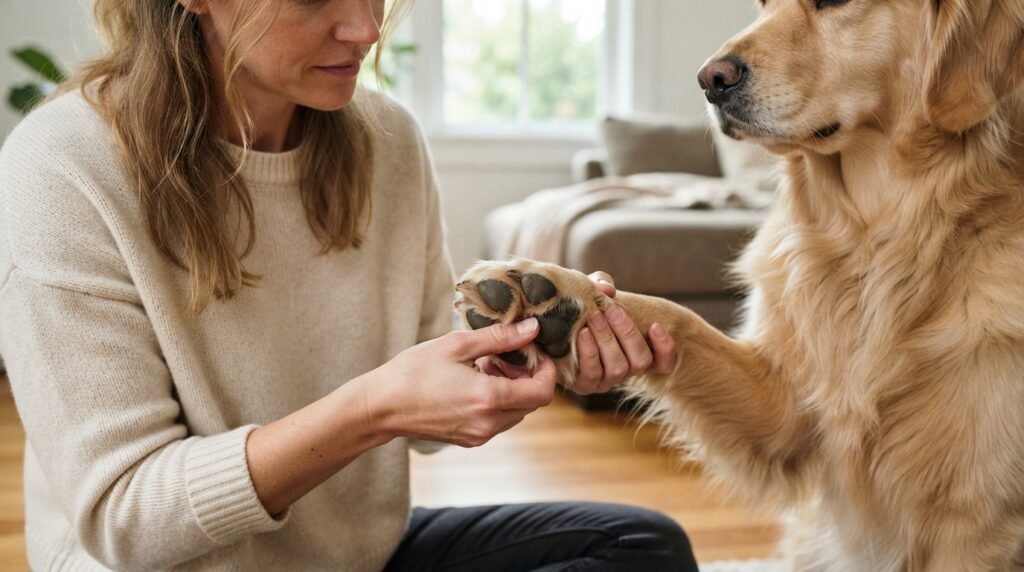
Check your dog’s paws regularly, especially after long walks, outdoor adventures, or exposure to hot, cold, rough, or unfamiliar surfaces.

9 Common Causes of Dog Paw Problems
Dog paw irritation can have many causes. Some are environmental, while others may involve allergies, infections, injuries, or underlying skin problems.
1. Excessive Paw Licking
Occasional paw licking can be normal. Dogs may lick their paws while grooming themselves or after getting something on them.
However, repeated or obsessive licking deserves attention.
A dog that constantly licks one or more paws may be experiencing irritation, itching, pain, allergies, a small injury, or another problem.
The constant moisture caused by licking can also make irritated skin worse. In some cases, it can create an environment where microorganisms can multiply.
If your dog suddenly begins licking their paws much more than usual, inspect the paws carefully and monitor the behavior.
2. Environmental Allergies
Allergies are another common reason dogs develop itchy or irritated feet.
Dogs can react to substances in their environment, including pollen, grasses, dust, or other allergens. Paw licking may become particularly noticeable after spending time outdoors.
You might also notice itching in other areas of the body, such as the ears, face, belly, or legs.
If paw licking continues despite regular cleaning and your dog appears generally itchy, speak with your veterinarian. Determining the underlying trigger is more useful than simply trying to stop the licking.
3. Hot Pavement and Burned Paw Pads
During hot weather, sidewalks and asphalt can become extremely warm.
Your dog’s paw pads may be tougher than human skin, but they are not immune to burns.
Signs of a paw-pad burn can include:
- Reluctance to walk
- Limping
- Excessive licking
- Red or damaged paw pads
- Blisters
- Peeling skin
- Visible pain
During very hot weather, choose cooler walking times and avoid surfaces that feel excessively hot.
If you suspect your dog has burned their paws, do not ignore the injury. Significant burns require veterinary assessment.
4. Cracked or Dry Paw Pads
Dry weather, rough surfaces, excessive exercise, and other environmental conditions can contribute to dry or cracked paw pads.
Small amounts of roughness may be normal. Deep cracks, bleeding, swelling, or obvious pain are not.
Dogs with damaged paw pads may begin licking or chewing their feet because the area feels uncomfortable.
Avoid applying random human skincare products to your dog’s paws. Some ingredients may be unsuitable for dogs, especially if your pet is likely to lick the product.
If your dog’s pads are persistently dry or cracked, ask your veterinarian about appropriate paw-care products.
5. Cuts, Splinters and Foreign Objects
Dogs can step on sharp objects while walking outside.
Small stones, plant material, thorns, glass fragments, or other debris can become trapped between the toes or inside the paw.
A dog with something stuck in the paw may suddenly limp, lift one foot, lick a particular paw repeatedly, or avoid putting weight on it.
Carefully inspect the paw if your dog allows it.
If a foreign object is deeply embedded, do not aggressively dig into the paw at home. A veterinarian can safely assess the injury and remove the object when necessary.
6. Yeast or Bacterial Overgrowth
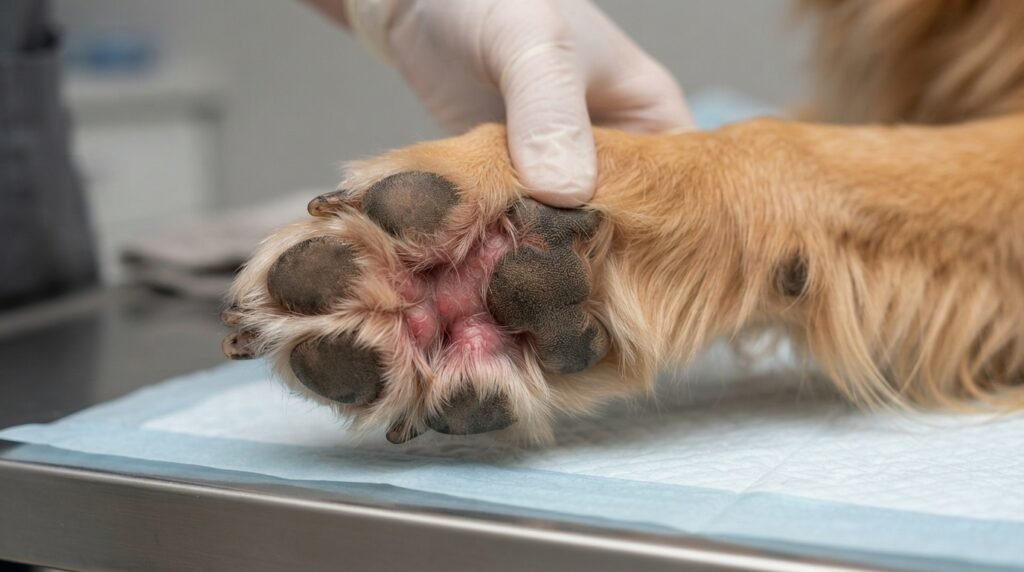
Persistent moisture, allergies, skin damage, and other conditions can contribute to microbial overgrowth around the paws.
Possible signs include:
- Red skin
- Persistent licking
- Swelling
- Unusual odor
- Brownish staining around the fur
- Discharge
- Thickened skin
- Pain or sensitivity
Paw infections can look similar to other causes of irritation, so guessing the cause based only on appearance may lead to inappropriate treatment.
If your dog’s paw problem is persistent, worsening, or accompanied by discharge or significant odor, veterinary evaluation is important.
7. Parasites
Certain parasites can contribute to itching and skin irritation.
Although parasites may not always be the first explanation for paw licking, they should be considered when a dog has widespread itching or other unusual skin symptoms.
Regular parasite prevention recommended by your veterinarian can help protect your dog.
8. Overgrown Nails
Long nails can change the way a dog places their feet and walks.
When nails become excessively long, they may cause discomfort and increase the chance of a nail catching on something.
Check your dog’s nails regularly. If you are uncomfortable trimming them yourself, a professional groomer or veterinary team can help.
9. Injuries and Underlying Health Problems
Sometimes paw irritation is connected to a larger health issue.
Repeated swelling, sores, painful areas, recurring infections, or persistent licking should not simply be treated as a grooming problem.
If the same paw problem keeps returning, finding the underlying cause is more important than repeatedly treating the visible symptoms.
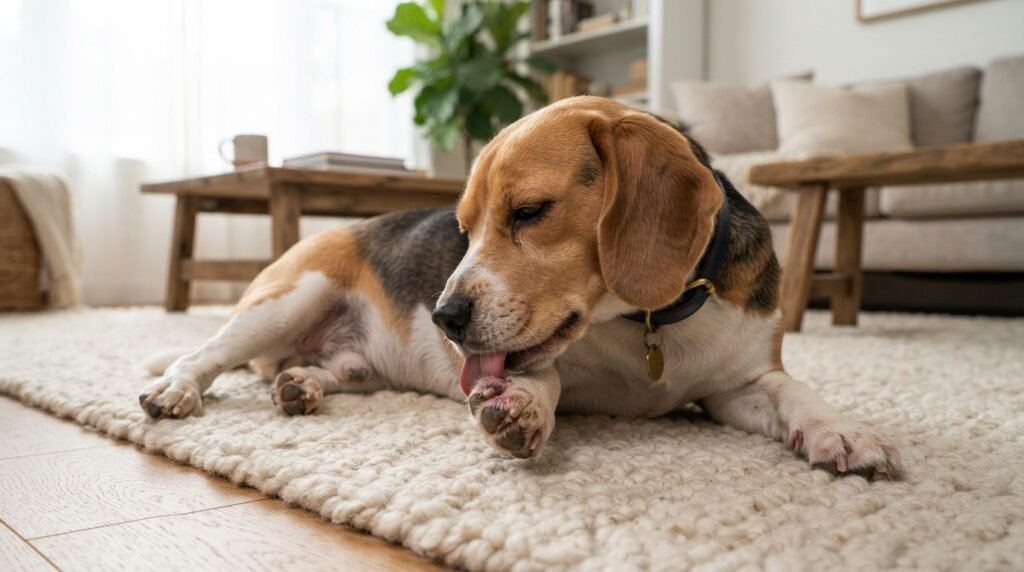
Why Is My Dog Licking Their Paws?
This is one of the most common questions dog owners ask.
A dog may lick their paws because of:
- Mild irritation
- Allergies
- A small cut
- Dry skin
- Something stuck between the toes
- Inflammation
- Infection
- Pain
- Anxiety or boredom
The key is to look at the pattern.
If your dog briefly licks their paws after coming inside from a walk, that may not be concerning.
If your dog spends several minutes repeatedly licking the same paw every day, wakes up at night to lick their feet, or develops red and damaged skin, something more significant may be happening.
Safe Paw Care at Home
Basic paw hygiene can help keep your dog’s feet clean and allow you to notice problems early.
After outdoor walks, gently check the paws for:
- Mud
- Small stones
- Plant material
- Cuts
- Swelling
- Redness
- Cracked pads
- Broken nails
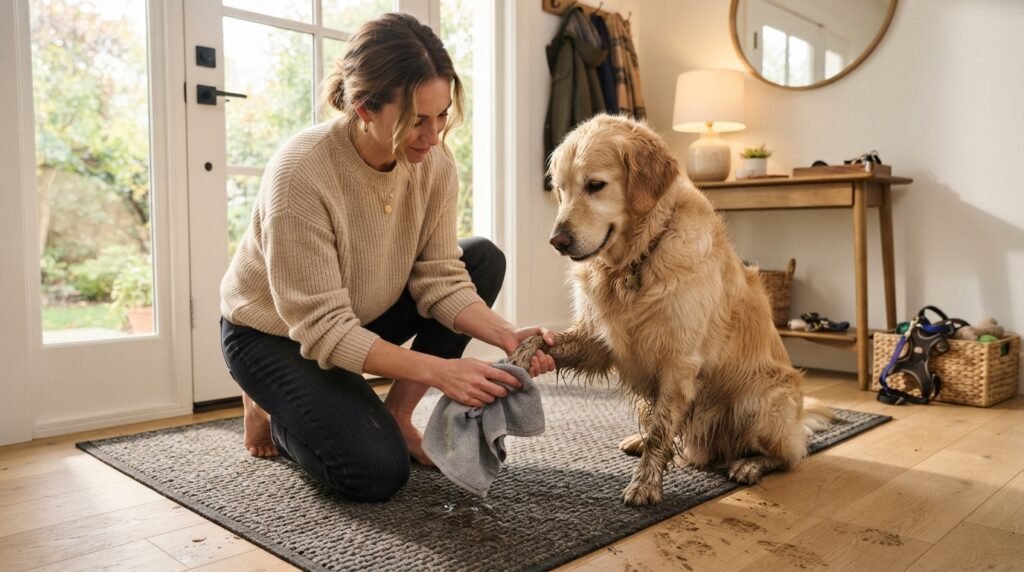
You can gently clean dirty paws with lukewarm water and a clean cloth. Make sure the paws are dried afterward, particularly between the toes.
Avoid harsh household cleaners, strong disinfectants, essential oils, or unapproved medications on your dog’s paws.
The goal is simple: clean, inspect, and protect without irritating the skin further.
When Should You Call a Veterinarian?
Some paw problems can be monitored briefly, but certain symptoms deserve professional attention.
Contact your veterinarian if your dog has:
- Significant swelling
- Bleeding that does not stop
- Severe pain
- Persistent limping
- Deep cuts
- Pus or unusual discharge
- Large blisters
- Severe burns
- A deeply embedded foreign object
- A persistent unpleasant odor
- Repeated infections
- Paw licking that continues despite basic care
- Symptoms that are getting worse
A veterinarian can determine whether the problem is caused by an injury, allergy, infection, or another condition and recommend appropriate treatment.
Final Thoughts
Dog paw problems should never be ignored when they persist or cause obvious discomfort.
Your dog’s paws face rough surfaces, weather changes, allergens, dirt, moisture, and potential injuries every day. A few minutes of regular inspection can help you catch problems before they become more serious.
If your dog is licking their paws occasionally, there may be a simple explanation. But persistent licking, redness, swelling, pain, odor, or damaged skin deserves closer attention.
Healthy paws help your dog stay comfortable, active, and ready for their next adventure. Regular checks, sensible paw hygiene, and timely veterinary care are some of the simplest ways to protect them.
Remember: home care can support everyday paw hygiene, but it should not replace veterinary evaluation when your dog has significant pain, injury, infection, or recurring symptoms.
How to Prevent Dog Paw Problems
Preventing paw problems is often easier than dealing with a painful injury after it develops. You do not need an elaborate routine. A few simple habits can make a meaningful difference.
Check Your Dog’s Paws Regularly
Make paw checks part of your normal grooming routine.
Look between the toes and around the paw pads for:
- Redness
- Swelling
- Cuts
- Cracks
- Foreign objects
- Broken nails
- Unusual discharge
- Changes in skin texture
- Areas your dog repeatedly licks
Early changes are usually easier to address than advanced irritation.
Keep Paw Hair Neat
Some dogs grow considerable amounts of hair between their toes. Excessive hair can collect dirt, moisture, grass seeds, and other debris.
Do not cut deeply into the skin or attempt complicated grooming if you are unsure how to do it safely. A professional groomer can help maintain the hair around the paws.
Clean Paws After Outdoor Activities
After muddy walks or outdoor adventures, gently clean your dog’s paws.
A soft cloth and lukewarm water may be sufficient for ordinary dirt. Dry the paws carefully afterward.
This is especially useful when your dog has been walking through muddy areas, grass, or places containing irritating substances.
Protect Paws During Extreme Weather
Weather can have a major effect on paw health.
During hot weather, walk during cooler parts of the day and avoid extremely hot pavement.
During very cold conditions, dogs may encounter ice, snow, salt, and other substances that can irritate their feet.
After winter walks, inspect and clean the paws when necessary.
Should You Use Dog Paw Balm?
Paw balms made specifically for dogs can sometimes help support dry paw pads, but they are not appropriate for every paw problem.
If your dog’s paws are severely cracked, bleeding, swollen, infected-looking, or painful, a balm should not be considered a substitute for veterinary care.
Also remember that dogs often lick anything applied to their feet. Choose products designed for dogs and follow the product directions carefully.
Can You Stop a Dog From Licking Its Paws?
The better question is why is your dog licking?
Simply preventing licking without addressing the underlying cause may not solve the problem.
For example, if allergies are causing itchy paws, stopping your dog from licking will not remove the allergy.
Likewise, if a thorn is stuck between the toes, preventing licking without removing the source of pain will not fix the problem.
Once the underlying issue has been identified and treated, the excessive licking often becomes easier to control.
Common Mistakes Dog Owners Should Avoid
Using Human Creams Without Veterinary Advice
Not every human skincare product is suitable for dogs.
Dogs may lick products from their paws, potentially ingesting ingredients that were never intended for pets.
Ignoring a Limp
A dog that suddenly starts limping may have more than a minor paw irritation.
Even a small object between the toes can cause considerable discomfort.
If your dog continues to limp, arrange a veterinary examination.
Cutting a Deeply Embedded Object
If something is deeply stuck inside your dog’s paw, trying to remove it with force can cause additional tissue damage.
Seek professional veterinary help instead.
Assuming Every Red Paw Is an Infection
Redness can have many causes, including allergies, irritation, trauma, moisture, and infection.
The correct treatment depends on the cause.
Waiting Too Long
A small paw problem can become more complicated when a dog repeatedly licks, bites, or walks on the affected area.
Pay attention to changes and seek professional advice when symptoms persist.
Dog Paw Problems FAQ
Why are my dog’s paws red?
Red paws can result from irritation, allergies, excessive licking, injury, moisture, or infection. If redness persists or is accompanied by swelling, pain, odor, or discharge, contact your veterinarian.
Why does my dog chew between his toes?
Chewing between the toes may indicate itching, allergies, irritation, a foreign object, or another source of discomfort. Persistent chewing should be investigated.
Can I wash my dog’s paws every day?
Gentle cleaning may be appropriate when your dog gets dirty, but excessive washing or harsh products can irritate the skin. Use a gentle approach and dry the paws thoroughly.
Why does my dog lick his paws after going outside?
Outdoor allergens, grass, dirt, moisture, or small particles may irritate the feet. If licking becomes frequent or intense, discuss the behavior with your veterinarian.
Are cracked dog paw pads normal?
Paw pads naturally have a firm texture, but deep cracks, bleeding, swelling, or pain are not normal and should be evaluated.
When is a dog paw problem an emergency?
Severe bleeding, major burns, deep wounds, extreme swelling, severe pain, or an inability to walk normally can require urgent veterinary attention.
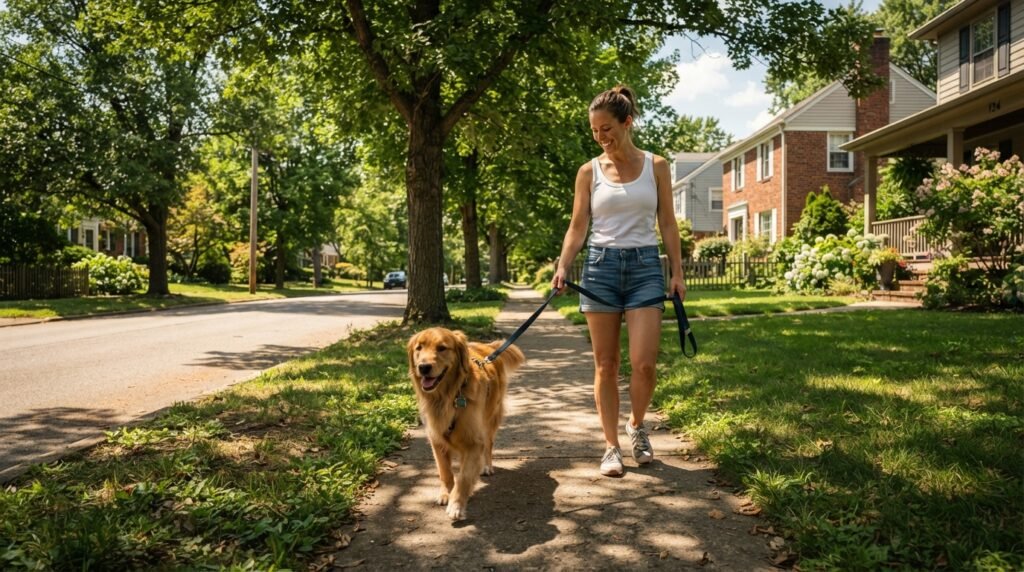
A Simple Dog Paw Care Routine
You can keep paw care simple:
After walks: Check the paws for obvious debris or injuries.
When dirty: Gently clean them with lukewarm water and a soft cloth.
After cleaning: Dry carefully between the toes.
Weekly: Inspect paw pads, nails, and the skin between the toes.
During extreme weather: Adjust walking times and surfaces to reduce exposure to heat, ice, and irritating substances.
Whenever something looks unusual: Monitor closely and contact your veterinarian if the problem persists or worsens.
The Bottom Line
Your dog’s paws may look tough, but they still need protection and attention.
Regular inspections can help you spot irritation, injuries, allergies, infections, and other problems early. Avoid harsh home remedies and do not assume that every red or itchy paw has the same cause.
Most importantly, pay attention to your dog’s behavior. Persistent licking, chewing, limping, swelling, pain, or damaged skin is your dog’s way of telling you that something is wrong.
Healthy paw care is not complicated. Regular checks, gentle cleaning, sensible prevention, and timely veterinary care can help keep your dog’s feet comfortable for all those walks, games, and adventures.

hammadniazi6663@gmail.com
Contributor at PetZuoo, publishing practical information for pet owners and animal lovers.
Related guides
Why Do Dog Tilt Their Heads? 9 Fascinating Reason
Why Do Dog Tilt Their Heads? 9 Fascinating Reason Behind This Adorable Behavior. Have you ever spoken to your dog and watched…
Why Does Dog Suddenly Follow Me Everywhere? 9 Reasons
Why Does Dog Suddenly Follow Me Everywhere? 9 Reasons and Have you noticed that your dog suddenly seems to be your shadow?…
Ultimate Guide to Dog Separation Anxiety
Ultimate Guide to Dog Separation Anxiety. Proven Ways to Help Your Dog Feel Safe Alone, and Leaving your dog at home for…