
Nothing says summer quite like enjoying a scoop of ice cream on a warm afternoon. If you’ve ever been eating a cone while your dog stared at you with those irresistible puppy eyes, you’ve probably wondered, can dogs eat ice cream?
The short answer is that while a small lick of plain vanilla ice cream is unlikely to cause serious harm to most healthy dogs, human ice cream is not a healthy treat for pets. Many varieties contain high amounts of sugar, fat, dairy, and artificial ingredients that can upset your dog’s digestive system. Some flavors, such as chocolate or products sweetened with xylitol, can even be extremely dangerous.
Dogs naturally enjoy cold, creamy foods, especially during hot weather. However, there are much healthier ways to help your furry friend cool down. Homemade frozen treats made with dog-safe ingredients can satisfy your pet while providing valuable nutrients instead of unnecessary sugar and calories.
In this guide, you’ll learn why traditional ice cream isn’t the best choice for dogs, which ingredients should always be avoided, what symptoms to watch for if your dog accidentally eats ice cream, and how to make delicious frozen treats that are both safe and nutritious. We’ll also share easy homemade recipes and practical tips for serving frozen snacks in moderation.

Why Dogs Love Ice Cream
If you’ve ever noticed your dog getting excited the moment you open the freezer, you’re not alone. Dogs are naturally curious about foods their owners enjoy, and ice cream combines several qualities that make it especially appealing to them.
1. The Sweet Taste
Although dogs don’t experience sweetness as strongly as humans do, they can still detect sweet flavors. The sugar found in most ice cream makes it appealing, especially when combined with rich dairy ingredients. Unfortunately, this sweetness is one of the reasons ice cream isn’t a healthy choice for dogs.
2. Cold and Refreshing
On hot summer days, cold foods can help dogs feel more comfortable. The cool temperature of ice cream may provide temporary relief from the heat, which is why many dogs eagerly lick frozen treats. However, there are much healthier frozen options that provide the same refreshing sensation without the excess sugar and fat.
3. Creamy Texture
Dogs enjoy foods with smooth, soft textures because they’re easy to lick and swallow. Ice cream melts quickly, making it a fun and rewarding treat from your dog’s perspective.
4. Curiosity and Social Bonding
Dogs are highly observant animals. When they see their owners enjoying something, they naturally become curious. Sharing food is also a social activity, so many dogs associate getting a bite of your snack with attention, affection, and positive experiences.
5. Rich Aroma
The milk, cream, vanilla, fruit, and other flavorings used in ice cream create strong aromas that easily attract a dog’s powerful sense of smell. Since dogs rely heavily on scent, these rich smells can make ice cream seem even more irresistible.
Just Because Dogs Like It Doesn’t Mean It’s Safe
Many foods that dogs enjoy aren’t healthy—or even safe—for them. Ice cream falls into this category because it often contains:
- Large amounts of added sugar
- High levels of saturated fat
- Dairy that many adult dogs struggle to digest
- Artificial flavors and sweeteners
- Toxic ingredients in certain flavors
Instead of sharing your dessert, consider offering your dog a frozen banana slice, seedless watermelon cubes, plain pumpkin puree, or a homemade frozen yogurt treat made specifically with dog-safe ingredients. These alternatives provide the cooling effect dogs enjoy while supporting better overall health.

Is Ice Cream Safe for Dogs?
The simple answer is no—human ice cream is not considered a safe or healthy treat for dogs. While a tiny lick of plain vanilla ice cream is unlikely to harm most healthy dogs, regularly feeding ice cream can lead to digestive problems, weight gain, and even serious health issues depending on the ingredients.
Let’s take a closer look at why.
1. Many Dogs Are Lactose Intolerant
Puppies produce an enzyme called lactase, which helps them digest their mother’s milk. As dogs grow older, they naturally produce less lactase, making it harder to digest dairy products.
Because of this, many adult dogs are lactose intolerant. Eating ice cream can cause symptoms such as:
- Stomach pain
- Gas
- Bloating
- Loose stools
- Diarrhea
- Vomiting
Some dogs tolerate small amounts of dairy better than others, but it’s impossible to know without risking digestive upset.
2. Ice Cream Contains Too Much Sugar
Most commercial ice creams are loaded with added sugar. Dogs don’t need added sugar in their diet, and frequent consumption can contribute to:
- Obesity
- Dental problems
- Diabetes risk
- Reduced energy levels
- Poor overall nutrition
Even fruit-flavored ice creams often contain far more sugar than is healthy for pets.
3. High Fat Content Can Cause Problems
Ice cream is also high in fat. While dogs need healthy fats in moderation, excessive fat intake may lead to:
- Weight gain
- Upset stomach
- Pancreatitis, a painful inflammation of the pancreas that may require emergency veterinary care
Dogs that are overweight or have a history of digestive issues are especially vulnerable.
4. Artificial Sweeteners Can Be Extremely Dangerous
Some “sugar-free” ice creams contain xylitol, an artificial sweetener that is highly toxic to dogs. Even a small amount can cause:
- A rapid drop in blood sugar
- Weakness
- Vomiting
- Loss of coordination
- Seizures
- Liver failure
- Death if left untreated
If your dog eats anything containing xylitol, contact your veterinarian or an emergency animal hospital immediately.
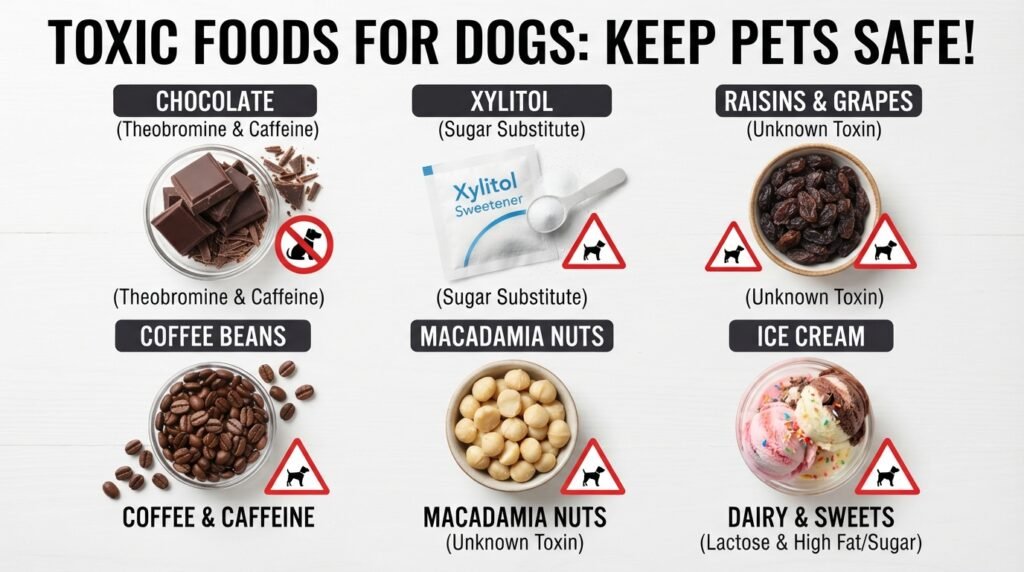
5. Certain Flavors Are Toxic
Not all ice cream flavors are created equal. Some contain ingredients that should never be given to dogs, including:
- Chocolate
- Coffee or espresso
- Macadamia nuts
- Raisins
- Alcohol-based flavorings
- Some artificial flavorings
These ingredients can cause reactions ranging from mild stomach upset to life-threatening poisoning.
Can Dogs Ever Eat Ice Cream?
If your healthy dog accidentally licks a very small amount of plain vanilla ice cream, they’re unlikely to experience serious harm. However, this doesn’t make ice cream a recommended treat.
A much better option is to prepare homemade frozen treats using dog-safe ingredients like plain Greek yogurt, bananas, pumpkin puree, blueberries, or seedless watermelon. These provide the same cool, refreshing experience without exposing your pet to unnecessary sugar, unhealthy fats, or toxic additives.
When it comes to your dog’s health, choosing treats made specifically for dogs is always the safest decision.
Dangerous Ice Cream Ingredients Every Dog Owner Should Know
Not all ice cream is created equal. While plain vanilla ice cream may simply cause an upset stomach, many popular flavors contain ingredients that can be extremely dangerous—or even life-threatening—for dogs.
Before allowing your dog to taste any frozen dessert, always check the ingredient list carefully.
1. Chocolate
Chocolate is one of the most well-known foods that dogs should never eat. It contains theobromine and caffeine, two stimulants that dogs cannot metabolize efficiently.
Even small amounts can cause:
- Vomiting
- Diarrhea
- Restlessness
- Increased heart rate
- Tremors
- Seizures
- Heart problems
Dark chocolate and baking chocolate contain much higher concentrations of these compounds than milk chocolate, making them especially dangerous.
2. Xylitol
Xylitol is an artificial sweetener commonly found in sugar-free ice cream, frozen yogurt, candy, chewing gum, and some peanut butter products.
For dogs, xylitol is extremely toxic. It can trigger a rapid release of insulin, causing blood sugar to drop to dangerously low levels within a short time.
Signs of xylitol poisoning include:
- Weakness
- Vomiting
- Loss of coordination
- Collapse
- Seizures
- Liver failure
If you suspect your dog has eaten a product containing xylitol, seek emergency veterinary care immediately.
3. Coffee and Espresso Flavors
Coffee-flavored ice cream often contains caffeine, which is harmful to dogs. Even small amounts may overstimulate the nervous system.
Symptoms may include:
- Hyperactivity
- Panting
- Rapid heartbeat
- Tremors
- Restlessness
- Seizures
4. Macadamia Nuts
Macadamia nuts are highly toxic to dogs, although the exact reason isn’t fully understood.
After eating them, dogs may experience:
- Weakness
- Difficulty walking
- Muscle tremors
- Vomiting
- Fever
- Joint pain
Avoid any frozen desserts containing macadamia nuts.
5. Raisins and Grapes
Some gourmet ice creams include raisins, grape flavoring, or fruit mix-ins.
Raisins and grapes can cause sudden kidney failure in dogs, and even a small amount may be dangerous for some pets.
Symptoms include:
- Vomiting
- Lethargy
- Loss of appetite
- Increased thirst
- Decreased urination
Because sensitivity varies between dogs, it’s safest to avoid these ingredients entirely.
6. Alcohol-Based Flavorings
Certain premium desserts use alcohol in flavors such as rum raisin, bourbon vanilla, or liqueur-infused recipes.
Alcohol is toxic to dogs and can affect the brain and nervous system, leading to:
- Confusion
- Poor coordination
- Difficulty breathing
- Low body temperature
- Coma
These products should always be kept out of your dog’s reach.
7. Excess Sugar and Artificial Additives
Even when an ice cream doesn’t contain a specific toxin, large amounts of sugar, artificial colors, preservatives, and flavorings aren’t healthy for dogs.
Regular consumption can contribute to:
- Obesity
- Tooth decay
- Digestive upset
- Poor nutrition
- Increased risk of chronic health problems

Read Labels Before Sharing Any Treat
Many specialty ice creams include multiple ingredients that may be unsafe for pets. Before giving your dog any human food, take a moment to read the label carefully.
When in doubt, skip the ice cream and choose a dog-friendly frozen treat instead. Homemade snacks made with simple ingredients like banana, pumpkin, plain Greek yogurt, or blueberries are a much safer way to help your dog stay cool and happy during warm weather.
Symptoms to Watch for If Your Dog Eats Ice Cream
If your dog sneaks a lick of ice cream or manages to finish an entire bowl when you’re not looking, it’s important to monitor them closely. The symptoms your dog experiences will depend on the amount consumed, the ingredients involved, and your dog’s overall health.
Some dogs may only develop mild digestive discomfort, while others could experience serious reactions if toxic ingredients are present.
Common Signs of Digestive Upset
Because many dogs struggle to digest dairy products, stomach issues are among the most common reactions after eating ice cream.
Watch for:
- Vomiting
- Diarrhea
- Gas
- Bloating
- Stomach discomfort
- Excessive drooling
- Reduced appetite
These symptoms often appear within a few hours and may resolve on their own if only a small amount of plain ice cream was consumed.
Signs of Lactose Intolerance
Dogs that are lactose intolerant may react more strongly to dairy products.
Symptoms may include:
- Frequent diarrhea
- Excessive gas
- Abdominal pain
- Gurgling stomach noises
- Restlessness
- Discomfort after eating
If your dog consistently experiences these symptoms after consuming dairy, it’s best to avoid dairy-based treats entirely.
Symptoms of Excess Sugar or Fat Consumption
Large amounts of sugary or fatty foods can cause more significant problems.
Watch for:
- Lethargy
- Increased thirst
- Increased urination
- Nausea
- Loss of appetite
- Weight gain over time
Repeated exposure to high-fat treats can increase the risk of obesity and other health concerns.

Warning Signs of Pancreatitis
One of the more serious risks associated with fatty foods like ice cream is pancreatitis, an inflammation of the pancreas.
Symptoms may include:
- Repeated vomiting
- Severe abdominal pain
- Weakness
- Fever
- Loss of appetite
- Dehydration
- Hunched posture
Pancreatitis can become a medical emergency and requires prompt veterinary attention.
Symptoms of Toxic Ingredient Exposure
If the ice cream contained ingredients such as chocolate, xylitol, raisins, coffee, or macadamia nuts, symptoms may be much more severe.
Potential warning signs include:
- Tremors
- Hyperactivity
- Rapid heartbeat
- Weakness
- Collapse
- Seizures
- Difficulty breathing
- Loss of coordination
These symptoms should never be ignored.
When Should You Call a Veterinarian?
Contact your veterinarian immediately if:
- Your dog ate chocolate ice cream.
- The product contained xylitol.
- Raisins, grapes, coffee, or macadamia nuts were present.
- Your dog is vomiting repeatedly.
- Symptoms worsen over time.
- Your dog becomes weak, unresponsive, or has difficulty breathing.
- A puppy, senior dog, or dog with existing health conditions consumed a large amount.
Early treatment often leads to better outcomes, especially when toxic ingredients are involved.
Stay Observant After Any Accidental Treat
Not every ice cream incident will result in a medical emergency, but it’s always wise to monitor your dog closely for at least 24 hours after consumption.
The safest approach is prevention. By keeping ice cream out of reach and offering healthy frozen alternatives instead, you can help your dog enjoy summer treats without risking their health.
What to Do If Your Dog Eats Ice Cream
Finding out that your dog has eaten ice cream can be worrying, but the right response depends on how much they ate and what kind of ice cream it was. In many cases, a small lick of plain vanilla ice cream may only cause mild digestive upset. However, if the ice cream contains toxic ingredients, quick action is essential.
Step 1: Stay Calm
Don’t panic. Your dog is more likely to benefit from a calm, thoughtful response than a rushed one. Start by determining exactly what they ate and approximately how much.
Ask yourself:
- Was it plain vanilla or another flavor?
- How much did your dog consume?
- Did the product contain chocolate, xylitol, raisins, coffee, or macadamia nuts?
- When did your dog eat it?

Step 2: Check the Ingredient List
If you still have the ice cream container, read the label carefully. Look for ingredients that are known to be dangerous for dogs, including:
- Chocolate
- Cocoa
- Xylitol
- Coffee or espresso
- Raisins
- Grapes
- Macadamia nuts
- Alcohol-based flavorings
If any of these ingredients are present, contact your veterinarian immediately—even if your dog seems normal.
Step 3: Monitor Your Dog Closely
For the next 24–48 hours, watch your dog for signs of illness. Mild digestive upset may include:
- Vomiting
- Diarrhea
- Gas
- Bloating
- Reduced appetite
These symptoms often resolve on their own after eating a small amount of plain ice cream. However, if they become severe or persistent, seek veterinary advice.
Step 4: Provide Fresh Water
Digestive upset can increase the risk of dehydration. Make sure your dog has constant access to clean, fresh water and encourage them to drink normally.
Avoid giving additional treats or rich foods while their stomach settles. A veterinarian may recommend a bland diet if digestive symptoms continue.
Step 5: Know When It’s an Emergency
Seek immediate veterinary care if your dog:
- Ate chocolate or xylitol
- Consumed a large quantity of ice cream
- Is vomiting repeatedly
- Has severe diarrhea
- Appears weak or collapses
- Has tremors or seizures
- Has difficulty breathing
- Shows signs of severe abdominal pain
These symptoms can indicate poisoning or a more serious medical condition that requires prompt treatment.
Prevent Future Accidents
The easiest way to avoid problems is to keep ice cream and other desserts out of your dog’s reach. Store frozen treats securely in the freezer, avoid leaving bowls unattended, and remind family members not to share human desserts with pets.
If you’d like to treat your dog on a hot day, prepare a homemade frozen snack using dog-safe ingredients such as plain Greek yogurt, banana, pumpkin puree, or seedless watermelon. Your dog will enjoy the cool treat without the unnecessary health risks.
By taking a few simple precautions, you can help ensure that treat time stays both fun and safe for your furry companion.
Healthy Frozen Alternatives to Ice Cream
The good news is that your dog doesn’t have to miss out on refreshing summer treats. There are plenty of healthy, dog-friendly alternatives that provide the same cooling effect without the excess sugar, fat, or potentially harmful ingredients found in human ice cream.
Always introduce new foods gradually and serve frozen treats in moderation.
1. Frozen Banana Slices
Bananas are naturally sweet and packed with potassium, vitamin B6, and fiber. Slice a ripe banana into bite-sized pieces, freeze them for a few hours, and serve as a cool snack.
Benefits:
- Rich in potassium
- Easy to digest
- Naturally sweet
- No added sugar
2. Seedless Watermelon Cubes
Watermelon is over 90% water, making it one of the best fruits for helping dogs stay hydrated during hot weather.
Before serving:
- Remove all seeds
- Remove the rind
- Freeze small cubes
3. Plain Pumpkin Puree
Unsweetened pumpkin puree is an excellent source of fiber and can support healthy digestion.
Freeze pumpkin puree in silicone molds or ice cube trays for an easy summer treat.
4. Plain Greek Yogurt
If your dog tolerates dairy, plain unsweetened Greek yogurt can be a nutritious option because it contains more protein and less lactose than regular yogurt.
Choose yogurt that contains:
- No added sugar
- No artificial sweeteners
- No xylitol
- No chocolate mix-ins
5. Blueberries
Blueberries are rich in antioxidants, vitamins, and fiber.
Serve them:
- Fresh
- Frozen
- Mixed into homemade frozen treats

6. Frozen Carrots
Frozen carrots are inexpensive, crunchy, and naturally low in calories. Many dogs enjoy chewing on them, and they can also help support dental health.
7. Apple Slices
Apples provide vitamin C and fiber. Always:
- Remove the seeds
- Remove the core
- Slice into small pieces before freezing
8. Xylitol-Free Peanut Butter
Natural peanut butter can be a delicious ingredient in frozen dog treats, but always double-check the label to ensure it contains no xylitol, which is toxic to dogs.
Easy Homemade Dog Ice Cream Recipes
These simple recipes require only a few ingredients and are perfect for cooling your dog down during warm weather.
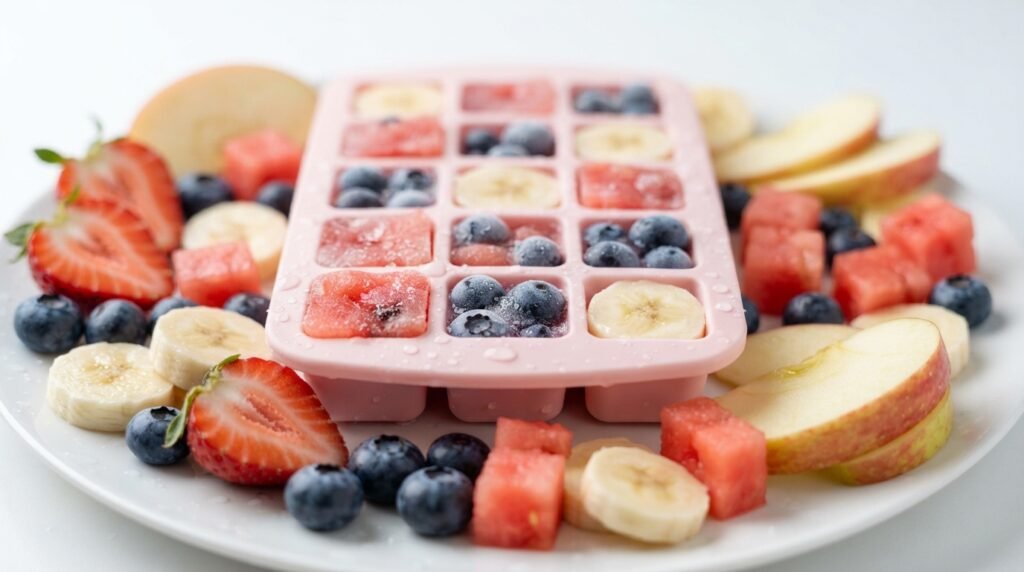
Recipe 1: Banana Yogurt Pops
Ingredients
- 1 ripe banana
- 1 cup plain Greek yogurt
Instructions
- Blend until smooth.
- Pour into silicone molds or ice cube trays.
- Freeze for 4–6 hours.
- Serve one small portion as a treat.
Recipe 2: Pumpkin Frozen Bites
Ingredients
- 1 cup plain pumpkin puree
- ½ cup plain Greek yogurt
Instructions
- Mix thoroughly.
- Spoon into molds.
- Freeze overnight.
- Serve as an occasional snack.
Recipe 3: Peanut Butter Banana Treats
Ingredients
- 1 banana
- 2 tablespoons natural xylitol-free peanut butter
- ½ cup plain yogurt
Instructions
Blend all ingredients, pour into molds, and freeze until firm.
Recipe 4: Watermelon Cubes
Ingredients
- Seedless watermelon
Simply cut into bite-sized cubes and freeze. This is one of the easiest and most hydrating summer treats for dogs.
Recipe 5: Blueberry Yogurt Pops
Ingredients
- 1 cup plain Greek yogurt
- ½ cup blueberries
Blend until smooth, freeze in molds, and serve as a refreshing treat on hot days.

How Often Can Dogs Have Frozen Treats?
Even healthy treats should be offered in moderation. Treats—including frozen snacks—should make up no more than 10% of your dog’s daily calorie intake, with the remaining 90% coming from a complete and balanced dog food.
General Portion Guide
- Small dogs: 1–2 small frozen bites
- Medium dogs: 2–3 frozen bites
- Large dogs: 3–5 frozen bites
Always supervise your dog while they enjoy frozen treats to reduce the risk of choking, and avoid giving very hard frozen foods to dogs with dental problems.
By choosing wholesome ingredients and serving appropriate portions, you can keep your dog cool, happy, and healthy throughout the summer.
Frequently Asked Questions
Can puppies eat ice cream?
It’s best not to give puppies ice cream. Their digestive systems are still developing, and the high sugar and dairy content can cause stomach upset. Choose treats made specifically for puppies or ask your veterinarian for safe options.
Can dogs eat vanilla ice cream?
A tiny lick of plain vanilla ice cream is unlikely to harm most healthy dogs, but it isn’t recommended as a regular treat. Vanilla ice cream is high in sugar and fat, and many dogs have difficulty digesting dairy.
Can dogs eat chocolate ice cream?
No. Chocolate ice cream is dangerous because it contains theobromine and caffeine, both of which are toxic to dogs. Even small amounts can cause serious health problems and require immediate veterinary attention.
Is frozen yogurt safe for dogs?
Plain, unsweetened Greek yogurt may be safe for some dogs in small amounts if they tolerate dairy. Always avoid products containing added sugar, artificial sweeteners, chocolate, or xylitol.
Can diabetic or overweight dogs have frozen treats?
Dogs with diabetes, obesity, or other medical conditions should only receive treats approved by their veterinarian. Homemade frozen treats made from low-calorie, dog-safe ingredients may be a better option, but always seek professional advice first.
What’s the safest frozen treat for dogs?
Some of the safest frozen treats include seedless watermelon, frozen banana slices, plain pumpkin puree, blueberries, and homemade yogurt pops made without added sugar or artificial sweeteners.

Final Thoughts
While it may be tempting to share your favorite dessert with your furry friend, human ice cream isn’t the healthiest choice for dogs. The combination of sugar, fat, dairy, and potentially toxic ingredients makes it a treat that’s best avoided.
Fortunately, there are plenty of delicious and nutritious alternatives. Homemade frozen treats made with ingredients like bananas, pumpkin puree, plain Greek yogurt, blueberries, and seedless watermelon can help your dog stay cool while providing vitamins and hydration.
Whenever introducing a new treat, start with a small portion and monitor your dog for any signs of digestive upset. If your dog accidentally eats ice cream containing chocolate, xylitol, raisins, macadamia nuts, or other harmful ingredients, contact your veterinarian immediately.
By making smart choices and preparing dog-friendly frozen snacks at home, you can keep your pet safe, healthy, and happy all summer long.
Key Takeaways
- Human ice cream is not recommended for dogs.
- Many adult dogs are lactose intolerant.
- Chocolate, xylitol, raisins, coffee, and macadamia nuts are dangerous ingredients.
- Healthy frozen treats can help dogs stay cool during hot weather.
- Homemade recipes are often safer than commercial desserts.
- Treats should make up no more than 10% of your dog’s daily calories.
- Always supervise your dog while they enjoy frozen snacks.
Call to Action
Looking for more expert pet nutrition tips and easy homemade recipes? Explore the rest of PetZuoo for trusted guides on safe fruits, healthy treats, seasonal pet care, and practical advice to help your dog live a happier, healthier life. Don’t forget to bookmark this guide and share it with fellow dog lovers who want the best for their furry companions!

hammadniazi6663@gmail.com
Contributor at PetZuoo, publishing practical information for pet owners and animal lovers.
Related guides

Why Do Dog Tilt Their Heads? 9 Fascinating Reason
Why Do Dog Tilt Their Heads? 9 Fascinating Reason Behind This Adorable Behavior. Have you ever spoken to your dog and watched…
Why Does Dog Suddenly Follow Me Everywhere? 9 Reasons
Why Does Dog Suddenly Follow Me Everywhere? 9 Reasons and Have you noticed that your dog suddenly seems to be your shadow?…
Ultimate Guide to Dog Separation Anxiety
Ultimate Guide to Dog Separation Anxiety. Proven Ways to Help Your Dog Feel Safe Alone, and Leaving your dog at home for…