Why Does Dog Keep Shaking His Head? 9 Cause & Solution, If your dog keeps shaking his head, you may wonder whether it is simply a harmless habit or a sign that something is wrong.
An occasional head shake is usually normal. Dogs may shake their heads after waking up, playing, getting wet, or experiencing a brief irritation. However, frequent or persistent head shaking can indicate an ear problem that deserves attention.
Dogs can develop ear infections, allergies, earwax buildup, parasites, foreign objects, injuries, and other conditions that cause discomfort. Ear infections are particularly common in dogs, and dogs with floppy or hairy ears can be more susceptible. (Vca)
The good news is that paying attention to early warning signs can help you identify a problem before it becomes more painful.
In this guide, we’ll explain why dogs shake their heads, what symptoms you should look for, what you can safely do at home, common mistakes to avoid, and when your dog needs veterinary care.

Why Does My Dog Keep Shaking His Head?
The short answer is that your dog may be trying to relieve irritation, itching, pain, or discomfort in or around the ear.
Head shaking is not a disease by itself. Instead, it is a behavior that can occur because something is bothering your dog’s ear.
Common causes include:
- Ear infections
- Allergies
- Water trapped in the ear
- Excess wax or debris
- Ear mites and parasites
- Foreign objects
- Ear injuries
- Skin irritation
- Deeper ear problems
The cause matters because the appropriate treatment depends on what is actually happening inside the ear.
For example, an infection may require medication, while a foreign object may need to be removed by a veterinarian. Treating every case as if it were a simple ear infection can delay proper care. (Vca)
1. Ear Infection
An ear infection is one of the most common reasons a dog repeatedly shakes his head.
The medical term for an infection of the outer ear canal is otitis externa. Dogs with ear infections may shake their heads, scratch their ears, rub their heads against furniture, or avoid having their ears touched.
Other signs can include:
- Redness
- Swelling
- Unpleasant odor
- Dark discharge
- Yellowish discharge
- Excessive scratching
- Pain
- Sensitivity around the ear
According to veterinary guidance, bacteria and yeast can be involved in ear infections, and the appearance of the ear alone may not tell you exactly what is causing the problem. (Vca)
This is why repeatedly treating your dog’s ear with random products is not a good idea.
A veterinarian can examine the ear and determine what type of problem is present.
Why Ear Infections Hurt Dogs
The ear canal contains sensitive tissue. When inflammation develops, the canal can become painful and swollen.
Your dog may shake his head because he is trying to remove whatever is causing the discomfort.
Unfortunately, vigorous head shaking can sometimes create another problem: an ear hematoma.
An ear hematoma occurs when blood collects within the ear flap. Excessive scratching or head shaking can rupture small blood vessels in the ear flap. (Vca)
If your dog’s ear flap suddenly becomes swollen, thick, or spongy, contact your veterinarian.
2. Allergies Can Cause Constant Ear Irritation
Allergies are another important cause of recurring ear problems in dogs.
Some dogs react to environmental allergens such as pollen, dust, or mold. Others may have food-related sensitivities.
Allergies can cause inflammation and itching, which may lead to:
- Head shaking
- Ear scratching
- Paw licking
- Skin scratching
- Red skin
- Repeated ear infections
If your dog develops ear problems repeatedly, don’t simply treat each episode as a separate infection.
There may be an underlying issue contributing to the recurrence.
Your veterinarian can help determine whether allergies or another condition may be involved.
Why Allergies Can Become a Cycle
A dog with allergies may develop itchy skin and inflamed ears.
The dog scratches.
The scratching causes more irritation.
The irritated ear becomes more vulnerable to secondary problems.
Your dog then shakes his head even more.
Breaking this cycle often requires identifying and managing the underlying cause rather than only addressing the immediate symptoms.
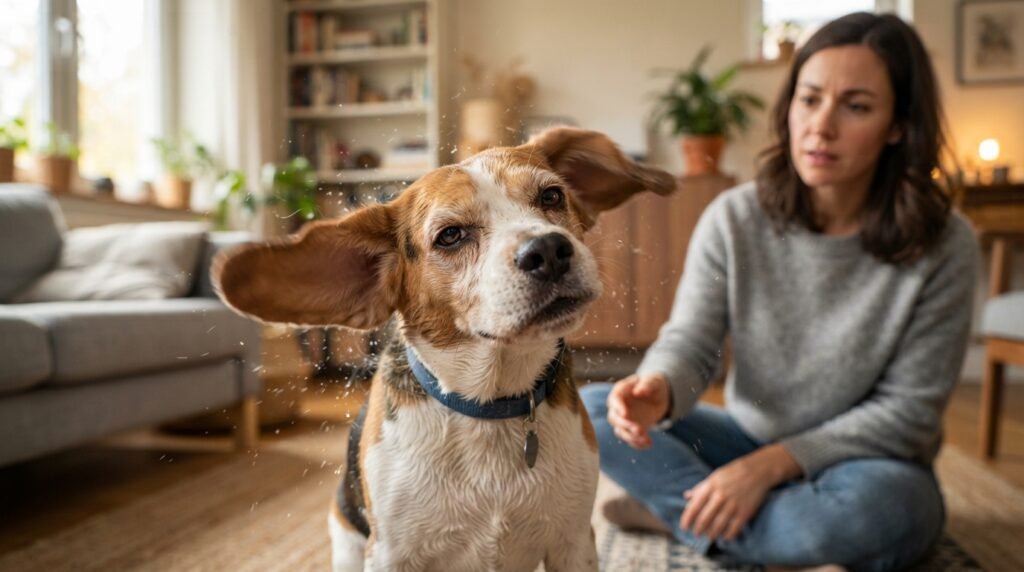
3. Water Trapped in Your Dog’s Ear
Did your dog recently go swimming?
Did he have a bath?
If so, temporary head shaking may simply be his attempt to get water out of his ears.
However, moisture can contribute to ear problems, particularly in dogs prone to recurring infections. A warm, moist ear canal can provide favorable conditions for microorganisms to multiply. (American Kennel Club)
This doesn’t mean every dog that swims will develop an ear infection.
It does mean that owners should pay attention after swimming or bathing.
After your dog’s bath, gently dry the outside of his ears.
If he continues shaking his head, develops an odor, scratches repeatedly, or seems painful, don’t assume that water is still the only problem.
4. Excess Earwax or Debris
Earwax is normal and helps protect the ear.
However, excessive wax or accumulated debris can contribute to irritation.
Outdoor dogs may also get dirt, grass, plant material, or other debris around their ears.
A small amount of visible wax may not be concerning, but significant buildup combined with frequent head shaking deserves attention.
Never assume that all dark material inside the ear is simply wax.
Different conditions can produce similar-looking discharge.
For example, ear mites and infections can also cause dark material. (Vca)
5. Ear Mites and Other Parasites
Ear mites are tiny parasites that can cause significant itching.
A dog with ear mites may:
- Shake his head frequently
- Scratch his ears
- Rub his head against furniture
- Develop redness
- Have dark debris in the ears
- Become uncomfortable when the ears are touched
Dark, crumbly material sometimes described as looking like coffee grounds can occur with ear mites. (American Kennel Club)
However, you should not diagnose ear mites based only on appearance.
Several ear problems can produce similar symptoms.
A veterinarian can examine the ear and, when appropriate, examine a sample of debris to help determine the cause.
6. Something May Be Stuck in the Ear
Sometimes the problem starts suddenly.
Your dog may be completely normal and then begin shaking his head repeatedly after a walk.
A small piece of grass, plant material, dirt, or another foreign object may have entered the ear.
This is particularly important for dogs that spend a lot of time outdoors.
If you suspect something is lodged deep inside the ear, don’t try to dig it out with tweezers or another object.
You could push the material farther inside or injure the delicate ear canal.
Instead, have your veterinarian examine the ear.

Why Foreign Objects Need Attention
A foreign object can create ongoing irritation.
Your dog may repeatedly scratch and shake his head because he cannot remove it.
Continued trauma can cause additional inflammation and discomfort.
If the object is difficult to see or appears deep inside the canal, professional examination is the safest option.
7. Ear Injury
A scratched or injured ear can also cause head shaking.
Dogs can injure their ears while playing, running through vegetation, fighting with another animal, or scratching themselves excessively.
Check the visible ear flap for:
- Cuts
- Scratches
- Crusts
- Swelling
- Redness
- Bleeding
- Bruising
If you see a significant wound or your dog seems painful, contact your veterinarian.
Avoid repeatedly manipulating a painful ear.
Watch for Sudden Ear Swelling
One important warning sign is an ear flap that suddenly becomes enlarged or feels soft and spongy.
This can be an aural hematoma, which may develop after vigorous scratching or head shaking. (Vca)
The underlying reason for the shaking should also be identified.
Treating only the swelling without addressing the cause may allow the original ear problem to continue.
8. Skin Irritation and Fleas
Sometimes the problem isn’t limited to the ear itself.
Fleas and other skin irritants can make dogs extremely itchy.
A sensitive dog may scratch around the head and ears even when the primary problem is affecting the skin.
Look at the skin around the ears, neck, and head for signs of irritation.
Regular parasite prevention recommended by your veterinarian is an important part of overall pet care.
If your dog suddenly becomes very itchy, talk with your veterinarian about possible causes rather than assuming it is simply dry skin.
9. A Deeper Ear Problem
Not every ear problem is visible from the outside.
The ear extends deeper into the head, and infections or inflammation affecting the middle or inner ear can cause more serious symptoms.
Watch for:
- Head tilt
- Loss of balance
- Walking in circles
- Falling
- Difficulty walking
- Nausea
- Vomiting
- Hearing changes
- Facial abnormalities
These signs can occur with deeper ear disease and should receive prompt veterinary attention. (Vca)
If your dog is struggling to stand or walk normally, don’t wait several days to see whether the problem improves.
How to Tell If Your Dog’s Head Shaking Is Serious
Not every head shake requires a veterinary visit.
A dog that shakes his head once after a bath and then returns to normal is different from a dog that shakes his head every few minutes throughout the day.
Ask yourself:
Is the head shaking becoming frequent?
If yes, investigate further.
Is your dog scratching the ear?
Scratching combined with head shaking suggests irritation.
Does the ear smell bad?
An unusual odor can be associated with ear disease. (Vca)
Is there discharge?
Dark, yellow, brown, or bloody material should not be ignored.
Does your dog seem painful?
If he pulls away, cries, or becomes defensive when you touch the ear, it may be sore.
Is the ear swollen?
Sudden swelling of the ear flap may indicate a hematoma.
Is your dog losing balance?
Balance problems, head tilt, or circling require prompt veterinary evaluation.

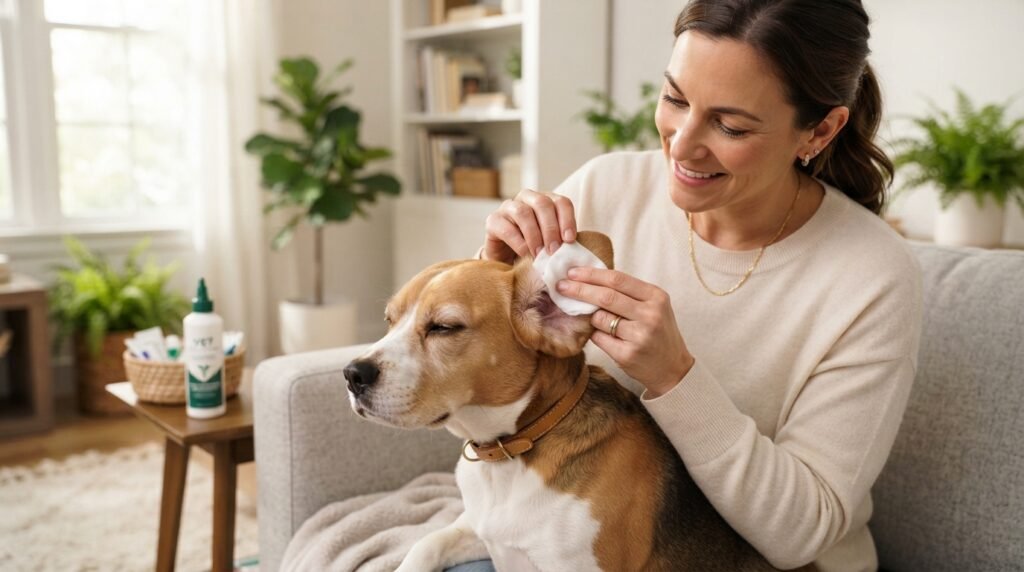
Can You Clean Your Dog’s Ears at Home?
Sometimes routine ear cleaning can be appropriate, but it depends on the individual dog and the condition of the ears.
Healthy ears generally don’t need excessive cleaning.
The American Kennel Club advises owners to avoid over-cleaning because it can cause irritation. It also recommends using veterinary-formulated ear cleaners rather than inappropriate household products. (American Kennel Club)
If your veterinarian has recommended a particular ear cleaner, follow the instructions provided.
A typical veterinary-guided cleaning process involves applying the appropriate solution, gently massaging the base of the ear, allowing the dog to shake, and wiping away loosened debris from the accessible area. (American Kennel Club)
However, if your dog’s ear is very red, painful, swollen, or producing significant discharge, don’t assume cleaning is the right first step.
Ask your veterinarian.
What You Should NOT Put in Your Dog’s Ears
This is one of the most important parts of dog ear care.
Avoid experimenting with household remedies.
Do not put random substances into an irritated ear.
Be especially cautious with:
- Hydrogen peroxide
- Alcohol
- Essential oils
- Human ear medication
- Leftover prescription medication
- Homemade mixtures
- Objects inserted deep into the ear
The eardrum may not be intact, and some medications can be harmful if they reach deeper structures. Veterinary examination may be needed to determine whether the eardrum is intact before certain medications are used. (Vca)
Why Cotton Swabs Can Be a Problem
Cotton swabs may seem like an easy way to clean your dog’s ears.
But inserting them deeply can push debris farther into the canal or injure sensitive tissue.
If you’re cleaning your dog’s ears under veterinary guidance, use the method and products your veterinarian recommends.
For routine cleaning, the goal should not be to dig deeply into the ear.
What Happens at the Veterinarian?
If your dog has persistent head shaking, your veterinarian will usually want to determine exactly what is causing the irritation.
The examination may include looking into the ear canal with an otoscope.
Your veterinarian may also collect ear debris for examination.
This can help distinguish between different causes, including infection and parasites. (American Kennel Club)
Treatment depends on the diagnosis.
For example, a dog with bacterial or yeast-related ear disease may need a different treatment approach than a dog with a foreign object or allergy-related inflammation.
This is why simply buying an over-the-counter ear drop isn’t always the best solution.
When Should You Call the Vet?
Contact your veterinarian if your dog’s head shaking:
- Continues repeatedly
- Gets worse
- Is accompanied by scratching
- Occurs with ear odor
- Is accompanied by discharge
- Causes obvious discomfort
- Occurs with redness or swelling
- Follows a possible ear injury
Seek prompt veterinary attention if you notice:
- Severe pain
- Significant ear swelling
- Bleeding
- Loss of balance
- Head tilt
- Walking in circles
- Vomiting
- Sudden hearing problems
- Facial changes
Deeper ear infections can affect balance and other functions, so neurological-type signs should not be ignored. (Vca)
How to Prevent Future Ear Problems
You cannot prevent every ear condition, but good routine care can help.
Keep Your Dog’s Ears Dry
After swimming or bathing, gently dry the outside of the ears.
Dogs that swim frequently may need a veterinarian-recommended ear-care routine.
Check the Ears Regularly
Take a few seconds to look at your dog’s ears during normal grooming.
Look for:
- Redness
- Swelling
- Discharge
- Unusual odor
- Excessive wax
- Scratches
Regular checks can help you notice changes early. (Vca)
Don’t Over-Clean
More cleaning isn’t necessarily better.
Over-cleaning can irritate the ear.
Instead, ask your veterinarian how often your particular dog needs ear cleaning. (American Kennel Club)
Manage Allergies
If your dog repeatedly develops itchy ears, discuss allergies with your veterinarian.
Recurring ear problems can sometimes be associated with underlying allergies.
Finding and managing the underlying trigger may help reduce repeated flare-ups.
Keep Parasite Prevention Up to Date
Follow your veterinarian’s recommendations for flea and parasite prevention.
Good preventive care can reduce the risk of several problems that contribute to itching and irritation.
Dog Breeds More Prone to Ear Problems
Any dog can develop an ear problem.
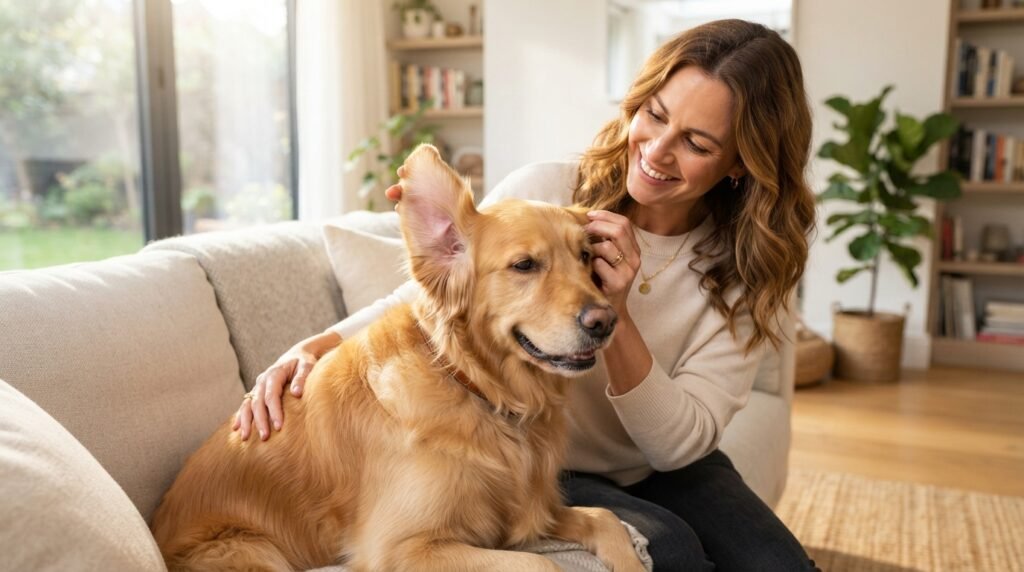
However, dogs with floppy, heavy, or hairy ears may be more susceptible because their ear anatomy can reduce airflow and trap moisture.
Examples include breeds such as Cocker Spaniels, Retrievers, and some other dogs with hanging ears. (Vca)
That doesn’t mean owners of these breeds should constantly clean their ears.
Instead, regular observation and veterinarian-guided care are more important.
Frequently Asked Questions
Why does my dog keep shaking his head but his ears look clean?
The problem may not be visible from the outside. Irritation can occur deeper inside the ear, and allergies or early inflammation may also cause discomfort.
If the behavior continues, have your veterinarian examine the ears.
Why is my dog shaking his head after a bath?
Water may have entered the ear and caused temporary irritation. Dry the visible outer ear gently and monitor your dog. Persistent shaking, odor, redness, discharge, or pain should be evaluated.
Can allergies make my dog shake his head?
Yes. Allergies can contribute to itchy, inflamed ears and recurring ear problems.
Can ear mites cause head shaking?
Yes. Ear mites can cause intense itching, scratching, and frequent head shaking. Dark debris may also be present. However, other ear conditions can look similar, so proper diagnosis is important. (American Kennel Club)
Should I use human ear drops for my dog?
No. Don’t use human ear medication unless your veterinarian specifically tells you to use a particular product.
Can I use hydrogen peroxide to clean my dog’s ears?
It’s best not to use hydrogen peroxide unless specifically instructed by your veterinarian. Veterinary guidance recommends appropriate dog ear-cleaning products because household substances can irritate sensitive ear tissue. (American Kennel Club)
Is constant head shaking an emergency?
Not every case is an emergency, but persistent head shaking should not be ignored. If it occurs with severe pain, swelling, bleeding, head tilt, loss of balance, vomiting, or other serious symptoms, seek prompt veterinary care.
Final Thoughts
A dog shaking his head occasionally is usually nothing unusual.
But when your dog keeps shaking his head again and again, it is worth paying attention.
The cause could be something relatively simple, such as water or mild irritation, but it could also be an ear infection, allergy, parasite, foreign object, injury, or deeper ear problem.
The most important thing is not to guess.
Look for additional symptoms such as scratching, redness, odor, discharge, swelling, pain, or balance changes. Avoid putting random household remedies or medications into your dog’s ears.
If the head shaking persists or your dog appears uncomfortable, contact your veterinarian.
Healthy ears should not constantly bother your dog. By checking them regularly, keeping them appropriately dry, avoiding over-cleaning, and getting veterinary help when warning signs appear, you can help protect your dog’s comfort and long-term ear health.
PetZuoo Tip: Your dog’s behavior can be an important early warning system. If repeated head shaking is unusual for your dog, don’t ignore the change—take a closer look and seek professional advice when needed.

hammadniazi6663@gmail.com
Contributor at PetZuoo, publishing practical information for pet owners and animal lovers.
Related guides
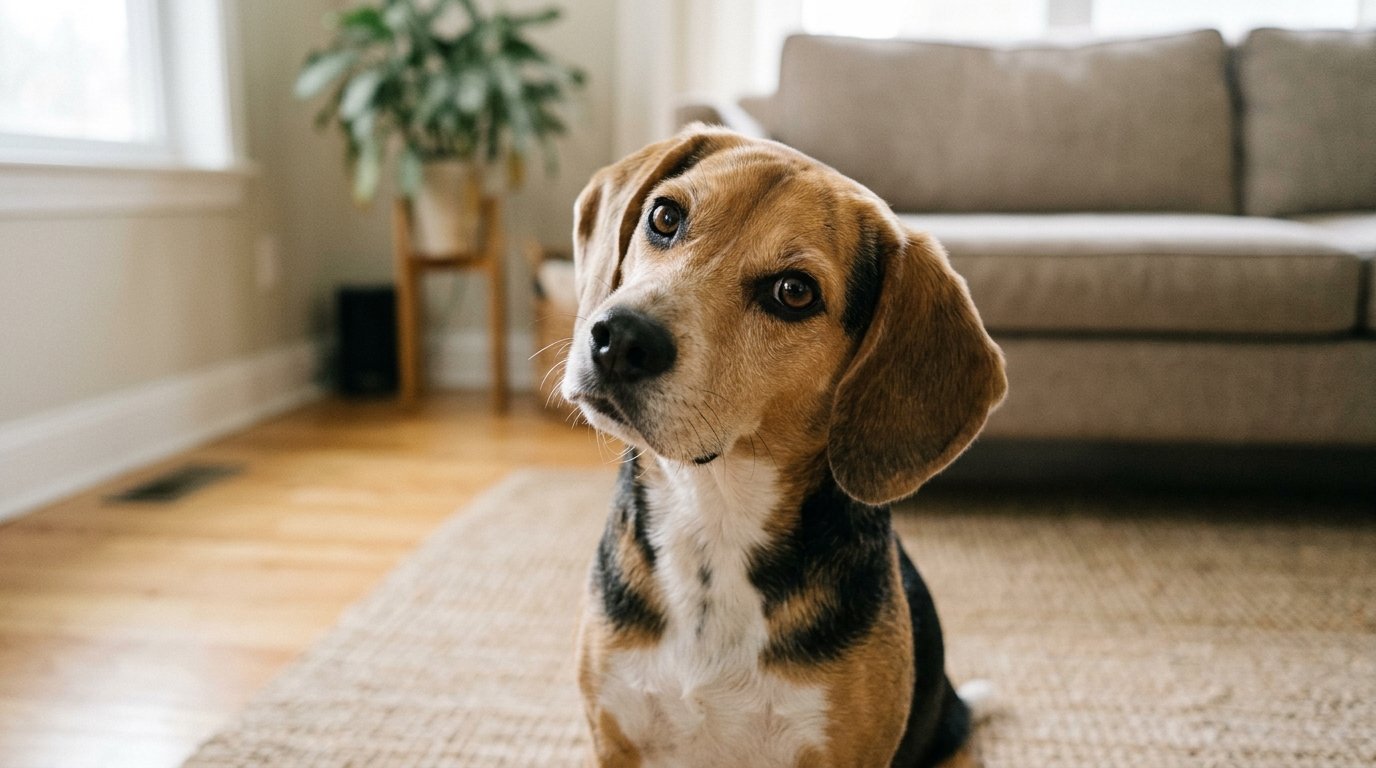
Why Do Dog Tilt Their Heads? 9 Fascinating Reason
Why Do Dog Tilt Their Heads? 9 Fascinating Reason Behind This Adorable Behavior. Have you ever spoken to your dog and watched…
Why Does Dog Suddenly Follow Me Everywhere? 9 Reasons
Why Does Dog Suddenly Follow Me Everywhere? 9 Reasons and Have you noticed that your dog suddenly seems to be your shadow?…
Ultimate Guide to Dog Separation Anxiety
Ultimate Guide to Dog Separation Anxiety. Proven Ways to Help Your Dog Feel Safe Alone, and Leaving your dog at home for…