Why Is My Dog or Cat Suddenly Sleeping More? 9 Causes Every Pet Owner Should Know
Have you noticed your dog spending more time asleep than usual, or your cat suddenly taking longer and more frequent naps? Pet owners often wonder whether a sleepy pet is simply comfortable and relaxed or whether the change could signal a problem.
Dogs and cats naturally sleep much more than people. A long nap can be completely normal, especially after exercise, during a quiet day, or as pets get older. However, a sudden or persistent change in sleeping habits can sometimes be worth paying attention to.
The most important thing is not to compare your pet with another dog or cat. Instead, learn what is normal for your individual pet and watch for changes in appetite, energy, behavior, movement, and bathroom habits.
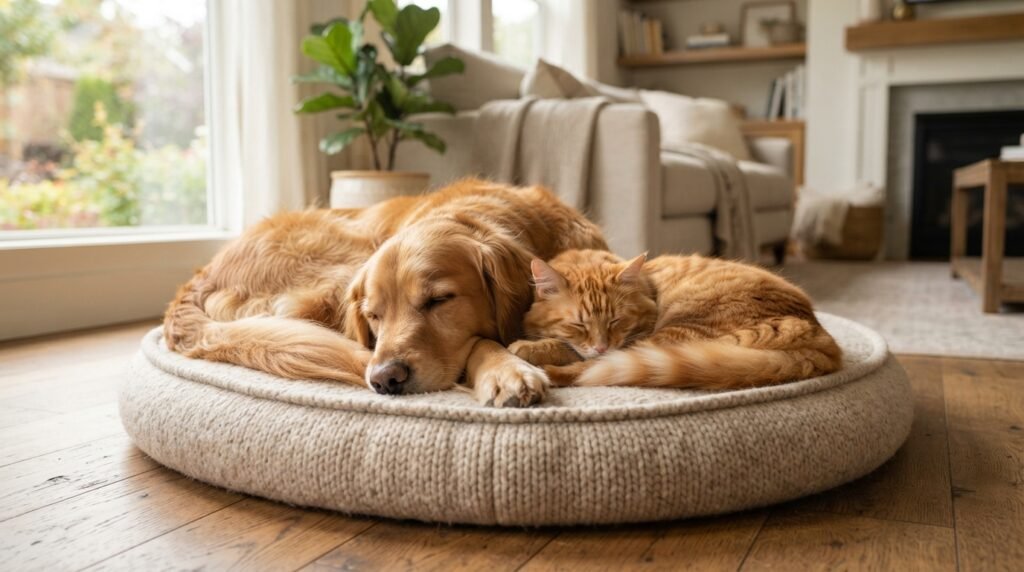
How Much Do Dogs and Cats Normally Sleep?
Sleep requirements vary considerably depending on age, breed, activity level, health, and lifestyle.
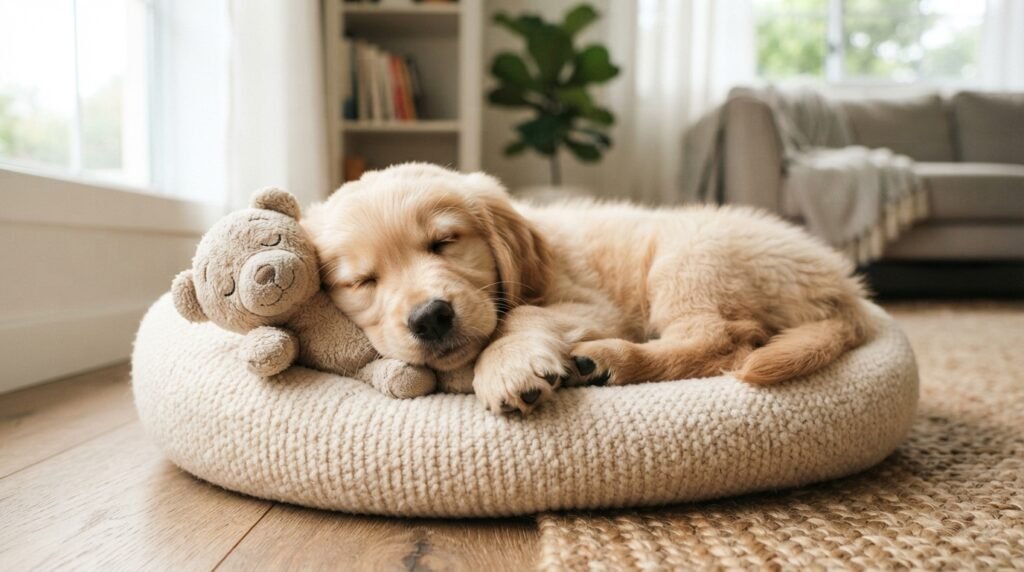
Adult dogs commonly sleep around 12–14 hours per day, although some dogs may sleep more. Puppies often need substantially more rest because their bodies and brains are developing.
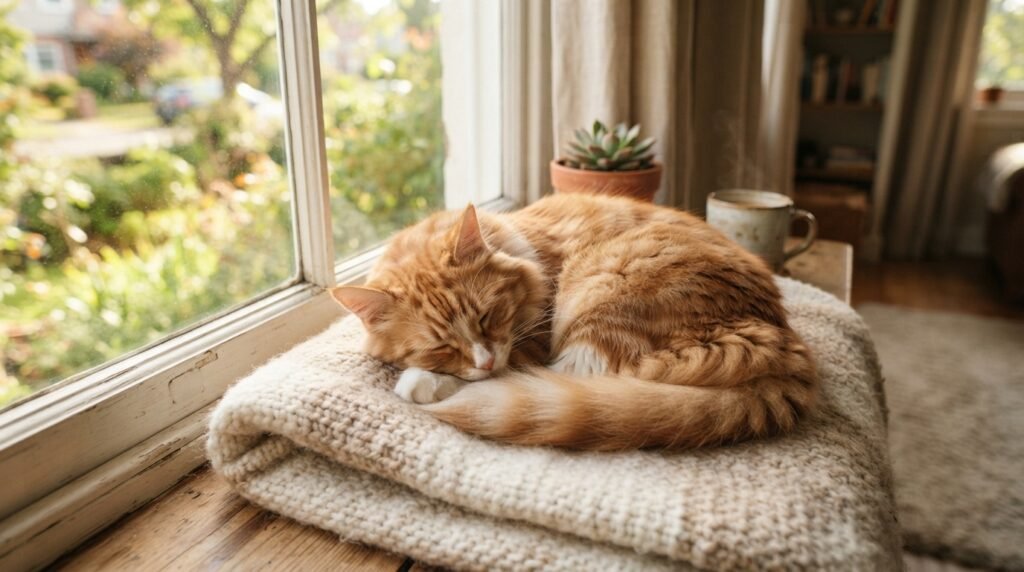
Cats are also famous for sleeping frequently. Many adult cats sleep roughly 12–16 hours per day, while kittens and some senior cats may sleep even longer.
This does not mean every long nap is a warning sign.
A healthy pet may sleep for several hours, wake up to eat or play, become active for a while, and then return to sleep. What matters most is whether your pet’s overall behavior remains normal.
For example, a dog that sleeps for 14 hours but happily gets up for meals, walks, playtime, and attention may be behaving normally.
A dog that suddenly sleeps much more, refuses its favorite activities, eats less, and seems difficult to wake deserves much closer attention.
1. Age Can Change Your Pet’s Sleep Schedule
Age is one of the most common reasons sleeping patterns change.
Young puppies and kittens need plenty of sleep because they are growing rapidly. They may alternate between short periods of intense activity and surprisingly long naps.
Adult pets generally develop more predictable sleep routines.
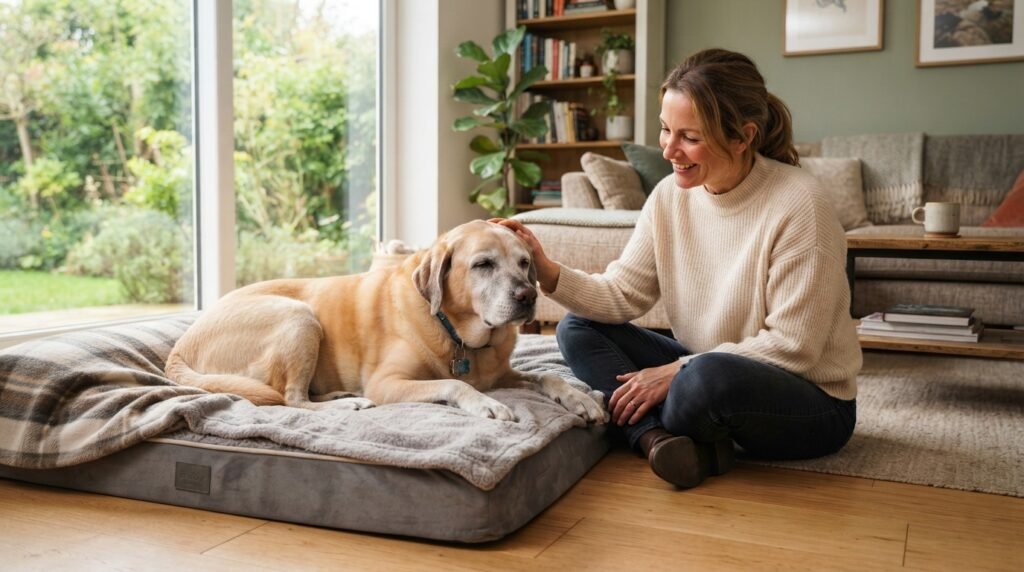
Senior dogs and cats may also sleep more than they did when they were younger. Older pets often have lower energy levels and may spend more time resting.
However, age should not automatically be used to explain every major change.
If an older pet suddenly becomes dramatically less active, seems confused, struggles to move, or stops enjoying normal activities, contact your veterinarian for advice.
2. Your Pet May Simply Be Recovering From a Busy Day
Physical activity can make a pet sleepier.
A dog that enjoyed a long walk, played fetch, attended training, or spent hours running around the yard may need extra rest afterward.
Cats can also become tired after extended play sessions, climbing, chasing toys, or exploring their environment.
Temporary extra sleep following increased activity is usually less concerning when your pet wakes normally, eats and drinks normally, and returns to its usual behavior.
3. Weather Can Affect Sleep
Temperature and weather can influence your pet’s activity level.
During very hot weather, dogs may naturally become less active during the warmest parts of the day. Cats may also choose cool, quiet places to rest.
Cold weather can similarly encourage some pets to curl up and sleep more.
Make sure your pet always has access to a comfortable resting area and fresh water. During extreme temperatures, pay particular attention to signs of overheating, dehydration, or unusual weakness.
4. Stress or Changes at Home
Pets can react strongly to changes in their environment.
Moving to a new home, introducing a new pet, changing household routines, having visitors, or experiencing unusual noise can affect sleep and behavior.
Some pets become restless when stressed, while others become quieter and spend more time hiding or sleeping.
Look at what else changed around the same time as your pet’s sleeping pattern.
If the increased sleeping continues after the stressful event has passed, or if your pet shows other unusual behaviors, consider discussing the situation with a veterinarian.
5. Boredom Can Look Like Excessive Sleeping
A pet with insufficient mental and physical stimulation may spend more time sleeping simply because there is little else to do.
This can be particularly relevant for indoor cats and dogs with limited daily activity.
Try providing age-appropriate enrichment such as interactive toys, training exercises, supervised play, puzzle feeders, sniffing activities, or additional opportunities to explore safely.
However, don’t assume boredom is the explanation if your pet’s change in energy is sudden or significant. Medical problems can also cause reduced activity.

The Most Important Question: Is This Normal for Your Pet?
Instead of focusing only on the number of hours your pet sleeps, pay attention to the quality of their waking behavior.
Ask yourself:
- Does my pet wake up normally?
- Are they eating their usual amount?
- Are they drinking normally?
- Do they still want to play or go outside?
- Are they using the bathroom normally?
- Do they respond normally when I call them?
- Are they moving comfortably?
- Is their personality otherwise unchanged?
If most answers are yes, a temporary increase in sleep may not be serious.
If several answers are no, the change deserves more attention.
Medical Reasons Your Dog or Cat May Be Sleeping More
Sometimes extra sleep is simply part of normal pet behavior. But when a dog or cat suddenly becomes much less active, medical causes should also be considered.
The key is to look at the whole picture rather than sleep alone. Changes in appetite, thirst, movement, bathroom habits, grooming, breathing, or personality can provide important clues.
6. Pain or Physical Discomfort
Pets often hide pain. Instead of crying or obviously showing discomfort, a dog or cat may become quieter and spend more time resting.
A dog experiencing joint discomfort, for example, may sleep more because walking and playing have become uncomfortable. A cat with pain may hide, avoid jumping, groom less, or become unusually withdrawn.
Other possible signs of discomfort include:
- Reluctance to climb stairs
- Difficulty getting up or lying down
- Limping
- Avoiding play
- Hiding more than usual
- Changes in posture
- Irritability when touched
- Reduced grooming in cats
If increased sleeping occurs alongside these behaviors, veterinary advice is appropriate.
7. Illness Can Cause Low Energy
Many illnesses can cause a pet to become tired or less interested in normal activities.
A dog or cat that is fighting an infection, experiencing digestive problems, or developing another health issue may spend more time sleeping because its body is using energy to cope with the problem.
Pay attention to accompanying symptoms.
For example, a normally energetic dog that suddenly sleeps most of the day and also refuses food is different from a dog that simply takes a longer nap after a busy weekend.
Cats deserve particular attention because they can be very good at hiding signs of illness. A noticeable change from their normal routine should not be dismissed simply because cats naturally sleep a lot.
8. Medications Can Change Activity Levels
Some medications can make pets drowsy or less active.
If your pet recently started a medication, ask your veterinarian whether increased sleepiness is an expected effect.
Do not stop, change, or adjust a prescribed medication without veterinary guidance.
It can also be useful to keep a simple record of when the medication is given and when unusual tiredness occurs. This information may help your veterinarian understand the pattern.
9. Changes in Appetite or Thirst Matter
Sleepiness becomes more concerning when it happens together with major changes in eating or drinking.
For example, contact your veterinarian if your pet becomes unusually tired and also:
- Refuses food
- Has a major decrease in appetite
- Suddenly drinks much more
- Drinks significantly less
- Has repeated vomiting
- Develops persistent diarrhea
- Experiences unusual weight changes
These signs do not identify a specific disease by themselves, but together they can indicate that your pet needs professional evaluation.
When Is Sleeping More an Emergency?
Not every sleepy pet needs emergency care. However, certain symptoms should be treated seriously.
Seek urgent veterinary assistance if your pet is extremely difficult to wake, collapses, has significant breathing difficulty, has severe weakness, experiences a seizure, or appears to be in serious distress.
A sudden major change in behavior is also important, especially when you cannot identify an obvious reason for it.
When in doubt, it is safer to contact a veterinary professional rather than trying to diagnose the problem at home.
How to Monitor Your Pet’s Sleeping Habits
You don’t need special equipment to monitor your dog’s or cat’s routine.
Start by learning what their normal day looks like.
Write down:
Sleep: When does your pet normally sleep and wake?
Food: Is your pet eating its usual amount?
Water: Has drinking increased or decreased?
Activity: Does your pet still enjoy walks, play, climbing, or exploring?
Bathroom habits: Are urination and bowel movements normal?
Behavior: Is your pet interacting normally with family members?
Movement: Is your pet walking, jumping, and getting up comfortably?
A simple daily record can help you notice patterns that might otherwise be easy to miss.
Don’t Focus Only on the Number of Hours
One of the biggest mistakes pet owners make is assuming that a specific number of sleeping hours automatically means something is wrong.
There is no single perfect sleep schedule for every dog or cat.
A young puppy may sleep much more than an adult dog. A senior cat may spend more time resting than a young cat. An active dog may sleep longer after exercise.
Instead of asking, “Is my pet sleeping too much?”, ask:
“Is my pet sleeping significantly more than is normal for them, and have I noticed any other changes?”
That question gives you a much better starting point.
How to Support Healthy Sleep in Dogs and Cats
If your dog or cat is sleeping more than usual, the first step is understanding why. But once serious concerns have been ruled out, there are several simple ways to support a healthy daily routine.
Healthy sleep is closely connected with exercise, mental stimulation, nutrition, comfort, and a predictable environment.
Create a Comfortable Sleeping Area
Every pet should have a quiet and comfortable place to rest.
Dogs may prefer a supportive bed in a calm area of the home, while cats often choose elevated, hidden, or warm sleeping locations.
Make sure the sleeping area is:
- Clean and dry
- Comfortable for your pet’s size
- Away from excessive household noise
- Protected from extreme temperatures
- Easy for older pets to access
Senior pets may benefit from beds that provide additional support and are positioned where they do not need to climb stairs.
Keep a Consistent Daily Routine
Dogs and cats generally benefit from predictable routines.
Try to maintain reasonably consistent times for meals, walks, play, training, and rest.
A routine can help your pet understand when it is time to be active and when it is time to settle down.
Sudden changes in the household schedule can sometimes affect a pet’s behavior, so gradual adjustments are preferable whenever possible.
Provide Appropriate Exercise
Regular physical activity is important for both dogs and cats.
For dogs, this may include walks, supervised outdoor activities, games, and training.
For cats, interactive play can encourage natural behaviors such as chasing, stalking, and pouncing.
The right amount of activity depends on your pet’s age, breed, fitness level, and health.
Avoid forcing an older or unwell pet into intense exercise. If you are unsure how much activity is appropriate, ask your veterinarian.
Don’t Forget Mental Stimulation
Physical exercise isn’t the only way to keep a pet engaged.
Mental enrichment can be especially valuable for indoor cats and dogs that spend much of their day at home.
Try:
- Food puzzles
- Interactive toys
- Short training sessions
- Hide-and-seek games
- Scent-based activities for dogs
- Safe climbing or observation areas for cats
- Rotating toys so they remain interesting
A pet that receives appropriate enrichment may have a healthier balance between activity and rest.
When Should You Call Your Veterinarian?
A change in sleeping habits deserves more attention when it is sudden, persistent, or accompanied by other unusual symptoms.
Contact your veterinarian if your pet’s increased sleeping continues or if you notice changes such as reduced appetite, vomiting, diarrhea, unusual thirst, weight loss, difficulty moving, persistent hiding, coughing, breathing changes, or major personality changes.
You should also seek prompt professional help if your pet seems extremely weak, collapses, cannot be awakened normally, or appears to be experiencing severe distress.
Remember that sleepiness is a symptom, not a diagnosis. Many different conditions can cause changes in energy, and only a veterinary professional can properly evaluate your pet.
Dog vs. Cat: What Pet Owners Should Watch For
Dogs and cats have different natural behaviors, so their sleep patterns should be interpreted differently.
A dog that sleeps for a long period may still wake up excited for a walk, meal, or family interaction.
Cats often sleep in multiple periods throughout the day and may appear inactive for long stretches. They can also be very subtle when they are not feeling well.
For cats, watch particularly closely for changes in:
- Appetite
- Grooming
- Litter-box habits
- Jumping ability
- Hiding behavior
- Social interaction
- Normal curiosity
For dogs, pay attention to:
- Interest in walks
- Willingness to play
- Appetite
- Mobility
- Response to familiar people
- Bathroom habits
- Overall energy
The goal isn’t to prevent your pet from sleeping. Sleep is an essential part of a healthy life. The goal is to recognize when your pet’s normal pattern has changed.
Frequently Asked Questions
Why is my dog sleeping all day?
Dogs naturally sleep for many hours each day. Extra sleep may follow increased activity, changes in routine, age, or weather. However, sudden excessive sleepiness combined with poor appetite, weakness, pain, vomiting, diarrhea, or other unusual symptoms should be discussed with a veterinarian.
Why is my cat sleeping more than usual?
Cats naturally sleep frequently, but a noticeable change from their normal routine can sometimes indicate stress, discomfort, or illness. Monitor appetite, grooming, litter-box use, movement, and behavior along with sleep.
How many hours should a dog sleep?
Sleep needs vary by age, breed, activity level, and individual temperament. Puppies and senior dogs often need more sleep than healthy adult dogs.
How many hours should a cat sleep?
Many cats sleep around 12–16 hours per day, although individual cats can vary. Kittens and some senior cats may sleep even longer.
Should I wake my sleeping pet?
Generally, healthy pets should be allowed to rest. However, if your pet is unusually difficult to wake or does not respond normally when awakened, seek veterinary advice promptly.
Is sleeping more always a sign of illness?
No. Extra sleep can have harmless explanations, including increased activity, age, weather, or changes in routine. The important factor is whether the change is significant and whether other symptoms are present.

Final Thoughts
Dogs and cats are naturally sleepy animals, and plenty of rest is completely normal. The challenge for pet owners is recognizing when normal sleep has become an unusual change in behavior.
Instead of worrying about a specific number of sleeping hours, learn your pet’s normal routine. Watch their appetite, activity, movement, grooming, bathroom habits, and personality.
If your pet suddenly sleeps much more than usual or shows additional concerning symptoms, don’t try to diagnose the problem yourself. A veterinarian can help determine what is causing the change and whether treatment is necessary.
A healthy pet doesn’t have to be constantly active. What matters is that their sleep, energy, and behavior remain consistent with their own normal pattern.

hammadniazi6663@gmail.com
Contributor at PetZuoo, publishing practical information for pet owners and animal lovers.
Related guides
Why Do Dog Tilt Their Heads? 9 Fascinating Reason
Why Do Dog Tilt Their Heads? 9 Fascinating Reason Behind This Adorable Behavior. Have you ever spoken to your dog and watched…
Cat Chattering at Birds: 7 Amazing Reasons Explained
Cat Chattering at Birds: 7 Amazing Reasons Explained. Have you ever noticed your cat sitting beside a window, watching birds outside, and…
Why Do Cats Chirp at Birds? 7 Fascinating Reasons
Why Do Cats Chirp at Birds? 7 Fascinating Reasons Behind This Cute Cat Behavior, Have you ever watched your cat sitting beside…