If your dog occasionally licks its paws, there may be nothing to worry about. Dogs naturally groom themselves, and a little paw licking can be completely normal. Why Does My Dog Keep Licking Its Paws? 9 Causes
But if you notice your dog licking its paws constantly, chewing between its toes, waking up at night to lick, or developing red and irritated skin, something else may be going on.
Excessive paw licking is often a sign of itching, irritation, allergies, pain, infection, parasites, or stress. Finding the underlying cause is important because simply stopping your dog from licking may not solve the problem.
In this guide, PetZuoo explains the most common reasons dogs lick their paws, what you can safely check at home, and when professional veterinary care is necessary.
Why Does My Dog Keep Licking Its Paws?
There isn’t one single reason dogs lick their paws excessively. The cause can range from something as simple as dirt or a minor irritation to an allergy or infection that needs veterinary treatment.
Pay attention to when your dog licks, which paws are affected, and whether you notice other symptoms such as redness, swelling, odor, hair loss, or limping.
The most common causes include:
- Allergies
- Environmental irritants
- Fleas and other parasites
- Dry or damaged paw pads
- Cuts or foreign objects
- Yeast or bacterial infections
- Pain or inflammation
- Anxiety or boredom
- Seasonal irritation
Let’s look at each possibility more closely.
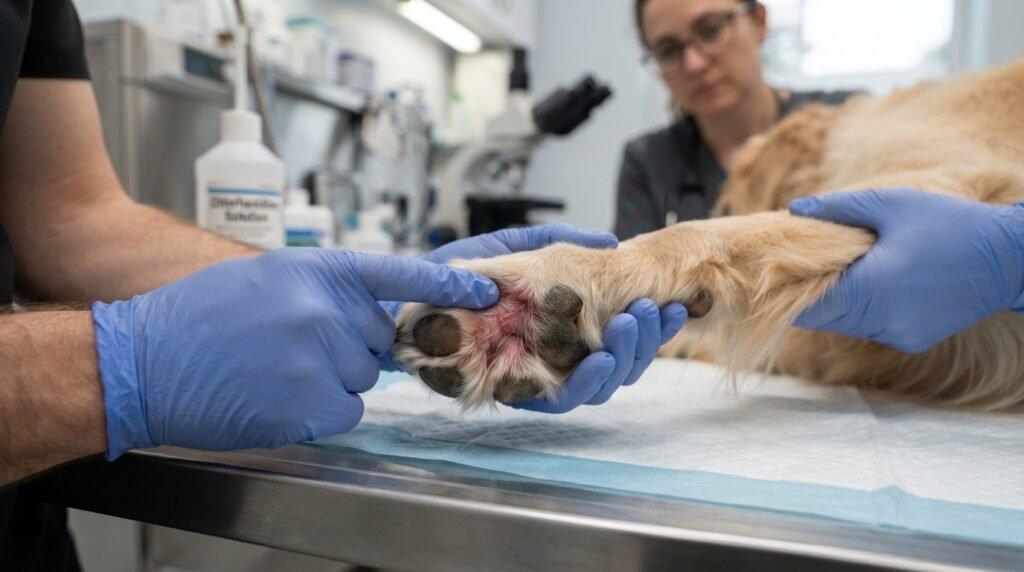
1. Allergies
Allergies are one of the most common reasons a dog may develop itchy paws.
Dogs can react to environmental substances such as pollen, grass, dust, mold, or certain household materials. Some dogs may also experience food-related allergies or sensitivities.
When the paws become itchy, your dog may repeatedly lick or chew them for relief.
Signs That Allergies May Be Involved
Look for:
- Red paws
- Frequent licking or chewing
- Itchy skin elsewhere on the body
- Redness between the toes
- Recurrent ear problems
- Excessive scratching
- Symptoms that appear during particular seasons
If your dog’s paw licking becomes worse after spending time outdoors, environmental allergens may be contributing to the problem.
Don’t assume that changing your dog’s food will automatically solve the issue. Food allergies are only one possible cause, and persistent symptoms should be discussed with a veterinarian.
2. Grass, Dirt, or Chemical Irritation
Sometimes the problem is right under your dog’s feet.
Grass, road salt, cleaning products, lawn treatments, and other substances can irritate sensitive paws. Dogs that frequently walk on treated lawns or hard outdoor surfaces may be particularly vulnerable to irritation.
After outdoor walks, gently inspect your dog’s paws.
Check between the toes and around the paw pads for:
- Dirt
- Small pieces of plant material
- Sticky substances
- Redness
- Cracks
- Swelling
- Small cuts
You can gently rinse your dog’s paws with clean water after walks if you suspect an irritant is causing discomfort. Dry them thoroughly afterward, especially between the toes.
Avoid using harsh household cleaners, alcohol, essential oils, or human skin products on your dog’s paws unless your veterinarian specifically recommends them.
3. Fleas and Other Parasites
Parasites can cause intense itching.
Even if you don’t see fleas, your dog can still have a flea-related skin problem. Some dogs are highly sensitive to flea saliva, so a small number of bites can trigger significant itching.
Other parasites can also cause skin irritation.
If your dog is licking its paws along with scratching other parts of its body, check for additional signs of parasites.
A veterinarian can help determine whether parasites are responsible and recommend an appropriate treatment.
4. Dry or Damaged Paw Pads
Your dog’s paw pads are designed to handle outdoor activity, but they aren’t invincible.
Hot pavement, rough surfaces, excessive exercise, winter conditions, and very dry environments can contribute to cracked or irritated paw pads.
A dog with uncomfortable paw pads may lick them repeatedly.
What to Check
Gently examine each paw for:
- Cracks
- Peeling skin
- Bleeding
- Rough areas
- Burns
- Swelling
- Tenderness
If your dog appears painful when you touch a paw, don’t force the examination.
For mild dryness, ask your veterinarian about a dog-safe paw balm or moisturizer. Avoid randomly applying human lotions because some ingredients may be unsuitable if your dog licks them.
A Simple Paw Check You Can Do at Home
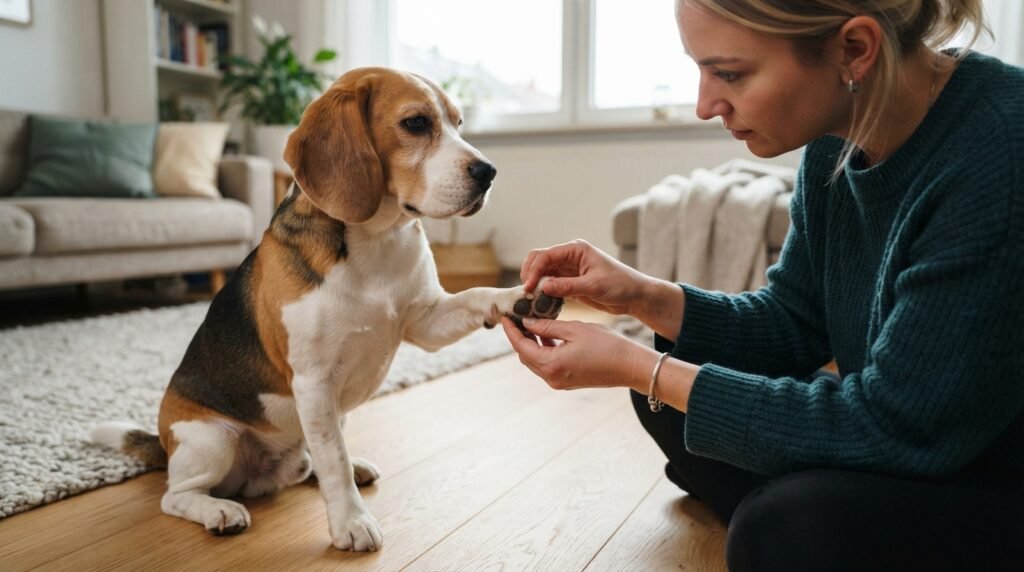
If your dog is calmly allowing you to handle its feet, examine one paw at a time.
Start with the top of the paw and work toward the pads. Look carefully between each toe.
Ask yourself:
Is the paw red?
Redness may indicate irritation, allergy, inflammation, or infection.
Is there swelling?
Swelling can occur with injury, infection, or a foreign object.
Does the paw smell unusual?
A strong or unpleasant odor can sometimes accompany an infection.
Is your dog limping?
Limping can indicate pain or injury and deserves attention.
Is there discharge or bleeding?
These signs should not be ignored.
If you discover a serious wound, significant swelling, a foreign object embedded in the paw, or severe pain, contact your veterinarian rather than trying to treat the problem yourself.
Don’t Ignore Persistent Paw Licking
Occasional licking isn’t necessarily a problem. The concern is persistent or excessive licking.
Repeated licking can create a cycle:
itching → licking → irritated skin → more itching → more licking
Over time, the skin can become damaged, making it easier for secondary infections to develop.
That’s why identifying the underlying cause is more important than simply preventing your dog from licking.
Why Does My Dog Keep Licking Its Paws? 9 Common Causes & Proven Solutions
If your dog occasionally licks its paws, there may be nothing to worry about. Dogs naturally groom themselves, and a little paw licking can be completely normal.
But if you notice your dog licking its paws constantly, chewing between its toes, waking up at night to lick, or developing red and irritated skin, something else may be going on.
Excessive paw licking is often a sign of itching, irritation, allergies, pain, infection, parasites, or stress. Finding the underlying cause is important because simply stopping your dog from licking may not solve the problem.
In this guide, PetZuoo explains the most common reasons dogs lick their paws, what you can safely check at home, and when professional veterinary care is necessary.
Why Does My Dog Keep Licking Its Paws?
There isn’t one single reason dogs lick their paws excessively. The cause can range from something as simple as dirt or a minor irritation to an allergy or infection that needs veterinary treatment.
Pay attention to when your dog licks, which paws are affected, and whether you notice other symptoms such as redness, swelling, odor, hair loss, or limping.
The most common causes include:
- Allergies
- Environmental irritants
- Fleas and other parasites
- Dry or damaged paw pads
- Cuts or foreign objects
- Yeast or bacterial infections
- Pain or inflammation
- Anxiety or boredom
- Seasonal irritation
Let’s look at each possibility more closely.

1. Allergies
Allergies are one of the most common reasons a dog may develop itchy paws.
Dogs can react to environmental substances such as pollen, grass, dust, mold, or certain household materials. Some dogs may also experience food-related allergies or sensitivities.
When the paws become itchy, your dog may repeatedly lick or chew them for relief.
Signs That Allergies May Be Involved
Look for:
- Red paws
- Frequent licking or chewing
- Itchy skin elsewhere on the body
- Redness between the toes
- Recurrent ear problems
- Excessive scratching
- Symptoms that appear during particular seasons
If your dog’s paw licking becomes worse after spending time outdoors, environmental allergens may be contributing to the problem.
Don’t assume that changing your dog’s food will automatically solve the issue. Food allergies are only one possible cause, and persistent symptoms should be discussed with a veterinarian.
2. Grass, Dirt, or Chemical Irritation
Sometimes the problem is right under your dog’s feet.
Grass, road salt, cleaning products, lawn treatments, and other substances can irritate sensitive paws. Dogs that frequently walk on treated lawns or hard outdoor surfaces may be particularly vulnerable to irritation.
After outdoor walks, gently inspect your dog’s paws.
Check between the toes and around the paw pads for:
- Dirt
- Small pieces of plant material
- Sticky substances
- Redness
- Cracks
- Swelling
- Small cuts
You can gently rinse your dog’s paws with clean water after walks if you suspect an irritant is causing discomfort. Dry them thoroughly afterward, especially between the toes.
Avoid using harsh household cleaners, alcohol, essential oils, or human skin products on your dog’s paws unless your veterinarian specifically recommends them.
3. Fleas and Other Parasites
Parasites can cause intense itching.
Even if you don’t see fleas, your dog can still have a flea-related skin problem. Some dogs are highly sensitive to flea saliva, so a small number of bites can trigger significant itching.
Other parasites can also cause skin irritation.
If your dog is licking its paws along with scratching other parts of its body, check for additional signs of parasites.
A veterinarian can help determine whether parasites are responsible and recommend an appropriate treatment.
4. Dry or Damaged Paw Pads
Your dog’s paw pads are designed to handle outdoor activity, but they aren’t invincible.
Hot pavement, rough surfaces, excessive exercise, winter conditions, and very dry environments can contribute to cracked or irritated paw pads.
A dog with uncomfortable paw pads may lick them repeatedly.
What to Check
Gently examine each paw for:
- Cracks
- Peeling skin
- Bleeding
- Rough areas
- Burns
- Swelling
- Tenderness
If your dog appears painful when you touch a paw, don’t force the examination.
For mild dryness, ask your veterinarian about a dog-safe paw balm or moisturizer. Avoid randomly applying human lotions because some ingredients may be unsuitable if your dog licks them.

A Simple Paw Check You Can Do at Home
If your dog is calmly allowing you to handle its feet, examine one paw at a time.
Start with the top of the paw and work toward the pads. Look carefully between each toe.
Ask yourself:
Is the paw red?
Redness may indicate irritation, allergy, inflammation, or infection.
Is there swelling?
Swelling can occur with injury, infection, or a foreign object.
Does the paw smell unusual?
A strong or unpleasant odor can sometimes accompany an infection.
Is your dog limping?
Limping can indicate pain or injury and deserves attention.
Is there discharge or bleeding?
These signs should not be ignored.
If you discover a serious wound, significant swelling, a foreign object embedded in the paw, or severe pain, contact your veterinarian rather than trying to treat the problem yourself.
Don’t Ignore Persistent Paw Licking
Occasional licking isn’t necessarily a problem. The concern is persistent or excessive licking.
Repeated licking can create a cycle:
itching → licking → irritated skin → more itching → more licking
Over time, the skin can become damaged, making it easier for secondary infections to develop.
That’s why identifying the underlying cause is more important than simply preventing your dog from licking.
Safe Things You Can Do at Home
If your dog’s paw licking is mild and there are no signs of serious injury or illness, there are several simple steps you can take while monitoring the situation.
1. Check the Paws Regularly
Make paw checks part of your dog’s normal grooming routine.
Look between the toes, around the pads, and near the nails. Early detection can help you notice irritation before it becomes a bigger problem.
If your dog becomes uncomfortable during the inspection, stop and seek professional help rather than forcing the examination.
2. Rinse Paws After Walks
If your dog spends time outdoors, gently rinsing the paws with clean water can remove dirt, pollen, and other surface irritants.
Always dry the paws afterward.
Pay particular attention to the spaces between the toes because trapped moisture can contribute to skin problems.
3. Keep Nails at an Appropriate Length
Overgrown nails can affect the way a dog walks and may contribute to discomfort.
Trim your dog’s nails regularly or have a professional groomer or veterinarian do it if you’re uncomfortable trimming them yourself.
Never cut too deeply into the nail because this can cause pain and bleeding.
4. Keep Bedding Clean
Wash your dog’s bedding regularly according to the manufacturer’s instructions.
A clean sleeping environment can help reduce the buildup of dirt and other potential irritants.
If your dog has known allergies, ask your veterinarian whether additional environmental changes would be beneficial.
5. Use Dog-Safe Products
Only use paw cleaners, balms, shampoos, or other topical products specifically intended for dogs unless your veterinarian recommends something else.
Dogs naturally lick their feet, so anything applied to the paws may eventually be swallowed.
What You Should Never Put on Your Dog’s Paws
A common mistake is reaching for whatever cream or household product is available.
Avoid experimenting with human medications, strong disinfectants, essential oils, or household chemicals.
Some products can irritate the skin, and others may be unsafe if swallowed.
Do not apply medication simply because it worked for a person or another dog.
If the skin is damaged or the cause of the paw licking is unknown, ask your veterinarian before using medicated products.
How to Prevent Excessive Paw Licking
You can’t prevent every cause of paw licking, but good routine care can reduce some common problems.
Maintain Regular Grooming
Keep your dog’s coat, nails, and paws clean and well maintained.
Long hair between the toes may collect dirt and moisture, although trimming should be done carefully and preferably with professional guidance if you’re unsure.
Protect Paws From Extreme Surfaces
Very hot pavement can injure paw pads.
During hot weather, consider walking during cooler parts of the day and choosing shaded or softer surfaces when possible.
In cold climates, ice, snow, and de-icing products can also irritate paws.
Keep Parasite Prevention Current
Follow your veterinarian’s recommendations for flea and parasite prevention.
Don’t wait until you see fleas before taking prevention seriously.
Provide Enough Exercise and Mental Stimulation
A healthy routine can help reduce boredom-related behaviors.
Your dog’s needs will depend on age, breed, health, and personality.
Instead of focusing only on exhausting your dog physically, combine walks with training, sniffing opportunities, play, and interactive activities.
A Quick Paw-Licking Checklist for Dog Owners
If you notice your dog licking its paws more than usual, ask yourself these questions:
- Is one paw affected or all four?
- When did the licking begin?
- Is the skin red?
- Is there swelling?
- Is there an unusual smell?
- Is your dog limping?
- Are there cuts or damaged nails?
- Does your dog have itchy skin elsewhere?
- Has your dog recently walked on a new surface?
- Has anything changed at home?
- Is the licking becoming more frequent?
Your answers can help you recognize patterns and give your veterinarian useful information.
When Paw Licking Becomes a Cycle
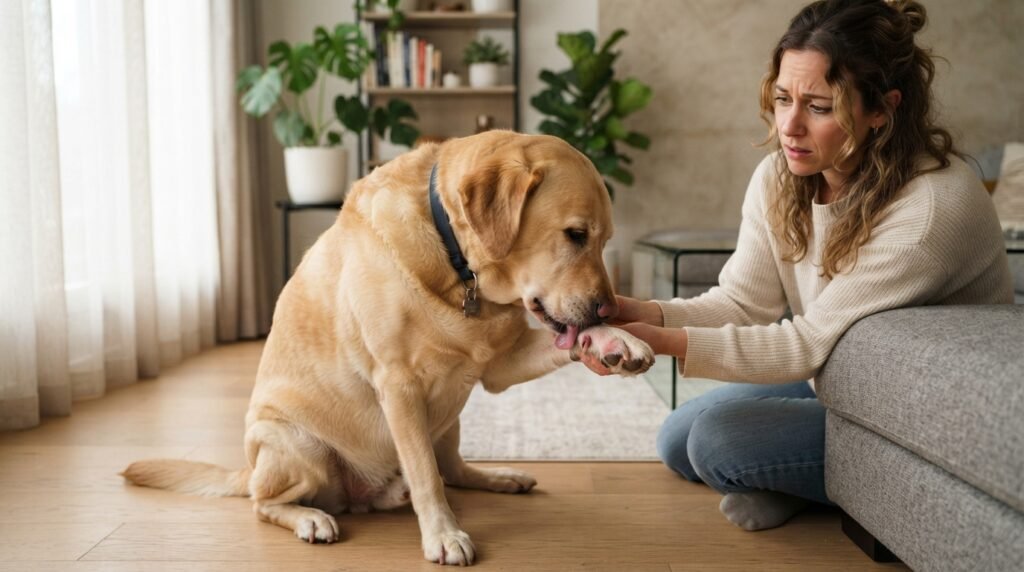
One of the biggest reasons excessive licking should not be ignored is that it can create a self-perpetuating cycle.
Irritation → licking → damaged skin → increased irritation → more licking
Once the skin becomes damaged, secondary problems may develop.
That’s why simply preventing your dog from licking may not be enough. The underlying trigger still needs to be identified and addressed.
Frequently Asked Questions
Is it normal for dogs to lick their paws?
Occasional paw licking can be normal grooming behavior. Frequent or intense licking, especially when accompanied by redness, swelling, odor, wounds, or hair loss, deserves closer attention.
Why does my dog lick its paws at night?
Nighttime licking can happen for several reasons, including itching, allergies, irritation, pain, or behavioral factors. If the behavior repeatedly interrupts your dog’s sleep, speak with your veterinarian.
How can I stop my dog from licking its paws?
First determine why your dog is licking. Check for visible irritation or injury, keep the paws clean and dry, reduce possible irritant exposure, and consult a veterinarian if the problem persists.
Can allergies cause paw licking?
Yes. Allergies can cause itchy skin and paws in dogs. Environmental allergens are one possible trigger, while food-related allergies are another possibility.
Should I be worried if my dog licks only one paw?
One-paw licking may point toward a localized problem such as an injury, damaged nail, foreign object, or another source of pain. Carefully inspect the paw if your dog allows it, and contact your veterinarian if the licking continues or your dog is painful.
Final Takeaway
If your dog keeps licking its paws, don’t automatically assume it’s just a habit.
Occasional licking may be normal, but persistent paw licking can be a sign of allergies, irritation, parasites, infection, injury, pain, or stress.
Start by calmly checking the paws, keeping them clean and dry, and observing when the behavior occurs.
Most importantly, don’t rely on guesswork when the problem is persistent or severe. Your veterinarian can help determine the underlying cause and recommend appropriate treatment.
Your dog’s paws carry them through almost every adventure. A few minutes of regular paw care can help you catch problems early and keep those four paws healthy, comfortable, and ready for the next walk.
Safe Things You Can Do at Home
If your dog’s paw licking is mild and there are no signs of serious injury or illness, there are several simple steps you can take while monitoring the situation.
1. Check the Paws Regularly
Make paw checks part of your dog’s normal grooming routine.
Look between the toes, around the pads, and near the nails. Early detection can help you notice irritation before it becomes a bigger problem.
If your dog becomes uncomfortable during the inspection, stop and seek professional help rather than forcing the examination.
2. Rinse Paws After Walks
If your dog spends time outdoors, gently rinsing the paws with clean water can remove dirt, pollen, and other surface irritants.
Always dry the paws afterward.
Pay particular attention to the spaces between the toes because trapped moisture can contribute to skin problems.

3. Keep Nails at an Appropriate Length
Overgrown nails can affect the way a dog walks and may contribute to discomfort.
Trim your dog’s nails regularly or have a professional groomer or veterinarian do it if you’re uncomfortable trimming them yourself.
Never cut too deeply into the nail because this can cause pain and bleeding.
4. Keep Bedding Clean
Wash your dog’s bedding regularly according to the manufacturer’s instructions.
A clean sleeping environment can help reduce the buildup of dirt and other potential irritants.
If your dog has known allergies, ask your veterinarian whether additional environmental changes would be beneficial.
5. Use Dog-Safe Products
Only use paw cleaners, balms, shampoos, or other topical products specifically intended for dogs unless your veterinarian recommends something else.
Dogs naturally lick their feet, so anything applied to the paws may eventually be swallowed.
What You Should Never Put on Your Dog’s Paws
A common mistake is reaching for whatever cream or household product is available.
Avoid experimenting with human medications, strong disinfectants, essential oils, or household chemicals.
Some products can irritate the skin, and others may be unsafe if swallowed.
Do not apply medication simply because it worked for a person or another dog.
If the skin is damaged or the cause of the paw licking is unknown, ask your veterinarian before using medicated products.
How to Prevent Excessive Paw Licking
You can’t prevent every cause of paw licking, but good routine care can reduce some common problems.
Maintain Regular Grooming
Keep your dog’s coat, nails, and paws clean and well maintained.
Long hair between the toes may collect dirt and moisture, although trimming should be done carefully and preferably with professional guidance if you’re unsure.
Protect Paws From Extreme Surfaces
Very hot pavement can injure paw pads.
During hot weather, consider walking during cooler parts of the day and choosing shaded or softer surfaces when possible.
In cold climates, ice, snow, and de-icing products can also irritate paws.
Keep Parasite Prevention Current
Follow your veterinarian’s recommendations for flea and parasite prevention.
Don’t wait until you see fleas before taking prevention seriously.
Provide Enough Exercise and Mental Stimulation
A healthy routine can help reduce boredom-related behaviors.
Your dog’s needs will depend on age, breed, health, and personality.
Instead of focusing only on exhausting your dog physically, combine walks with training, sniffing opportunities, play, and interactive activities.
A Quick Paw-Licking Checklist for Dog Owners
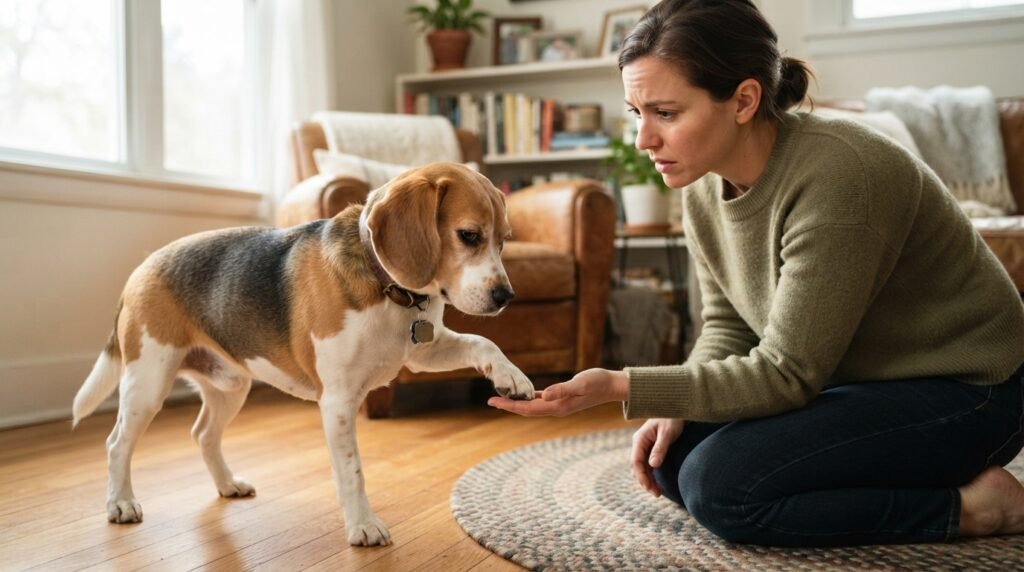
If you notice your dog licking its paws more than usual, ask yourself these questions:
- Is one paw affected or all four?
- When did the licking begin?
- Is the skin red?
- Is there swelling?
- Is there an unusual smell?
- Is your dog limping?
- Are there cuts or damaged nails?
- Does your dog have itchy skin elsewhere?
- Has your dog recently walked on a new surface?
- Has anything changed at home?
- Is the licking becoming more frequent?
Your answers can help you recognize patterns and give your veterinarian useful information.
When Paw Licking Becomes a Cycle
One of the biggest reasons excessive licking should not be ignored is that it can create a self-perpetuating cycle.
Irritation → licking → damaged skin → increased irritation → more licking
Once the skin becomes damaged, secondary problems may develop.
That’s why simply preventing your dog from licking may not be enough. The underlying trigger still needs to be identified and addressed.
Frequently Asked Questions
Is it normal for dogs to lick their paws?
Occasional paw licking can be normal grooming behavior. Frequent or intense licking, especially when accompanied by redness, swelling, odor, wounds, or hair loss, deserves closer attention.
Why does my dog lick its paws at night?
Nighttime licking can happen for several reasons, including itching, allergies, irritation, pain, or behavioral factors. If the behavior repeatedly interrupts your dog’s sleep, speak with your veterinarian.
How can I stop my dog from licking its paws?
First determine why your dog is licking. Check for visible irritation or injury, keep the paws clean and dry, reduce possible irritant exposure, and consult a veterinarian if the problem persists.
Can allergies cause paw licking?
Yes. Allergies can cause itchy skin and paws in dogs. Environmental allergens are one possible trigger, while food-related allergies are another possibility.
Should I be worried if my dog licks only one paw?
One-paw licking may point toward a localized problem such as an injury, damaged nail, foreign object, or another source of pain. Carefully inspect the paw if your dog allows it, and contact your veterinarian if the licking continues or your dog is painful.
Final Takeaway
If your dog keeps licking its paws, don’t automatically assume it’s just a habit.
Occasional licking may be normal, but persistent paw licking can be a sign of allergies, irritation, parasites, infection, injury, pain, or stress.
Start by calmly checking the paws, keeping them clean and dry, and observing when the behavior occurs.
Most importantly, don’t rely on guesswork when the problem is persistent or severe. Your veterinarian can help determine the underlying cause and recommend appropriate treatment.
Your dog’s paws carry them through almost every adventure. A few minutes of regular paw care can help you catch problems early and keep those four paws healthy, comfortable, and ready for the next walk.
PetZuoo Tip: If paw licking suddenly becomes intense, causes visible skin damage, or is accompanied by swelling, bleeding, discharge, severe pain, or limping, don’t wait for the problem to resolve on its own—contact your veterinariaPetZuoo Tip: If paw licking suddenly becomes intense, causes visible skin damage, or is accompanied by swelling, bleeding, discharge, severe pain, or limping, don’t wait for the problem to resolve on its own—contact your veterinaria


hammadniazi6663@gmail.com
Contributor at PetZuoo, publishing practical information for pet owners and animal lovers.
Related guides
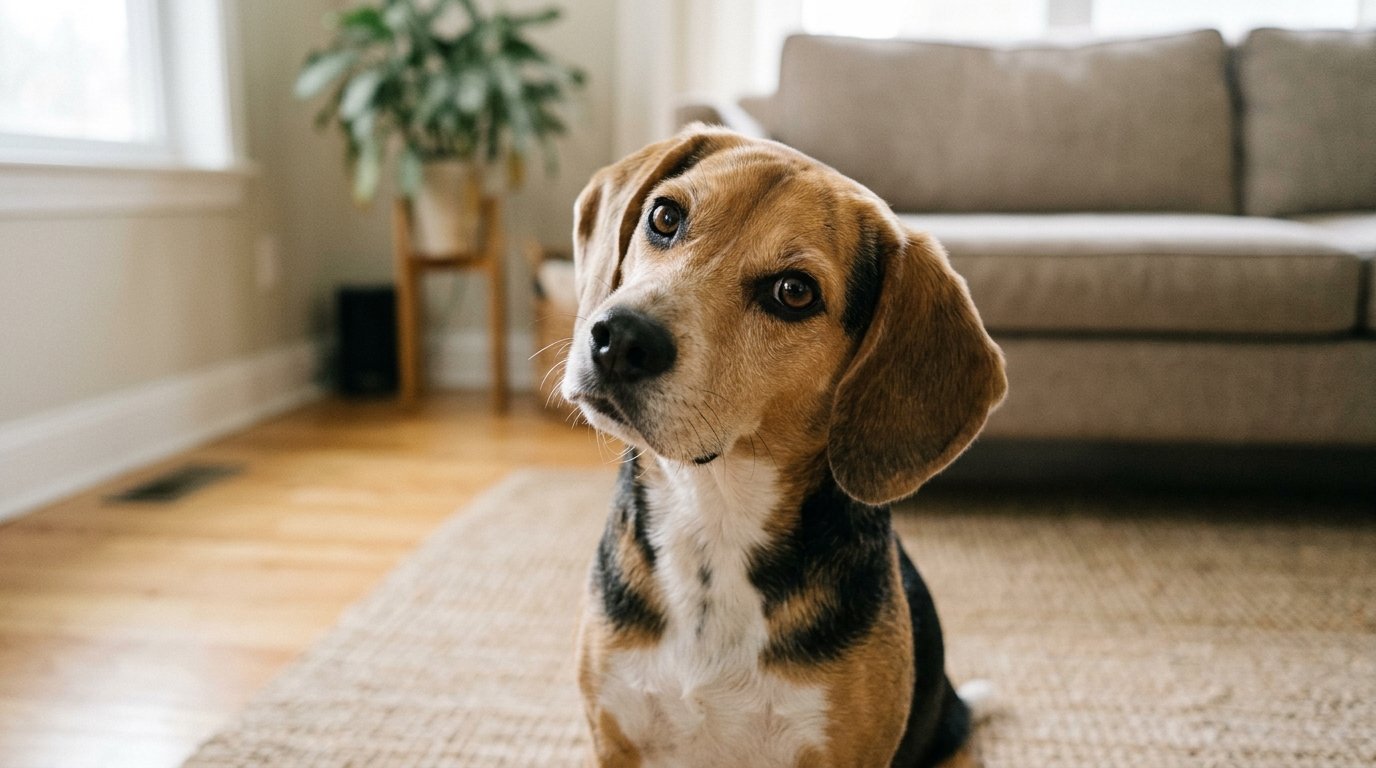
Why Do Dog Tilt Their Heads? 9 Fascinating Reason
Why Do Dog Tilt Their Heads? 9 Fascinating Reason Behind This Adorable Behavior. Have you ever spoken to your dog and watched…
Why Does Dog Suddenly Follow Me Everywhere? 9 Reasons
Why Does Dog Suddenly Follow Me Everywhere? 9 Reasons and Have you noticed that your dog suddenly seems to be your shadow?…
Ultimate Guide to Dog Separation Anxiety
Ultimate Guide to Dog Separation Anxiety. Proven Ways to Help Your Dog Feel Safe Alone, and Leaving your dog at home for…