How to Tell If Your Cat Is Bored: 15 Signs Every Owner Should Never Ignore
Have you ever noticed your cat staring out the window for hours, knocking objects off shelves, or zooming around the house in the middle of the night? While these behaviors can seem funny, they may actually be signs that your cat is bored.
Many people assume cats are independent and can entertain themselves all day. In reality, indoor cats need regular mental and physical stimulation. Without enough enrichment, they can become frustrated, stressed, overweight, or even develop behavioral problems.
Whether you have a playful kitten or a senior cat, understanding the signs of boredom can help you improve your pet’s quality of life. The good news is that preventing boredom doesn’t have to be expensive or complicated.
In this guide, you’ll learn how to recognize the most common warning signs, why boredom happens, and practical ways to keep your cat active, healthy, and happy.
Why Do Cats Get Bored?
Cats are natural hunters. In the wild, they spend hours stalking prey, climbing, exploring, and solving problems to find food. Even though our indoor cats don’t need to hunt for survival, those instincts are still deeply ingrained.
Indoor cats often live in a predictable environment:
- The same rooms every day
- The same food bowl
- The same sleeping spots
- Limited opportunities to explore
- Few challenges to stimulate their minds
Over time, this routine can become monotonous. Without opportunities to use their natural instincts, many cats begin creating their own entertainment—which isn’t always something owners appreciate.
Common causes of boredom include:
- Lack of interactive play
- No climbing opportunities
- Few scratching surfaces
- Limited window views
- Living alone without stimulation
- Toys that are never rotated
- Owners being away at work for long hours
Fortunately, recognizing the early signs allows you to make simple changes before boredom turns into a bigger issue.
Sign #1: Sleeping Much More Than Normal
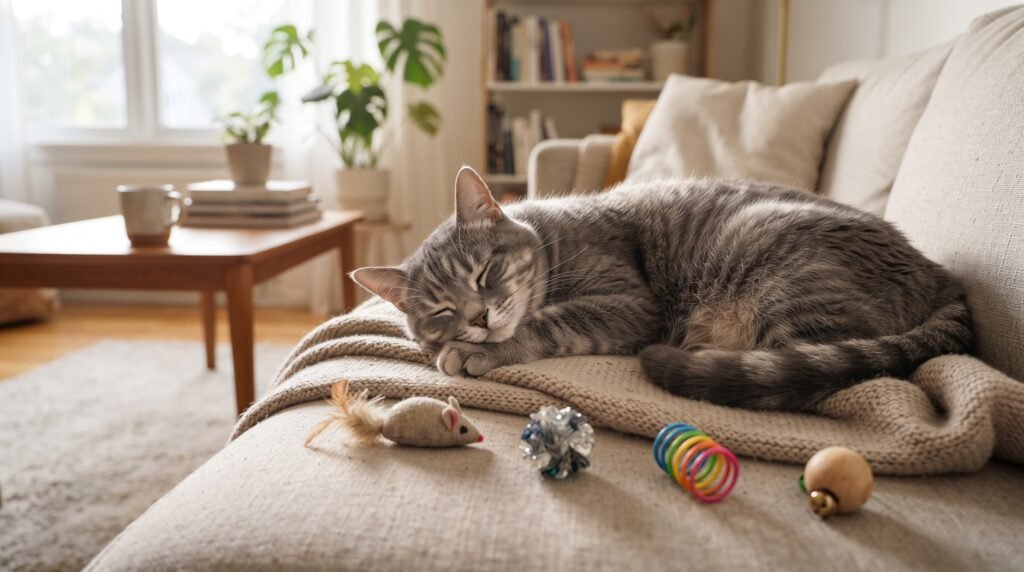
Cats naturally sleep between 12 and 16 hours a day, and some seniors sleep even longer. However, excessive sleeping combined with little interest in play can indicate boredom.
A bored cat may sleep simply because there is nothing else to do.
Watch for:
- Sleeping almost all day
- Rarely exploring the house
- Ignoring favorite toys
- Showing little curiosity
If your cat becomes active only when food appears, it may be time to introduce more enrichment into their daily routine.
Sign #2: Overeating or Constantly Begging for Food
Food becomes entertainment for many bored cats.
Instead of eating because they’re hungry, they may visit their food bowl repeatedly or constantly ask for treats.
This can quickly lead to:
- Weight gain
- Diabetes risk
- Joint problems
- Reduced activity
To reduce boredom eating:
- Feed smaller meals throughout the day.
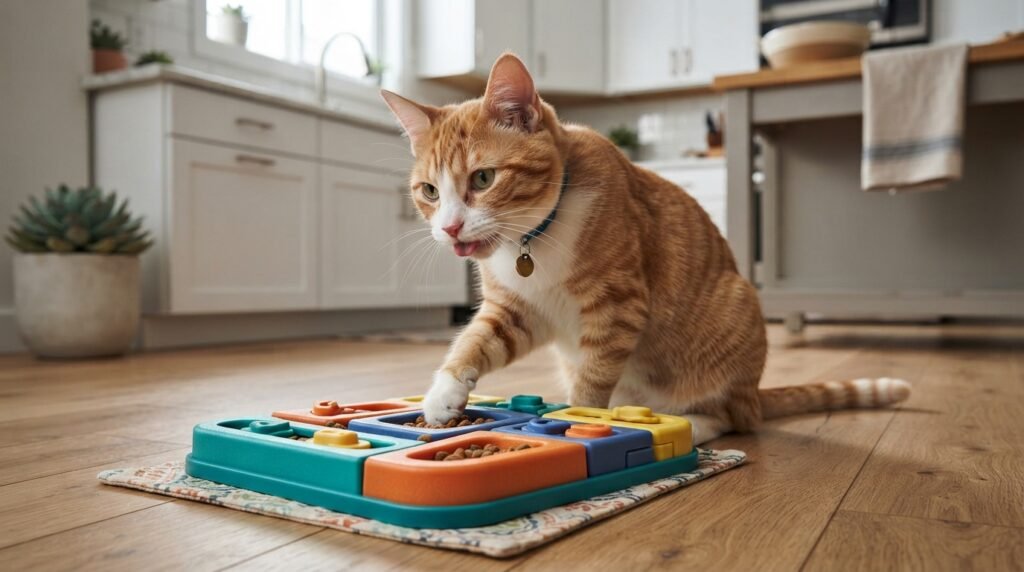
- Use puzzle feeders.
- Hide treats around the house.
- Make your cat “hunt” for meals.
These activities stimulate your cat’s brain while slowing down eating.
Sign #3: Destructive Behavior
If your cat suddenly starts scratching furniture, chewing cords, knocking decorations off shelves, or tearing paper, boredom may be the cause.
These behaviors often provide excitement when there is nothing else to do.
Instead of punishing your cat, ask yourself:
Does my cat have enough opportunities to climb, scratch, hunt, and play?
Providing appropriate outlets usually reduces destructive habits naturally.
Sign #4: Excessive Meowing
Cats communicate for many reasons, including hunger, affection, or wanting attention. However, if your cat suddenly starts meowing much more than usual, boredom could be the reason.
A bored cat may vocalize because it is looking for interaction or stimulation.
Common signs include:
- Meowing while following you around the house
- Loud meows early in the morning
- Crying near doors or windows
- Vocalizing even after being fed
Before assuming boredom, rule out medical issues—especially if the excessive meowing starts suddenly. If your cat appears healthy, adding more daily play sessions often helps reduce attention-seeking vocalizations.
Sign #5: The Midnight Zoomies
Does your cat suddenly race through the house at 2 or 3 a.m.?
This behavior, often called the “midnight zoomies,” is common in indoor cats that haven’t burned enough energy during the day.
Cats are naturally most active at dawn and dusk. If they spend the day sleeping with little exercise, they may become energetic when you’re trying to sleep.
How to reduce nighttime zoomies:
- Schedule two or three interactive play sessions during the day.
- Use feather wands or toy mice to mimic hunting.
- End evening play with a small meal to satisfy your cat after the “hunt.”
- Provide climbing opportunities like cat trees or shelves.
A consistent routine can help your cat sleep more peacefully at night.
Sign #6: Over-Grooming
Cats spend a lot of time grooming, but excessive grooming can sometimes be a sign of stress or boredom.
A bored cat may lick the same area repeatedly, which can lead to:
- Hair loss
- Bald patches
- Skin irritation
- Red or inflamed areas
If you notice these signs, consult your veterinarian to rule out allergies, parasites, or skin conditions. If no medical cause is found, increasing mental stimulation may help.
Sign #7: Constantly Seeking Your Attention
Some cats become extremely clingy when they’re bored.
They may:
- Follow you into every room
- Sit on your keyboard while you work
- Paw at your hands or face
- Interrupt your activities
- Demand petting all day
While it’s wonderful to have an affectionate cat, sudden changes in attention-seeking behavior can signal that your pet needs more enrichment.
Adding regular playtime and independent activities can help your cat feel more satisfied throughout the day.
Sign #8: Chasing or Annoying Other Pets
If you have multiple pets, a bored cat may turn another pet into its source of entertainment.
This can include:
- Chasing another cat through the house
- Pouncing on a sleeping dog
- Swatting at another pet without warning
- Blocking hallways or doorways
- Starting playful interactions that escalate into conflict
Not every interaction is aggressive—many cats simply have excess energy. However, frequent pestering can create stress for other pets.
To reduce these behaviors:
- Provide separate play sessions for each cat.
- Offer multiple climbing spaces and resting areas.
- Rotate toys every week to keep them interesting.
- Use puzzle feeders or treat hunts to engage your cat’s mind.
By recognizing these signs early, you can address boredom before it develops into more serious behavioral or health issues.
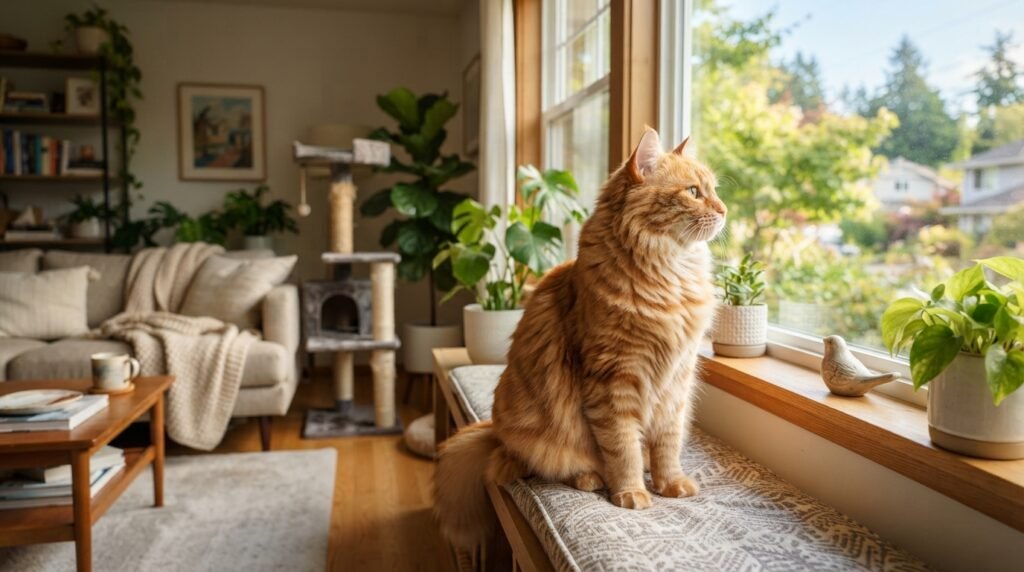
Sign #9: Obsessively Watching the Window
Many cats enjoy looking out the window. Birds, squirrels, insects, and people provide natural entertainment. However, if your cat spends nearly the entire day staring outside with little interest in anything else, it may be searching for stimulation it can’t access.
A cat that constantly watches the outdoors may be craving:
- New sights and sounds
- Hunting opportunities
- Fresh environments
- Mental challenges
How to help
- Install a secure window perch.
- Place a bird feeder outside the window (where safe and legal).
- Rotate the viewing location by opening different curtains during the day.
- Offer supervised time in a secure catio or on a harness, if appropriate.
Sign #10: Losing Interest in Toys
Has your cat stopped playing with toys they once loved?
Cats can become bored when they see the same toys every day. Just like people, they enjoy novelty.
Signs include:
- Ignoring favorite toys
- Walking away during playtime
- Losing interest after a few minutes
- Only responding to new toys
Keep play exciting
- Rotate toys every 5–7 days instead of leaving them all out.
- Hide some toys and bring them back later.
- Use different textures, sounds, and movement styles.
- Mix solo toys with interactive toys.
Remember, you don’t always need to buy new toys. Simply changing what’s available can make old toys feel new again.
Sign #11: Repetitive Behaviors
A bored cat may develop repetitive habits to occupy their time.
Examples include:
- Walking the same route repeatedly
- Chasing their tail frequently
- Licking one area over and over
- Staring at walls for long periods
- Repeatedly scratching the same spot
Occasional repetition isn’t unusual, but persistent or compulsive behaviors can indicate boredom, stress, or an underlying medical issue.
If these behaviors continue despite enrichment, consult your veterinarian for further evaluation.
Sign #12: Reduced Curiosity
Cats are naturally curious animals. They usually investigate new boxes, bags, furniture, or unfamiliar sounds.
If your cat no longer seems interested in exploring, it could mean they’re mentally understimulated—or, in some cases, dealing with a health problem.
Watch for signs such as:
- Ignoring new objects
- Showing little interest in visitors
- Not exploring different rooms
- Avoiding interactive play
A noticeable drop in curiosity, especially if it happens suddenly, should be discussed with your veterinarian to rule out pain or illness.
Why Boredom Matters
Boredom isn’t just about having a restless cat. Over time, it can affect both physical and emotional health.
Possible consequences include:
- Weight gain from inactivity
- Increased stress and anxiety
- Destructive behaviors
- Poor sleep patterns
- Reduced muscle tone
- Tension between pets in multi-cat households
Providing daily enrichment helps satisfy your cat’s natural instincts to hunt, climb, scratch, and explore.

Easy Enrichment Ideas
You don’t need expensive equipment to make your cat’s day more interesting.
Try these simple ideas:
- Hide treats around the house for a mini “hunt.”
- Create cardboard box forts and tunnels.
- Place a cat tree near a window.
- Schedule two 10–15 minute interactive play sessions each day.
- Offer puzzle feeders instead of regular bowls occasionally.
- Introduce safe climbing shelves or vertical spaces.
- Rotate toys weekly to keep them fresh.
Even small changes can make a big difference in your cat’s daily routine.
Sign #13: Scratching Furniture More Than Usual
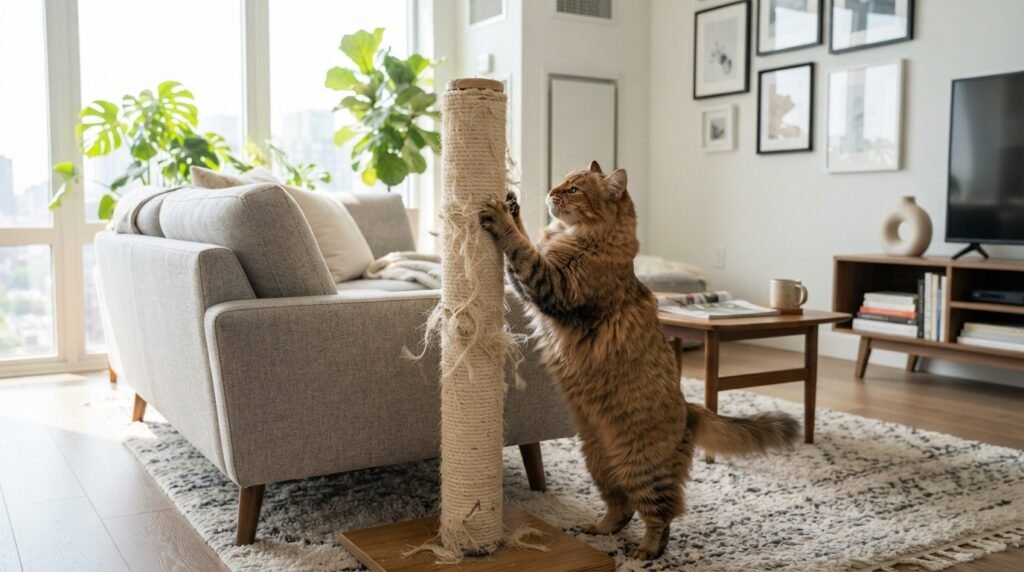
Scratching is a normal and healthy behavior for cats. It helps them stretch, maintain their claws, and mark their territory. However, if your cat suddenly starts scratching your couch, carpet, or curtains more often, boredom may be contributing to the behavior.
Help redirect scratching by:
- Providing multiple scratching posts in different rooms.
- Offering both vertical and horizontal scratchers.
- Placing scratching posts near sleeping areas and favorite resting spots.
- Rewarding your cat when they use the appropriate scratching surface.
Avoid punishing your cat. Instead, make the approved scratching areas more appealing than your furniture.
Sign #14: Playing Too Rough
A bored cat may have excess energy that comes out during play.
This can include:
- Biting hands or feet
- Pouncing on ankles
- Grabbing clothing
- Using claws during play
- Chasing family members unexpectedly
These behaviors are especially common in kittens and young adult cats.
Encourage appropriate play
- Use wand toys instead of your hands.
- End play sessions with a toy your cat can “catch.”
- Keep sessions short but frequent (10–15 minutes, two or three times a day).
- Provide toys your cat can play with independently when you’re busy.
Sign #15: Seeming Unhappy or Withdrawn
Some bored cats don’t become destructive—they become quiet and withdrawn.
You might notice:
- Less interest in interacting with family members
- Hiding more often
- Reduced enthusiasm for play
- Spending long periods alone
- Looking less engaged with their surroundings
If these changes happen gradually, boredom could be one factor. If they appear suddenly or are accompanied by changes in appetite, litter box habits, or grooming, schedule a veterinary checkup to rule out medical issues.
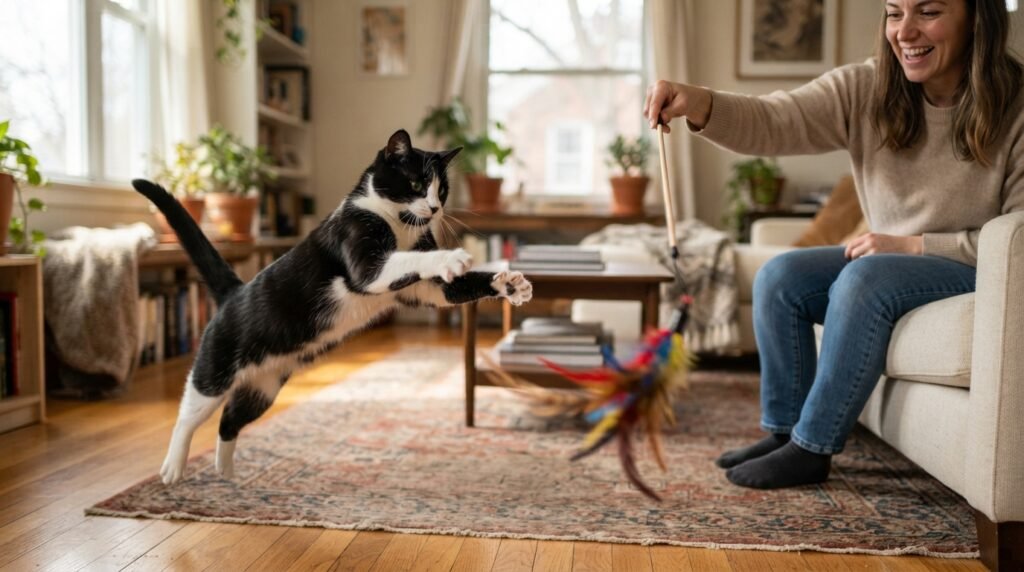
A Simple Daily Routine to Prevent Boredom
A predictable routine can help your cat stay mentally and physically stimulated.
Morning
- Feed breakfast.
- Spend 10–15 minutes with an interactive toy.
- Open curtains so your cat can watch outside.
Afternoon
- Leave puzzle feeders or treat-dispensing toys.
- Rotate one or two toys.
- Provide access to a window perch or cat tree.
Evening
- Enjoy another interactive play session.
- Let your cat “catch” the toy before ending the game.
- Offer dinner after play to mimic the natural hunt–eat–groom–sleep cycle.
Following a routine like this can help reduce boredom-related behaviors and keep your cat active.
Frequently Asked Questions
Can a single indoor cat be happy?
Yes. Many single cats thrive as long as they receive daily play, mental enrichment, and attention from their owners.
How much playtime does my cat need?
Most cats benefit from two or three interactive play sessions of 10–15 minutes each day. Kittens and highly active breeds may need more.
Do older cats get bored?
Absolutely. Senior cats may play less intensely, but they still enjoy gentle games, puzzle feeders, window watching, and new scents or textures.
Are puzzle feeders worth it?
Yes. Puzzle feeders encourage natural foraging behavior, slow down eating, and provide valuable mental stimulation.
When should I see a veterinarian?
If your cat’s behavior changes suddenly, or if boredom-like signs are accompanied by weight loss, appetite changes, vomiting, diarrhea, excessive grooming, or litter box issues, consult your veterinarian promptly.

Final Thoughts
Boredom is one of the most common yet overlooked challenges for indoor cats. The good news is that it’s also one of the easiest problems to address.
By recognizing the signs early—such as excessive sleeping, overeating, destructive behavior, constant meowing, over-grooming, or loss of curiosity—you can make simple changes that greatly improve your cat’s quality of life.
Interactive play, climbing opportunities, scratching posts, puzzle feeders, and a consistent daily routine help satisfy your cat’s natural instincts and strengthen the bond you share.
A happy, engaged cat is more likely to stay healthy, active, and content for years to come.

hammadniazi6663@gmail.com
Contributor at PetZuoo, publishing practical information for pet owners and animal lovers.
Related guides

Why Do Dog Tilt Their Heads? 9 Fascinating Reason
Why Do Dog Tilt Their Heads? 9 Fascinating Reason Behind This Adorable Behavior. Have you ever spoken to your dog and watched…
Cat Chattering at Birds: 7 Amazing Reasons Explained
Cat Chattering at Birds: 7 Amazing Reasons Explained. Have you ever noticed your cat sitting beside a window, watching birds outside, and…
Why Do Cats Chirp at Birds? 7 Fascinating Reasons
Why Do Cats Chirp at Birds? 7 Fascinating Reasons Behind This Cute Cat Behavior, Have you ever watched your cat sitting beside…