Why Is My Pet Bird Screaming? 12 Common Causes and Easy Ways to Stop It
Have you ever been relaxing at home when your pet bird suddenly lets out a loud scream that echoes through the entire house? If so, you’re not alone. One of the most common questions bird owners ask is, “Why is my pet bird screaming?”
The good news is that screaming doesn’t always mean something is wrong. Birds communicate through sounds, and screaming is one of the ways they express emotions, needs, and instincts. However, when the screaming becomes constant or excessive, it’s often a sign that your bird is trying to tell you something important.
Understanding the reason behind the noise is the first step toward solving the problem without punishment or frustration. Every scream has a cause, and learning to identify those causes can help you create a happier, healthier environment for your feathered companion.
Whether you own a budgie, cockatiel, African grey, conure, Amazon parrot, macaw, or cockatoo, the advice in this guide can help you better understand your bird’s behavior.
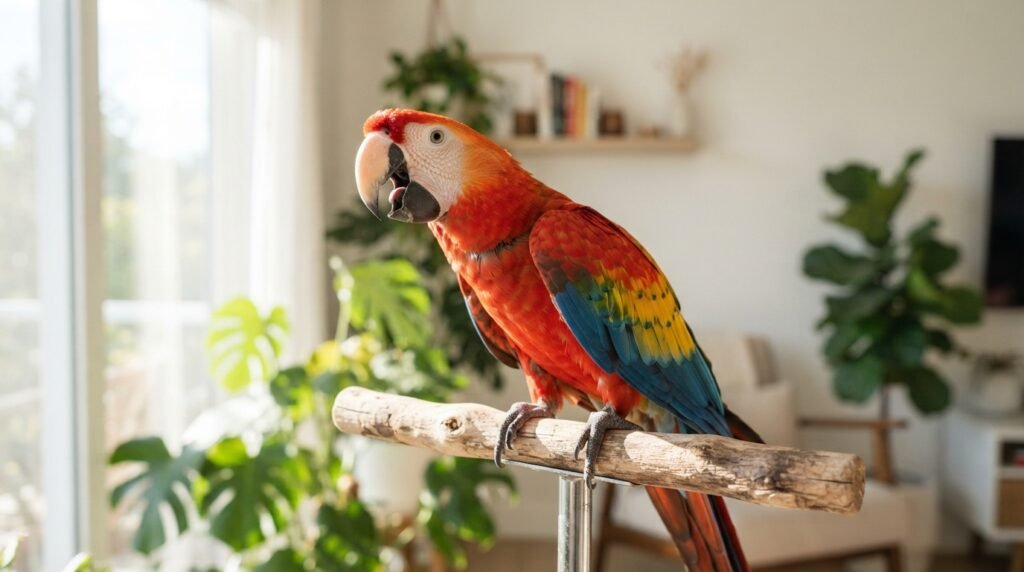
Is Bird Screaming Normal?
Yes—bird screaming is completely natural.
In the wild, birds communicate with members of their flock over long distances. Their calls help them:
- Stay connected with family members
- Warn others about danger
- Locate food
- Protect their territory
- Find a mate
- Express excitement
Because pet birds still have these natural instincts, they continue using loud vocalizations even inside your home.
The goal isn’t to stop your bird from making noise altogether. Instead, you want to reduce unnecessary screaming while encouraging healthier communication habits.
Normal Bird Sounds vs. Problem Screaming
Knowing the difference between normal vocalizations and excessive screaming can help you decide whether your bird needs attention or simply wants to chat.
Normal Bird Sounds
Healthy birds usually make sounds such as:
- Chirping
- Singing
- Whistling
- Talking
- Soft squawking
- Happy chatter
- Contact calls
These sounds are signs that your bird is active, comfortable, and engaged.
Excessive Screaming
Problem screaming usually looks like this:
- Loud repeated screams
- Continuous screaming for several minutes
- Screaming every time you leave the room
- Daily screaming at the same time
- Aggressive screaming accompanied by biting or feather fluffing
This type of behavior usually has an underlying cause that should be identified rather than ignored.
Why Birds Communicate So Loudly
Unlike dogs or cats, birds evolved to communicate across forests, mountains, and large open areas.
Many parrots can be heard from over a mile away in the wild.
Even smaller birds naturally have surprisingly loud voices because they rely on vocal communication to survive.
When your bird screams indoors, it’s simply using the same communication system nature designed.
Different Birds Have Different Noise Levels
Not every bird species is equally loud.
Very Loud Birds
- Macaws
- Cockatoos
- Amazon Parrots
- Sun Conures
These birds naturally produce powerful calls several times each day.
Medium Noise Birds
- African Grey Parrots
- Quaker Parrots
- Indian Ringnecks
- Caiques
These species usually vocalize throughout the day but can learn quieter habits.
Quieter Birds
- Budgies
- Cockatiels
- Lovebirds
- Canaries
- Finches
Although quieter overall, these birds can still scream when stressed, frightened, or seeking attention.
The Best Time to Observe Your Bird
Before trying to stop the screaming, spend a few days observing when it happens.
Ask yourself:
- Does it happen every morning?
- Does your bird scream when you’re on the phone?
- Does it happen before feeding time?
- Does it start when everyone leaves the house?
- Does another pet trigger it?
- Does your bird scream after being covered at night?
Keeping a simple journal of these patterns can help reveal the real cause much faster.
Morning and Evening Screaming Is Often Normal
Many owners become worried because their bird screams shortly after sunrise or before bedtime.
This behavior is known as a flock call.
In the wild, birds call loudly:
- At sunrise to locate flock members
- Before sunset to regroup for the night
These calls are completely natural and usually last only a short time.
Instead of trying to eliminate them, focus on preventing excessive screaming during the rest of the day.
Why Understanding the Cause Matters
Punishing a bird for screaming rarely works.
Birds don’t understand punishment the way people expect. Yelling back, tapping the cage, or covering the cage suddenly can actually increase fear and make the behavior worse.
Instead, successful bird owners become behavior detectives.
They ask:
- What happened right before the scream?
- What need is my bird trying to express?
- How can I address the root cause instead of just the noise?
Once you understand the reason, solving the problem becomes much easier.
12 Common Reasons Your Pet Bird Is Screaming
Excessive screaming is rarely random. In most cases, your bird is trying to communicate a need, emotion, or instinct. By identifying the reason behind the behavior, you can respond appropriately instead of simply trying to silence your pet.
Let’s look at the most common causes.
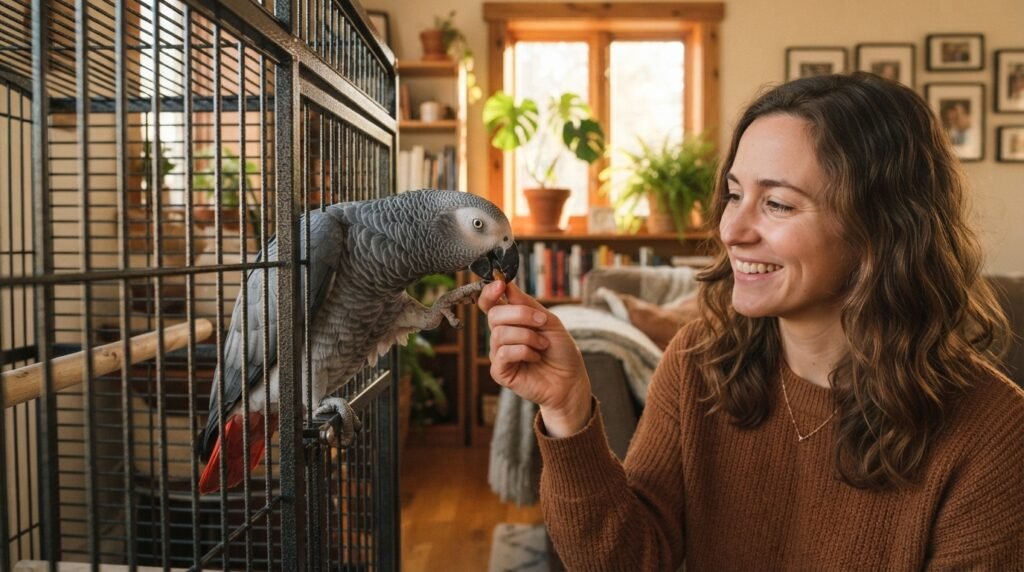
1. Your Bird Wants Attention
This is one of the biggest reasons pet birds scream.
Parrots are highly social animals. In the wild, they spend nearly every waking hour with their flock. When they live in your home, you become their flock.
If your bird notices that screaming makes you come over—even if you’re coming to tell it to be quiet—it may learn that screaming gets results.
Signs
- Screams when you leave the room
- Stops screaming when you return
- Watches you while vocalizing
- Becomes quiet once you interact
What to Do
- Give your bird scheduled attention throughout the day.
- Reward quiet behavior with praise or treats.
- Avoid rushing over immediately after a loud scream.
- Spend quality time talking, training, or playing together.
2. Boredom
Birds are incredibly intelligent and need mental stimulation every day.
A bird that sits in the same cage with the same toys for weeks can quickly become bored. Screaming may become its way of creating excitement.
Signs
- Constant pacing
- Chewing cage bars
- Throwing toys
- Loud calling throughout the day
Solutions
- Rotate toys every week.
- Offer puzzle feeders.
- Hide treats around the cage.
- Introduce safe foraging activities.
- Teach new tricks regularly.
A busy bird is usually a quieter bird.
3. Loneliness
Many parrots dislike being alone for long periods.
If everyone leaves for work or school, your bird may feel isolated and begin calling loudly in hopes that its flock will return.
Signs
- Screaming shortly after you’re gone
- Quieting down when someone comes home
- Becoming clingy after long absences
Solutions
- Leave bird-safe music or nature sounds playing.
- Place the cage where your bird can safely observe family activity.
- Consider another compatible bird only after careful research.
- Spend dedicated one-on-one time together daily.
4. Hunger or Thirst
Sometimes the answer is surprisingly simple.
Birds quickly learn feeding schedules and may vocalize when they’re hungry or when fresh water is needed.
Check These Basics
- Fresh water available?
- Food bowl full?
- Fresh vegetables offered today?
- Favorite pellets available?
Maintaining a consistent feeding routine helps reduce unnecessary screaming.
5. Fear
Birds have strong survival instincts.
Something that seems harmless to you can appear dangerous to your pet.
Common triggers include:
- Vacuum cleaners
- Thunderstorms
- Fireworks
- Loud music
- New furniture
- Unfamiliar visitors
- Other pets
- Fast movements
Signs
- Feathers held tightly against the body
- Wide eyes
- Rapid breathing
- Flying frantically inside the cage
- Alarm calls
What Helps
Speak calmly, avoid sudden movements, and remove the frightening object if possible. Never force your bird to confront something it’s afraid of.
6. Stress From Changes
Birds thrive on routine.
Even small changes can cause stress, including:
- Moving to a new home
- Rearranging furniture
- A new family member
- Different work schedules
- Cage relocation
- Vacation or travel
Reduce Stress By
- Keeping feeding times consistent
- Maintaining regular sleep schedules
- Introducing changes gradually
- Providing familiar toys and perches
7. Hormonal Behavior
During breeding season, many birds become noticeably louder.
Hormonal changes can increase:
- Territorial behavior
- Nesting instincts
- Calling for mates
- Aggression
- Frequent screaming
This is especially common in spring.
Helpful Tips
- Ensure 10–12 hours of uninterrupted sleep.
- Avoid petting your bird on its back or under its wings, as this may stimulate breeding behavior.
- Rearrange toys occasionally to discourage nesting habits.
8. Natural Morning and Evening Flock Calls
Many owners worry about loud calls at sunrise or sunset.
These are often normal flock calls, which help birds locate one another in the wild.
If the calls last only a few minutes and your bird behaves normally afterward, there’s usually no cause for concern.
9. Lack of Sleep
Birds need plenty of quality sleep.
Most pet birds require 10–12 hours of uninterrupted darkness every night.
Poor sleep can lead to:
- Irritability
- Excessive screaming
- Feather picking
- Aggression
- Reduced appetite
Better Sleep Habits
- Keep a consistent bedtime.
- Reduce evening noise.
- Avoid bright lights late at night.
- Cover the cage only if your bird is comfortable with it.
10. Illness or Pain
Sometimes screaming signals discomfort or illness.
Birds instinctively hide sickness, so unusual vocalization may be one of the first signs that something is wrong.
Watch for Other Symptoms
- Fluffed feathers for long periods
- Sleeping more than usual
- Reduced appetite
- Weight loss
- Difficulty breathing
- Drooping wings
- Changes in droppings
If you notice these signs along with persistent screaming, contact an avian veterinarian promptly.
11. Loud Household Noise
Birds often respond to noise with even louder noise.
They may scream when they hear:
- Television
- Music
- Children playing
- Dogs barking
- Vacuum cleaners
- Kitchen appliances
Sometimes they’re frightened; other times, they simply join in.
Try lowering background noise and offering a quiet area where your bird can relax.
12. Learned Behavior
This is one of the hardest habits to break.
If your bird has learned that screaming always gets attention, treats, or cage time, it may continue doing it because it’s effective.
Instead
- Reward quiet moments immediately.
- Ignore attention-seeking screams when it’s safe to do so.
- Praise calm behavior.
- Keep training sessions short and positive.
Consistency from everyone in the household is essential. If one person rewards screaming while another ignores it, the behavior is likely to continue.
How to Calm a Screaming Bird Naturally
Now that you understand the most common reasons birds scream, it’s time to focus on practical solutions. The goal isn’t to make your bird silent—birds are naturally vocal—but to encourage healthy communication while reducing excessive screaming.
The most effective methods rely on patience, consistency, and positive reinforcement.
1. Reward Quiet Behavior
Many bird owners accidentally reinforce screaming by giving attention only when the bird is noisy.
Instead, reverse the pattern.
Whenever your bird is calm or making pleasant sounds:
- Offer verbal praise.
- Give a favorite treat.
- Spend a few minutes interacting.
- Teach a simple trick.
Your bird will begin to associate being quiet with positive outcomes.
Tip: Reward your bird within a few seconds of the desired behavior so it clearly understands why it’s being rewarded.
2. Never Yell Back
It may be tempting to shout, “Be quiet!” when your bird screams, but from your bird’s perspective, you’re simply joining the conversation.
Many parrots see loud human voices as exciting flock calls, which can encourage even more screaming.
Instead:
- Stay calm.
- Speak softly.
- Wait for a quiet moment before responding.
3. Create a Daily Routine
Birds thrive on predictability.
A consistent schedule helps reduce anxiety and prevents attention-seeking behavior.
A healthy daily routine might include:
| Time | Activity |
|---|---|
| Morning | Fresh food and water |
| Mid-Morning | Out-of-cage playtime |
| Afternoon | Quiet rest period |
| Evening | Training session |
| Night | Sleep in a quiet, dark room |
When birds know what to expect, they’re less likely to scream out of uncertainty.
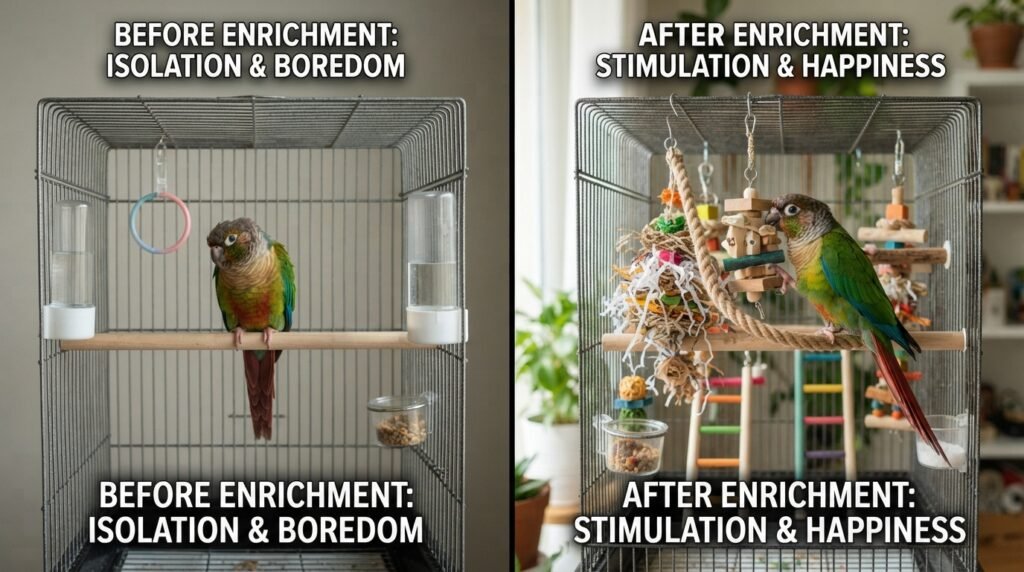
4. Provide Mental Stimulation
A bored bird often becomes a noisy bird.
Keep your bird’s mind active with:
- Puzzle toys
- Foraging toys
- Shreddable paper toys
- Wooden chew toys
- Rope swings
- Climbing ladders
- Natural branches
Rotate toys every week so they stay interesting.
5. Encourage Foraging
Wild birds spend hours searching for food.
Pet birds often finish eating in just a few minutes, leaving them with too much idle time.
Create simple foraging opportunities by:
- Wrapping treats in paper.
- Hiding pellets inside cardboard tubes.
- Using bird-safe puzzle feeders.
- Placing food in different areas of the cage.
This satisfies natural instincts and helps reduce boredom-related screaming.
6. Spend Quality Time Together
Most parrots crave social interaction.
Even 20–30 minutes of focused attention each day can make a big difference.
Ideas include:
- Talking to your bird.
- Teaching tricks.
- Practicing step-up training.
- Offering head scratches (if your bird enjoys them).
- Reading aloud.
Quality matters more than quantity. During this time, avoid distractions like your phone or television.
7. Teach Simple Commands
Training provides mental stimulation and strengthens your bond.
Useful commands include:
- Step Up
- Step Down
- Target Training
- Wave
- Turn Around
- Recall (for flight-trained birds)
Short sessions of 5–10 minutes are usually enough.
End every session on a positive note with praise or a healthy treat.
8. Ensure Proper Sleep
Lack of sleep is a common cause of cranky, noisy birds.
Most companion birds need 10–12 hours of uninterrupted sleep every night.
To improve sleep:
- Turn off bright lights at the same time each evening.
- Reduce noise.
- Keep the sleeping area calm.
- Maintain a regular bedtime.
A well-rested bird is often calmer and less vocal during the day.
9. Offer Plenty of Exercise
Exercise burns energy and reduces stress.
Depending on your bird’s species and training, safe activities include:
- Supervised flight in a secure room.
- Climbing gyms.
- Rope perches.
- Swinging toys.
- Walking on play stands.
- Ladder climbing.
Always supervise out-of-cage time to ensure safety.

10. Avoid Common Mistakes
Some well-meaning owners accidentally make screaming worse.
Avoid these habits:
- Punishing your bird.
- Hitting or tapping the cage.
- Spraying water as punishment.
- Giving treats immediately after screaming.
- Ignoring signs of illness.
- Keeping your bird isolated for long periods.
Building trust is much more effective than using punishment.
When Positive Reinforcement Works Best
Positive reinforcement means rewarding the behavior you want to see more often.
For example:
- Your bird sits quietly for a minute.
- You immediately praise it and offer a small treat.
- Your bird learns that calm behavior earns rewards.
Over time, this encourages your bird to choose quiet behaviors more frequently.
Enrichment Ideas to Prevent Boredom
Keeping your bird engaged throughout the day can significantly reduce excessive screaming.
Try introducing:
- Bird-safe branches for climbing.
- Rotating toys weekly.
- Fresh leafy greens to explore.
- Cardboard boxes for shredding.
- Bird-safe mirrors (only if appropriate for your species).
- Background nature sounds.
- Window perches with safe outdoor views.
Changing your bird’s environment regularly keeps life interesting and mentally stimulating.
Build Trust Through Patience
Behavior changes don’t happen overnight.
Some birds improve within a few days, while others may take several weeks or even months to develop new habits.
Stay consistent, celebrate small improvements, and remember that every bird has its own personality.
By focusing on trust instead of punishment, you’ll create a stronger relationship and a happier home for both you and your feathered companion.

When Should You Be Concerned About Your Bird’s Screaming?
While most screaming is normal bird behavior, sudden or unusual vocalizations can sometimes indicate a health or behavioral issue that needs attention.
If your bird suddenly starts screaming much more than usual without an obvious reason, don’t ignore it.
Watch for other warning signs, such as:
- Loss of appetite
- Weight loss
- Sitting fluffed up for long periods
- Trouble breathing
- Changes in droppings
- Balance problems
- Less activity than normal
- Feather plucking
- Swollen eyes or discharge from the nose
If you notice any of these symptoms along with excessive screaming, schedule an appointment with an avian veterinarian as soon as possible. Early treatment can prevent small problems from becoming serious.
When to Seek Help From a Bird Behavior Specialist
Sometimes the issue isn’t medical—it’s behavioral.
Consider working with a qualified bird trainer or behavior consultant if:
- Your bird screams for hours every day.
- Training hasn’t improved the behavior after several weeks.
- Screaming is accompanied by biting or aggression.
- Your bird becomes destructive or self-harms.
- You recently adopted a rescue bird with behavioral challenges.
A professional can observe your bird’s routine and create a customized training plan.
Long-Term Tips for a Happy, Quiet Bird
Healthy habits make a big difference over time.
Follow these simple practices every day:
- Feed a balanced diet with quality pellets, fresh vegetables, and limited fruit.
- Provide fresh water at all times.
- Rotate toys regularly to prevent boredom.
- Give your bird daily out-of-cage exercise when safe.
- Maintain a consistent sleep schedule.
- Spend quality time together every day.
- Schedule regular wellness checkups with an avian vet.
- Keep the cage clean and enriching.
- Introduce new experiences gradually to reduce stress.
A bird whose physical and emotional needs are met is far less likely to develop excessive screaming habits.
Frequently Asked Questions
Is it normal for parrots to scream every day?
Yes. Most parrots naturally make loud calls, especially in the morning and evening. Short periods of vocalization are part of normal behavior.
Should I ignore my bird when it screams?
If the screaming is simply attention-seeking and your bird is safe, avoid rewarding the behavior by rushing over immediately. Instead, reward quiet moments with attention and treats.
Can covering the cage stop screaming?
Covering the cage may help at bedtime if your bird is already comfortable with it, but it should not be used as punishment during the day. Doing so can increase fear and anxiety.
Which pet birds are the quietest?
Some of the quieter companion birds include:
- Budgies
- Cockatiels
- Lovebirds
- Canaries
- Finches
Keep in mind that every bird has its own personality, and even quieter species can become noisy if stressed or bored.
Can birds be trained to scream less?
Yes. With patience, consistency, and positive reinforcement, many birds learn calmer ways to communicate. The key is rewarding desired behaviors instead of unintentionally reinforcing unwanted ones.
Final Thoughts
Birds are intelligent, social, and expressive companions. Screaming is a natural part of how they communicate, but excessive screaming often signals that something in their environment or routine needs attention.
By observing your bird’s behavior, understanding the reason behind the noise, and responding with patience rather than punishment, you can build a stronger relationship and create a more peaceful home.
Remember that there is no quick fix. Positive reinforcement, enrichment, regular exercise, proper nutrition, and consistent routines are the foundation of good bird behavior. Over time, these habits will help your feathered friend feel secure, stimulated, and less likely to rely on excessive screaming to communicate.
Key Takeaways
- Some screaming is completely normal for pet birds.
- Morning and evening flock calls are natural behaviors.
- Excessive screaming is often linked to boredom, loneliness, stress, fear, or attention-seeking.
- Never punish a bird for screaming; use positive reinforcement instead.
- Provide daily enrichment, exercise, training, and social interaction.
- Ensure your bird gets 10–12 hours of quality sleep each night.
- Seek veterinary care if screaming is accompanied by signs of illness.
- Consistency and patience are the most effective long-term solutions.
Call to Action
Is your pet bird trying to tell you something? Share your experiences in the comments below—we’d love to hear about your feathered friend! For more expert bird care guides, training tips, and pet wellness advice, explore the latest articles on PetZuoo and help your companion live a happier, healthier life.

hammadniazi6663@gmail.com
Contributor at PetZuoo, publishing practical information for pet owners and animal lovers.