The Complete Beginner’s Guide to Pet Guinea Pigs: Care, Diet, Housing & Health (2026)
Guinea pigs are among the most lovable small pets in the United States. Their gentle personalities, adorable sounds, and social nature make them an excellent choice for families, children, and first-time pet owners. Unlike many other small animals, guinea pigs enjoy interacting with people and can form strong bonds with their owners when cared for properly.
However, owning a guinea pig is more than simply buying a cage and food. These animals have unique dietary needs, require daily attention, and depend on a clean, spacious environment to stay healthy. Many new owners are surprised to learn that guinea pigs cannot produce their own vitamin C, need unlimited hay every day, and thrive best when they have companionship.
Whether you’re planning to adopt your first guinea pig or want to improve the care of your current pet, this complete guide covers everything you need to know. From choosing the right habitat to feeding, grooming, and recognizing signs of illness, you’ll find practical advice that helps your furry friend live a happy and healthy life.
Why Guinea Pigs Make Wonderful Pets
Guinea pigs have remained popular pets for decades because they are friendly, curious, and relatively easy to care for compared to many other small animals. Their calm temperament makes them an excellent choice for families looking for a pet that enjoys gentle interaction.
Some of the biggest advantages of guinea pigs include:
- Friendly and affectionate personalities
- Easy to handle with proper care
- Suitable for apartments and small homes
- Long lifespan of 5–8 years or more
- Entertaining vocal sounds and behaviors
- Great companions for older children and adults
Unlike hamsters, guinea pigs are active during the day, allowing owners to enjoy spending time with them without disturbing their natural sleep cycle.
Are Guinea Pigs the Right Pet for You?
Before bringing a guinea pig home, it’s important to understand the responsibility involved. Although they are small, they require consistent daily care and regular health monitoring.
A guinea pig may be the perfect pet if you:
- Have time for daily interaction.
- Can provide fresh vegetables every day.
- Have enough space for a large cage.
- Are prepared for weekly cage cleaning.
- Can afford regular veterinary care.
- Want a gentle and social companion.
If you’re frequently away from home for long periods or cannot commit to daily care, another pet may be a better fit.
Understanding Guinea Pig Personalities
Every guinea pig has its own unique personality. Some are naturally outgoing and curious, while others may be shy until they become comfortable in their new environment.
Common personality traits include:
- Curious explorers
- Gentle and calm behavior
- Loud squeaking when excited
- Enjoying routine and consistency
- Recognizing their owner’s voice
- Learning simple daily habits
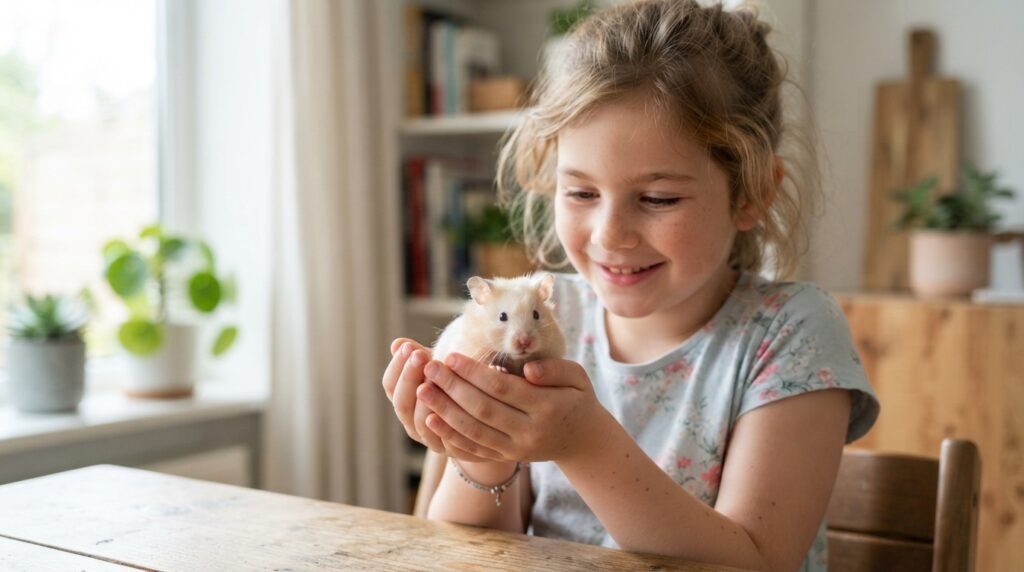
With patience and positive interaction, most guinea pigs become more confident over time and enjoy being gently held and spoken to.
Lifespan and Long-Term Commitment
A healthy guinea pig typically lives between 5 and 8 years, though some can live even longer with excellent care. This makes them a long-term commitment that should not be taken lightly.
To help your guinea pig enjoy a long and healthy life:
- Feed a balanced, nutritious diet.
- Provide unlimited high-quality hay.
- Keep the enclosure clean and dry.
- Schedule regular veterinary checkups.
- Watch for signs of illness early.
- Spend time interacting with your pet every day.
Investing time and attention in your guinea pig’s daily care will reward you with years of companionship and joyful moments.
Choosing the Perfect Guinea Pig Cage, Bedding, Habitat Setup, and Daily Care
Creating the right home is one of the most important steps in keeping your guinea pig healthy and happy. Guinea pigs spend much of their time eating, resting, exploring, and interacting with their surroundings. A spacious, clean, and enriching habitat helps reduce stress and encourages natural behaviors.
Choosing the Best Guinea Pig Cage
Many pet stores sell cages that are far too small for guinea pigs. While they may be marketed as suitable, they often don’t provide enough room for exercise and enrichment.
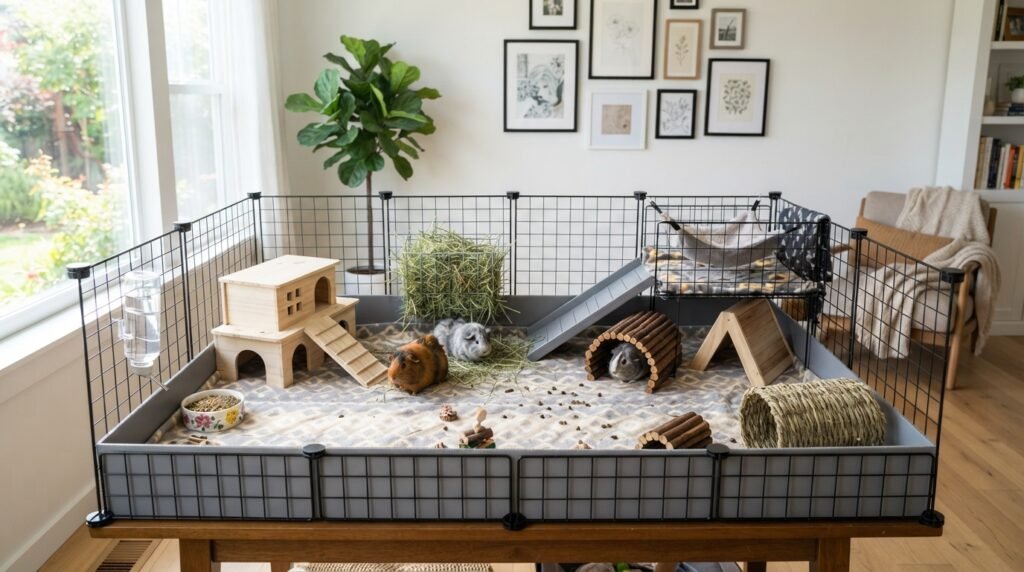
For one guinea pig, the minimum recommended floor space is about 7.5 square feet (0.7 m²), but larger is always better. For two guinea pigs, aim for at least 10.5 square feet (1 m²) or more.
A good guinea pig cage should have:
- Plenty of floor space for running and exploring
- A solid plastic base (never a wire floor)
- Good ventilation
- Easy access for cleaning
- Secure doors and latches
Open-grid modular cages (often called C&C cages) are a popular choice because they can be expanded as needed and provide excellent airflow.
The Best Bedding for Guinea Pigs
Bedding plays a major role in your guinea pig’s comfort and health. It should absorb moisture, control odors, and keep your pet’s feet dry.
Popular bedding options include:
Paper-Based Bedding
Soft, highly absorbent, and low in dust, making it an excellent choice for most guinea pigs.
Aspen Shavings
Safe when kiln-dried and free of aromatic oils. Avoid dusty or low-quality wood shavings.
Fleece Liners
Reusable fleece bedding is eco-friendly and comfortable. It requires regular washing but can save money over time.
Avoid cedar or untreated pine shavings, as the aromatic oils can irritate your guinea pig’s respiratory system.
Essential Cage Accessories
A guinea pig’s enclosure should provide everything needed for eating, resting, and staying active.
Include:
- A hay rack filled with fresh hay
- A sturdy water bottle with fresh water
- Heavy ceramic food bowl
- At least one hideout or shelter
- Chew-safe toys
- Cardboard tunnels for exploration
- A soft resting area
Providing a variety of accessories encourages mental stimulation and prevents boredom.
Daily Cleaning Routine
Keeping the cage clean helps prevent illness and creates a healthier environment.
Each day:
- Remove wet bedding.
- Pick up droppings.
- Refill fresh hay.
- Replace drinking water.
- Wash food bowls if needed.
- Check for leftover vegetables.
These small tasks only take a few minutes and greatly improve your pet’s quality of life.
Weekly Deep Cleaning
A full cage cleaning should be done once a week—or more often if you have multiple guinea pigs.
Steps include:
- Move your guinea pig to a safe play area.
- Remove all bedding and accessories.
- Wash the cage with warm water and a pet-safe cleaner.
- Dry the cage completely.
- Add fresh bedding.
- Clean and refill food and water containers.
- Return toys and hideouts.
A clean habitat helps reduce bacteria, odors, and the risk of respiratory or skin problems.
Temperature and Environment
Guinea pigs are sensitive to extreme temperatures. The ideal room temperature is 65–75°F (18–24°C).
To keep your guinea pig comfortable:
- Avoid direct sunlight.
- Keep the cage away from heating vents and air conditioners.
- Protect against drafts.
- Maintain good airflow.
- Keep the environment quiet and stress-free.
During hot weather, ensure your guinea pig has plenty of cool water and shade. In colder months, avoid placing the cage near windows or doors where drafts can occur.
A safe, spacious, and well-maintained habitat lays the foundation for a healthy and happy guinea pig.
Complete Guinea Pig Diet: Hay, Pellets, Fresh Vegetables, Vitamin C, and Feeding Schedule
A healthy diet is the foundation of a guinea pig’s long and happy life. Unlike many animals, guinea pigs cannot produce their own vitamin C, which means they must get it from their food every day. A balanced diet keeps their digestive system working properly, supports healthy teeth, and strengthens their immune system.
The ideal guinea pig diet consists of four essentials: unlimited hay, high-quality pellets, fresh vegetables, and clean water.

Unlimited Hay: The Most Important Food
Hay should make up around 80% of your guinea pig’s diet. It provides the fiber needed for healthy digestion and helps wear down continuously growing teeth.
Best Types of Hay
- Timothy Hay (best for adult guinea pigs)
- Orchard Grass
- Meadow Hay
- Botanical Hay (as an occasional variety)
Young guinea pigs under six months old, as well as pregnant or nursing females, may benefit from alfalfa hay because of its higher calcium and protein content. Adult guinea pigs should mainly eat Timothy hay to avoid excess calcium.
Always keep fresh hay available. Replace damp or dirty hay daily.
Choosing High-Quality Pellets
Pellets provide additional nutrients but should only be a small part of the diet.
Choose pellets that are:
- Made specifically for guinea pigs
- Fortified with stabilized vitamin C
- Free from colorful treats, seeds, or dried fruit
- High in fiber
An adult guinea pig generally needs about 1/8 cup of pellets per day.
Avoid overfeeding pellets, as too many can contribute to obesity.
Fresh Vegetables Every Day
Fresh vegetables supply essential vitamins, especially vitamin C.
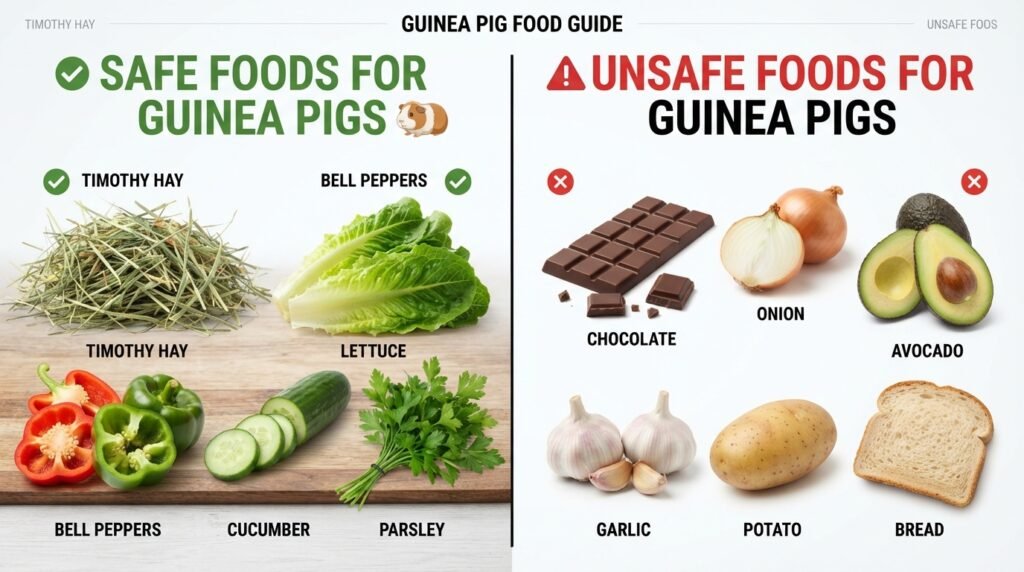
Safe Vegetables
Offer a variety of these:
- Romaine lettuce
- Green leaf lettuce
- Bell peppers (excellent source of vitamin C)
- Cilantro
- Parsley (occasionally)
- Cucumber
- Zucchini
- Celery (cut into small pieces)
- Tomato (without stems or leaves)
Rotate vegetables throughout the week to provide balanced nutrition.
Fruits as Occasional Treats
Fruit contains natural sugars, so it should only be offered in small amounts once or twice a week.
Safe fruits include:
- Apple (without seeds)
- Blueberries
- Strawberries
- Kiwi
- Pear
- Watermelon
- Orange (small pieces)
Treat fruit as a snack rather than a regular part of the diet.
Foods to Avoid
Some foods can make guinea pigs seriously ill.
Never feed:
- Chocolate
- Onion
- Garlic
- Potato
- Rhubarb
- Avocado
- Iceberg lettuce
- Nuts
- Seeds
- Dairy products
- Bread
- Meat
- Sugary snacks
When introducing any new food, do so gradually and watch for digestive upset.
Why Vitamin C Is Essential
Guinea pigs cannot make vitamin C in their bodies. A deficiency can lead to weakness, swollen joints, poor wound healing, and serious illness.
Excellent natural sources include:
- Bell peppers
- Kale
- Parsley
- Small amounts of broccoli
- Vitamin C-fortified pellets
Most healthy guinea pigs get enough vitamin C through a balanced diet. Speak with an exotic-animal veterinarian before giving supplements.
Daily Feeding Schedule
A simple routine helps keep your guinea pig healthy.
Morning
- Refill unlimited fresh hay
- Provide fresh water
- Offer a measured portion of pellets
Evening
- Serve a mix of fresh vegetables
- Remove uneaten vegetables after a few hours
- Refill hay if needed
Keeping feeding times consistent helps reduce stress and encourages healthy eating habits.
Signs of a Healthy Diet
A well-fed guinea pig will usually have:
- Bright, clear eyes
- Smooth, shiny fur
- Healthy weight
- Firm droppings
- Good energy levels
- Strong appetite
If your guinea pig suddenly stops eating or drinks much less than usual, contact a veterinarian immediately, as guinea pigs can become seriously ill very quickly.
Grooming, Exercise, Health Care, and Final Tips for Happy Guinea Pigs
Providing the right food and housing is only part of responsible guinea pig ownership. Regular grooming, exercise, social interaction, and preventive health care all play an important role in helping your pet live a long, healthy, and happy life.
Grooming Your Guinea Pig
Guinea pigs are naturally clean animals, but they still need regular grooming to stay healthy.
Brushing
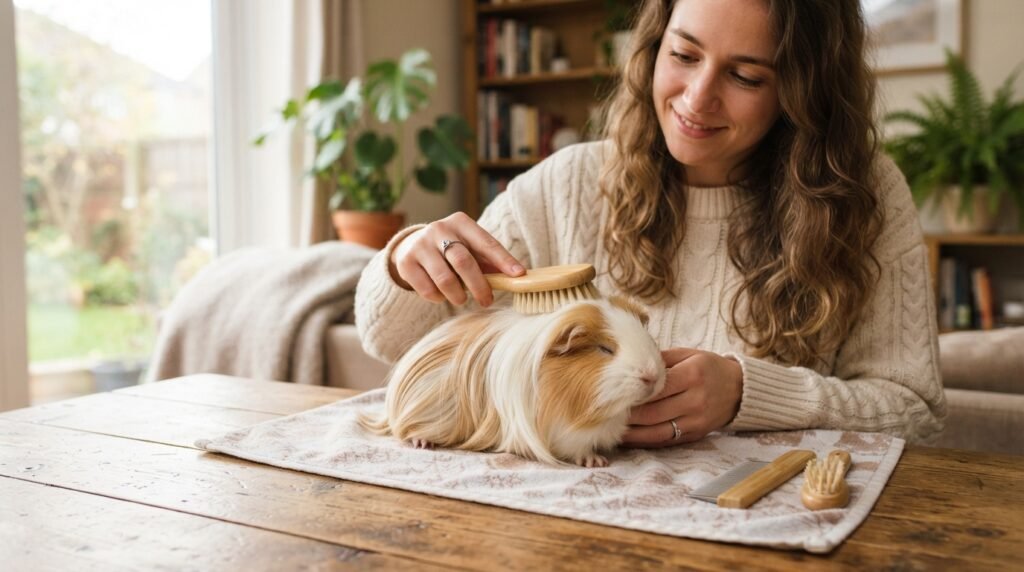
Short-haired guinea pigs should be brushed once a week.
Long-haired breeds should be brushed daily to prevent mats, tangles, and trapped dirt.
Use a soft-bristle brush or a small pet grooming comb.
Nail Trimming
A guinea pig’s nails grow continuously and should be trimmed every 3–6 weeks.
Overgrown nails can:
- Make walking uncomfortable
- Cause foot injuries
- Increase the risk of infection
Use small animal nail clippers and trim only the tip to avoid cutting the quick (the blood vessel inside the nail).
Bathing
Guinea pigs rarely need baths.
Only bathe your guinea pig if:
- It has a medical condition recommended by a veterinarian.
- Its fur becomes heavily soiled.
- It cannot clean itself.
Use only a shampoo designed for small animals and dry your guinea pig completely before returning it to its cage.
Daily Exercise and Enrichment
Although guinea pigs don’t need exercise wheels like hamsters, they still need room to move and explore.
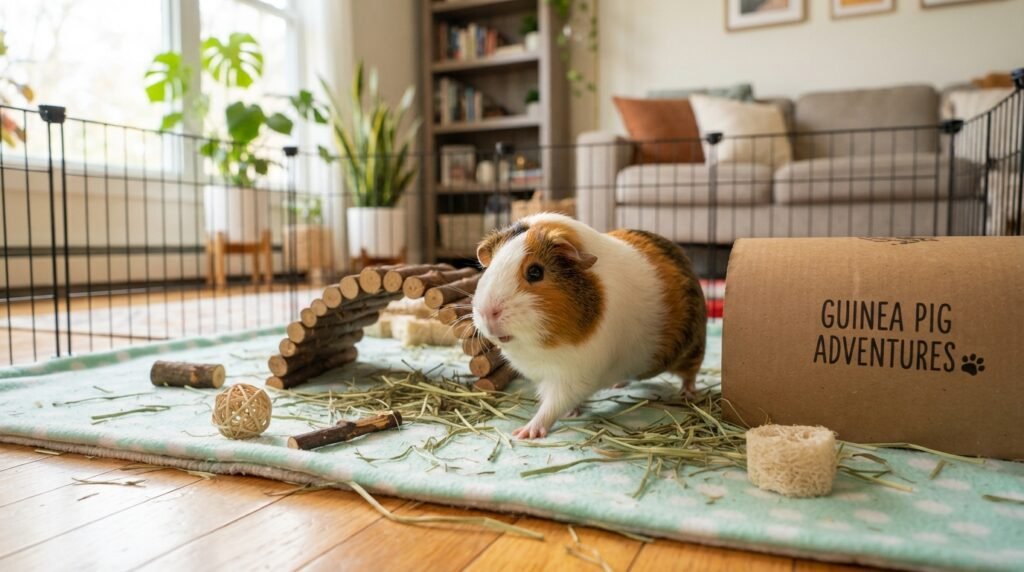
Give your guinea pig 30–60 minutes of supervised floor time each day in a secure, pet-safe area.
Great enrichment ideas include:
- Cardboard tunnels
- Paper bags filled with hay
- Chew toys made from untreated wood
- Hideouts
- Foraging toys
- Safe climbing platforms with gentle slopes
Changing toys every few weeks helps prevent boredom.
Guinea Pigs Are Social Animals
In the wild, guinea pigs live in groups. Many thrive when kept with another compatible guinea pig of the same sex or a properly bonded pair.
Benefits of companionship include:
- Reduced stress
- More natural behaviors
- Increased activity
- Better mental stimulation
- Less loneliness when owners are away
If introducing two guinea pigs, do so gradually in a neutral area to help prevent territorial behavior.
Common Health Problems
Guinea pigs are experts at hiding illness, so early detection is essential.
Watch for these warning signs:
- Loss of appetite
- Weight loss
- Difficulty breathing
- Runny nose or eyes
- Diarrhea
- Drooling
- Lethargy
- Limping
- Hair loss
- Changes in droppings
If your guinea pig stops eating for even 12–24 hours, contact an exotic-animal veterinarian immediately. This can quickly become a life-threatening emergency.
Routine Veterinary Care
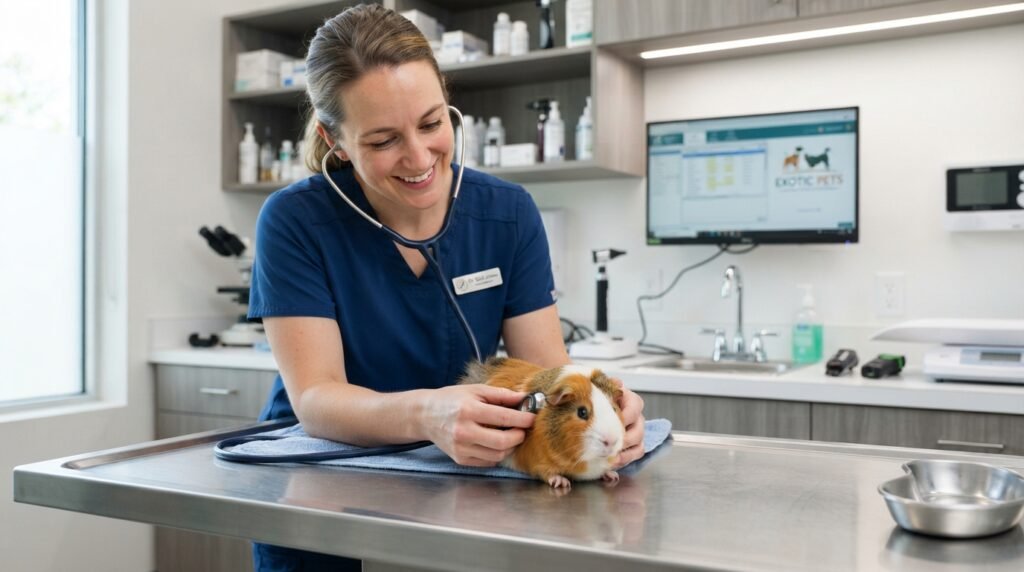
Schedule a wellness exam with an exotic-pet veterinarian at least once a year.
Regular checkups help detect:
- Dental problems
- Parasites
- Vitamin deficiencies
- Skin conditions
- Respiratory infections
- Weight changes
Preventive care is often less expensive—and far easier—than treating advanced illness.
Frequently Asked Questions
Can guinea pigs live alone?
They can, but many are happier with a compatible companion, provided introductions are done carefully.
How long do guinea pigs live?
With proper care, most guinea pigs live 5–8 years, and some live even longer.
Do guinea pigs bite?
Healthy, well-socialized guinea pigs rarely bite. They usually bite only when frightened, stressed, or in pain.
Are guinea pigs good pets for children?
Yes, but young children should always be supervised. Adults should handle feeding, cleaning, and health care.
Can guinea pigs eat carrots every day?
Carrots are safe as an occasional treat but contain natural sugars, so they shouldn’t be fed daily.
Final Thoughts
Guinea pigs are affectionate, intelligent, and rewarding companions for owners willing to meet their daily needs. By providing a spacious habitat, unlimited hay, fresh vegetables, regular grooming, and plenty of gentle interaction, you’ll help your guinea pig thrive for years to come.
Whether you’re adopting your first guinea pig or improving the care of one you already love, consistency is the key to success. Small daily habits—cleaning the cage, offering a balanced diet, checking for signs of illness, and spending quality time together—make a lasting difference.
A happy guinea pig is active, curious, vocal, and comfortable in its environment. With patience, knowledge, and proper care, you’ll build a strong bond with your furry friend and enjoy many wonderful years together.
Conclusion
Guinea pigs may be small, but they require thoughtful, consistent care. Understanding their nutritional needs, providing a safe and enriching home, and paying attention to their health will ensure they live a comfortable and fulfilling life. By following the advice in this guide, you’ll be well prepared to give your guinea pig the loving home it deserves.

hammadniazi6663@gmail.com
Contributor at PetZuoo, publishing practical information for pet owners and animal lovers.