15 Signs Your Dog or Cat Is Bored (And Easy Ways to Fix It)Have you noticed your dog chewing furniture, barking more than usual, or your cat suddenly scratching the couch or knocking objects off shelves? While these behaviors can seem frustrating, they are often signs that your pet is simply bored.
Just like humans, dogs and cats need both physical exercise and mental stimulation to stay healthy and happy. Without enough activities, pets can become stressed, anxious, overweight, or develop destructive habits. The good news is that boredom is usually easy to fix once you recognize the warning signs.
In this guide, you’ll discover the most common signs of boredom in dogs and cats, why boredom happens, and simple ways to keep your furry friend entertained every day.
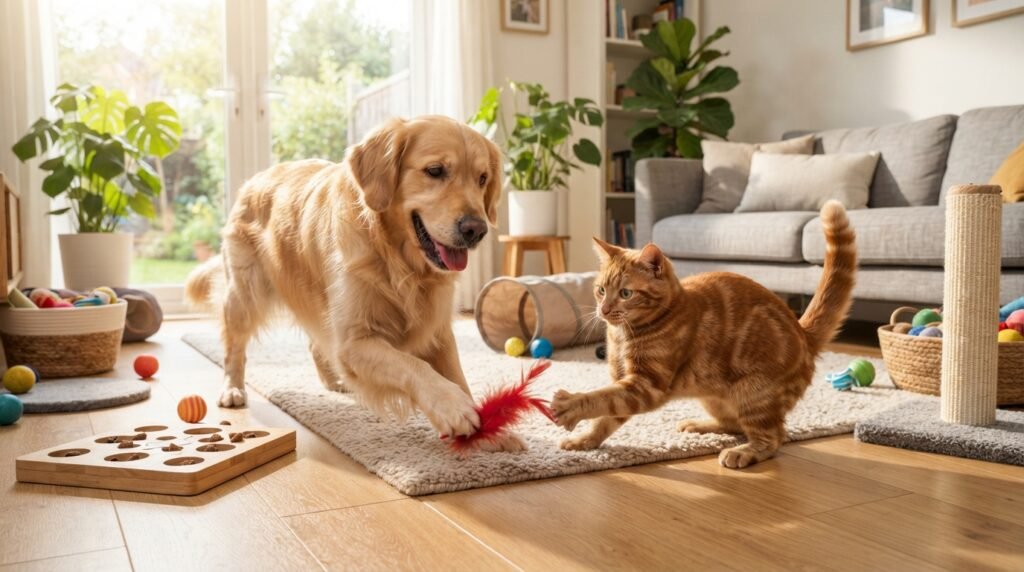
Why Do Dogs and Cats Get Bored?
Many pet owners believe that providing food, water, and a comfortable bed is enough. While these are essential, pets also need opportunities to explore, play, solve problems, and interact with their environment.
Modern lifestyles often mean pets spend long hours alone while their owners work or study. Without regular stimulation, they create their own entertainment—which may not be something you appreciate.
Common causes of boredom include:
- Spending too many hours alone
- Lack of daily exercise
- No interactive toys
- Limited opportunities to explore
- Repetitive daily routines
- Not enough playtime
- Small living spaces without enrichment
Fortunately, even a few small changes can make a huge difference.
Why Mental Stimulation Is Just as Important as Exercise
A long walk helps your dog burn energy, but mental activities tire the brain in a healthy way.
Similarly, cats may spend hours indoors where they don’t have opportunities to stalk, chase, or climb like they naturally would.
Mental enrichment helps:
- Reduce anxiety
- Prevent destructive behavior
- Improve confidence
- Slow cognitive decline in senior pets
- Encourage healthy exercise
- Build stronger bonds with owners
Think of enrichment as giving your pet a daily puzzle instead of simply another nap.

Signs Your Dog Is Bored
1. Excessive Chewing
Dogs naturally chew, especially puppies.
However, if your dog constantly destroys shoes, furniture, pillows, or table legs despite having chew toys, boredom may be the real reason.
Chewing releases stress and gives bored dogs something to do.
Try this:
- Rotate chew toys weekly.
- Offer puzzle feeders.
- Freeze treats inside durable rubber toys.
- Increase daily walks and sniffing time.
2. Constant Barking
Dogs bark for many reasons.
But barking at every small noise, barking when left alone, or barking simply for attention often indicates a lack of stimulation.
A tired dog usually rests instead of searching for excitement.
Activities like scent games, obedience training, and short play sessions can greatly reduce unnecessary barking.
3. Digging Everywhere
Some breeds naturally enjoy digging.
But when your dog suddenly starts digging in the yard, flower beds, blankets, or even carpets, they may simply be trying to entertain themselves.
Digging is both physical exercise and mental stimulation for many dogs.
Provide designated digging areas, outdoor play, and interactive games to redirect this behavior.
4. Pacing Around the House
Does your dog constantly walk back and forth through the house without settling down?
Pacing often signals excess energy, boredom, or frustration. A dog that has nothing interesting to do may wander from room to room looking for stimulation.
How to help:
- Take longer walks that include plenty of sniffing.
- Teach a new trick every week.
- Hide treats around the house for a fun scent game.
- Give your dog an interactive puzzle toy before you leave.
5. Attention-Seeking Behavior
A bored dog may repeatedly:
- Bring you the same toy over and over
- Paw at your legs
- Jump on you
- Whine constantly
- Follow you everywhere
Your dog isn’t necessarily being “naughty”—they’re asking for something meaningful to do.
Even 15–20 minutes of focused play can make a huge difference.
6. Sleeping Too Much
Dogs love naps, but if your healthy dog sleeps almost the entire day and shows little excitement for anything except mealtime, boredom may be part of the problem.
A balanced day should include:
- Walks
- Playtime
- Training
- Rest
- Mental challenges
Keeping your dog’s mind active often leads to a happier, more energetic companion.
Signs Your Cat Is Bored
Indoor cats are especially vulnerable to boredom because they have fewer opportunities to hunt, climb, and explore than outdoor cats.
Here are the most common warning signs.
7. Scratching Furniture Excessively
Scratching is completely normal for cats.
However, when your cat ignores scratching posts and focuses on sofas, carpets, or walls, they may be looking for stimulation.
Cats scratch to:
- Stretch their muscles
- Mark territory
- Relieve stress
- Stay mentally engaged
Easy fixes:
- Place scratching posts near favorite resting areas.
- Try different textures like sisal, cardboard, and wood.
- Reward your cat when they use the correct scratching surface.

8. Knocking Things Off Shelves
Why do cats love pushing objects onto the floor?
Sometimes they’re simply curious.
Other times, they’re bored and experimenting with cause and effect.
Watching an object fall creates movement and excitement—something an under-stimulated cat craves.
Instead of getting frustrated, provide:
- Interactive toys
- Climbing shelves
- Puzzle feeders
- Daily play sessions with wand toys
These activities satisfy your cat’s natural hunting instincts.
9. Zoomies at Night
If your cat suddenly races through the house at midnight every night, they may not be getting enough exercise during the day.
Cats naturally have bursts of energy, but excessive nighttime zoomies often happen when they’ve been inactive for hours.
A 15-minute interactive play session before bedtime can help burn off energy and encourage a more peaceful night.
10. Overgrooming
Cats naturally spend a large part of their day grooming, but excessive licking, chewing, or pulling out fur can be a sign of boredom or stress (though it can also indicate a medical issue).
If your cat develops bald patches or seems obsessed with grooming, consult your veterinarian to rule out health problems. If they’re healthy, increasing mental enrichment may help reduce the behavior.
Try these enrichment ideas:
- Rotate toys every few days.
- Add a cat tree or window perch.
- Hide treats around the house.
- Schedule two or three interactive play sessions daily.
11. Weight Gain
A bored pet often becomes a less active pet.
Without enough exercise, dogs and cats can gain weight, increasing their risk of diabetes, arthritis, heart disease, and other health problems.
Encourage movement with:
- Daily walks for dogs
- Fetch games
- Laser pointer sessions (always finish with a toy they can “catch”)
- Climbing furniture for cats
- Food puzzle toys
Even a few extra minutes of activity each day can make a significant difference.
12. Ignoring Toys
If your pet has dozens of toys but never plays with them, the problem may not be the toys—it may be that they’re always the same.
Pets enjoy novelty.
Instead of buying new toys every week, rotate the ones you already own. Store half of them away and swap them every few days to make old toys feel exciting again.
Easy Enrichment Ideas for Dogs
Keeping your dog mentally stimulated doesn’t have to be expensive.
Here are some simple ideas:
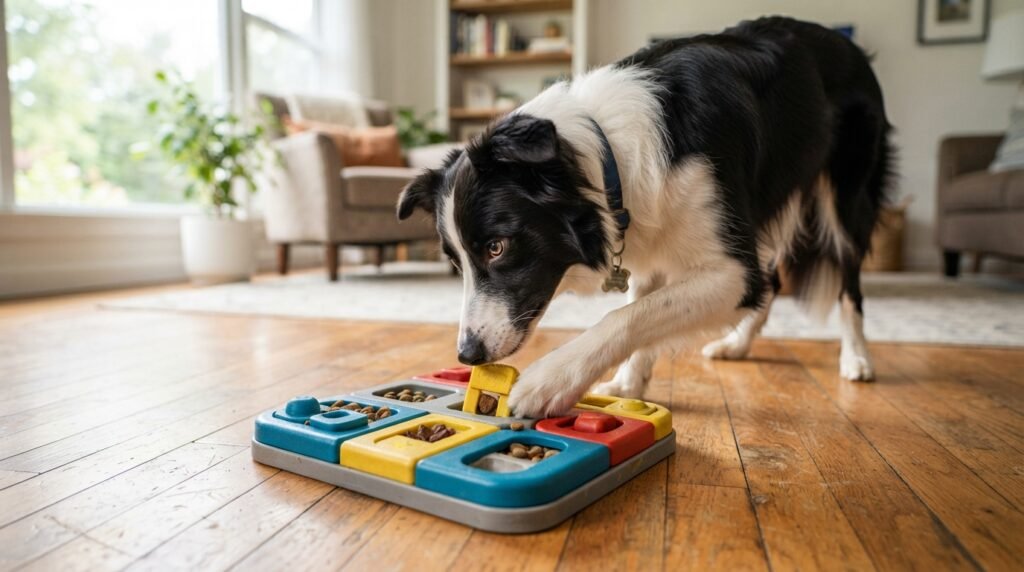
1. Puzzle Feeders
Turn mealtime into a fun challenge by using puzzle bowls or treat-dispensing toys.
2. Snuffle Mats
Hide kibble or treats inside a snuffle mat so your dog can use their nose to search for food.
3. Short Training Sessions
Teach commands like:
- Spin
- Shake
- Roll over
- Stay
- Touch
Training builds confidence while exercising your dog’s brain.
4. Scent Games
Hide treats around the house and encourage your dog to “find it.” Sniffing is mentally tiring and incredibly rewarding for dogs.
5. Rotate Toys
Instead of leaving every toy out, keep only a few available and rotate them weekly.

Easy Enrichment Ideas for Cats
Cats thrive when they can express their natural hunting instincts.
Try these activities:
- Feather wand toys
- Puzzle feeders
- Cat tunnels
- Window perches for bird watching
- Climbing shelves and cat trees
- Cardboard boxes and paper bags
- Treat hunts around the house
Changing your cat’s environment regularly keeps life interesting without spending a lot of money.
13. Destructive Behavior
If your dog tears apart cushions or your cat shreds curtains, boredom could be the underlying cause.
Destructive behavior is often a pet’s way of releasing pent-up energy or frustration.
Instead of scolding your pet, focus on preventing boredom by providing regular exercise, interactive toys, and daily enrichment activities.
14. Restlessness
A bored pet often struggles to relax. They may:
- Wander around the house
- Constantly look out windows
- Pace from room to room
- Meow or bark without an obvious reason
- Seem unable to settle down
Adding structured playtime and mental challenges throughout the day can help your pet feel more satisfied and relaxed.
15. Begging for Food Constantly
Not every hungry-looking pet is actually hungry.
Sometimes dogs and cats beg simply because eating is the most exciting part of their day.
Instead of offering extra treats, make meals more engaging by using:
- Puzzle feeders
- Slow feeders
- Treat-dispensing toys
- Food scavenger hunts
These activities satisfy your pet’s mind while helping prevent overeating.

A Simple Daily Enrichment Routine
You don’t need hours each day to keep your pet happy. A consistent routine can make a big difference.
For Dogs
Morning
- 20–30 minute walk
- Breakfast in a puzzle feeder
Afternoon
- Chew toy or snuffle mat
- Short training session (5–10 minutes)
Evening
- Walk or game of fetch
- Interactive play with the family
- Quiet chew toy before bedtime
For Cats
Morning
- Interactive wand toy (10–15 minutes)
- Breakfast in a puzzle feeder
Afternoon
- Access to a window perch
- Climbing and scratching opportunities
Evening
- Hunting game with toys
- Treat hunt around the house
- Calm play session before bedtime
Frequently Asked Questions
Can boredom make pets destructive?
Yes. Dogs and cats often chew, scratch, dig, or knock things over when they don’t have enough physical or mental stimulation.
How much playtime does my pet need?
Most dogs benefit from at least 30–60 minutes of exercise daily, depending on their age and breed. Cats usually enjoy two or three interactive play sessions of 10–15 minutes each day.
Are puzzle toys worth buying?
Yes. Puzzle feeders and treat-dispensing toys encourage problem-solving, slow down eating, and help reduce boredom.
Can older pets get bored?
Absolutely. Senior dogs and cats still need mental stimulation, although activities should match their energy level and physical abilities.
Final Thoughts
Boredom is more than a minor inconvenience—it can affect your pet’s physical health, emotional well-being, and behavior. By recognizing the warning signs early and adding simple enrichment activities to your daily routine, you can help your dog or cat stay happier, healthier, and more engaged.
Remember, you don’t need expensive gadgets to keep your pet entertained. Daily walks, interactive play, puzzle feeders, training sessions, scratching posts, climbing spaces, and rotating toys can all make a lasting difference.
A mentally stimulated pet is often calmer, more confident, and less likely to develop destructive habits. Investing a little time each day strengthens your bond and gives your furry companion the enriching life they deserve.

hammadniazi6663@gmail.com
Contributor at PetZuoo, publishing practical information for pet owners and animal lovers.
Related guides

Why Do Dog Tilt Their Heads? 9 Fascinating Reason
Why Do Dog Tilt Their Heads? 9 Fascinating Reason Behind This Adorable Behavior. Have you ever spoken to your dog and watched…
Why Does Dog Suddenly Follow Me Everywhere? 9 Reasons
Why Does Dog Suddenly Follow Me Everywhere? 9 Reasons and Have you noticed that your dog suddenly seems to be your shadow?…
Ultimate Guide to Dog Separation Anxiety
Ultimate Guide to Dog Separation Anxiety. Proven Ways to Help Your Dog Feel Safe Alone, and Leaving your dog at home for…