How to Choose the Best Cat Litter
The Ultimate Guide to Choosing the Best Cat Litter Box in 2026 and How to Choose the Best Cat Litter Box for Your Cat
Choosing the best cat litter box is one of the most important decisions every cat owner makes. While food, toys, and cozy beds often get the most attention, your cat’s litter box has a direct impact on their health, happiness, and daily behavior. A poorly chosen litter box can lead to unpleasant odors, excessive litter tracking, and even litter box avoidance, while the right one encourages good bathroom habits and keeps your home cleaner.
Cats are naturally clean animals. In the wild, they instinctively bury their waste to avoid attracting predators and to keep their environment tidy. Domestic cats still carry these instincts, which means they appreciate a litter box that feels safe, comfortable, and easy to use. If a litter box is too small, difficult to enter, or placed in the wrong location, your cat may become stressed and start looking for other places to relieve themselves.
Today’s pet market offers a wide range of litter boxes designed for different needs. You can choose from traditional open trays, covered litter boxes, top-entry models, stainless steel options, and even advanced self-cleaning systems that automatically remove waste. While these choices provide convenience, they can also make shopping more confusing—especially for first-time cat owners.
This comprehensive guide explains everything you need to know before buying a litter box. You’ll learn about the different types, discover the features that matter most, and find practical tips for choosing the perfect option based on your cat’s age, size, personality, and lifestyle. Whether you’re welcoming a playful kitten, caring for a senior cat, or managing a multi-cat household, this guide will help you make a confident decision.
By the end, you’ll know exactly how to create a clean, comfortable bathroom space that keeps both you and your feline companion happy.
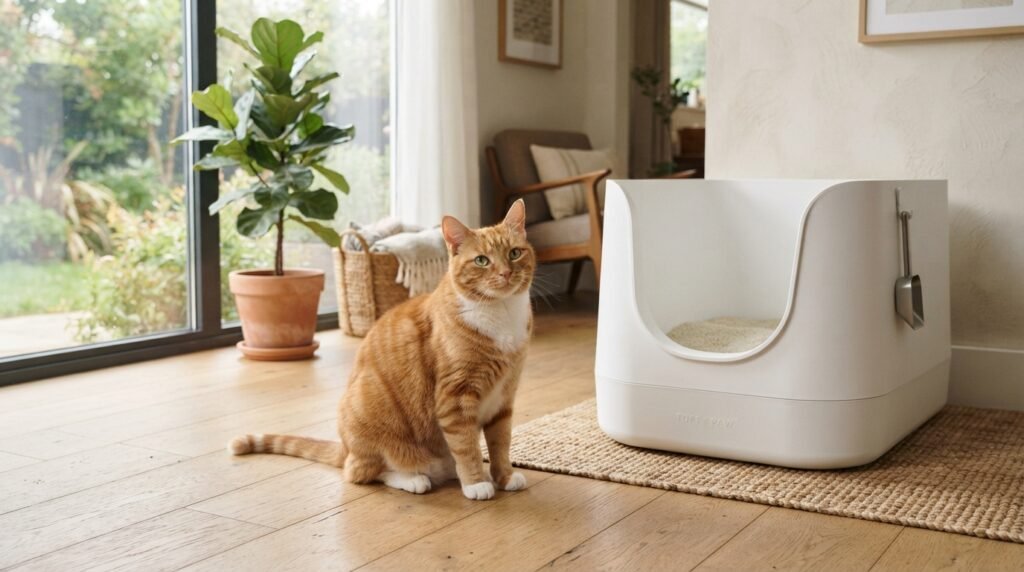
Why the Right Cat Litter Box Matters
Many cat owners underestimate how much a litter box affects their pet’s well-being. Cats spend time in their litter box every single day, making it one of the most frequently used items in your home. Selecting the right one helps prevent common behavioral problems while making cleaning easier for you.
Encourages Healthy Bathroom Habits
A comfortable litter box encourages consistent use. If your cat feels secure and has enough space to turn around and dig, they’re far more likely to use the box every time. This reduces the risk of accidents on carpets, furniture, or other unwanted places.
Cats that avoid their litter box often aren’t being stubborn—they’re reacting to discomfort or stress. A simple upgrade to a better-sized or better-designed box can sometimes solve these issues without additional training.
Improves Hygiene
A well-designed litter box helps contain waste and makes daily cleaning much easier. Features like high walls, smooth surfaces, and removable lids simplify maintenance and reduce mess.
Good hygiene benefits both pets and owners by:
- Reducing bacteria buildup
- Preventing unpleasant odors
- Keeping litter contained
- Creating a healthier home environment
- Lowering the risk of infections
Regular cleaning becomes much less of a chore when the litter box is designed with convenience in mind.
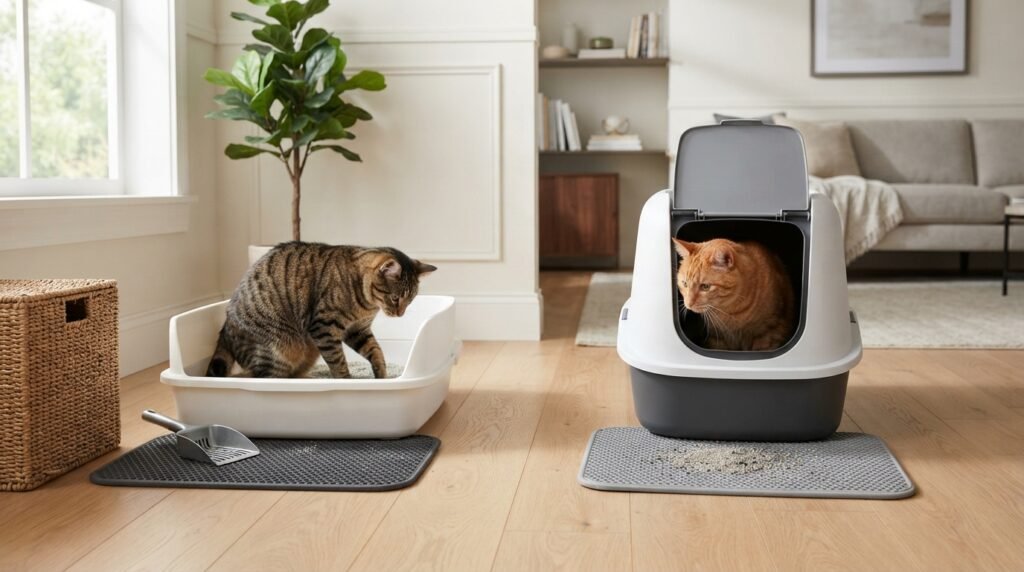
Reduces Stress
Cats thrive on routine and security. They prefer using the bathroom in a quiet, predictable location where they won’t feel threatened or interrupted.
An unsuitable litter box can create unnecessary stress. For example:
- A covered box may feel too enclosed for some cats.
- A high entrance may be difficult for older cats.
- A cramped box may make larger breeds uncomfortable.
- A noisy automatic litter box may frighten timid cats.
Choosing a litter box that matches your cat’s personality helps them feel safe and relaxed.
Better Odor Control
One of the biggest concerns for cat owners is controlling unpleasant smells.
While no litter box completely eliminates odors, the right design significantly helps.
Several factors improve odor control:
- Covered lids help trap smells.
- Activated carbon filters absorb odors.
- High-quality litter reduces ammonia buildup.
- Daily scooping prevents waste accumulation.
- Proper ventilation keeps the area fresh.
Combined with regular maintenance, these features make your home much more pleasant.
Keeps Your Home Cleaner
Many cats accidentally scatter litter outside the box while digging or covering waste.
Modern litter boxes address this issue with features such as:
- Extra-high sides
- Top-entry designs
- Anti-tracking exits
- Wide rims that catch loose litter
- Non-stick interiors
Less scattered litter means less sweeping and vacuuming around your home.
Different Types of Cat Litter Boxes
Understanding the different styles available is the first step toward making the right purchase. Each type offers unique advantages depending on your cat’s preferences and your household needs.
Open Litter Boxes
Open litter boxes are the most common and affordable option. They consist of a simple tray without a lid or enclosure.
Advantages
- Excellent airflow
- Easy for cats to enter
- Simple to clean
- Budget-friendly
- Ideal for kittens
- Easy to monitor cleanliness
Many veterinarians recommend open litter boxes because they allow cats to observe their surroundings while using the bathroom, which can make them feel more secure.
Disadvantages
- Less odor containment
- More litter tracking
- Waste remains visible
- Requires frequent scooping
Despite these drawbacks, open litter boxes remain one of the best choices for most households due to their simplicity and accessibility.
Covered Litter Boxes
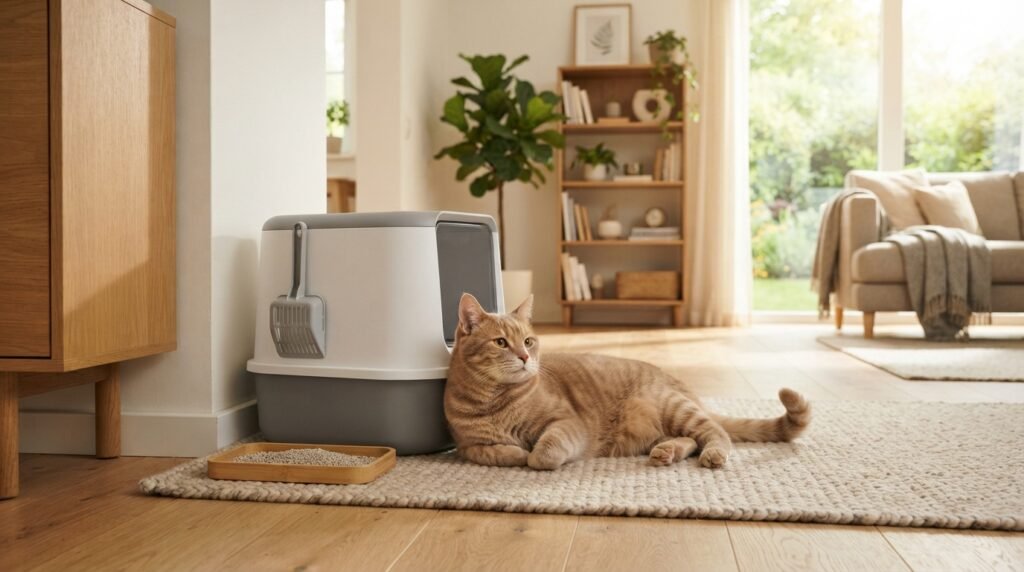
Covered litter boxes feature a hood or enclosed top that offers cats additional privacy while helping contain odors and scattered litter.
These models are especially popular in homes where aesthetics matter, as they hide waste from view and often look tidier.
Benefits
- Better odor control
- Increased privacy
- Reduced litter scatter
- Cleaner appearance
- Helps contain curious dogs
Potential Downsides
Some cats dislike enclosed spaces, especially if they feel trapped or have limited visibility. Covered boxes may also require more frequent cleaning because odors can become concentrated inside the enclosure.
If your cat hesitates to use a covered box, try removing the lid temporarily to see if their comfort improves.
Top-Entry Litter Boxes
Top-entry litter boxes have an opening on the lid rather than on the side. Cats jump into the box from above and exit the same way.
These boxes have become increasingly popular among owners looking to reduce litter tracking.
Advantages
- Significantly less litter scatter
- Prevents dogs from accessing the litter
- Modern appearance
- Helps reduce odors
- Saves floor space
Considerations
Top-entry designs aren’t suitable for every cat. Older cats, kittens, or pets with mobility issues may find jumping difficult. Always consider your cat’s age and physical condition before choosing this style.
Self-Cleaning Litter Boxes: Are They Worth It?
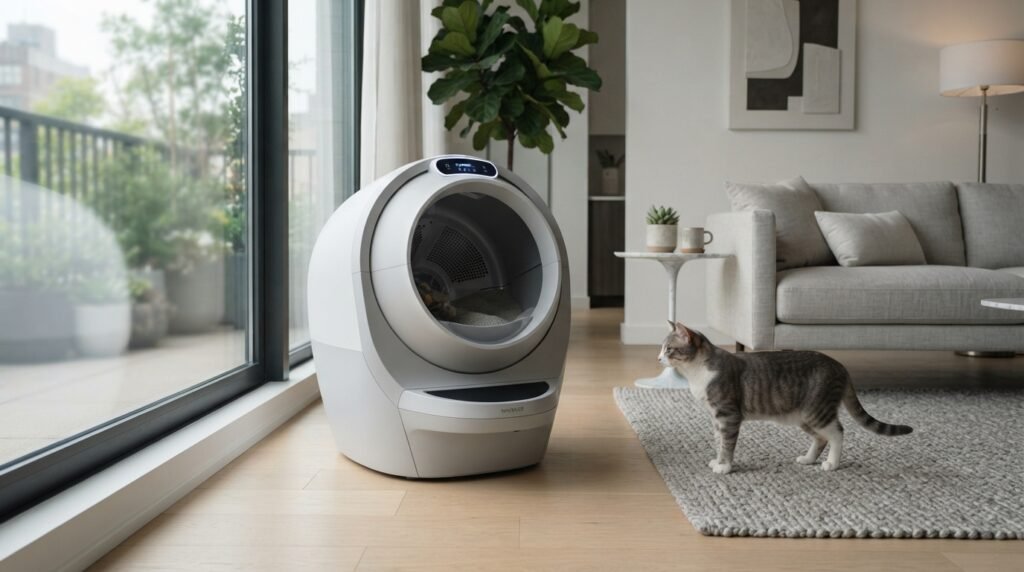
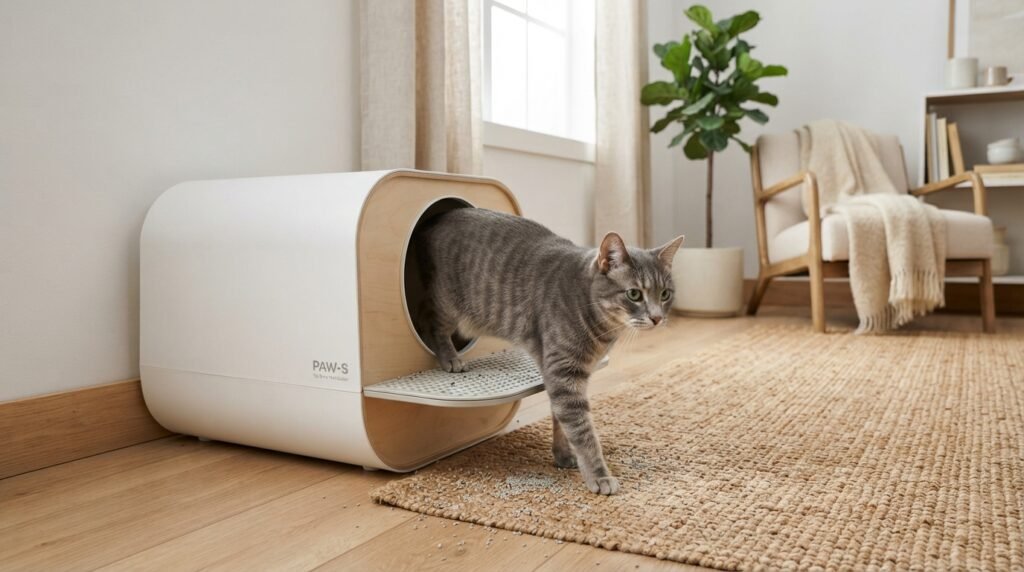
Technology has transformed pet care, and self-cleaning litter boxes are one of the biggest innovations for cat owners. These automatic systems detect when your cat has finished using the litter box and remove waste into a sealed compartment, keeping the litter fresh with minimal effort.
For busy pet parents, this can be a game-changer. Instead of scooping waste several times a day, you only need to empty the waste container every few days, depending on the number of cats in your home.
Benefits of Self-Cleaning Litter Boxes
Saves Time
Automatic cleaning reduces the need for daily scooping, making it ideal for people with busy schedules.
Better Odor Control
Since waste is removed quickly, unpleasant odors don’t have time to build up. Many models also include sealed waste compartments and carbon filters to trap smells.
Cleaner Litter
Cats generally prefer clean litter. Because these systems remove waste after every use, your cat always has a fresh place to go.
Great for Multi-Cat Homes
Households with two or more cats often struggle to keep litter boxes clean throughout the day. Automatic models maintain cleanliness between manual maintenance sessions.
Potential Drawbacks
Although automatic litter boxes offer convenience, they aren’t perfect for every situation.
- Higher initial cost
- Requires electricity or batteries
- Some cats may be frightened by moving parts
- Replacement components may increase long-term costs
- Regular maintenance is still necessary
For many owners, the convenience outweighs these drawbacks, but traditional litter boxes remain an excellent choice if maintained properly.
How to Choose the Right Litter Box Size
One of the most common mistakes cat owners make is buying a litter box that’s too small. Cats need enough room to comfortably enter, turn around, dig, and cover their waste.
A cramped litter box can make your cat uncomfortable and may even lead to litter box avoidance.
General Size Rule
A good rule of thumb is that the litter box should be at least one and a half times the length of your cat, measured from the nose to the base of the tail.
The extra space allows natural movement and makes the experience less stressful.
For Large Cat Breeds
Breeds like Maine Coons, Ragdolls, Norwegian Forest Cats, and Siberian Cats require larger-than-average litter boxes.
Look for:
- Extra-large dimensions
- High walls
- Spacious interiors
- Durable construction
Providing enough room helps prevent litter from spilling over the sides and allows larger cats to move comfortably.
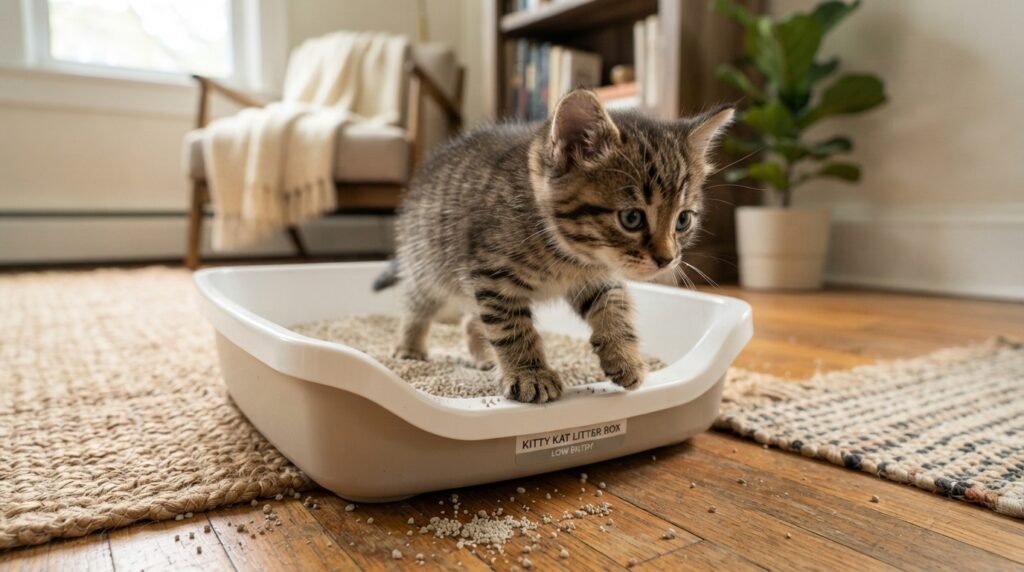
For Kittens
Young kittens benefit from litter boxes with:
- Low entrances
- Smaller overall size
- Easy access
- Stable, non-slip bases
As kittens grow, they’ll eventually need to transition to a full-sized litter box.
For Senior Cats
Older cats often develop arthritis or reduced mobility.
Choose litter boxes with:
- Low entry points
- Wide openings
- Easy step-in access
- Stable construction
These features reduce joint strain and encourage continued litter box use.
Best Litter Box Materials
The material of a litter box affects durability, odor control, cleaning, and overall lifespan.
Plastic Litter Boxes
Plastic remains the most popular option because it’s affordable and lightweight.
Advantages
- Budget-friendly
- Easy to move
- Available in many styles
- Lightweight
- Widely available
Disadvantages
Over time, scratches can develop on the surface. These scratches may trap bacteria and odors, making the box harder to clean.
Replacing plastic litter boxes every year or two helps maintain hygiene.
Stainless Steel Litter Boxes
Stainless steel litter boxes have become increasingly popular because they resist odors and last much longer than plastic.
Benefits
- Extremely durable
- Scratch-resistant
- Doesn’t absorb odors
- Easy to disinfect
- Long lifespan
Although they cost more initially, they can save money over time due to their durability.
High-Wall Litter Boxes
Some cats dig enthusiastically before and after using the litter box.
High-wall designs help contain:
- Litter scatter
- Urine spray
- Loose debris
They’re especially useful for energetic diggers and larger cats.
Covered vs. Open Litter Boxes
Both styles have advantages, and the best choice depends on your cat’s personality and your home’s needs.
| Covered Litter Box | Open Litter Box |
|---|---|
| Better odor control | Better airflow |
| Offers privacy | Easy access |
| Hides waste | Easier to monitor cleanliness |
| Reduces litter scatter | Preferred by many cats |
| Cleaner appearance | Simpler to clean |
Which One Should You Choose?
A covered litter box is a good option if:
- Odor control is your top priority.
- You have dogs that may access the litter.
- Your cat enjoys enclosed spaces.
An open litter box may be better if:
- Your cat prefers visibility.
- You have a senior cat or kitten.
- You want easier daily cleaning.
- Your cat has previously avoided covered boxes.
Observing your cat’s behavior is the best way to determine which style they prefer.
Essential Features to Look For
Not all litter boxes are created equal. Paying attention to a few key features can make a big difference in your cat’s comfort and your cleaning routine.
High Sides
High sides help contain litter and prevent spills, especially for cats that dig vigorously or urinate near the edges.
Easy Entry
A comfortable entrance is important for kittens, senior cats, and pets with mobility challenges. Choose a design that allows effortless access without requiring excessive jumping.
Smooth Interior
A smooth, non-stick interior prevents waste from sticking to the sides, making cleaning faster and reducing odor buildup.
Durable Construction
A sturdy litter box won’t crack, warp, or tip over during use. Quality materials also ensure the box lasts longer.
Odor Filters
Many covered litter boxes include activated carbon filters that help reduce unpleasant smells between cleanings.
While helpful, filters should be replaced regularly to maintain effectiveness.
Removable Lid
If you choose a covered litter box, a removable lid makes deep cleaning much easier and allows you to inspect the interior quickly.
Anti-Tracking Design
Some litter boxes feature textured exits or grated tops that remove loose litter from your cat’s paws before they leave the box. This helps keep your floors cleaner and reduces daily sweeping.
Easy Maintenance
The best litter box is one that encourages regular cleaning. Features like rounded corners, smooth surfaces, and simple assembly make maintenance quicker and more convenient.
Best Litter Boxes for Different Types of Cats
Every cat has unique needs, so there isn’t a single litter box that’s perfect for every feline. Your cat’s age, size, health, and personality all play a role in determining the ideal option. Understanding these differences will help you make a choice that keeps your cat comfortable and encourages consistent litter box use.
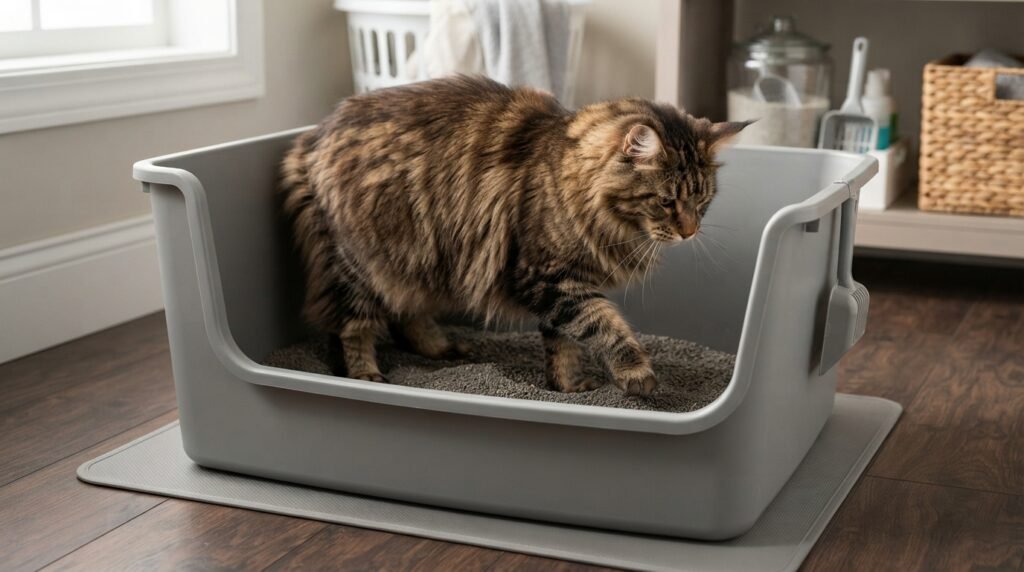
Best Litter Box for Large Cats
Large breeds such as Maine Coons, Ragdolls, and Norwegian Forest Cats require more space than standard litter boxes provide.
Look for these features:
- Extra-large dimensions
- High sides to prevent litter scatter
- Durable construction
- Wide entrance
- Deep litter area
A spacious litter box allows large cats to turn around comfortably and dig naturally without feeling cramped.
Best Litter Box for Kittens
Young kittens are still developing coordination, so they need litter boxes that are easy to enter.
Ideal features include:
- Low front entrance
- Small size
- Stable base
- Non-slip bottom
- Open design for visibility
As your kitten grows, gradually transition to a larger litter box that accommodates their adult size.
Best Litter Box for Senior Cats
Older cats may suffer from arthritis, joint pain, or reduced mobility.
Choose a litter box with:
- Low entry height
- Spacious interior
- Easy access
- Smooth flooring
- Stable construction
Avoid high-entry or top-entry litter boxes, as they can be difficult for elderly cats to use comfortably.
Best Litter Box for Multi-Cat Homes
If you have multiple cats, cleanliness becomes even more important.
Experts recommend having one litter box per cat, plus one extra. For example:
- 1 cat = 2 litter boxes
- 2 cats = 3 litter boxes
- 3 cats = 4 litter boxes
This reduces territorial disputes and gives every cat a clean place to go.
Large, easy-to-clean litter boxes or self-cleaning models work especially well in multi-cat households.
Best Litter Box for Shy Cats
Some cats prefer privacy while using the bathroom.
Covered litter boxes often help timid cats feel more secure by providing a quiet, enclosed space.
However, observe your cat’s behavior. If they hesitate to enter or seem uncomfortable, switching to an open litter box may solve the problem.
Common Litter Box Mistakes to Avoid
Even the best litter box won’t work well if it’s used incorrectly. Avoiding these common mistakes can prevent many behavioral problems.
Choosing a Box That’s Too Small
One of the biggest mistakes is purchasing a litter box that doesn’t give your cat enough room to move.
Cats naturally turn, dig, and bury their waste. A cramped space can make them uncomfortable and lead to accidents outside the box.
Not Cleaning Often Enough
Cats dislike dirty litter boxes.
Waste should be scooped at least once or twice daily, especially in multi-cat homes.
A dirty litter box can lead to:
- Strong odors
- Bacterial growth
- Litter box avoidance
- Stress-related behavior
Using Strong Cleaning Chemicals
Avoid bleach, ammonia, or heavily scented cleaners.
These products may leave behind smells that discourage cats from using the litter box.
Instead, wash the box with:
- Warm water
- Mild dish soap
- Pet-safe cleaning products
Placing the Litter Box in a Bad Location
Cats prefer quiet, low-traffic areas.
Avoid placing litter boxes:
- Next to food bowls
- Near loud washing machines
- Beside dryers
- In busy hallways
- Close to noisy appliances
A peaceful location helps your cat feel safe while using the litter box.
Changing Litter Too Frequently
Cats become familiar with the texture and scent of their litter.
Switching brands suddenly may cause them to reject the litter box.
If changing litter, mix the new litter with the old one over several days to help your cat adjust gradually.
Cleaning and Maintenance Tips
Keeping a litter box clean is essential for your cat’s health and for maintaining a fresh-smelling home.
Daily Tasks
Every day:
- Scoop solid waste.
- Remove clumps.
- Check litter levels.
- Clean any spills around the box.
Daily maintenance only takes a few minutes but significantly improves hygiene.
Weekly Cleaning
Once a week:
- Empty the litter completely.
- Wash the litter box with warm water and mild soap.
- Dry thoroughly before adding fresh litter.
- Wipe the surrounding floor.
Monthly Maintenance
Every month:
- Inspect for scratches or cracks.
- Replace odor filters if your litter box uses them.
- Deep-clean hard-to-reach areas.
Plastic litter boxes with heavy wear may begin to trap odors and should be monitored closely.
When to Replace a Litter Box
Even high-quality litter boxes don’t last forever.
Replace a plastic litter box if you notice:
- Deep scratches
- Persistent odors
- Cracks
- Broken edges
- Warping
Stainless steel litter boxes generally last much longer with proper care.
Where Should You Place a Cat Litter Box?
Location is almost as important as the litter box itself.
Cats appreciate privacy, but they also want easy access.
The best locations include:
- Quiet laundry rooms (away from noisy machines)
- Spare bathrooms
- Guest bedrooms
- Peaceful corners of the home
- Dedicated pet areas
Avoid placing litter boxes:
- Near food and water bowls
- Beside loud appliances
- In high-traffic hallways
- Outdoors (unless specifically designed for outdoor use)
For homes with multiple floors, place at least one litter box on each level so your cat always has convenient access.
Frequently Asked Questions
How many litter boxes should I have?
The general recommendation is one litter box per cat, plus one extra.
Are covered litter boxes better?
It depends on your cat. Some enjoy the privacy, while others prefer open boxes with better visibility and airflow.
How often should I scoop the litter box?
At least once daily. Multi-cat households often benefit from scooping twice a day.
How often should I replace all the litter?
Most clumping litters should be replaced completely every 2–4 weeks, depending on usage.
Can two cats share one litter box?
While they can, it’s not recommended. Multiple litter boxes help reduce stress and territorial behavior.
Which litter box is best for odor control?
Covered litter boxes with activated carbon filters, combined with regular cleaning and high-quality clumping litter, generally provide the best odor control.
Is a self-cleaning litter box worth the investment?
For busy owners or homes with multiple cats, a self-cleaning litter box can save time and maintain a consistently clean environment.
Should I line my litter box with a liner?
Some owners like liners for easier cleanup, but many cats dislike the texture or may tear them with their claws. Test your cat’s preference before using one regularly.
Final Thoughts
Choosing the best cat litter box isn’t simply about buying the most expensive model—it’s about finding the one that matches your cat’s individual needs.
Consider your cat’s age, size, mobility, and personality before making a decision. A spacious, easy-to-clean litter box placed in a quiet location can prevent many common problems, from litter box avoidance to unwanted odors.
Remember these key takeaways:
- Choose a litter box that is at least 1.5 times your cat’s length.
- Scoop waste daily and deep-clean the box regularly.
- Place litter boxes in quiet, easily accessible areas.
- Provide one litter box per cat, plus one extra in multi-cat households.
- Replace worn plastic litter boxes when they begin to trap odors or develop scratches.
A comfortable litter box encourages healthy bathroom habits, reduces stress, and creates a cleaner home for both you and your feline companion.
By investing a little time in choosing the right litter box today, you’ll enjoy years of easier maintenance, better hygiene, and a happier, healthier cat.

hammadniazi6663@gmail.com
Contributor at PetZuoo, publishing practical information for pet owners and animal lovers.
Related guides

Why Do Dog Tilt Their Heads? 9 Fascinating Reason
Why Do Dog Tilt Their Heads? 9 Fascinating Reason Behind This Adorable Behavior. Have you ever spoken to your dog and watched…
Cat Chattering at Birds: 7 Amazing Reasons Explained
Cat Chattering at Birds: 7 Amazing Reasons Explained. Have you ever noticed your cat sitting beside a window, watching birds outside, and…
Why Do Cats Chirp at Birds? 7 Fascinating Reasons
Why Do Cats Chirp at Birds? 7 Fascinating Reasons Behind This Cute Cat Behavior, Have you ever watched your cat sitting beside…