Indoor Cat Care & Scratching Solutions VIf you’ve ever found your cat scratching the sofa, carpet, or wooden furniture, you’re not alone. Many cat owners assume their pet is being naughty, but scratching is actually a completely natural and essential behavior. Instead of trying to stop it, the goal should be to redirect it toward a high-quality cat scratching post.
A scratching post gives your cat a safe, acceptable place to satisfy its instincts while protecting your home from damage.
Why Do Cats Scratch?
Scratching serves several important purposes in a cat’s life:
- Removes the outer layer of old claw sheaths.
- Keeps claws sharp and healthy.
- Stretches muscles in the shoulders, back, and legs.
- Marks territory using scent glands in their paws.
- Reduces stress and anxiety.
- Provides daily physical activity.
This behavior is instinctive. Even well-trained indoor cats will continue to scratch throughout their lives.
Benefits of a Cat Scratching Post
A quality scratching post offers benefits for both cats and owners.
1. Protects Your Furniture
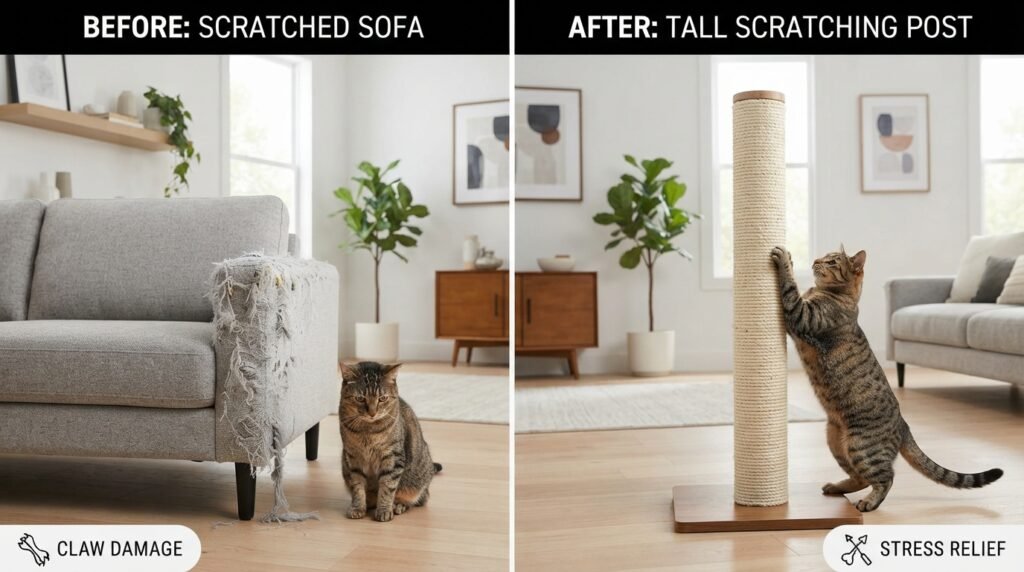
Instead of scratching couches, curtains, rugs, and wooden furniture, your cat has an approved place to scratch.
2. Supports Healthy Claws
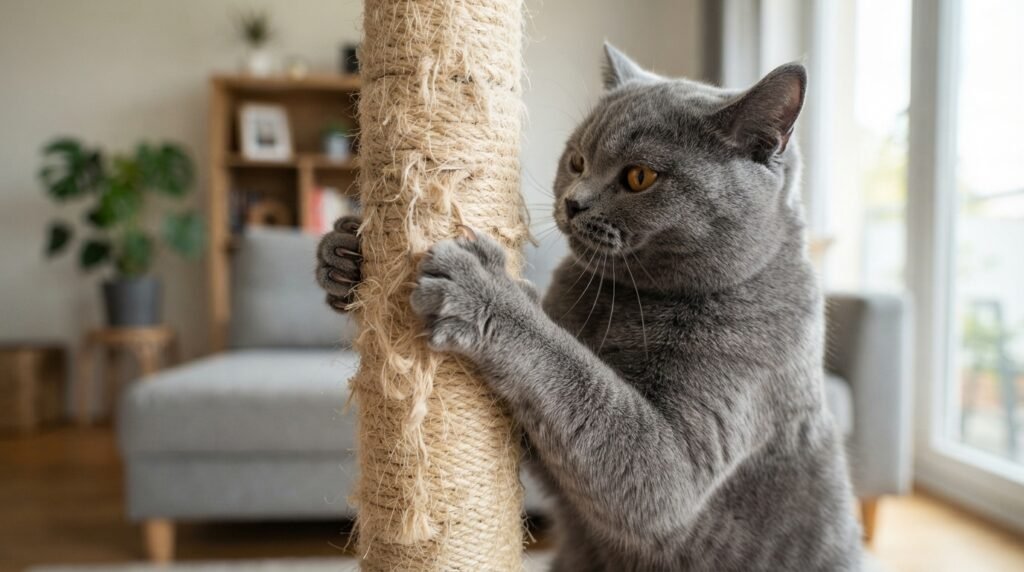
Regular scratching naturally maintains claw health by removing worn outer layers.
3. Encourages Exercise
Stretching while scratching keeps muscles flexible and helps indoor cats stay active.
4. Reduces Stress
Scratching helps cats release energy and frustration, making them calmer and more relaxed.
5. Satisfies Natural Instincts
Trying to prevent scratching entirely often leads to frustration. Providing a scratching post lets your cat express this instinct in a healthy way
How to Choose the Best Cat Scratching Post
Not all scratching posts are created equal. The right scratching post should match your cat’s size, scratching style, and preferences. Choosing the wrong one may result in your cat ignoring it and returning to your furniture.
1. Choose the Right Height
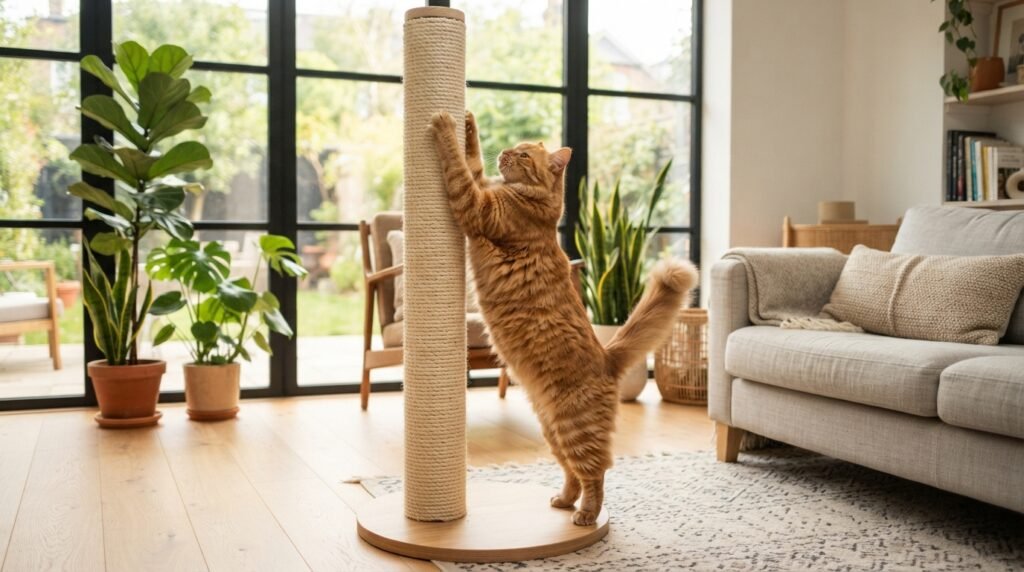
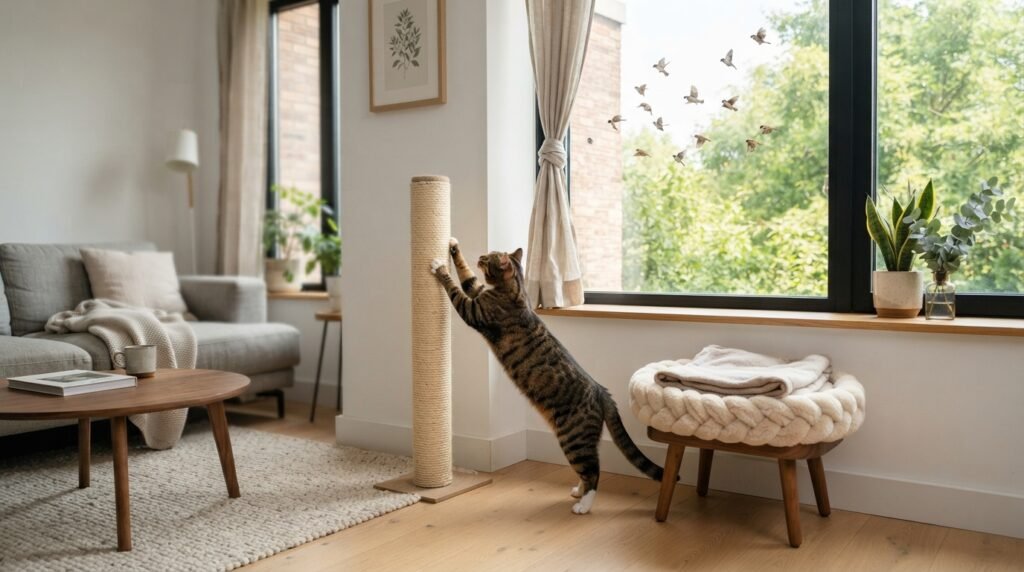
A scratching post should be tall enough for your cat to stretch its entire body while scratching.
As a general rule:
- Kittens: At least 20 inches (50 cm)
- Adult cats: 30–36 inches (75–90 cm) or taller
- Large breeds (like Maine Coons): 36–40 inches (90–100 cm)
A short post limits stretching and is often less appealing.
2. Prioritize Stability
Cats want a scratching post that doesn’t wobble or tip over.
Look for:
- A heavy, wide base
- Solid wood or reinforced construction
- Non-slip feet if used on hard floors
If a post moves while your cat scratches, your cat may stop using it altogether.
3. Select the Best Scratching Material
Different cats prefer different textures.
Sisal Rope
- Durable and long-lasting
- Excellent grip for claws
- Most popular choice
Sisal Fabric
- Tough and comfortable
- Great for frequent scratchers
Cardboard
- Affordable
- Loved by many cats
- Needs replacing more often
Natural Wood
- Mimics outdoor tree bark
- Ideal for cats that enjoy rough surfaces
Avoid carpet-covered posts if possible. Cats may struggle to distinguish them from your household carpets, encouraging unwanted scratching.
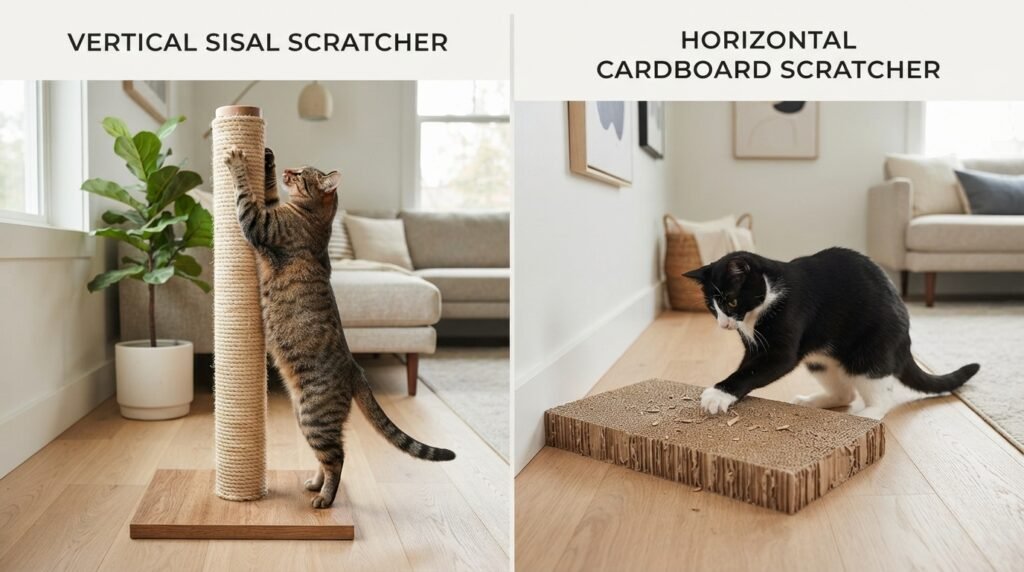
4. Consider Vertical vs. Horizontal Scratchers
Observe how your cat naturally scratches.
Choose a vertical scratching post if your cat:
- Scratches walls
- Uses furniture arms
- Stretches upward while scratching
Choose a horizontal scratcher if your cat:
- Scratches carpets
- Uses rugs
- Prefers scratching while crouching
Many households benefit from having both styles available.
5. Pick the Right Location
Placement is just as important as the scratching post itself.
Good locations include:
- Near your cat’s favorite sleeping spot
- Next to furniture they already scratch
- In high-traffic areas where the family spends time
- Close to windows or cat trees
Avoid hiding scratching posts in unused corners. Cats are more likely to use them when they’re placed in areas they already frequent.How to Choose the Best Cat Scratching Post
Not all scratching posts are created equal. The right scratching post should match your cat’s size, scratching style, and preferences. Choosing the wrong one may result in your cat ignoring it and returning to your furniture.
1. Choose the Right Height
A scratching post should be tall enough for your cat to stretch its entire body while scratching.
As a general rule:
- Kittens: At least 20 inches (50 cm)
- Adult cats: 30–36 inches (75–90 cm) or taller
- Large breeds (like Maine Coons): 36–40 inches (90–100 cm)
A short post limits stretching and is often less appealing.
2. Prioritize Stability
Cats want a scratching post that doesn’t wobble or tip over.
Look for:
- A heavy, wide base
- Solid wood or reinforced construction
- Non-slip feet if used on hard floors
If a post moves while your cat scratches, your cat may stop using it altogether.
3. Select the Best Scratching Material
Different cats prefer different textures.
Sisal Rope
- Durable and long-lasting
- Excellent grip for claws
- Most popular choice
Sisal Fabric
- Tough and comfortable
- Great for frequent scratchers
Cardboard
- Affordable
- Loved by many cats
- Needs replacing more often
Natural Wood
- Mimics outdoor tree bark
- Ideal for cats that enjoy rough surfaces
Avoid carpet-covered posts if possible. Cats may struggle to distinguish them from your household carpets, encouraging unwanted scratching.
4. Consider Vertical vs. Horizontal Scratchers
Observe how your cat naturally scratches.
Choose a vertical scratching post if your cat:
- Scratches walls
- Uses furniture arms
- Stretches upward while scratching
Choose a horizontal scratcher if your cat:
- Scratches carpets
- Uses rugs
- Prefers scratching while crouching
Many households benefit from having both styles available.
5. Pick the Right Location
Placement is just as important as the scratching post itself.
Good locations include:
- Near your cat’s favorite sleeping spot
- Next to furniture they already scratch
- In high-traffic areas where the family spends time
- Close to windows or cat trees
Avoid hiding scratching posts in unused corners. Cats are more likely to use them when they’re placed in areas they already frequent.VV
How to Train Your Cat to Use a Scratching Post
Even the best scratching post won’t help if your cat doesn’t use it. Fortunately, most cats can be encouraged to use a scratching post with a little patience and positive reinforcement. The goal is to make the post more appealing than your furniture.
1. Place the Scratching Post Strategically
Location plays a huge role in success.
Try placing the scratching post:
- Next to the couch or chair your cat already scratches
- Near your cat’s favorite sleeping area
- Beside a window where your cat likes to watch outside
- Along common walking paths in your home
Cats often scratch after waking up, so keeping a post near their bed can increase usage.
2. Attract Your Cat to the Post
Make the scratching post interesting by adding something your cat loves.
You can use:
- Catnip (if your cat responds to it)
- Silvervine powder or sticks
- A dangling toy attached to the top
- Feather wands to guide your cat toward the post
Encourage your cat to touch the post naturally, but never force their paws onto it, as this can create a negative association.
3. Reward Every Successful Scratch
Positive reinforcement is one of the most effective training methods.
Whenever your cat uses the scratching post:
- Offer a favorite treat
- Give verbal praise in a cheerful voice
- Pet them if they enjoy affection
- Spend a few minutes playing afterward
Rewarding the behavior immediately helps your cat understand that using the scratching post is a good thing.
4. Redirect Unwanted Scratching
If you catch your cat scratching the furniture:
- Calmly interrupt with a gentle sound (avoid yelling)
- Lead them to the scratching post
- Encourage them to scratch it using a toy or catnip
- Reward them if they use the post
Consistency is key. Over time, your cat will begin choosing the scratching post on their own.
5. Make Furniture Less Appealing
While your cat is learning, discourage scratching on furniture by:
- Using double-sided furniture tape
- Covering favorite scratching spots with a blanket or slipcover
- Applying pet-safe furniture deterrent sprays
- Keeping the scratching post nearby as an alternative
Avoid punishment or spraying your cat with water. These methods can increase stress and damage your bond without teaching the desired behavior.
6. Keep the Scratching Post Fresh
Cats may lose interest in a worn or unstable scratching post.
To keep it attractive:
- Replace frayed sisal rope when needed
- Clean off excess fur and dust
- Tighten loose screws or bases
- Replace cardboard inserts as they wear out
A sturdy, clean scratching post is much more likely to become part of your cat’s daily routine.
Common Scratching Post Mistakes & Final Tips
Even with the right intentions, many cat owners make simple mistakes that discourage their cats from using a scratching post. Avoiding these common errors can make a big difference in your cat’s behavior.
Common Mistakes to Avoid
1. Buying a Post That’s Too Short
Cats love to stretch their bodies while scratching. A short post limits this natural movement and may be ignored.
Tip: Choose a post that allows your cat to fully extend from paws to tail.
2. Choosing an Unstable Scratching Post
If the post wobbles, tips over, or slides across the floor, your cat may stop using it after one bad experience.
Tip: Look for a scratching post with a heavy, stable base.
3. Using Only One Scratching Post
In multi-room homes, one scratching post is often not enough.
Tip: Place scratching posts in several key locations, especially:
- Near sleeping areas
- Beside favorite furniture
- Close to windows
- In play areas
4. Ignoring Your Cat’s Preferences
Some cats love vertical posts, while others prefer horizontal scratchers or cardboard pads.
Tip: Experiment with different styles and materials until you discover your cat’s favorite.
5. Punishing Your Cat
Yelling, spraying water, or scolding can create fear without solving the scratching problem.
Tip: Redirect your cat to the scratching post and reward the desired behavior instead.
Extra Tips for Long-Term Success
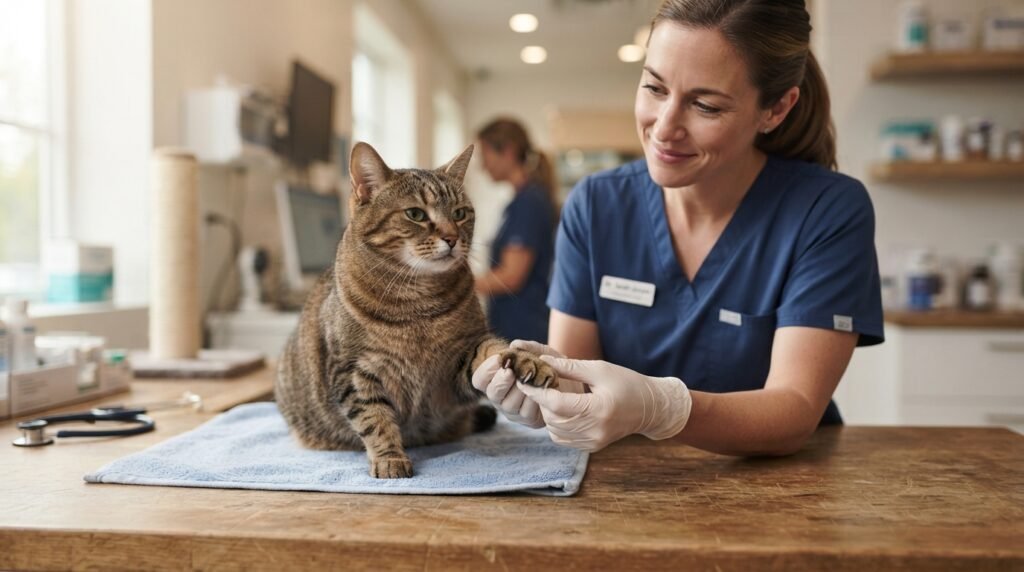
- Trim your cat’s nails regularly.
- Replace worn-out scratching surfaces before they become unusable.
- Rotate scratching posts occasionally to keep them interesting.
- Combine scratching posts with cat trees for climbing and exercise.
- Sprinkle catnip on the post every few weeks if your cat enjoys it.
Frequently Asked Questions
How many scratching posts does one cat need?
Most experts recommend at least one scratching post per cat, plus one extra if possible. Multiple scratching areas help satisfy your cat’s natural instincts throughout the home.
What is the best material for a scratching post?
Sisal rope is generally considered the best choice because it’s durable, satisfying to scratch, and long-lasting. Many cats also enjoy cardboard and natural wood scratchers.
At what age should kittens get a scratching post?
Kittens can start using a scratching post as early as 8–10 weeks old. Introducing one early helps build good habits and reduces furniture scratching later.
Final Thoughts
A quality scratching post is one of the most important investments you can make for an indoor cat. It supports healthy claws, provides daily exercise, reduces stress, and protects your furniture from damage. By choosing the right scratching post, placing it in the best location, and using positive reinforcement, you can encourage healthy scratching habits that last a lifetime.
With patience and consistency, your cat will have a dedicated place to scratch, stretch, and stay happy—while your home stays in much better condition.
Next: I can provide:
Common Scratching Post Mistakes & Final Tips
Even with the right intentions, many cat owners make simple mistakes that discourage their cats from using a scratching post. Avoiding these common errors can make a big difference in your cat’s behavior.
Common Mistakes to Avoid
1. Buying a Post That’s Too Short
Cats love to stretch their bodies while scratching. A short post limits this natural movement and may be ignored.
Tip: Choose a post that allows your cat to fully extend from paws to tail.
2. Choosing an Unstable Scratching Post
If the post wobbles, tips over, or slides across the floor, your cat may stop using it after one bad experience.
Tip: Look for a scratching post with a heavy, stable base.
3. Using Only One Scratching Post
In multi-room homes, one scratching post is often not enough.
Tip: Place scratching posts in several key locations, especially:
- Near sleeping areas
- Beside favorite furniture
- Close to windows
- In play areas
4. Ignoring Your Cat’s Preferences
Some cats love vertical posts, while others prefer horizontal scratchers or cardboard pads.
Tip: Experiment with different styles and materials until you discover your cat’s favorite.
5. Punishing Your Cat
Yelling, spraying water, or scolding can create fear without solving the scratching problem.
Tip: Redirect your cat to the scratching post and reward the desired behavior instead.
Extra Tips for Long-Term Success
- Trim your cat’s nails regularly.
- Replace worn-out scratching surfaces before they become unusable.
- Rotate scratching posts occasionally to keep them interesting.
- Combine scratching posts with cat trees for climbing and exercise.
- Sprinkle catnip on the post every few weeks if your cat enjoys it.
Frequently Asked Questions
How many scratching posts does one cat need?
Most experts recommend at least one scratching post per cat, plus one extra if possible. Multiple scratching areas help satisfy your cat’s natural instincts throughout the home.
What is the best material for a scratching post?
Sisal rope is generally considered the best choice because it’s durable, satisfying to scratch, and long-lasting. Many cats also enjoy cardboard and natural wood scratchers.
At what age should kittens get a scratching post?
Kittens can start using a scratching post as early as 8–10 weeks old. Introducing one early helps build good habits and reduces furniture scratching later.
Final Thoughts
A quality scratching post is one of the most important investments you can make for an indoor cat. It supports healthy claws, provides daily exercise, reduces stress, and protects your furniture from damage. By choosing the right scratching post, placing it in the best location, and using positive reinforcement, you can encourage healthy scratching habits that last a lifetime.
With patience and consistency, your cat will have a dedicated place to scratch, stretch, and stay happy—while your home stays in much better condition.

hammadniazi6663@gmail.com
Contributor at PetZuoo, publishing practical information for pet owners and animal lovers.
Related guides

Why Do Dog Tilt Their Heads? 9 Fascinating Reason
Why Do Dog Tilt Their Heads? 9 Fascinating Reason Behind This Adorable Behavior. Have you ever spoken to your dog and watched…
Cat Chattering at Birds: 7 Amazing Reasons Explained
Cat Chattering at Birds: 7 Amazing Reasons Explained. Have you ever noticed your cat sitting beside a window, watching birds outside, and…
Why Do Cats Chirp at Birds? 7 Fascinating Reasons
Why Do Cats Chirp at Birds? 7 Fascinating Reasons Behind This Cute Cat Behavior, Have you ever watched your cat sitting beside…