Have you ever looked at your cat and wondered, “Do they actually love me, or are they just here because I feed them?” If so, you’re definitely not alone. Cats have a reputation for being mysterious, independent, and sometimes even distant. Unlike dogs, they don’t usually greet you with enthusiastic jumps or wagging tails. Instead, they communicate their feelings in much quieter, more subtle ways.
Introduction + Why Cats Show Love Differently Than Dogs
15 Signs Your Cat Loves You:The truth is that cats form deep emotional bonds with the people they trust. Scientific studies and observations from feline behavior experts show that domestic cats recognize their owners, develop routines around them, and display unique behaviors reserved for their favorite humans. The challenge is learning how to recognize these signs.
A cat’s version of affection may include a slow blink across the room, rubbing against your legs while you prepare dinner, or quietly curling up beside you on the couch. These actions may seem small, but in the world of feline communication, they carry a great deal of meaning.
In this guide, you’ll discover 15 clear signs your cat loves you, understand what each behavior means, and learn how to strengthen your bond with your furry companion. Whether you’re a first-time cat owner or you’ve shared your home with cats for years, understanding these signals will help you appreciate your pet in a whole new way.
Why Cats Show Love Differently Than Dogs
Many people compare cats to dogs when it comes to affection, but these two animals evolved in very different ways. Understanding those differences can help explain why cats often express love more quietly than their canine counterparts.
Cats Are Naturally Independent
Thousands of years ago, cats became companions to humans because they were excellent hunters. They helped protect food stores by controlling rodents, and over time they adapted to living alongside people. Unlike dogs, however, cats were never bred to work closely with humans in large groups or follow commands.
Because of this history, modern cats tend to be more self-reliant. They enjoy companionship, but they also value personal space and independence. This doesn’t mean they don’t care about their owners—it simply means they show affection differently.
Cats Build Trust Slowly
Trust is incredibly important to cats. In the wild, showing vulnerability could be dangerous, so cats instinctively protect themselves until they feel safe.
When your cat chooses to sit next to you, sleep in your lap, or expose their belly, they’re demonstrating that they feel secure in your presence. These behaviors are powerful signs of trust, which is one of the strongest forms of affection a cat can show.
Feline Communication Is Subtle
Cats rely heavily on body language rather than vocal sounds. Small movements of their ears, eyes, whiskers, and tail communicate a wide range of emotions.
Some of the most common signs of a happy and affectionate cat include:
- Relaxed body posture
- Slow blinking
- Upright tail with a curved tip
- Gentle purring
- Soft eye contact
- Rubbing against people or objects
Learning to recognize these subtle signals helps you understand what your cat is trying to tell you every day.
Every Cat Has a Unique Personality
Just like people, every cat has its own personality. Some cats are extremely social and enjoy being around people all day, while others prefer shorter interactions and more quiet time.
An outgoing cat might greet you at the door every evening, while a shy cat may simply choose to sleep nearby. Both behaviors can be signs of affection—the important thing is recognizing how your individual cat prefers to express love.
Rather than expecting every cat to behave the same way, pay attention to the habits that are unique to your pet. Over time, you’ll notice patterns that reveal just how much they enjoy your company.
Your Cat Gives You Slow Blinks
One of the sweetest and most meaningful ways a cat shows affection is through slow blinking. Cat behavior experts often refer to this as a “cat kiss.”
When a cat slowly closes and opens its eyes while looking at you, it signals complete relaxation and trust. In the animal world, closing your eyes around another creature makes you vulnerable. By doing this in your presence, your cat is showing that they feel safe and comfortable with you.
Many owners notice this behavior during peaceful moments, such as when they’re sitting quietly on the couch or talking softly to their pet.
How to Respond
You can return your cat’s affection by slowly blinking back. Many cats will respond with another slow blink or remain relaxed, creating a calm and positive interaction that strengthens your bond.
Slow blinking isn’t just adorable—it’s one of the clearest signs that your cat sees you as someone they trust and enjoy being around
Your Cat Loves You

Your Cat Head Butts You
If your cat gently bumps their forehead against your hand, face, or legs, congratulations—you’ve been “bunted.”
Head butting, also called bunting, is one of the strongest signs of affection in the feline world. Cats have scent glands located around their forehead, cheeks, and chin. When they rub these areas against you, they’re leaving behind their unique scent.
To humans, this scent is undetectable, but to cats, it’s a way of saying:
- “You’re part of my family.”
- “I trust you.”
- “You belong with me.”
Cats reserve this behavior for people, other cats, and even objects they feel comfortable around.
Why Cats Do It
Beyond marking territory, bunting creates a shared scent among members of a cat’s trusted social group. It’s one of the ways cats strengthen relationships.
How You Should Respond
When your cat head butts you:
- Pet them gently around the cheeks and chin.
- Speak in a calm voice.
- Avoid pushing them away unless necessary.
Positive responses reinforce the bond between you and your cat.
Your Cat Kneads You
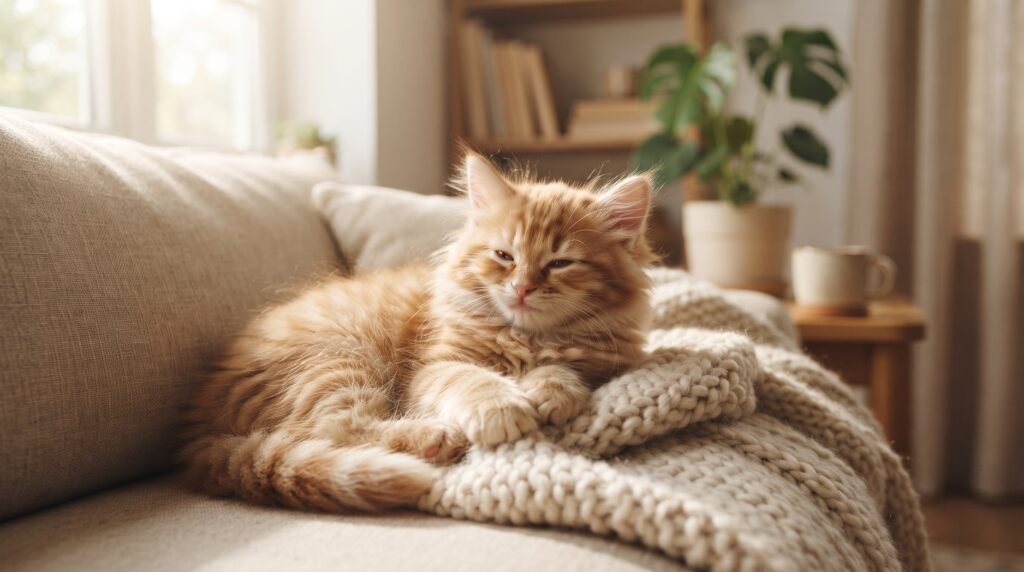
Have you ever had your cat rhythmically push their paws into your blanket—or even your lap? This adorable behavior is called kneading, and it’s another clear sign of affection.
Kittens knead their mother’s belly while nursing to stimulate milk flow. As adults, many cats continue this behavior because it reminds them of the comfort and safety they experienced as kittens.
When your cat kneads you, they’re often saying:
- “I feel safe.”
- “I’m relaxed.”
- “This is my favorite place to be.”
Many cats purr while kneading, making the moment even more heartwarming.
Why Some Cats Knead More Than Others
Not every cat kneads with the same frequency. Factors such as breed, personality, and early life experiences can all influence how often they display this behavior.
Tips for Cat Owners
If your cat’s claws make kneading uncomfortable:
- Place a soft blanket on your lap.
- Keep their nails trimmed.
- Never punish the behavior, as it’s a natural sign of comfort and trust.

Your Cat Sleeps Near You
Cats spend around 12 to 16 hours each day sleeping, and where they choose to rest says a lot about how they feel.
Sleep is one of the most vulnerable states for any animal. If your cat regularly naps:
- Next to you
- On your lap
- At the foot of your bed
- Beside your pillow
they’re showing that they feel completely safe in your presence.
Why This Matters
In the wild, cats select secure sleeping locations to avoid predators. Choosing you as part of that safe space is a powerful sign of trust and affection.
Some cats prefer sleeping nearby rather than directly on top of their owners. This doesn’t mean they love you any less—it simply reflects their personality.
Your Cat Follows You Around the House
Does your cat seem to appear wherever you go?
Whether you’re cooking dinner, folding laundry, or working from home, many affectionate cats enjoy staying close to their favorite humans.
This behavior often means your cat:
- Enjoys your company.
- Feels secure around you.
- Is curious about what you’re doing.
- Wants to be included in your daily routine.
Some owners jokingly refer to these pets as “Velcro cats” because they seem attached to them throughout the day.
Is It Always About Food?
While cats often associate their owners with meals, following you isn’t always food-related.
If your cat continues to stay close even after eating, they’re likely seeking companionship rather than snacks.
Sign #6: Your Cat Brings You “Gifts”
Finding a toy mouse—or occasionally something less pleasant—on your doorstep may not seem like a loving gesture, but from your cat’s perspective, it’s a compliment.
Cats are natural hunters. Sharing their “catch” is believed to be a way of:
- Caring for family members.
- Teaching hunting skills.
- Sharing valuable resources.
- Including you in their social group.
Indoor cats often replace prey with favorite toys, which is a much cleaner and equally affectionate version of this instinct.
How Should You React?
If your cat proudly drops a toy at your feet:
- Praise them calmly.
- Engage in a short play session.
- Thank them with gentle affection.
If the gift happens to be real prey, avoid scolding your cat. Instead, calmly remove it while recognizing that your pet’s intentions were likely affectionate rather than mischievous.
Part 3: Signs #7–#11 Your Cat Loves You
Sign #7: Your Cat Purrs Around You
Purring is one of the most recognizable sounds a cat makes, and it’s often associated with happiness and affection. If your cat starts purring while sitting beside you, being petted, or resting on your lap, it’s usually a sign they feel relaxed and content.
However, it’s important to know that cats can also purr when they’re anxious, injured, or trying to comfort themselves. That’s why context matters.
When Purring Means Love
Purring is most likely an expression of affection when your cat is also showing relaxed body language, such as:
- Half-closed eyes
- Relaxed ears
- Soft whiskers
- Gentle kneading
- Curled-up posture
- Seeking physical contact
These combined signals indicate your cat feels safe and happy in your presence.
Strengthening the Moment
When your cat purrs while you’re petting them:
- Continue using gentle strokes.
- Focus on areas most cats enjoy, such as under the chin or behind the ears.
- Stop if they show signs they’ve had enough.
Respecting your cat’s boundaries builds even more trust.
Sign #8: Your Cat Greets You with Their Tail Straight Up
A cat’s tail can reveal a lot about their emotions. One of the friendliest tail positions is held high with a slight curve at the tip, sometimes resembling a question mark.
When your cat approaches you with their tail upright, they’re showing confidence, friendliness, and excitement to see you.
What Different Tail Positions Mean
- Tail straight up: Happy and confident.
- Tail gently curved: Friendly and affectionate.
- Tail wrapped around you: Extra sign of bonding.
- Puffed-up tail: Fear or surprise.
- Tail tucked low: Nervousness or insecurity.
An upright tail greeting is one of the clearest signs your cat enjoys your company.
Sign #9: Your Cat Grooms You
Cats spend a significant part of their day grooming themselves. Grooming helps keep their fur clean, regulates body temperature, and even reduces stress.
When your cat licks your hand, hair, or face, they’re treating you like a member of their family.
This behavior is known as social grooming, and it’s common among cats that share a close bond.
Why Cats Groom Their Favorite People
Your cat may groom you to:
- Strengthen your relationship.
- Share a familiar scent.
- Show affection.
- Comfort you.
- Reinforce social bonds.
Some cats also gently nibble while grooming. If the bites are soft and don’t cause pain, they’re usually part of normal affectionate behavior.
Sign #10: Your Cat Shows You Their Belly
A cat’s belly is one of the most vulnerable parts of their body. In the wild, exposing it could leave them open to injury.
That’s why a cat rolling onto their back in front of you is often a huge sign of trust.
They’re saying:
“I feel safe enough around you that I don’t need to stay guarded.”
Does It Mean You Should Rub Their Belly?
Not always.
Many cats enjoy exposing their belly but dislike having it touched. Reaching in for a belly rub can trigger an instinctive reaction, causing your cat to grab your hand with their paws or gently bite.
Instead:
- Let your cat decide if they want physical contact.
- Pet their head or cheeks if they seem relaxed.
- Watch their body language before reaching toward the belly.
Respecting this boundary helps maintain your cat’s trust.

Sign #11: Your Cat Gives You Gentle Love Bites
If your cat lightly nibbles your fingers while you’re petting them, it may not be aggression at all.
These small, controlled bites are often called love bites.
Unlike aggressive bites, love bites:
- Don’t break the skin.
- Are gentle and brief.
- Usually happen during relaxed interactions.
- May be followed by licking or purring.
Why Cats Give Love Bites
Possible reasons include:
- Excitement during petting.
- Playfulness.
- Affection.
- A gentle way of saying, “That’s enough petting.”
Love Bite vs. Aggressive Bite
| Love Bite | Aggressive Bite |
|---|---|
| Gentle pressure | Hard pressure |
| Relaxed body | Tense body |
| Usually while purring | Hissing or growling |
| No injury | Can puncture skin |
| Playful | Defensive or fearful |
Learning the difference helps prevent misunderstandings and improves your relationship with your cat.
By now, you’ve seen that cats express affection in many quiet yet meaningful ways. Whether they’re purring on your lap, greeting you with an upright tail, or grooming your hand, these behaviors show that you’ve earned their trust and companionship
Signs #12–#15, Complete Trust, and Common Misunderstandings
Sign #12: Your Cat Sits on Your Laptop or Keyboard
If you’ve ever tried to work while your cat sprawled across your keyboard, you’re not alone! While it may be frustrating, this behavior is often a sign that your cat wants your attention.
Cats quickly learn that laptops, books, and phones take your focus away from them. By sitting on these items, they’re placing themselves between you and whatever has your attention.
Why Cats Love Keyboards
There are several reasons why your cat may choose your laptop as their favorite resting spot:
- It smells like you.
- It may be warm from use.
- They know you’ll notice them.
- They want to spend time with you.
Rather than seeing this as bad behavior, think of it as your cat saying, “I’d rather you pay attention to me.”
What You Can Do
If you need to keep working:
- Provide a cozy cat bed near your desk.
- Give your cat a toy before starting work.
- Schedule short play breaks throughout the day.
This helps satisfy your cat’s need for interaction while allowing you to stay productive.
Sign #13: Your Cat Meows Specifically to You
Adult cats rarely meow to communicate with other cats. Instead, they use body language and scent signals.
Interestingly, many cats develop a unique “language” with their human family members.
You may notice your cat:
- Meows when you arrive home.
- Chirps while following you.
- Responds when you speak.
- Uses different sounds for food, play, or attention.
Over time, you and your cat begin to understand each other’s routines and vocal cues.
Every Cat Has Their Own Voice
Some breeds, like Siamese cats, are naturally more vocal, while others communicate mostly through body language.
No matter how talkative your cat is, responding calmly to their vocalizations can strengthen your bond.

Sign #14: Your Cat Rubs Against Your Legs
When your cat weaves between your legs or rubs against them, they’re doing much more than asking for food.
Cats have scent glands around their cheeks, forehead, and body. Rubbing transfers their scent onto you, helping create a shared family scent.
This behavior communicates:
- Affection
- Familiarity
- Trust
- Social bonding
It’s one of the easiest ways to recognize that your cat considers you an important part of their world.
Be Careful While Walking
Because cats often rub against your legs unexpectedly, move carefully to avoid accidentally stepping on them. Many owners learn to shuffle their feet when their cat is nearby.
Sign #15: Your Cat Has Relaxed Body Language Around You
Sometimes the biggest sign of love isn’t an action—it’s your cat’s overall comfort level.
A relaxed cat feels safe enough to let their guard down.
Signs of a Relaxed Cat
- Soft, half-closed eyes
- Ears facing forward
- Relaxed whiskers
- Loose body posture
- Gentle stretching
- Sleeping deeply
- Calm breathing
- Tail resting naturally
These behaviors indicate your cat trusts both their environment and the people around them.
A Comfortable Cat Is a Happy Cat
Cats don’t relax around people they fear. If your cat regularly displays calm body language near you, it’s one of the strongest indicators that you’ve built a trusting relationship.
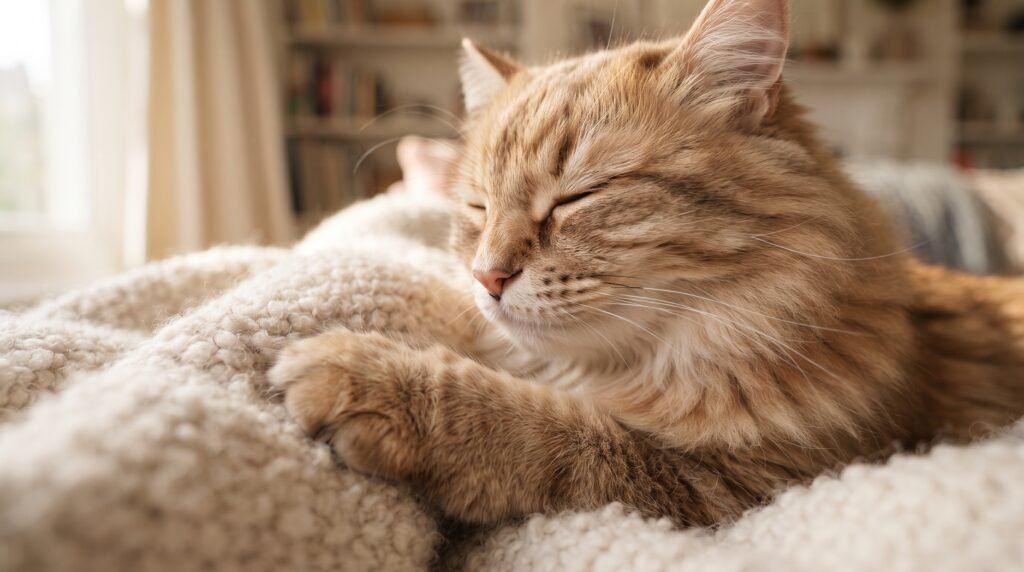
Signs Your Cat Trusts You Completely
Trust is the foundation of every strong relationship between a cat and its owner. While affection can be shown in many ways, complete trust is demonstrated through consistent, relaxed behavior.
Your Cat Trusts You If They…
- Sleep soundly near you.
- Slow blink during eye contact.
- Expose their belly.
- Groom you.
- Follow you from room to room.
- Purr while resting beside you.
- Come to you when frightened.
- Eat comfortably in your presence.
- Stay relaxed during loud household noises.
Building this level of trust takes patience, kindness, and respect for your cat’s boundaries.
Behaviors That Do NOT Mean Your Cat Hates You
Cats are often misunderstood because their behavior is different from that of dogs. Some actions that worry owners are actually normal feline behaviors.
Your Cat Ignores You Sometimes
Cats enjoy independence. Choosing to nap alone or spend time in another room doesn’t mean they love you any less.
Your Cat Doesn’t Like Being Held
Many affectionate cats dislike being picked up. They may prefer sitting beside you instead of being carried.
Your Cat Hides Occasionally
Loud noises, visitors, or changes in the home can cause even confident cats to seek a quiet hiding place. This is a natural coping strategy.
Your Cat Walks Away During Petting
Cats can become overstimulated after prolonged petting. Walking away simply means they’ve had enough for the moment—not that they’re upset with you.
Your Cat Watches You from Across the Room
Some cats enjoy being near their owners without needing constant physical contact. Quiet observation is often a sign of comfort rather than distance.
By understanding these normal behaviors, you’ll be less likely to misinterpret your cat’s actions and more likely to appreciate the subtle ways they show affection.
How to Build a Stronger Bond, FAQs, and Conclusion
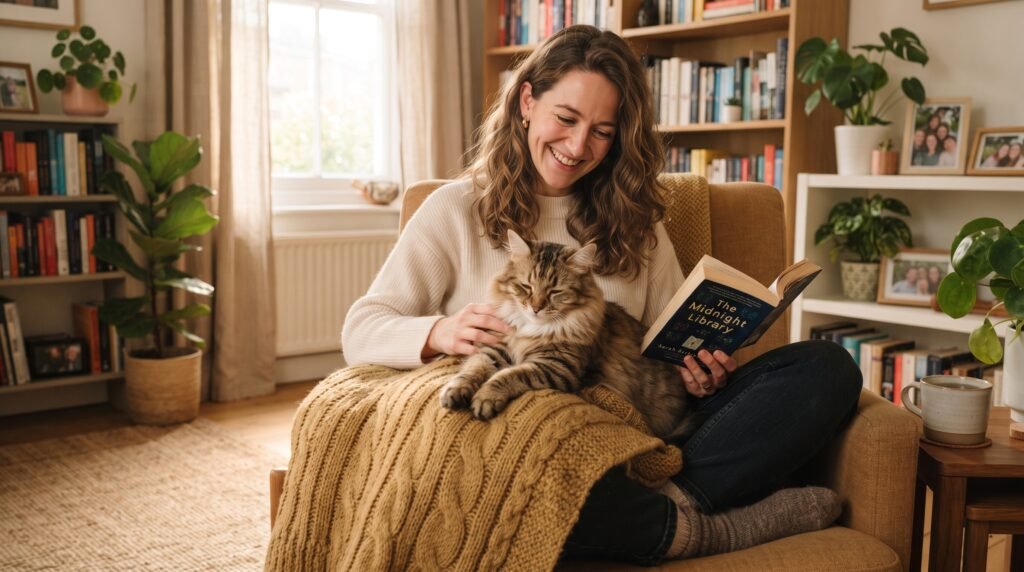
How to Build a Stronger Bond with Your Cat
Every cat-owner relationship is unique, but trust and affection grow through consistent, positive interactions. Whether you’ve just adopted a kitten or have shared your home with an older cat for years, there are simple ways to strengthen your bond.
1. Spend Quality Time Together
Cats may be independent, but they still enjoy companionship. Set aside at least 15–20 minutes each day for focused interaction.
You can:
- Play with a feather wand.
- Toss soft toys.
- Practice simple training with treats.
- Sit quietly while your cat relaxes beside you.
Even short, regular sessions help your cat associate you with fun and security.
2. Learn Your Cat’s Preferences
Every cat has different likes and dislikes.
Pay attention to:
- Favorite sleeping spots
- Preferred toys
- Favorite treats
- Where they enjoy being petted
- Signs they’ve had enough attention
Respecting your cat’s personality helps build trust and reduces stress.

3. Create a Safe Environment
Cats thrive when they feel secure.
Provide:
- A quiet sleeping area
- Fresh water at all times
- Clean litter boxes
- Scratching posts
- Climbing trees or shelves
- Window perches for bird watching
A comfortable home encourages your cat to feel relaxed and confident.
4. Keep a Consistent Routine
Cats love predictability.
Try to keep feeding, playtime, and bedtime on a regular schedule. A stable routine reduces anxiety and helps your cat know what to expect each day.
5. Use Positive Reinforcement
Reward good behavior with:
- Praise
- Gentle petting
- Healthy treats
- Playtime
Avoid yelling or physical punishment, as this can damage your cat’s trust and make unwanted behaviors worse.
6. Schedule Regular Veterinary Checkups
A healthy cat is generally a happier cat. Routine veterinary visits help detect health problems early and ensure your feline friend stays in the best possible condition.
If your cat suddenly becomes withdrawn, stops eating, or shows major changes in behavior, consult your veterinarian promptly.
Frequently Asked Questions
Do cats really love their owners?
Yes. Research and everyday experience show that cats form strong emotional bonds with the people who care for them. They express affection through behaviors such as slow blinking, purring, grooming, following you around, and seeking your company.
Why does my cat stare at me?
A relaxed stare, especially when accompanied by slow blinking, is often a sign of trust and affection. However, a fixed stare with tense body language may indicate curiosity, fear, or alertness. Always consider your cat’s overall posture and surroundings.
Why does my cat sleep on me?
Sleeping on or near you means your cat feels safe, warm, and comfortable. Your scent and body heat provide reassurance, making you one of their favorite places to rest.
Can cats recognize their owners?
Absolutely. Cats recognize their owners through a combination of scent, voice, appearance, and daily routines. They often respond differently to familiar people than to strangers.
Why does my cat lick me?
Licking is a form of social grooming. Your cat may lick you to show affection, strengthen your bond, or include you in their trusted social group.
Is it normal if my cat isn’t very cuddly?
Yes. Some cats naturally prefer showing affection by sitting nearby, following you around, or quietly keeping you company instead of cuddling. Every cat has a unique personality, and affection can look different from one cat to another.
Conclusion
Cats may not always express love in obvious ways, but their affection is genuine and meaningful. From a slow blink across the room to a gentle head butt or a peaceful nap beside you, each small gesture reflects trust, comfort, and companionship.
Learning to understand your cat’s body language allows you to appreciate these subtle signs and respond in ways that strengthen your relationship. By respecting your cat’s boundaries, providing a safe environment, and spending quality time together, you can build a lifelong bond based on mutual trust and affection.
The next time your cat rubs against your legs, curls up beside you, or gives you a slow blink, you’ll know they’re communicating something special: you’ve earned their love and trust.

hammadniazi6663@gmail.com
Contributor at PetZuoo, publishing practical information for pet owners and animal lovers.
Related guides

Why Do Dog Tilt Their Heads? 9 Fascinating Reason
Why Do Dog Tilt Their Heads? 9 Fascinating Reason Behind This Adorable Behavior. Have you ever spoken to your dog and watched…
Cat Chattering at Birds: 7 Amazing Reasons Explained
Cat Chattering at Birds: 7 Amazing Reasons Explained. Have you ever noticed your cat sitting beside a window, watching birds outside, and…
Why Do Cats Chirp at Birds? 7 Fascinating Reasons
Why Do Cats Chirp at Birds? 7 Fascinating Reasons Behind This Cute Cat Behavior, Have you ever watched your cat sitting beside…