10 Hidden Signs Your Cat Is Stressed (And How to Help Them Feel Safe Again)
Cats are often seen as calm, independent pets, but they can experience stress just like humans. The challenge is that cats rarely show obvious signs of anxiety. Instead, they communicate discomfort through subtle changes in behavior, body language, and daily habits. Many cat owners mistake these signs for stubbornness, aging, or personality changes, allowing the real problem to go unnoticed.
Stress can affect your cat’s physical health, emotional well-being, and even lifespan. A stressed cat may eat less, avoid family members, become aggressive, or develop urinary problems. Identifying these warning signs early can help prevent serious health issues and improve your cat’s quality of life.
In this guide, you’ll learn the hidden signs of stress in cats, the most common causes of feline anxiety, and practical ways to help your furry friend feel safe, comfortable, and confident again.
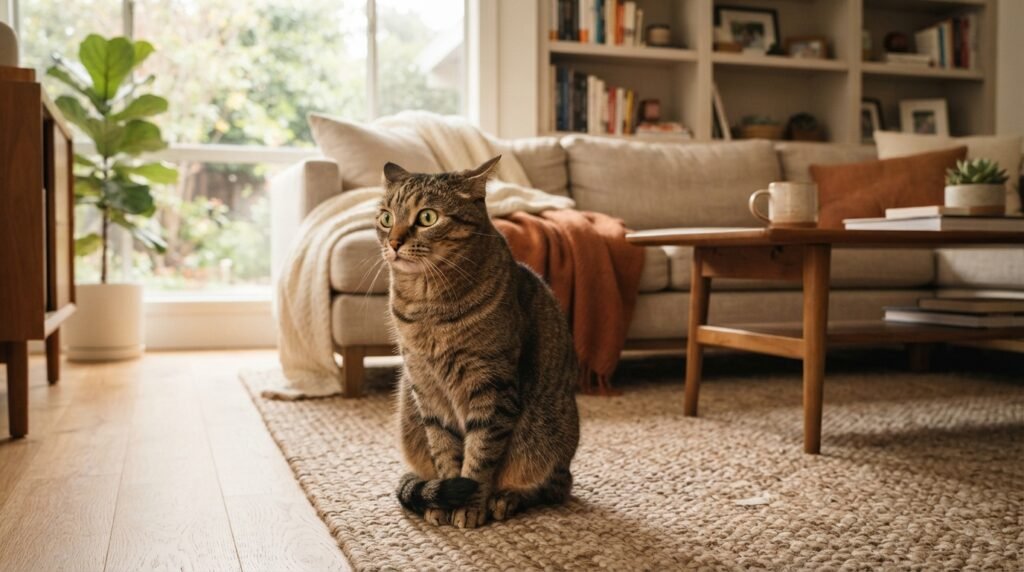
Why Stress Is Dangerous for Cats
Occasional stress is normal. Loud noises, vet visits, or moving to a new home can temporarily upset your cat. However, when stress becomes chronic, it can weaken the immune system and lead to long-term health problems.
Long-term stress may contribute to:
- Urinary tract problems
- Digestive issues
- Weight loss or obesity
- Excessive grooming
- Hair loss
- Aggressive behavior
- Depression
- Poor sleep
- Reduced appetite
- Increased risk of illness
Because cats naturally hide pain and discomfort, stress often goes unnoticed until symptoms become severe.
What Causes Stress in Cats?
Understanding the source of your cat’s anxiety is the first step toward helping them.
Some of the most common causes include:
Moving to a New Home
Cats love familiar environments. Even moving furniture can make some cats feel insecure. Relocating to a new house is one of the biggest stress triggers.
New Pets
Introducing another cat or dog changes your cat’s territory. Competition for food, water, litter boxes, or sleeping spaces can create ongoing anxiety.
New Family Members
Babies, roommates, or visiting relatives can disrupt your cat’s daily routine.
Loud Noises
Thunderstorms, fireworks, construction work, vacuum cleaners, and loud music may frighten sensitive cats.
Lack of Enrichment
Indoor cats need daily mental stimulation. Without scratching posts, climbing trees, toys, or window views, boredom can turn into stress.
Changes in Routine
Cats enjoy predictable schedules. Feeding them at different times every day or changing your work schedule can affect their confidence.
Medical Problems
Pain from arthritis, dental disease, infections, or digestive disorders can also make cats appear stressed.
Always rule out medical issues if your cat suddenly changes behavior.
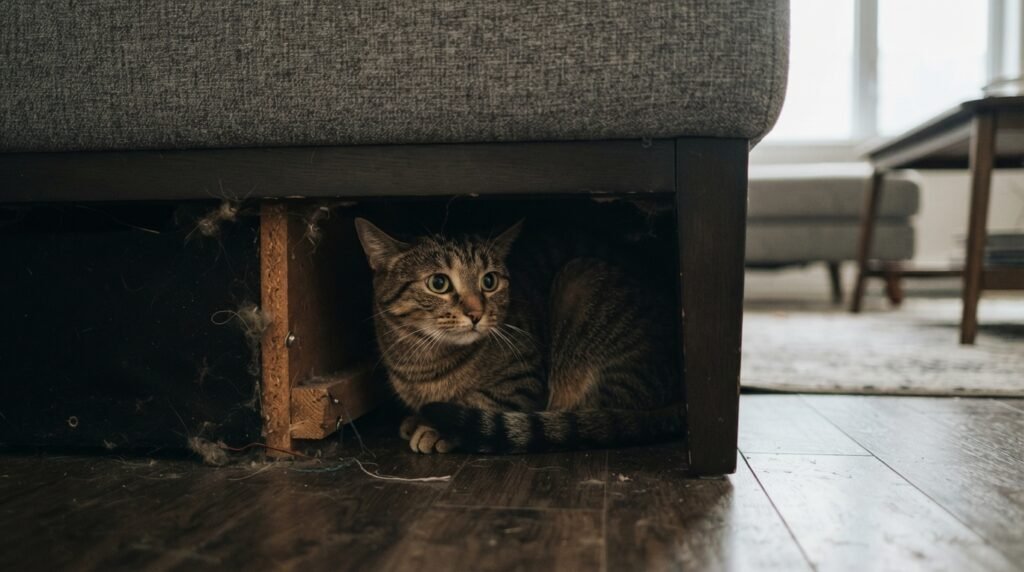
Hidden Sign #1: Hiding More Than Usual
Cats naturally enjoy quiet places, but excessive hiding is often one of the earliest signs of stress.
A stressed cat may spend hours under:
- Beds
- Sofas
- Closets
- Blankets
- Behind furniture
Instead of greeting family members, they remain hidden for most of the day.
How to Help
Never force your cat out of hiding.
Instead:
- Create quiet resting spaces.
- Keep noise levels low.
- Offer treats near the hiding area.
- Allow your cat to approach people on their own terms.
Patience builds trust much faster than forcing interaction.
Hidden Sign #2: Over-Grooming
Cats spend a large part of the day grooming, but stress may cause obsessive licking.
You may notice:
- Bald patches
- Thin fur
- Red skin
- Constant licking
- Chewing paws or legs
Stress grooming releases calming hormones, making it a coping mechanism.
How to Help
Increase playtime with interactive toys.
Provide:
- Puzzle feeders
- Scratching posts
- Cat trees
- Window perches
- Daily interactive sessions
If bald spots appear, consult your veterinarian to rule out allergies or skin conditions before assuming stress.
Hidden Sign #3: Changes in Appetite
A cat’s eating habits are a strong indicator of their emotional and physical health. Stress can cause some cats to lose interest in food, while others may overeat for comfort.
Signs to Watch For
- Leaving food untouched
- Eating much less than usual
- Begging for food more often
- Sudden weight loss or weight gain
- Refusing favorite treats
A reduced appetite for more than 24 hours is especially concerning because cats are prone to a serious liver condition called hepatic lipidosis if they stop eating completely.
How to Help
- Feed meals at the same time every day.
- Place food bowls in a quiet, low-traffic area.
- Avoid sudden changes in food unless recommended by your veterinarian.
- Offer fresh water in multiple locations.
- Monitor how much your cat eats each day.
If your cat refuses food for a full day or shows signs of illness, contact your veterinarian promptly.
Hidden Sign #4: Litter Box Problems
One of the most common signs of stress is avoiding the litter box. Many owners assume their cat is being stubborn, but this behavior often signals anxiety or an underlying medical problem.
Your Cat May:
- Urinate outside the litter box
- Defecate in unusual places
- Spray urine on walls or furniture
- Visit the litter box frequently without producing much urine
Stress-related litter box issues are especially common after:
- Moving to a new home
- Introducing another pet
- Changes in the household
- Dirty or overcrowded litter boxes
How to Help
- Scoop litter boxes at least once daily.
- Provide one litter box per cat, plus one extra.
- Keep litter boxes in quiet, easily accessible locations.
- Avoid changing litter types too often.
- Never punish your cat for accidents.
If your cat strains to urinate, cries in the litter box, or produces only small amounts of urine, seek emergency veterinary care immediately, as urinary blockages can be life-threatening.

Hidden Sign #5: Increased Aggression
A normally friendly cat may become defensive or aggressive when feeling overwhelmed.
Common Behaviors
- Hissing
- Growling
- Swatting
- Biting
- Chasing other pets
- Scratching family members unexpectedly
Stress can lower a cat’s tolerance for handling and social interaction.
Common Triggers
- Fear
- Pain
- Loud noises
- Crowded environments
- Territorial disputes
- Overstimulation during petting
How to Help
Give your cat space instead of forcing interaction.
Try to:
- Identify and remove stress triggers.
- Let your cat approach you voluntarily.
- Reward calm behavior with treats or gentle praise.
- Schedule regular play sessions to release pent-up energy.
If aggression appears suddenly or becomes severe, a veterinary examination is important to rule out pain or illness.
Hidden Sign #6: Excessive Vocalization
Some stressed cats become much more vocal than usual.
You may notice:
- Frequent meowing
- Loud yowling at night
- Persistent crying
- Calling out when left alone
While some breeds are naturally talkative, a sudden increase in vocalization can indicate stress, boredom, confusion, or discomfort.
How to Help
- Maintain a predictable daily routine.
- Spend quality time playing and interacting with your cat.
- Provide climbing structures and puzzle toys.
- Ensure your cat has safe, quiet places to rest.
If excessive vocalization is accompanied by other unusual behaviors or signs of illness, consult your veterinarian for a thorough evaluation.
In Part 3, we’ll cover Hidden Signs #7–#8, including destructive scratching, restless behavior, common stress-reduction techniques, and ways to create a calmer home for your cat.
Hidden Sign #7: Destructive Scratching
Scratching is a normal and healthy behavior for cats. It helps them stretch, maintain healthy claws, and mark their territory. However, if your cat suddenly starts scratching furniture, carpets, doors, or walls much more than usual, stress may be a contributing factor.
A stressed cat often scratches to release tension and make its surroundings feel more familiar through scent marking.
Signs of Stress-Related Scratching
- Scratching new areas around the home
- Damaging furniture despite having a scratching post
- Scratching near doors or windows
- Increased scratching after changes in the household
How to Help
Instead of punishing your cat, provide better alternatives.
Try these tips:
- Place scratching posts in areas where your cat already scratches.
- Offer both vertical and horizontal scratching surfaces.
- Reward your cat with treats or praise when they use the scratching post.
- Cover valuable furniture temporarily while your cat adjusts.
- Trim your cat’s nails regularly if recommended by your veterinarian.
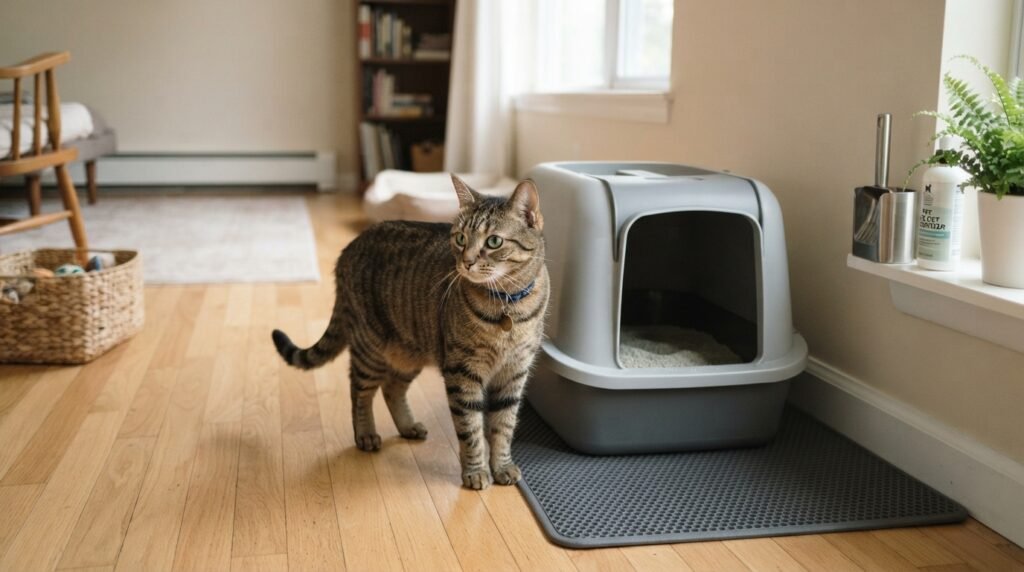
Hidden Sign #8: Restlessness and Pacing
Cats usually enjoy long naps, so a cat that seems unable to relax may be experiencing stress.
A restless cat might:
- Pace through the house repeatedly
- Constantly change sleeping spots
- Jump from room to room
- Stay alert even when the home is quiet
- Wake frequently during naps
This behavior may also occur if your cat feels unsafe or cannot find a comfortable place to rest.
How to Help
Create a calm, predictable environment.
You can:
- Keep feeding times consistent.
- Reduce loud noises whenever possible.
- Provide elevated resting places like cat trees or shelves.
- Give your cat access to sunny windows for bird watching.
- Maintain a regular play schedule to burn off extra energy.
How to Create a Stress-Free Home for Your Cat
Preventing stress is often easier than treating it. Small changes in your home can make a big difference in your cat’s confidence and well-being.
1. Keep a Consistent Routine
Cats thrive on predictability.
Try to keep these activities at the same time each day:
- Feeding
- Play sessions
- Grooming
- Bedtime
- Cleaning the litter box
Consistency helps cats feel secure.
2. Provide Plenty of Vertical Space
Cats feel safer when they can observe their surroundings from above.
Great options include:
- Cat trees
- Window perches
- Wall shelves designed for cats
- Stable furniture with safe climbing access
Vertical space is especially helpful in multi-cat households because it allows cats to avoid conflict.
3. Encourage Daily Play
Interactive play helps reduce anxiety, prevent boredom, and strengthen your bond.
Popular toys include:
- Feather wands
- Toy mice
- Ball tracks
- Puzzle feeders
- Catnip toys (for cats that respond to catnip)
Aim for two or three play sessions of about 10–15 minutes each day.
4. Give Your Cat Safe Hiding Spots
Even confident cats sometimes need privacy.
Create cozy hiding areas with:
- Covered cat beds
- Cardboard boxes
- Blankets draped over chairs
- Quiet corners away from household activity
Never force your cat out of these spaces—they provide comfort and security.
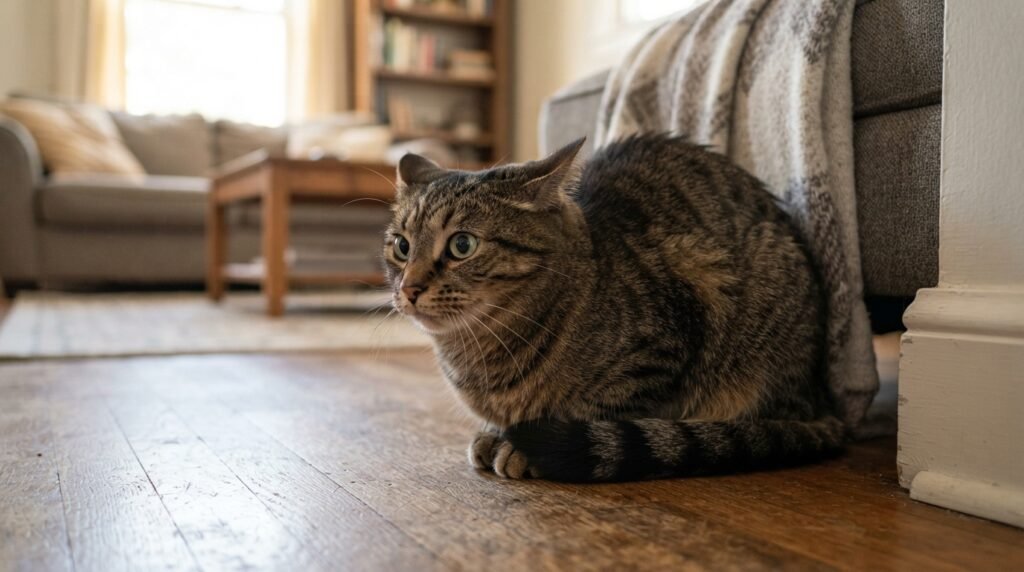
5. Reduce Household Stress
Simple changes can help your cat feel more relaxed:
- Introduce new pets gradually.
- Give each cat its own food and water bowls.
- Avoid yelling or sudden loud noises around your cat.
- Allow your cat to choose when to interact with visitors.
A calm environment helps cats adjust more easily to everyday life.
Hidden Sign #9: Sleeping Much More—or Much Less
Cats normally sleep between 12 and 16 hours a day, but sudden changes in sleep patterns can indicate stress.
A stressed cat may:
- Sleep far more than usual and avoid interaction.
- Have trouble settling down and nap only briefly.
- Wake up frequently during the night.
- Choose unusual sleeping locations where they feel safer.
While stress can affect sleep, these changes may also signal an underlying medical condition.
How to Help
- Provide a quiet, comfortable sleeping area.
- Avoid disturbing your cat while they rest.
- Keep household routines consistent.
- Monitor sleep changes for several days.
If your cat becomes unusually lethargic or stops sleeping normally altogether, schedule a veterinary visit.
Hidden Sign #10: Avoiding People or Other Pets
Some cats respond to stress by becoming withdrawn.
Your cat may:
- Stop greeting you at the door.
- Avoid being petted.
- Hide when visitors arrive.
- Stay away from other household pets.
- Spend most of the day alone.
Although cats are often independent, a sudden personality change is worth paying attention to.
How to Help
Let your cat rebuild confidence at their own pace.
You can:
- Sit quietly nearby without forcing interaction.
- Offer treats or favorite toys.
- Reward positive social behavior.
- Give your cat plenty of personal space.
Building trust takes time, especially after a stressful event.

When Should You Visit a Veterinarian?
Many stress-related behaviors look similar to symptoms of illness. It’s important to rule out medical causes before assuming anxiety is the problem.
Contact your veterinarian if your cat:
- Stops eating for more than 24 hours.
- Has difficulty urinating or uses the litter box without producing urine.
- Shows sudden aggression without an obvious trigger.
- Has persistent vomiting or diarrhea.
- Develops bald patches or skin sores from over-grooming.
- Loses a significant amount of weight.
- Appears weak, painful, or unusually lethargic.
Prompt medical care can prevent minor problems from becoming serious.
Frequently Asked Questions
Can stress make a cat sick?
Yes. Chronic stress can weaken the immune system and contribute to digestive issues, urinary problems, excessive grooming, and behavioral changes.
How long does it take for a stressed cat to recover?
It depends on the cause. Some cats adjust within a few days, while others may need several weeks after a move, adoption, or major household change.
Can indoor cats experience stress?
Absolutely. Indoor cats can become stressed by boredom, lack of exercise, limited climbing opportunities, changes in routine, or conflicts with other pets.
Do calming products work?
Some cats benefit from pheromone diffusers, calming beds, or anxiety-reducing supplements. However, these products work best when combined with environmental improvements and should be discussed with your veterinarian if your cat has severe anxiety.
Key Takeaways
- Cats often hide stress through subtle behavior changes.
- Early recognition can prevent more serious health problems.
- A predictable routine, enrichment, and safe spaces help cats feel secure.
- Never punish stress-related behaviors—focus on identifying and addressing the cause.
- Consult a veterinarian if symptoms are severe, persistent, or accompanied by signs of illness.
Final Thoughts
Cats may not be able to tell us when they’re overwhelmed, but their behavior speaks volumes. By recognizing the hidden signs of stress and responding with patience and thoughtful care, you can help your cat feel safe and confident again.
Providing a stable routine, engaging play, quiet resting places, and regular veterinary checkups goes a long way toward supporting both your cat’s emotional and physical health. The sooner you identify stress, the easier it is to help your feline companion return to their happy, relaxed self.


hammadniazi6663@gmail.com
Contributor at PetZuoo, publishing practical information for pet owners and animal lovers.
Related guides

Why Do Dog Tilt Their Heads? 9 Fascinating Reason
Why Do Dog Tilt Their Heads? 9 Fascinating Reason Behind This Adorable Behavior. Have you ever spoken to your dog and watched…
Cat Chattering at Birds: 7 Amazing Reasons Explained
Cat Chattering at Birds: 7 Amazing Reasons Explained. Have you ever noticed your cat sitting beside a window, watching birds outside, and…
Why Do Cats Chirp at Birds? 7 Fascinating Reasons
Why Do Cats Chirp at Birds? 7 Fascinating Reasons Behind This Cute Cat Behavior, Have you ever watched your cat sitting beside…